Resources for Educators on Women in Science History
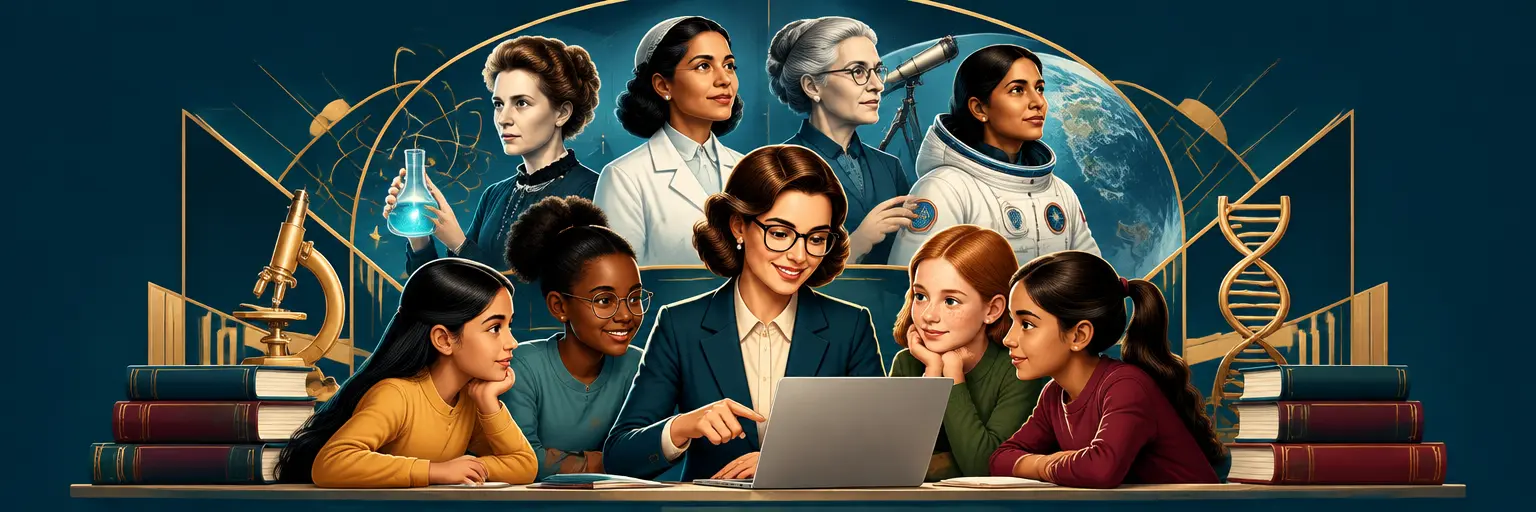
Welcome to our dedicated hub for educators! Here, you’ll find ready-to-use teaching materials, classroom activities, and course frameworks that spotlight the remarkable achievements of women in STEM. Whether you’re teaching high school physics or university-level history, our resources are designed to inspire critical thinking, celebrate diversity in science, and seamlessly integrate women’s contributions into your curriculum.
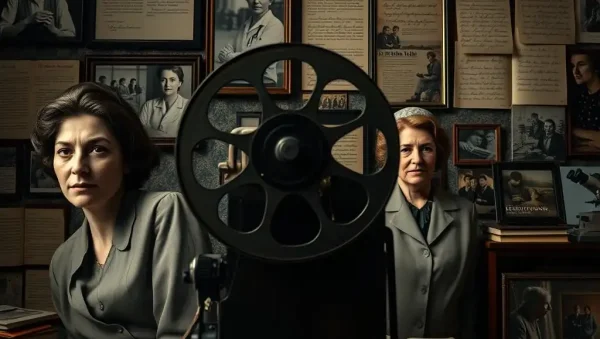
🎬 Film Guides: Teaching Women in STEM
These guides accompany documentary and feature films about pioneering female scientists, offering discussion questions, historical context, and project-based extensions. Each guide is aligned with national science and history standards, making it easy to foster meaningful classroom debates on gender, perseverance, and scientific discovery. Perfect for middle school through college, they save you prep time while deepening student engagement with real-world STEM role models.
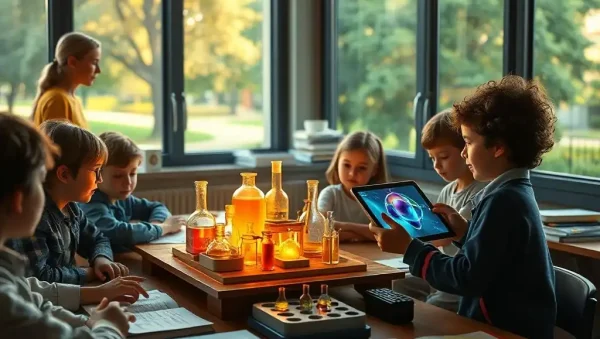
🧪 Classroom Activities: Women in Chemistry
Hands-on experiments and inquiry-based projects that highlight the chemical breakthroughs of women like Marie Curie, Gertrude Elion, and Dorothy Hodgkin. Activities include replicating simple versions of their research, analyzing primary sources, and creative writing prompts that connect chemistry to social justice. These activities are designed for grades 6–12 and adapt easily for remote learning, ensuring your students actively experience the scientific process through a female lens.
📚 University Course Syllabi: Women in Science History
Complete, ready-to-adapt syllabi for undergraduate and graduate courses covering women’s roles in science from the 18th century to today. Each syllabus includes weekly readings, discussion prompts, essay assignments, and suggested media, with a strong focus on historiographical methods and intersectionality. Ideal for history, women’s studies, or science departments seeking rigorous, inclusive content that challenges traditional narratives and encourages original student research.
🔭 Lesson Plans: Women in Physics (High School)
Focused, standards-aligned lesson plans that explore the theories and discoveries of female physicists such as Emmy Noether, Chien-Shiung Wu, and Vera Rubin. Each plan includes clear learning objectives, engaging warm-ups, guided note-taking templates, and formative assessments—plus optional lab activities that mimic their classic experiments. These lessons demystify complex physics concepts while showcasing women’s essential contributions, ideal for grades 9–12.
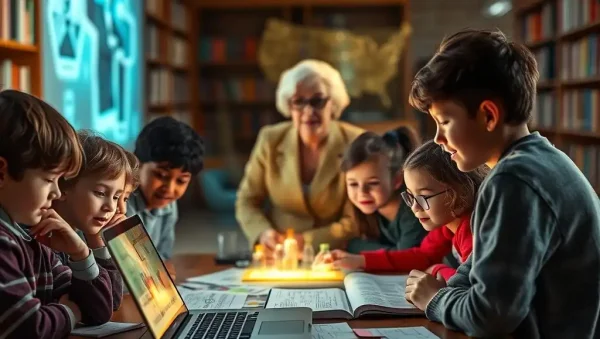
🌐 Online Resources: K-12 STEM & Women Scientists
A curated collection of digital tools, interactive timelines, virtual exhibits, and downloadable posters that bring women in science to life for younger learners. These resources include safe, vetted websites, educational games, and short video biographies, all organized by grade band and science discipline. Perfect for flipped classrooms, homework extensions, or substitute plans, they help you build a vibrant, inclusive STEM environment without extra research.
Frequently Asked Questions
How can I adapt your film guides for different grade levels?
Each film guide includes tiered discussion questions—basic recall prompts for younger students and analytical, research-based questions for high school or college. You can also shorten or extend activities based on class time. The guides are editable PDFs, so you can modify vocabulary or omit complex historical debates for less advanced classes.
Are your classroom activities safe for standard school labs?
Yes, all chemistry activities use common, non-toxic materials and follow standard safety protocols. Every lesson includes a risk assessment checklist and alternative digital simulations for schools with limited lab access. We also provide accommodations for students with sensory or motor challenges, ensuring inclusivity in every hands-on task.
Can I use your university syllabi for a non-history major course?
Absolutely. The syllabi are modular, with each week’s theme standing alone. You can select sections on specific scientists or eras for a science-survey course, or use the full syllabus for a dedicated seminar. We also include interdisciplinary readings from sociology and philosophy, making the content adaptable to STEM communication or ethics classes.
Do your high school physics lesson plans require advanced math?
Most lessons emphasize conceptual understanding and historical context rather than heavy math. Where equations appear, we provide step-by-step worked examples and optional extension problems for advanced students. The lab activities use household items and basic measurement tools, so no specialized physics equipment is needed.
Are the online resources suitable for homework or independent learning?
Definitely. Each resource page includes clear student instructions, guided note sheets, and self-check quizzes. The materials are mobile-friendly and accessible for screen readers, with closed-captioned videos. We recommend pairing the online resources with a short reflection journal to promote independent critical thinking and retention.