Online Resources: K-12 STEM & Women Scientists – Inspire the Next Generation
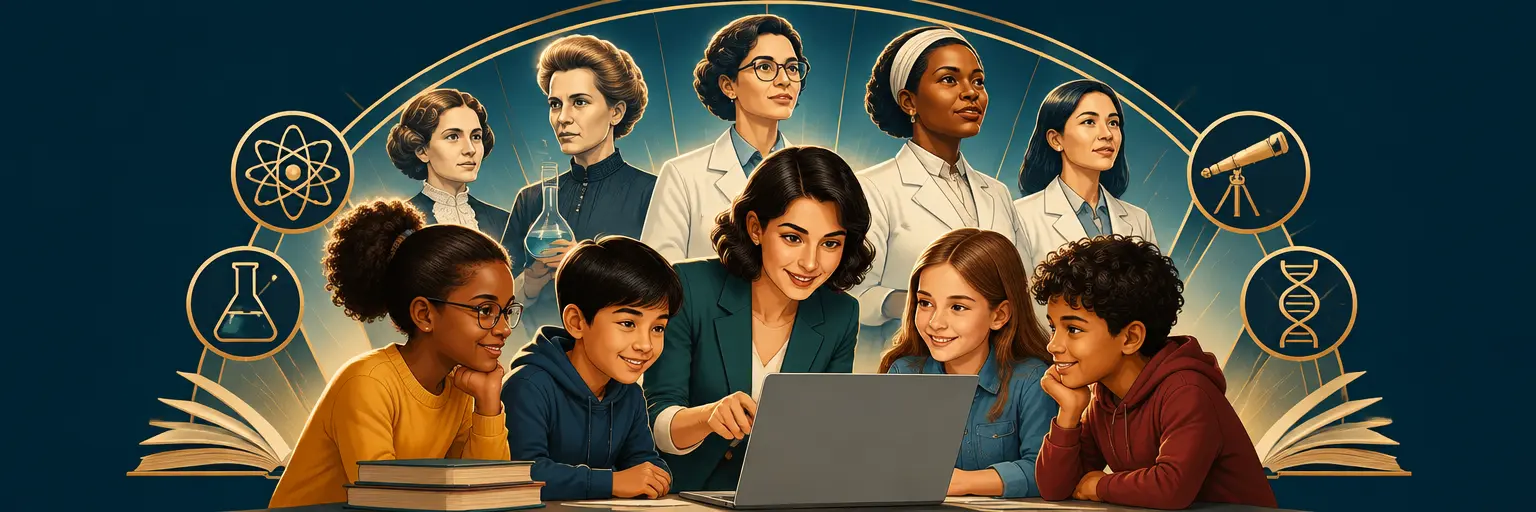
Welcome to our curated hub for educators! This subcategory bridges the gap between classroom learning and the inspiring, often untold stories of women in science. Here, you’ll discover a wealth of digital tools, lesson plans, and multimedia content designed to bring K-12 STEM education to life while centering the achievements of pioneering women scientists. Whether you teach elementary, middle, or high school, these resources will help you foster curiosity, resilience, and a passion for discovery in every student.
🔬 Interactive Lesson Plans & Multimedia Kits
Dive into ready-to-use, standards-aligned lesson plans that integrate the biographies of women like Marie Curie, Katherine Johnson, and Jane Goodall directly into your STEM curriculum. Each kit includes video interviews, printable worksheets, and hands-on experiment guides that make complex scientific concepts accessible and engaging for young learners.
Expect to save hours of prep time while delivering content that meets Next Generation Science Standards (NGSS). These resources are specifically designed to highlight how these scientists overcame gender barriers, turning historical challenges into powerful teaching moments about perseverance and innovation. You’ll also find differentiation tips for ELL students and advanced learners, ensuring every child sees themselves reflected in science.
🌍 Virtual Field Trips & Biographical Databases
Embark on virtual journeys to labs, observatories, and natural history museums through curated 360-degree tours and interactive timelines. Our biographical database features over 200 profiles of women scientists, searchable by field, era, or country, perfect for research projects or classroom spotlights.
Each profile includes primary source letters, rare photographs, and audio excerpts from archival interviews. This immersive content brings history to life, allowing students to explore the personal struggles and triumphs of trailblazers like Rosalind Franklin and Chien-Shiung Wu. For teachers, we provide scaffolded note-taking guides and discussion prompts that promote critical thinking about gender equity in STEM careers.
🧪 STEM Career Exploration Tools & Role Model Videos
These resources connect classroom learning to real-world STEM careers through short, student-friendly video profiles of contemporary women scientists. From climate researchers to robotics engineers, each video features job details, educational paths, and advice for middle and high school students.
Use these tools to help students create career vision boards, attend virtual “meet-a-scientist” Q&A sessions, or research salary expectations and college pathways. We’ve also included accompanying activity sheets that ask students to compare and contrast the barriers faced by historical women versus those in modern fields, fostering meaningful discussion about progress and remaining challenges.
📚 Primary Source Archives & Reading Lists
Explore digitized lab notebooks, scientific papers, and personal letters from women scientists, carefully annotated for classroom use. Our curated reading lists include picture books, chapter books, and graphic novels for every grade level, ensuring representation across genres and interests.
These primary sources encourage students to think like historians, analyzing how societal context shaped scientific discoveries. For each document, we provide guiding questions aligned with Common Core literacy standards, plus cross-curricular connections to history, art, and writing. You’ll also find tips for hosting a “women in science” book club or creating a school-wide biography showcase.
🧠 Assessment Rubrics & Project-Based Learning Guides
Assess student learning with pre-made rubrics and project-based learning (PBL) modules that culminate in “Shark Tank”–style science fairs or biography presentations. Our guides include project timelines, peer review forms, and exemplar student work from real classrooms.
These assessment tools go beyond traditional tests, measuring creativity, research skills, and collaboration. Each PBL module encourages students to design experiments inspired by women scientists, then present findings to the class. We provide editable templates in Google Docs and MS Word, so you can tailor criteria to your specific grade level and learning objectives, ensuring fair and meaningful evaluation.
Frequently Asked Questions
Are these resources free to use?
Yes, the vast majority of our online resources are completely free for K-12 educators. We link to reputable educational sites, open-access archives, and our own original content. Some premium databases may require a school subscription, but we always note that clearly and provide free alternatives.
How do I integrate these materials with my existing STEM curriculum?
Each resource includes alignment notes for NGSS, Common Core, and state standards. We suggest starting with one lesson plan per unit, then gradually incorporating biographical profiles as warm-ups or extended activities. Our career videos work especially well during “STEM week” or career day events.
Do you offer resources for grades K-2?
Absolutely! We have picture book read-aloud guides, simple hands-on activities like “invent a habitat,” and short animated videos featuring women scientists like Sylvia Earle. These are designed to spark early curiosity without requiring reading fluency or advanced math skills.
Can I adapt these materials for after-school programs or homeschool co-ops?
Certainly. Most of our PBL guides and experiment kits are flexible and can be run in non-traditional settings. We provide pacing options for 45-minute sessions or multi-week projects, plus tips for low-tech environments where internet access may be limited.
How often is new content added?
We update our resource library monthly with new scientist profiles, lesson plans, and virtual field trips. Follow our newsletter or social media channels to receive alerts. You can also request specific topics or scientists via our contact form, and we’ll prioritize creating resources that meet your classroom needs.