

Beyond HTML: The Forgotten Women Who Shaped Web Content and Community
🌟 Women shaping early web content played crucial roles in community building and digital innovation, yet their stories remain largely overlooked. Celebrating…
Read article
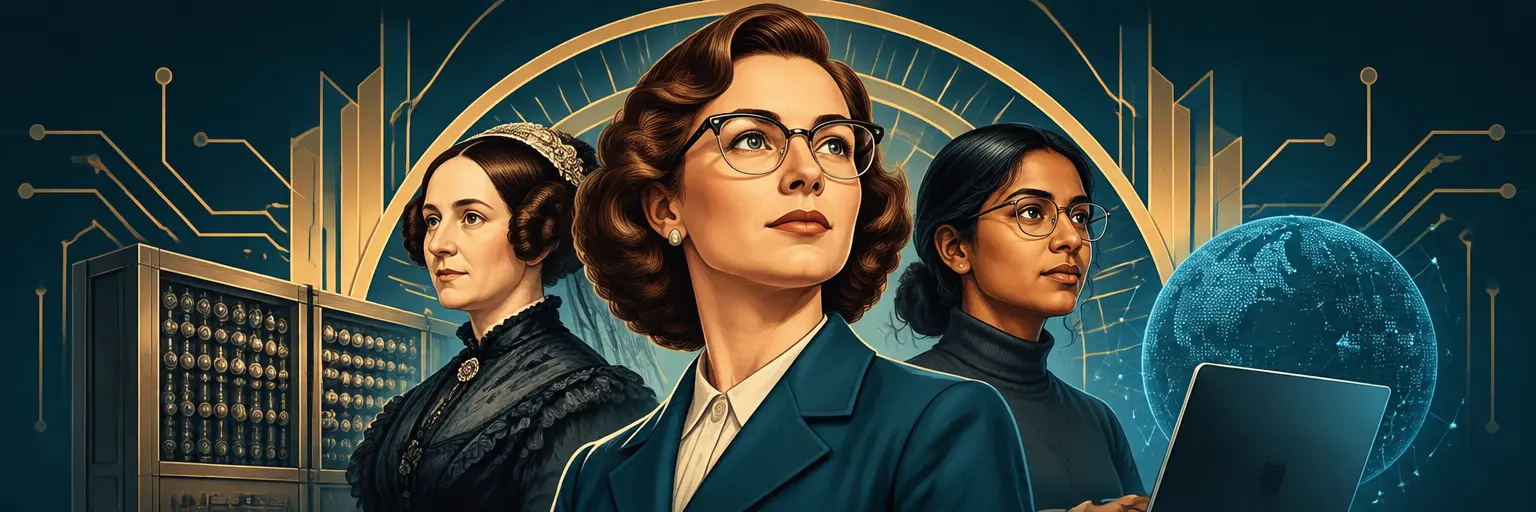
Computer science would not be what it is today without the brilliant, persevering women who coded, designed, and dared to imagine the digital future. From the earliest analytical engines to the frontiers of artificial intelligence and cybersecurity, women have been instrumental in shaping every layer of the tech stack. Here, we uncover the remarkable stories of the pioneering programmers, hardware innovators, and software engineers who broke barriers and built the virtual world we inhabit. Discover how their vision continues to power the web, drive the personal computer revolution, and secure our digital lives—and let their legacies inspire the next generation of female technologists.

🌟 Women shaping early web content played crucial roles in community building and digital innovation, yet their stories remain largely overlooked. Celebrating…
Read article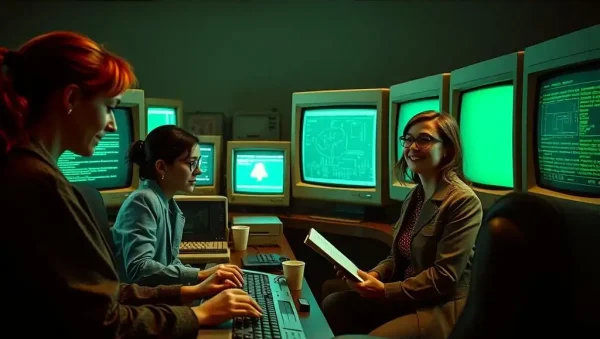
🌟 Discover how women in computer science history from the PC revolution (1970-2000) broke barriers, inspiring future generations through their groundbreaking innovations…
Read article
🌟 Discover how women mathematicians transitioning to computer science careers broke barriers, shaping the future of technology and inspiring generations. Their resilience…
Read article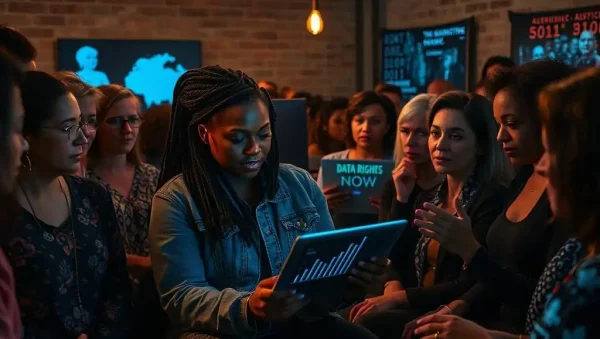
🌟 Celebrating women’s ethical internet advocacy, this article highlights pioneering women who champion inclusive digital spaces, overcoming barriers in male-dominated fields. Their…
Read article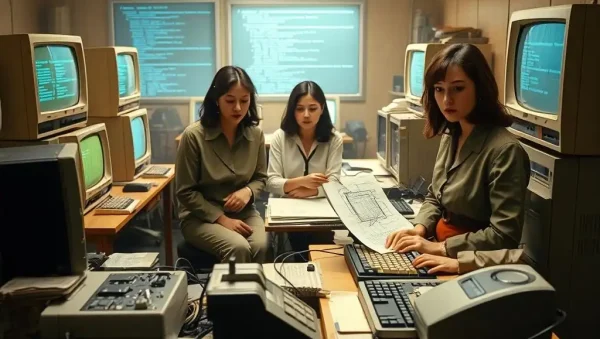
🌟 Women’s role in personal computer history transformed a niche interest into a global necessity, showcasing how pioneering women shaped technology’s future.…
Read article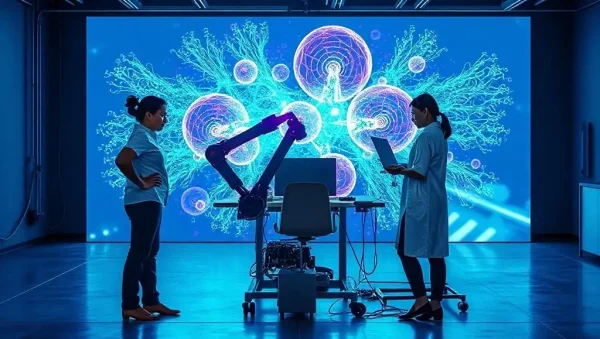
🌟 Celebrating trailblazing women in AI, "Decoding the Future" highlights Women AI research breakthroughs that are shaping tomorrow’s world, inspiring future generations…
Read article
🌟 Discover the untold stories of women in PC programming history (1970–2000), unveiling the pioneering women behind groundbreaking technological advances and highlighting…
Read article
🌟 Celebrate Grace Hopper's groundbreaking role in the history of computer programming, as a trailblazing woman who revolutionized how computers understand and…
Read article
🌟 Klára Dán von Neumann's pioneering programming of ENIAC revolutionized early weather prediction, showcasing her vital yet often overlooked role in science.…
Read article
🌟 Celebrating WomenInScienceHistory.com, this article highlights women’s early machine language work, showcasing pioneering female scientists who revolutionized low-level programming and overcame significant…
Read article
🌟 Celebrating Ada Lovelace’s pioneering role in the history of algorithm development, her visionary ideas continue to influence today’s web algorithms. Her…
Read article
✨ Women coded early PCs, shaping the digital world we know today. This article celebrates the pioneering women behind computing breakthroughs, highlighting…
Read articleExplore the profound and often untold impact of women in computer science—from the earliest algorithmic thinkers to today’s leaders in artificial intelligence and cybersecurity. This section of WomenInScienceHistory.com uncovers the biographies, breakthroughs, and barriers faced by female technologists who shaped the digital world. Discover how their work in game design, hardware, software, and web technologies transformed society and continues to inspire new generations.
This subcategory highlights female pioneers who blended creativity with code to build interactive worlds and digital visual experiences. Expect stories of designers, artists, and programmers who defined early gaming aesthetics, narrative mechanics, and multimedia tools. Learn how women like Muriel Tramis (award-winning game creator) and Brenda Laurel (interactive narrative pioneer) navigated a male-dominated industry. Key topics include procedural art, game engines, and the cultural impact of female-led titles.
Here, you’ll meet the engineers and inventors who built the physical foundations of computing—from circuit boards to memory chips. This section covers pioneers like Lynn Conway (VLSI design) and Dawn Meyerriecks (semiconductor innovation), explaining their patents, architectural breakthroughs, and the challenges of hardware labs. Expect clear explanations of how these women influenced microprocessors, computer architecture, and embedded systems, making modern devices faster and more efficient.
Travel back to a time before electronic computers, where women laid the mathematical and logical groundwork. This subcategory focuses on figures like Ada Lovelace, who wrote the first algorithm intended for a machine, and Mary Somerville, whose scientific writing popularized computation. Readers will discover how these women worked with analog devices, mathematical tables, and early punch-card systems. The section emphasizes their intellectual rigor and the societal constraints they overcame to define what computing could become.
This period saw the formalization of computer science as a discipline, with women playing critical roles in programming, logic, and system design. Expect biographies of Grace Hopper (compiler development), Jean Bartik (ENIAC programming), and Kathleen Booth (assembly language). The content covers wartime codebreaking, vacuum tube systems, and early software engineering practices. You’ll understand how these women not only wrote code but also created foundational concepts like debugging and machine-independent programming.
Dive into the evolution of software development as a profession, with women leading major projects in operating systems, databases, and application tools. This subcategory profiles Barbara Liskov (data abstraction and distributed systems), Radia Perlman (network protocols), and Marissa Mayer (user interface engineering). Expect case studies on software lifecycles, testing methodologies, and team leadership. The focus is on how these women shaped modern programming paradigms, from object-oriented design to robust network architectures.
This era brought computing into homes and small businesses, and women were crucial innovators in user interfaces, storage, and accessibility. Discover contributions from Roberta Williams (graphical adventure games), Dr. Sophie Wilson (ARM architecture), and Susan Kare (iconic Macintosh pixel design). The section explores how these women made computers more approachable and functional, driving the transition from hobbyist kits to consumer devices. Expect insights into marketing, product design, and grassroots tech communities.
Here, you’ll find contemporary leaders advancing machine learning, robotics, and data science. Profiles include Fei-Fei Li (computer vision), Joy Buolamwini (algorithmic fairness), and Timnit Gebru (ethical AI). The subcategory covers neural networks, natural language processing, and the social implications of intelligent systems. It also addresses ongoing gender gaps and initiatives to increase diversity in AI research, making it a vital resource for understanding both technical breakthroughs and advocacy.
This section chronicles the women who built and shaped the internet, from TCP/IP to the semantic web. Learn about Elizabeth J. Feinler (early internet registry), Brewster Kahle’s collaborators (digital archiving), and Vint Cerf’s peers like Susan Estrada (network deployment). Expect explanations of web standards, browsers, and search algorithms. The content highlights how these women enabled global communication, open access, and web-based collaboration, with a focus on their technical leadership and advocacy for an inclusive online world.
Finally, this subcategory addresses the critical field of protecting digital systems, featuring pioneers like Dorothy E. Denning (information security) and Katie Moussouris (bug bounty programs). Readers will learn about encryption, threat modeling, and ethical hacking, alongside the historical underrepresentation of women in security roles. The section includes success stories, mentoring advice, and technical deep dives into firewall design, cryptography, and incident response, showing how female experts defend national and corporate data.
Many early contributions were hidden due to societal norms that positioned women as “assistants” rather than innovators. Programming often began as clerical work, so women’s names were omitted from patents and research papers. Additionally, male-dominated publishing and hiring practices erased their roles. This site corrects that by documenting primary sources, oral histories, and industry records to restore recognition.
Ada Lovelace is widely recognized for writing the first algorithm for Charles Babbage’s Analytical Engine in the 1840s. Unlike pure calculations, her notes included a method for computing Bernoulli numbers, demonstrating that machines could go beyond numerical operations. Her foresight of “poetical science” laid conceptual groundwork for modern software and AI.
Six women—Jean Bartik, Kay McNulty, Betty Holberton, Marlyn Wescoff, Ruth Lichterman, and Frances Spence—programmed the ENIAC by physically setting switches and cables. They computed ballistic trajectories with no manuals or languages, essentially inventing debugging. Their work was vital to WWII efforts but remained uncredited for decades, earning them posthumous honors.
Current challenges include algorithmic bias (when systems reflect male-centric data), underrepresentation in research teams, and hostile workplaces. Women also face funding gaps for startups. Solutions include auditing datasets, implementing diversity quotas, and encouraging mentorship networks. Addressing these issues improves AI fairness and innovation, as shown by studies linking diverse teams to better outcomes.
Start with our subcategory on Women in Cybersecurity, which highlights Dorothy Denning and Katie Moussouris. Additionally, the CyberWomen Network, the SANS Women’s Immersion Academy, and the Hall of Fame of the International Women’s Forum offer extensive profiles. Academic papers on password security and cryptography also credit female pioneers. For historical depth, visit the Computer History Museum’s online galleries.