Film Guides: Teaching Women in STEM
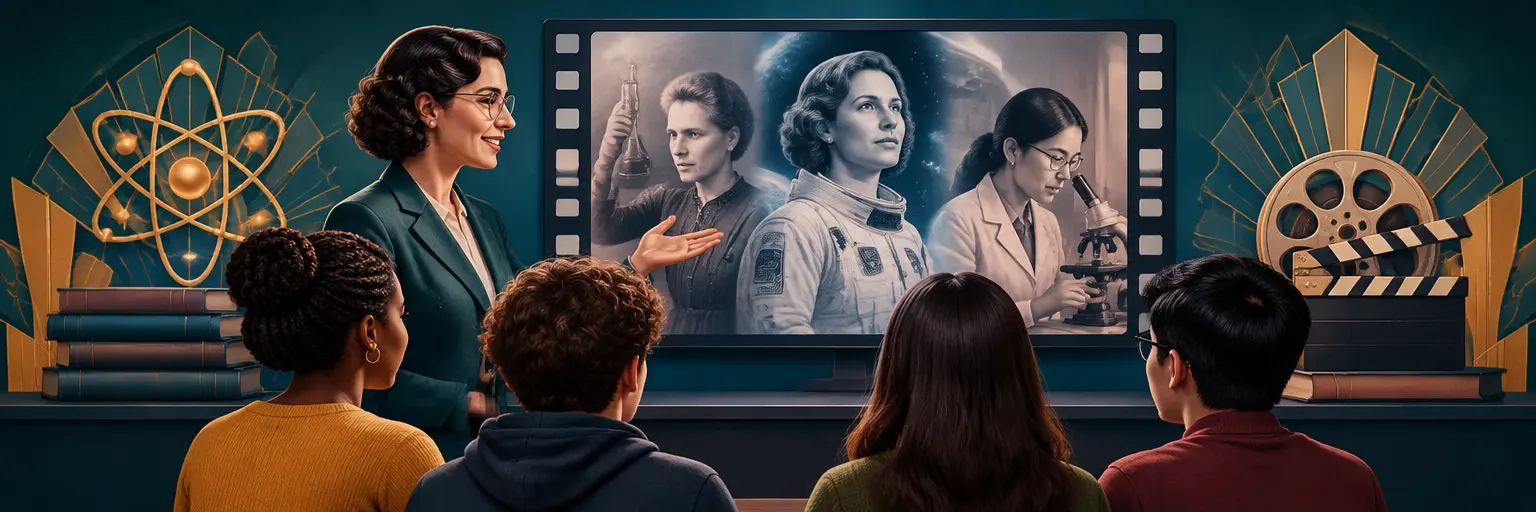
Welcome to our curated collection of film guides designed specifically for educators who want to bring the inspiring stories of women in science, technology, engineering, and mathematics into the classroom. These guides transform powerful documentaries and feature films into structured learning experiences, complete with discussion prompts, historical context, and student activities. By integrating cinema with rigorous academic content, you can illuminate the often-overlooked contributions of female scientists while fostering critical thinking about gender, innovation, and perseverance.
🎬 Why Use Film to Teach Women in STEM?
Film offers an emotional and visual entry point that textbooks often lack, making complex scientific journeys accessible and memorable for diverse learners. When you screen a movie about a pioneering woman like Katherine Johnson or Marie Curie, you’re not just teaching formulas or dates—you’re humanizing discovery. These guides help you frame screenings with pre-viewing questions, pause points for discussion, and post-viewing assignments that connect the narrative to broader STEM concepts. Engagement increases dramatically when students see real struggles and triumphs, and these resources ensure that learning objectives align seamlessly with cinematic storytelling.
Moreover, using film addresses multiple learning styles—visual, auditory, and kinesthetic through follow-up projects. Each guide in this subcategory is crafted to meet educational standards, including NGSS and Common Core, while encouraging students to question who gets credit for scientific advancements. You’ll find ready-to-print worksheets, debate prompts, and research extensions that turn passive viewing into active inquiry. This approach not only honors the women featured but also equips your students to recognize and challenge systemic barriers in their own academic journeys.
📽️ Step-by-Step Lesson Plans for Feature Films
Our feature film guides are structured for seamless integration into your existing curriculum, whether you teach high school biology, middle school history, or undergraduate gender studies. Each guide breaks down a movie—such as *Hidden Figures*, *Radioactive*, or *The Imitation Game*—into three segments: before, during, and after viewing. The “before” section introduces key vocabulary, historical timelines, and anticipation guides to activate prior knowledge. During the film, you receive timestamped discussion questions that keep students focused on pivotal scientific and ethical moments, avoiding passive consumption.
The “after” segment is where deep learning crystallizes, featuring essay prompts, group research projects, and creative assignments like designing a museum exhibit or writing a letter to the scientist. Assessment tools are embedded, including rubrics and exit tickets, so you can measure understanding without extra prep. These plans are flexible—adapt them for 45-minute periods or block scheduling—and include differentiation strategies for English learners and advanced students. By the end, your class will not only understand the science but also the social context that shaped these women's careers.
🧪 Documentaries and Short Films: Flexible Classroom Tools
For educators with limited time, our documentary and short film guides are perfect for single lessons or substitute plans. Titles like *Picture a Scientist* or *The Genius of Marie Curie* are broken into 10–20 minute clips, each paired with tailored scaffolding activities. You can use these guides to introduce a unit, spark a debate on ethics in research, or highlight intersectionality in STEM fields. Every guide includes a synopsis, key figures, and “watch-for” cues that direct student attention to subtle biases or breakthrough moments.
These shorter formats are also ideal for flipped classrooms, where students watch at home and come prepared to engage in Socratic seminars or lab-based extensions. We provide downloadable PDFs that include graphic organizers, vocabulary lists, and quick-write prompts that require no grading—just reflective thinking. Accessibility is a priority, so guides include closed-captioning notes and audio description options, ensuring every student can participate fully. Whether you have five minutes or fifty, these resources turn compelling true stories into rigorous scientific inquiry.
🛠️ Interactive Activities and Discussion Guides
Beyond simple Q&A, these film guides feature hands-on activities that connect cinematic themes to real-world STEM practice. For example, after watching a film about Rosalind Franklin, students can perform a DNA extraction lab or analyze X-ray crystallography images. Each activity is clearly linked to the film’s core scientific concepts, with material lists, safety notes, and time estimates. Collaborative learning is emphasized, with structured group roles that ensure every student contributes, whether in designing an experiment or presenting findings.
Discussion guides are designed to move beyond surface-level questions, prompting students to analyze the intersection of gender, race, and institutional power. You’ll find sentence starters for respectful debate, role-playing scenarios where students reenact key decisions, and reflective journaling prompts that build emotional intelligence. These activities are tested in real classrooms and align with social-emotional learning (SEL) competencies. By weaving hands-on exploration with critical dialogue, your students will leave with both scientific knowledge and a deeper appreciation for the resilience required to break barriers.
🌍 Cross-Curricular Connections and STEM Career Pathways
These film guides are not just for science teachers—they’re powerful tools for history, English, and arts educators seeking interdisciplinary units. Each guide includes cross-curricular links, such as analyzing the rhetoric of a scientist’s speeches in ELA or mapping the political climate of the era in social studies. You’ll also find career exploration modules that introduce students to contemporary women in STEM, complete with LinkedIn-style profiles, salary ranges, and educational pathways. Career readiness is embedded, helping students visualize themselves in roles like computational biologist, aerospace engineer, or data ethicist.
For counselors and career advisors, the guides offer starter activities like “Day in the Life” simulations or resume-writing workshops based on the scientists' real experiences. Additionally, we provide extension projects such as hosting a film screening for the school community or partnering with local universities for panel Q&As. These resources are designed to be adaptable to any grade level, with differentiated complexity in assignments. By connecting the past to present possibilities, you’ll inspire students to see STEM as a viable and rewarding path—regardless of their gender or background.
Frequently Asked Questions
Do these film guides include closed captions and accessibility features?
Yes, every guide provides recommendations for viewing platforms that offer closed captions, audio descriptions, and transcript links. We also include note-taking templates for students with hearing or visual impairments, ensuring equitable access to the cinematic content and learning activities.
Can I adapt a film guide for a single 50-minute class period?
Absolutely. We label each activity with time estimates and offer "quick cut" versions that focus on a 15-minute film clip with one discussion question and a short writing prompt. This makes it easy to use our resources in compressed schedules without losing educational impact.
Are these guides aligned with specific educational standards?
Yes, all guides align with Next Generation Science Standards (NGSS), Common Core State Standards for ELA and History, and many state-specific frameworks. Each lesson plan includes a standards alignment chart, so you can easily document compliance for district requirements.
Do you provide answer keys or assessment rubrics?
Most guides include sample discussion answers, scoring rubrics for essays and presentations, and exit ticket keys. For open-ended activities, we provide exemplars and peer-review checklists, allowing you to assess student work efficiently while maintaining high expectations.
Can these guides be used for virtual or hybrid learning?
Definitely. We offer digital versions of all worksheets and discussion prompts that work seamlessly in learning management systems like Google Classroom or Canvas. Video clips are linked to accessible streaming platforms, and collaborative activities include options for breakout rooms or discussion boards.