
Illuminating Legacies: Film Guides to Celebrate Women's Groundbreaking Work in Medicine

Welcome to WomenInScienceHistory.com!
Dive into the fascinating world of women who shaped scientific progress. Here, we illuminate the often-untold stories of female pioneers and their groundbreaking work. Ever wondered how to bring these inspiring narratives to life in the classroom or at home? Our newly released Women's Medicine Film Guides offer a powerful and engaging way to explore the legacies of these remarkable individuals. Discover how these meticulously crafted resources can unlock a deeper understanding of their contributions and the challenges they overcame – what stories will you uncover today?
- Women’s Medicine Film Guides: Inspiring Future Generations of Female Scientists
- The Best Women's Medicine Film Guides for Educators and Students
- Option 1: "Something the Lord Made" - A Women’s Medicine Film Guide Highlighting Vivien Thomas
- Option 2: "Hidden Figures" - Women in STEM Medicine and Their Role at NASA
-
Option 3: "The Immortal Life of Henrietta Lacks" - A Women’s Medicine Film Guide on HeLa Cells and Bioethics
- Henrietta Lacks and HeLa Cells: Ethical Implications and the Advancement of Medical Science
- The Power of Storytelling: Using "The Immortal Life of Henrietta Lacks" to Teach Women’s Contributions and Bioethics
- Affiliate Links: Access "The Immortal Life of Henrietta Lacks" Film and Educational Resources on Bioethics
- Option 4: "No Ordinary Genius" - Celebrating Dr. Patricia Bath's Visionary Contributions to Ophthalmology
- Option 5: "Nurses: If Florence Could See Us Now" - Honoring the Contributions of Female Nurses
- Leveraging Women’s Medicine Film Guides for Effective STEM Education
-
Frequently Asked Questions
- How can film guides help celebrate women's contributions to medicine?
- What types of films are typically featured in "Women's Medicine Film Guides"?
- Where can I find reliable "Women's Medicine Film Guides"?
- What are some of the challenges these film guides aim to address?
- How do "Women's Medicine Film Guides" differ from regular film reviews?
- Final Reflection: Celebrating Women's Medical Pioneers Through Film
- Champion Her Legacy: Ignite Change Today!
Women’s Medicine Film Guides: Inspiring Future Generations of Female Scientists
Exploring the Untold Stories of Women in Medical History Through Film
Film serves as an incredibly potent medium for illuminating the often-overlooked narratives of women in medical history. While textbooks frequently focus on male pioneers, cinema has the unique ability to bring historical figures to life, showcasing their struggles, triumphs, and profound contributions in a compelling, emotionally resonant manner. By presenting these stories visually, films can break down complex scientific concepts and historical contexts, making them accessible and engaging for a broad audience, from students to seasoned professionals. These cinematic explorations provide a vital counter-narrative, revealing the ingenuity and perseverance of women who shaped healthcare despite systemic barriers.
Moreover, integrating films into educational curricula through dedicated women’s medicine film guides can significantly impact how future generations perceive scientific roles and possibilities. Witnessing the resilience of figures like Dr. Elizabeth Blackwell or Dr. Mary Edwards Walker on screen can foster a deep sense of inspiration and empathy.
These visual narratives not only educate about groundbreaking medical advancements but also highlight the social and professional challenges women faced, such as gender discrimination, lack of access to education, and professional marginalization. Such exposure is crucial for inspiring young minds, particularly girls, to pursue careers in STEM fields, demonstrating that their potential in medicine is boundless.
The Best Women's Medicine Film Guides for Educators and Students
Curating Compelling Films to Showcase Female Medical Pioneers
Selecting the most compelling films to highlight female medical pioneers requires careful consideration of historical accuracy, narrative depth, and educational potential. The films chosen for these women’s medicine film guides are not merely historical reenactments but powerful storytelling vehicles that convey the human element behind scientific breakthroughs.
Each film offers a unique lens through which to explore different facets of women's contributions—from surgical innovation and public health initiatives to ethical dilemmas and the fight for professional recognition. The curation process aims to provide a diverse range of stories that reflect the breadth of women's influence across various medical disciplines and historical periods.
These carefully curated women’s medicine film guides are invaluable resources for educators and students alike, transforming passive viewing into an active learning experience. For educators, they offer ready-made frameworks for discussions, assignments, and curriculum integration, simplifying the process of introducing complex topics in an engaging format. For students, these guides provide structured pathways to understanding the historical context, scientific significance, and societal impact of these women's work. By prompting critical thinking and encouraging deeper research, these film guides ensure that the legacies of female medical pioneers are not just remembered but actively understood and celebrated, enriching the educational landscape.
Option 1: "Something the Lord Made" - A Women’s Medicine Film Guide Highlighting Vivien Thomas
Vivien Thomas and the Blalock-Taussig Shunt: A Story of Racial and Gender Barriers in Medicine
"Something the Lord Made" chronicles the extraordinary partnership between pioneering cardiac surgeon Alfred Blalock and his gifted surgical technician, Vivien Thomas. Thomas, an African American man with no formal medical training, developed the groundbreaking surgical techniques necessary for the Blalock-Taussig shunt operation, a procedure that saved thousands of "blue babies" suffering from Tetralogy of Fallot.
His meticulous skill and innovative approach were instrumental in the procedure's success, yet for decades, his contributions were largely unacknowledged due to the pervasive racial discrimination of the era. He performed complex surgical experiments on animals, perfecting the delicate sutures and techniques that Blalock later applied to human patients.
The film powerfully illustrates the systemic racial barriers Thomas faced, highlighting how his genius was confined to the role of a laboratory assistant, despite his unparalleled surgical expertise. While the film centers on a male figure, its narrative deeply resonates with the broader themes of overlooked contributions and the fight for recognition within male-dominated fields, a struggle frequently encountered by women in science throughout history.
The film exposes the institutional biases that prevented deserving individuals from receiving due credit, prompting crucial discussions about equity and the true nature of scientific collaboration, which are essential elements for any comprehensive women’s medicine film guide.
Key Features and Educational Value of the "Something the Lord Made" Film Guide
A women’s medicine film guide for "Something the Lord Made" can transcend its primary narrative by focusing on the broader implications of unacknowledged genius and systemic inequality within medical history. Such a guide can facilitate discussions on the development of modern cardiac surgery, the ethics of medical experimentation, and the crucial, often invisible, roles played by individuals who were not formally recognized as doctors or researchers. It provides a compelling case study for examining how societal prejudices can impede scientific progress and obscure the true architects of medical breakthroughs.
Furthermore, the educational value of this film guide lies in its capacity to spark conversations about perseverance, mentorship, and the importance of valuing contributions regardless of an individual's background or formal status. Students can explore themes of scientific innovation, the meticulous process of surgical development, and the profound impact of medical advancements on human lives. By exploring Vivien Thomas's journey, the guide encourages critical thinking about fairness, recognition, and the historical context of medical practice, enriching the understanding of challenges that also confronted women striving for recognition in medical fields.
To access "Something the Lord Made" and supplemental educational materials, viewers can explore major streaming platforms, digital rental services, or consider purchasing physical copies from reputable online retailers. Educational institutions may also find the film available through academic licensing programs or university library collections. Complementary resources, such as biographies of Vivien Thomas and historical analyses of the Blalock-Taussig shunt, can be found through scholarly databases and medical history archives.
"Hidden Figures" brilliantly tells the story of Katherine Johnson, Dorothy Vaughan, and Mary Jackson, three African American women who were instrumental "human computers" at NASA during the Space Race. While their primary contributions were to aerospace engineering and mathematics, the analytical rigor, precision, and problem-solving skills they demonstrated are directly transferable and foundational to countless medical advancements. The complex calculations required for orbital mechanics, for instance, mirror the intricate computations necessary for medical imaging technologies like MRI and CT scans, for designing precise drug dosages, or for modeling disease spread in epidemiology.
The film underscores how foundational mathematical and computational expertise, championed by these women, is vital to modern medicine. Their work in data analysis and algorithmic development laid conceptual groundwork for current data-driven approaches in healthcare, including personalized medicine, genomic research, and public health analytics.
The ability to interpret vast datasets, identify patterns, and predict outcomes, skills these women honed at NASA, are now indispensable in developing new treatments, understanding disease pathologies, and optimizing patient care. This connection makes "Hidden Figures" a powerful narrative within a women’s medicine film guide, highlighting the interdisciplinary nature of STEM and its profound impact on health.
A women’s medicine film guide centered on "Hidden Figures" can effectively bridge the perceived gap between aerospace science and medical advancements, showcasing the universal applicability of STEM skills. The guide can prompt discussions on how the mathematical prowess of Katherine Johnson, the programming foresight of Dorothy Vaughan, and the engineering ambition of Mary Jackson are echoed in the work of biomedical engineers, medical statisticians, and health informatics specialists today. It encourages students to see how a strong foundation in mathematics and science can lead to breakthroughs in diverse fields, including those directly impacting human health.
Furthermore, this film guide offers compelling opportunities to explore themes of overcoming gender and racial discrimination in STEM, a struggle that was equally prevalent in the medical field. It highlights the importance of accurate data and rigorous analysis—principles that are paramount in medical diagnosis, treatment, and research. By examining the collaborative problem-solving depicted in the film, students can appreciate how diverse teams, including those led by or comprising women, drive innovation, whether in launching rockets or developing life-saving medical technologies.
For those interested in "Hidden Figures" and related educational content, the film is widely available across major streaming platforms and digital rental services. Public libraries and educational institutions may also provide access. Further resources on the history of NASA's human computers and the broader context of women in STEM can be found through educational websites, historical archives, and academic publications focusing on science history and gender studies.
Option 3: "The Immortal Life of Henrietta Lacks" - A Women’s Medicine Film Guide on HeLa Cells and Bioethics
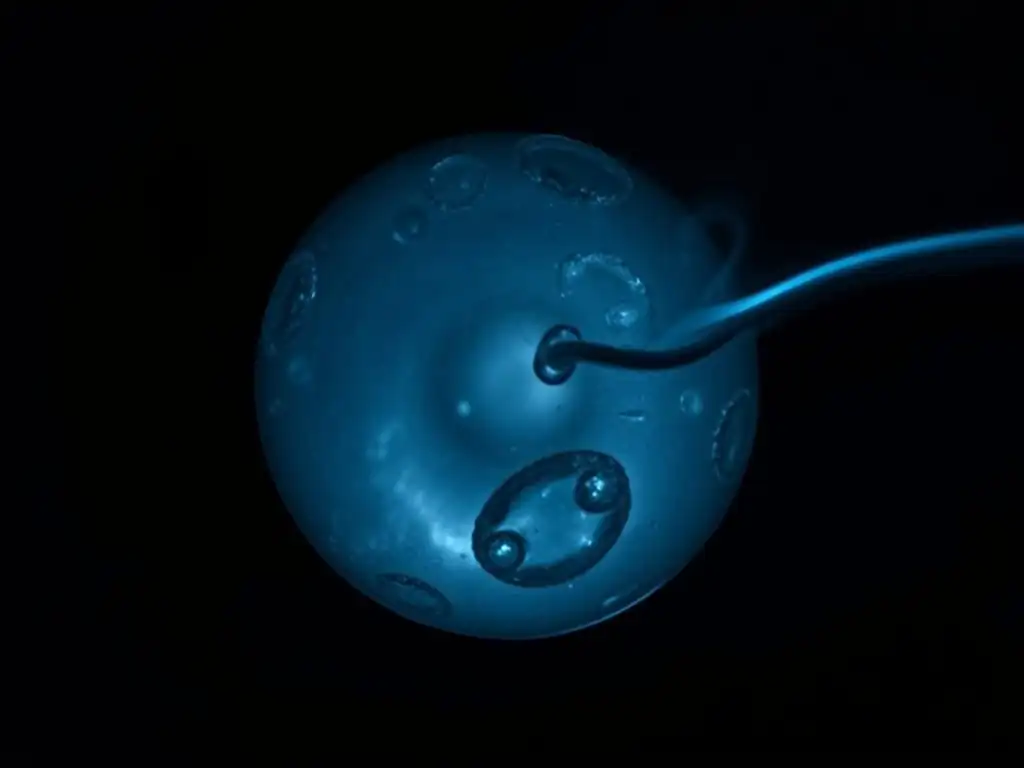
Henrietta Lacks and HeLa Cells: Ethical Implications and the Advancement of Medical Science
"The Immortal Life of Henrietta Lacks" tells the profound and ethically complex story of Henrietta Lacks, an African American woman whose cervical cancer cells were taken without her knowledge or consent in 1951. These cells, known as HeLa cells, possessed an extraordinary ability to survive and reproduce indefinitely in laboratory conditions, becoming the first immortalized human cell line.
HeLa cells have since been instrumental in countless medical breakthroughs, including the development of the polio vaccine, chemotherapy, gene mapping, in vitro fertilization, and AIDS research. They have contributed to over 75,000 scientific studies and remain a cornerstone of biomedical research globally.
However, the film powerfully confronts the profound ethical dilemmas surrounding the use of her cells: issues of informed consent, patient rights, medical exploitation, and racial disparities in healthcare. Lacks's family lived in poverty, unaware of her cells' monumental contribution and the vast profits generated from them for decades. This narrative highlights the historical context of medical research practices, where the autonomy and rights of marginalized patients, particularly women of color, were often disregarded, raising critical questions about justice and equity in scientific advancement.
The Power of Storytelling: Using "The Immortal Life of Henrietta Lacks" to Teach Women’s Contributions and Bioethics
A women’s medicine film guide focused on "The Immortal Life of Henrietta Lacks" provides an unparalleled opportunity to delve into complex topics of bioethics, medical history, and social justice. The film's narrative humanizes the scientific process, demonstrating that groundbreaking research often has profound, and sometimes troubling, human costs. It can facilitate discussions on the evolution of ethical guidelines in medical research, the importance of patient consent, and the historical power imbalances within the healthcare system that disproportionately affected women and minority communities.
Moreover, the film guide encourages students to critically examine the immense scientific contributions derived from HeLa cells while simultaneously grappling with the ethical quandaries of their origin. It underscores the vital, albeit unwitting, role of Henrietta Lacks in advancing medical science, making her an essential figure in any discussion of women's contributions to medicine. By exploring this story, educators can foster a nuanced understanding of scientific progress, emphasizing the need for ethical responsibility, transparency, and respect for human dignity in all research endeavors.
Affiliate Links: Access "The Immortal Life of Henrietta Lacks" Film and Educational Resources on Bioethics
To view "The Immortal Life of Henrietta Lacks" and access related educational materials, individuals can explore major streaming platforms, digital rental services, or purchase physical copies from online retailers. Many educational institutions and public libraries also offer access to the film and supplementary resources on bioethics, medical history, and the legacy of Henrietta Lacks through their collections and digital databases.
Option 4: "No Ordinary Genius" - Celebrating Dr. Patricia Bath's Visionary Contributions to Ophthalmology
Patricia Bath: Restoring Sight and Breaking Barriers in Ophthalmology
Dr. Patricia Bath was an extraordinary American ophthalmologist, inventor, and academic pioneer who shattered multiple barriers. She was the first African American woman doctor to receive a patent for a medical device in 1988, for her groundbreaking invention, the Laserphaco Probe. This innovative device revolutionized cataract surgery by using laser technology to remove cataracts more precisely and efficiently than traditional methods, often restoring sight to patients who had been blind for decades. Her invention significantly improved outcomes for millions worldwide, particularly in underserved communities where access to advanced eye care was limited.
Beyond her remarkable invention, Dr. Bath dedicated her career to combating "ophthalmic apartheid," a term she coined to describe the disparity in eye care access and quality between different racial and socioeconomic groups. She founded the American Institute for the Prevention of Blindness in 1976, advocating for universal access to vision care and training ophthalmologists to serve marginalized populations. Her relentless pursuit of innovation and equity made her a true visionary in medicine, exemplifying the profound impact a single individual, particularly a woman of color, can have on global health.
Developing a Women’s Medicine Film Guide: Highlighting Dr. Bath's Technological Innovations
A women’s medicine film guide focused on Dr. Patricia Bath's life and work offers an inspiring narrative about innovation, perseverance, and social justice within the medical field. Such a guide can explore the process of medical invention, from conceptualization to patenting, and the rigorous testing required to bring a new technology to patient care. It provides a concrete example of how engineering and medical expertise can converge to solve critical health problems, prompting discussions on the interdisciplinary nature of modern medicine and the role of technology in improving patient outcomes.
Furthermore, the film guide can delve into Dr. Bath's struggles against racial and gender discrimination in a predominantly white and male medical establishment. Her journey highlights the resilience required to succeed and innovate in environments that were often unwelcoming. It encourages conversations about equitable access to healthcare, the importance of diverse perspectives in medical research and practice, and the lasting legacy of a woman who not only restored sight but also championed systemic change to ensure everyone had the opportunity to see.
To learn more about Dr. Patricia Bath's legacy and contributions to ophthalmology, interested individuals can explore reputable educational resources dedicated to medical inventors and pioneers. Information about her foundation and related ophthalmology resources, including historical accounts of cataract surgery advancements, can often be found through professional medical associations, academic institutions, and online archives specializing in the history of medicine and African American contributions to science.
Option 5: "Nurses: If Florence Could See Us Now" - Honoring the Contributions of Female Nurses
The Unsung Heroes: Exploring the History of Women in Nursing Through Film
"Nurses: If Florence Could See Us Now" offers a compelling exploration of the evolution of nursing, a profession historically dominated and shaped by women, from its foundational roots with figures like Florence Nightingale to its modern-day complexities. The documentary traces the journey of nursing from a largely undervalued, domestic role to a highly skilled and professional medical discipline. It sheds light on the immense contributions of female nurses throughout history, often working in challenging conditions—from battlefields and epidemics to everyday hospital wards—providing essential patient care, advocating for public health, and pioneering new practices.
The film reveals the often-overlooked resilience and dedication of these unsung heroes, who formed the backbone of healthcare systems for centuries. It highlights the struggles nurses faced, including long working hours, demanding physical and emotional labor, and the persistent fight for professional recognition, fair wages, and autonomy within a medical hierarchy that frequently marginalized their expertise. This documentary serves as a powerful testament to the enduring spirit and critical importance of women in nursing, showcasing their unwavering commitment to patient well-being and public health.
Crafting a Women’s Medicine Film Guide: Focusing on Nursing's Evolution and Female Leadership
A women’s medicine film guide for "Nurses: If Florence Could See Us Now" provides an excellent opportunity to explore the profound impact of women in a frontline medical profession. The guide can facilitate discussions on the historical development of nursing as a distinct discipline, its critical role in public health crises, and its integral function in patient advocacy and care delivery. It encourages students to appreciate the diverse responsibilities of nurses, from clinical expertise and technological proficiency to compassionate care and health education.
Moreover, this film guide can illuminate the evolving leadership roles of women within nursing, from early superintendents to modern-day nurse practitioners, educators, and researchers. It allows for an examination of how nurses have continually adapted to new medical challenges and technological advancements, asserting their professional identity and expanding their scope of practice. By focusing on nursing, the guide emphasizes that "medicine" encompasses a vast array of interconnected roles, many of which have been, and continue to be, shaped by the unwavering dedication and leadership of women.
To view "Nurses: If Florence Could See Us Now" and discover additional nursing educational resources, individuals can explore various documentary streaming services and educational platforms. Public libraries and nursing schools often provide access to this film and a wealth of supplementary materials, including historical archives of nursing, professional nursing organization websites, and academic journals focusing on nursing history and public health.
Leveraging Women’s Medicine Film Guides for Effective STEM Education
Integrating Film into Lesson Plans: Tips and Strategies for Engaging Students
Integrating women’s medicine film guides into STEM lesson plans offers a dynamic and engaging approach to education, bringing historical context and human stories to life. Educators can maximize impact by incorporating pre-viewing activities, such as introducing key figures or historical periods, and providing guiding questions to focus student attention. During or after viewing, structured discussions are crucial, allowing students to analyze themes, ethical dilemmas, and scientific concepts presented in the film. Post-viewing assignments, like research projects on related medical advancements or biographical essays on other women in science, can deepen understanding and encourage independent inquiry.
These film guides are particularly effective at fostering critical thinking skills, as students are prompted to evaluate historical narratives, interpret characters' motivations, and connect cinematic portrayals to real-world scientific principles and societal challenges. The visual medium enhances engagement and retention, making complex scientific and ethical issues more accessible and relatable. By presenting diverse role models and highlighting their perseverance, these guides inspire students, especially young women, to envision themselves within the rich tapestry of scientific discovery and medical innovation.
Resources for Educators: Websites, Organizations, and Further Reading on Women in Medicine
For educators seeking to expand their knowledge and resources on women in medicine, a wealth of information exists beyond these women’s medicine film guides. Numerous online archives and digital libraries maintained by historical societies and academic institutions offer primary source documents, photographs, and detailed biographies of pioneering female scientists and medical professionals. Scholarly databases provide access to research papers and articles that delve into the historical, social, and scientific contexts of women's contributions to healthcare.
Additionally, professional organizations dedicated to promoting women in STEM and fostering diversity in medicine frequently publish educational materials, host webinars, and offer mentorship programs. These organizations often compile lists of significant figures, historical timelines, and educational toolkits that can complement film-based learning. Exploring specialized academic journals focusing on medical history, gender studies, and bioethics can also provide deeper insights into the challenges and triumphs of women who shaped the landscape of modern medicine.
Frequently Asked Questions
How can film guides help celebrate women's contributions to medicine?
Film guides provide structured learning and critical analysis prompts, enhancing understanding and appreciation of the groundbreaking work of women in medicine as depicted in films. They make complex topics more accessible.
What types of films are typically featured in "Women's Medicine Film Guides"?
These guides usually focus on films that highlight the biographies of female doctors and researchers, their scientific discoveries, and the societal obstacles they overcame in pursuing their medical careers.
Where can I find reliable "Women's Medicine Film Guides"?
You can find them on platforms like "WomenInScienceHistory.com", academic websites, and educational resources that specialize in women's history and STEM education. Look for guides created by reputable organizations.
What are some of the challenges these film guides aim to address?
They aim to combat the historical underrepresentation of women in scientific narratives, inspire future generations of female scientists, and promote a more inclusive understanding of medical history.
How do "Women's Medicine Film Guides" differ from regular film reviews?
Unlike regular reviews, these guides provide contextual information, historical background, and discussion points specifically related to the scientific contributions and challenges faced by women in medicine.
Final Reflection: Celebrating Women's Medical Pioneers Through Film
The power of storytelling, particularly through film, to shape our understanding of history and inspire future generations is undeniable. Illuminating the legacies of women in medicine through curated film guides is more crucial now than ever, as we strive for greater equity and representation in STEM fields and beyond. These films not only entertain but also serve as vital educational tools, showcasing the resilience, brilliance, and often overlooked contributions of women who paved the way for modern healthcare.
This exploration of women's medical pioneers has profoundly impacted my own perspective, highlighting the systemic barriers they faced and the unwavering determination they possessed. It underscores the importance of actively seeking out and amplifying these narratives, ensuring their stories are not lost to time. The most common way people give up their power is by thinking they don't have any.
- Alice Walker. This quote encapsulates the spirit of these women, who defied expectations and wielded their intellect and compassion to revolutionize medicine, proving that power resides in knowledge, perseverance, and the courage to challenge the status quo.
As you reflect on the stories shared within these film guides, I encourage you to consider how you can contribute to a more inclusive and equitable future. Let these films serve as a catalyst for conversation, education, and action. Seek out opportunities to support women in medicine, advocate for equal representation, and celebrate the groundbreaking work of those who continue to shape the landscape of healthcare. The legacy of these pioneers lives on through us, and it is our responsibility to ensure their contributions are never forgotten.
Champion Her Legacy: Ignite Change Today!
Thank you for exploring the inspiring stories of these pioneering women in medicine. Now, let's translate that inspiration into action and ensure their legacies continue to resonate.
- Share their stories! Recommend one of these films to a friend, family member, or colleague. Let's amplify their achievements and inspire the next generation.
- Delve deeper: Explore the Women in Science History website for more resources and biographies on remarkable women in STEM.
- Spark dialogue: Suggest one of these films for a book club or community viewing, sparking thoughtful discussions about women's contributions to medicine.
Which of these films will you champion first, and what impact do you hope it will have?