
Against the Odds: A Thematic Syllabus on Challenges & Triumphs of Women in Science History

Welcome to WomenInScienceHistory.com!
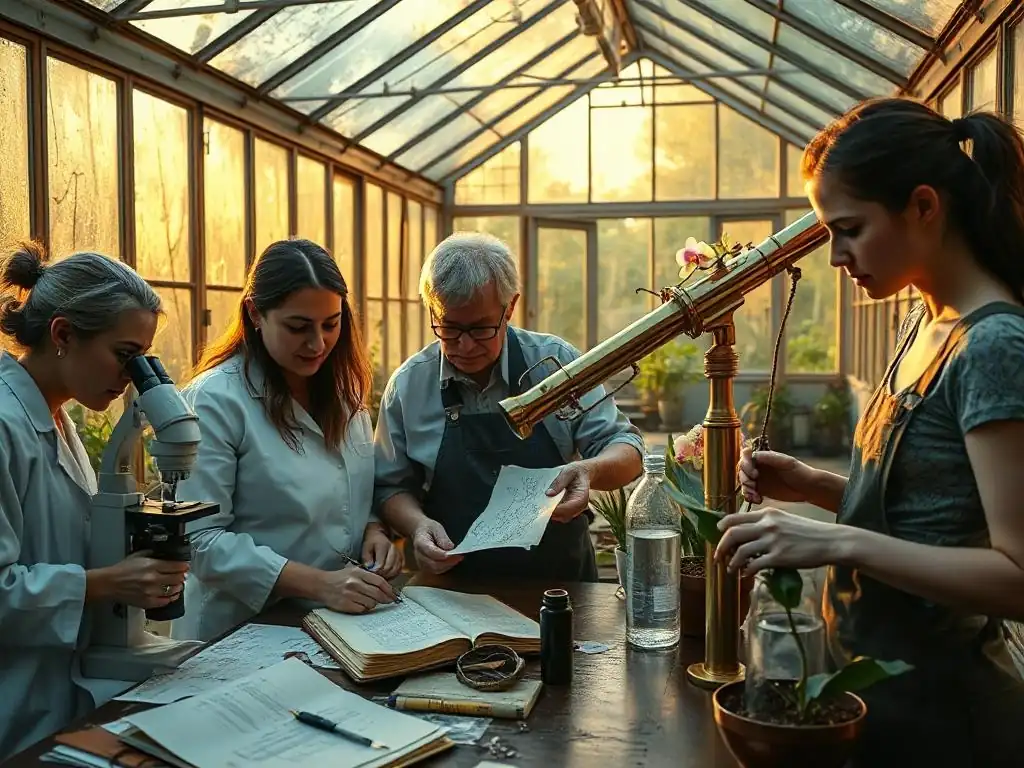
Dive into the captivating world where women in science triumphs defied expectations and shattered glass ceilings. Explore our carefully curated collection of biographies and resources, including our newest thematic syllabus, "Against the Odds," designed to illuminate the challenges and victories of these remarkable individuals. Ready to uncover the stories often left untold? Let's begin this journey of discovery together...
Introduction: Celebrating Women in Science Triumphs Through Education
This thematic syllabus offers educators a framework for exploring the profound and often overlooked contributions of women to science throughout history. By focusing on both the significant challenges faced and the remarkable women in science triumphs, this course aims to provide a comprehensive and inspiring narrative. It is crucial to illuminate these stories not only to acknowledge past injustices but also to inspire future generations by showcasing the extraordinary resilience, intellect, and persistence of female scientists.
Understanding the historical context in which women pursued scientific endeavors is vital. This syllabus encourages a deep dive into the societal, cultural, and institutional barriers that often sought to exclude women from scientific pursuits, while simultaneously celebrating their groundbreaking discoveries and the lasting impact of their work. Recognizing these women in science triumphs against formidable odds enriches our understanding of scientific progress itself.
- What is the main purpose of WomenInScienceHistory.com?
- What kind of content can I find on WomenInScienceHistory.com?
- What were some common challenges faced by women in science historically?
- How does WomenInScienceHistory.com aim to inspire future generations?
- What does the "Against the Odds" thematic syllabus focus on?
Building Your Syllabus: Core Themes & Objectives
Theme 1: Overcoming Gender Bias in Scientific Fields
Throughout history, women scientists have frequently encountered systemic gender bias, leading to their contributions being minimized, stolen, or entirely unacknowledged. A prominent example is the "Matilda Effect," where the work of female scientists is attributed to their male colleagues. Lise Meitner, a physicist who co-discovered nuclear fission, was notably excluded from the Nobel Prize in Chemistry awarded to Otto Hahn in 1944, despite her crucial theoretical understanding and experimental work. This pattern of oversight profoundly impacted careers and recognition for many brilliant minds.
Beyond attribution issues, women faced significant barriers to accessing education, research facilities, and professional networks. Until well into the 20th century, many universities either did not admit women or segregated them into separate, often less prestigious, programs. Even when admitted, women were frequently denied faculty positions or promotions. For instance, in 1970, women comprised less than 8% of full professors in U.S. universities across all disciplines, a figure that highlights the deeply entrenched institutional biases that made women in science triumphs all the more exceptional.
Theme 2: The Impact of Societal Expectations on Women's Scientific Contributions
Societal expectations regarding women's roles, primarily confined to domesticity and family life, severely limited their opportunities to pursue scientific careers. Historically, women were often discouraged from intellectual pursuits deemed "unfeminine" or overly demanding, with societal pressures emphasizing marriage and child-rearing as their primary responsibilities. This meant that many talented women, like Maria Sibylla Merian in the 17th century, had to pursue their scientific work, in her case entomology and botanical illustration, outside formal academic institutions and often as self-taught naturalists, relying on personal resources and unconventional methods.
Even for those who managed to engage in scientific work, the burden of domestic duties often fell solely on them, creating a double burden that male colleagues rarely faced. This reality constrained their time, resources, and freedom to travel for fieldwork or attend conferences. For example, Florence Bascom, the first woman to be hired by the U.S. Geological Survey in 1896, often had to contend with societal skepticism about her capabilities in a male-dominated field, requiring immense dedication to prove her expertise in geology and petrography, ultimately leading to significant women in science triumphs in her field.
Theme 3: Celebrating Women's Scientific Achievements Against All Odds
Despite overwhelming challenges, countless women achieved extraordinary scientific breakthroughs, fundamentally advancing human knowledge. Marie Curie's pioneering work on radioactivity not only earned her two Nobel Prizes – in Physics in 1903 and Chemistry in 1911 – but also shattered gender barriers in a fiercely patriarchal scientific establishment. Her relentless dedication led to the isolation of polonium and radium, transforming physics and medicine, and remains one of the most iconic women in science triumphs.
Another remarkable instance of women in science triumphs involves Rosalind Franklin, whose X-ray diffraction images were crucial to understanding the double helix structure of DNA. Though her vital contributions were not fully recognized during her lifetime, her meticulous experimental work provided the critical data that enabled Watson and Crick to formulate their groundbreaking model. These and numerous other examples demonstrate that women's intellectual prowess and scientific rigor were irrepressible, leading to discoveries that shaped entire fields and continue to resonate today.
Designing Engaging Activities & Assessments
Integrating Primary Source Material for Deeper Understanding
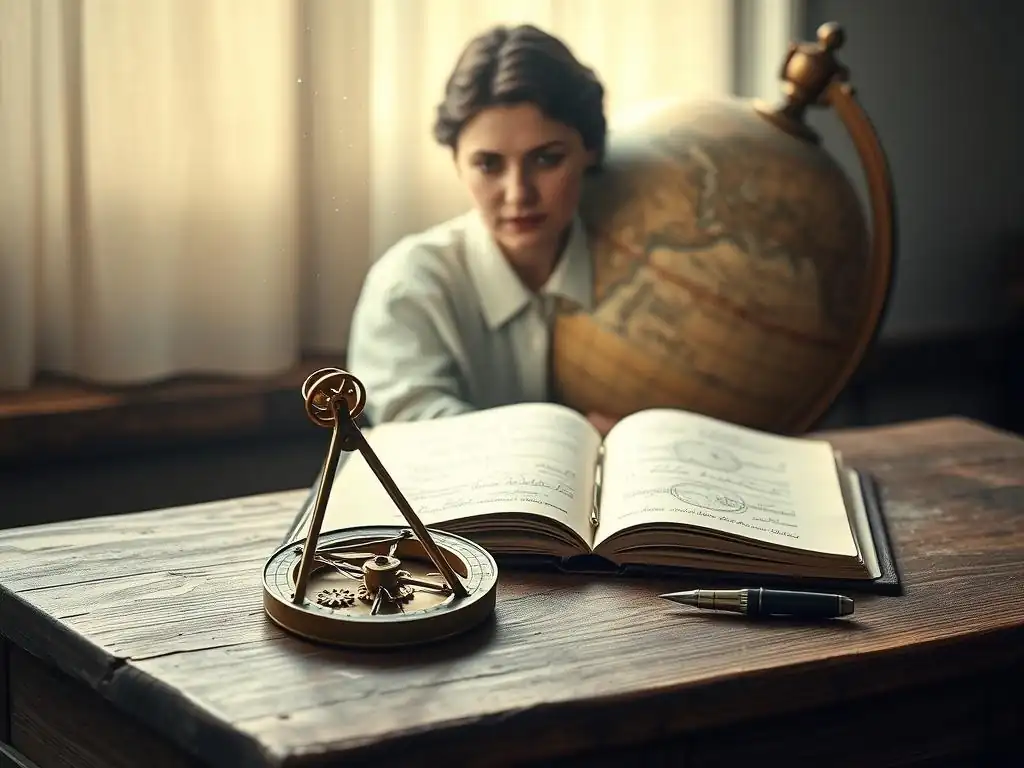
Incorporating primary source materials allows students to directly engage with the voices and experiences of women in science history. This can include analyzing personal letters, scientific notebooks, published papers, and institutional records. For instance, studying the correspondence of Henrietta Swan Leavitt, whose discovery of the period-luminosity relationship for Cepheid variables revolutionized astronomy, offers insights into her methodical work at the Harvard College Observatory and the context of "human computers" in early 20th-century astronomy.
These firsthand accounts provide invaluable context, revealing not only scientific methodologies but also the personal struggles, triumphs, and daily realities faced by these pioneers. By examining original documents, students can critically assess how scientific knowledge was produced, disseminated, and received, particularly when originating from women, fostering a deeper appreciation for their intellectual fortitude and the extraordinary nature of women in science triumphs.
Utilizing Documentary Films & Visual Media
Documentary films and other visual media offer powerful narratives that can bring the stories of women in science to life, providing visual context to historical periods and scientific processes. Films about figures like Jane Goodall, detailing her groundbreaking primatology research in Tanzania, vividly illustrate the challenges of fieldwork and the profound impact of her unconventional methodologies. Such media can humanize the scientific journey and make complex scientific concepts more accessible.
Curating a selection of relevant documentaries can also highlight collective efforts and specific historical moments, such as the contributions of the "human computers" at NASA, including Katherine Johnson, Dorothy Vaughan, and Mary Jackson. Their stories, depicted in films like "Hidden Figures," showcase their indispensable mathematical work in space exploration against the backdrop of both gender and racial discrimination, providing compelling examples of collective women in science triumphs.
Encouraging Critical Thinking Through Debates & Discussions
Structured debates and discussions are excellent tools for encouraging critical thinking and nuanced understanding of the complex issues surrounding women in science history. Topics can range from the ethical implications of scientific attribution, as seen in the case of Rosalind Franklin versus Watson and Crick, to the impact of institutional sexism on scientific careers. These discussions allow students to explore different perspectives on historical events and contemporary challenges.
Fostering an environment where students can articulate their interpretations, challenge assumptions, and engage in respectful disagreement deepens their comprehension of the social and political dimensions of science. Through such interactive learning, students develop a more profound appreciation for the resilience, strategic thinking, and sheer brilliance required for women in science triumphs against significant obstacles, prompting them to consider how these historical patterns continue to influence STEM fields today.
Recommended Resources for Educators
Books & Biographies
A robust reading list is fundamental for a comprehensive syllabus, featuring both historical overviews and detailed biographies of pioneering women scientists. Essential titles include "Hidden Figures: The American Dream and the Untold Story of the Black Women Mathematicians Who Helped Win the Space Race" by Margot Lee Shetterly, which illuminates the critical contributions of African American women to NASA's early space missions. Another vital resource is "The Immortal Life of Henrietta Lacks" by Rebecca Skloot, which explores the ethical complexities surrounding the use of Henrietta Lacks's cells in medical research, highlighting an unsung contributor to modern medicine.
Educators should also consider texts that provide broader historical context, such as "Women in Science: 50 Fearless Pioneers Who Changed the World" by Rachel Ignotofsky, which offers concise biographies across various disciplines and eras. Including works that span different scientific fields and historical periods ensures a diverse understanding of women in science triumphs, from astronomy and physics to biology and computer science, showcasing the breadth of their impact.
Online Databases & Archives
Leveraging online databases and digital archives provides unparalleled access to primary source materials and scholarly research. Resources like the National Library of Medicine's "Changing the Face of Medicine" exhibition offer digitized collections of documents, photographs, and biographies of women who have impacted medicine. Similarly, the Smithsonian Institution Archives provides extensive digital collections related to the history of science, including materials pertaining to female scientists who contributed to various fields.
These platforms are invaluable for students conducting research and for educators seeking authentic historical context. They allow for deep dives into specific scientific discoveries, personal correspondence, and the professional lives of women scientists. Such digital repositories are crucial for uncovering lesser-known narratives and documenting the diverse range of women in science triumphs that might otherwise remain hidden in physical archives.
Academic Journals
Staying current with scholarly research is essential for any educator. Academic journals focusing on the history of science, gender studies, and science education offer peer-reviewed articles that provide in-depth analyses, new historical findings, and critical perspectives. Journals such as Isis, published by the History of Science Society, and History of Science, are excellent sources for scholarly articles on the historical context of scientific discoveries and the role of individuals, including women.
Furthermore, journals like Journal of Women's History and Science & Education often feature articles that specifically address the challenges and contributions of women in STEM fields, offering contemporary interpretations and re-evaluations of historical figures. These journals are indispensable for enriching course content, ensuring accuracy, and providing educators with the latest scholarship on women in science triumphs and the ongoing efforts to achieve gender equity in science.
Conclusion: Empowering Future Generations of Women in Science
By engaging with a thematic syllabus focused on the challenges and women in science triumphs, students gain a more complete and inspiring understanding of scientific progress. This educational journey not only honors the legacy of remarkable female scientists who persevered against immense odds but also highlights the systemic issues that historically marginalized their contributions. Recognizing these historical patterns is crucial for fostering a more inclusive and equitable scientific landscape today.
Empowering future generations of women in science involves not just celebrating past achievements but also actively working to dismantle remaining barriers. By learning about the resilience and brilliance of women like Marie Curie, Rosalind Franklin, and Katherine Johnson, students are inspired to pursue their own scientific ambitions. This syllabus serves as a vital tool in shaping a future where scientific talent is recognized and nurtured irrespective of gender, ensuring that the women in science triumphs of tomorrow are even more widespread and celebrated.
Frequently Asked Questions
What is the main purpose of WomenInScienceHistory.com?
The site's primary goal is to celebrate the contributions of women in science throughout history and to inspire future generations by highlighting their stories. It features biographies and discussions of their work.
What kind of content can I find on WomenInScienceHistory.com?
You'll find biographies of pioneering female scientists, discussions of their groundbreaking work, and narratives about the challenges they faced in their careers. The site focuses on the often overlooked histories of women in science.
What were some common challenges faced by women in science historically?
Many women faced significant gender bias and discrimination in male-dominated fields. They often experienced a lack of recognition for their contributions and limited access to resources.
How does WomenInScienceHistory.com aim to inspire future generations?
By showcasing the triumphs of women in science, the site provides role models and demonstrates that women can excel in STEM. It aims to encourage young women to pursue careers in science.
What does the "Against the Odds" thematic syllabus focus on?
The syllabus explores the challenges and triumphs of women in science history. It aims to provide a structured approach to learning about their experiences and contributions.
Final Reflection: Celebrating Resilience and Scientific Innovation
The stories we've explored, the challenges overcome, and the groundbreaking discoveries made by women in science history resonate powerfully today. Their unwavering dedication in the face of adversity serves as a potent reminder that scientific progress thrives on inclusivity and diverse perspectives. These narratives are not just historical accounts; they are blueprints for building a more equitable and innovative future for all.
The impact of these women extends far beyond the laboratory. Their struggles and victories have profoundly shaped our understanding of what is possible, inspiring generations to challenge societal norms and pursue their passions, regardless of gender. The most effective way to do it, is to do it.
- Amelia Earhart. This sentiment, echoed in the lives of so many women in science, underscores the importance of action and perseverance in the pursuit of knowledge and equality.
Now, consider the lessons learned from these remarkable women. How can you, in your own life, champion inclusivity and support the next generation of female scientists? Let their triumphs fuel your own aspirations and inspire you to create a world where every voice is heard, and every mind has the opportunity to contribute to the advancement of science and humanity.
Ignite Your Curriculum: Champion Untold Stories!
Thank you for delving into the inspiring journeys of women in science. You've gained valuable insights into their struggles and triumphs – now it's time to bring these narratives to life!
Here are a few ways to get started:
- Incorporate one of the featured scientists into your existing syllabus, giving voice to her unique contribution.
- Share this article with a fellow educator to spark a broader conversation about inclusivity in STEM education.
- Visit WomenInScienceHistory.com and nominate a lesser-known female scientist for future thematic syllabus development.
What small, actionable step will you take today to rewrite the narrative of science history?