
Free & Fabulous: K12 Online Lesson Plans Bringing Women Scientists into Your Digital Classroom

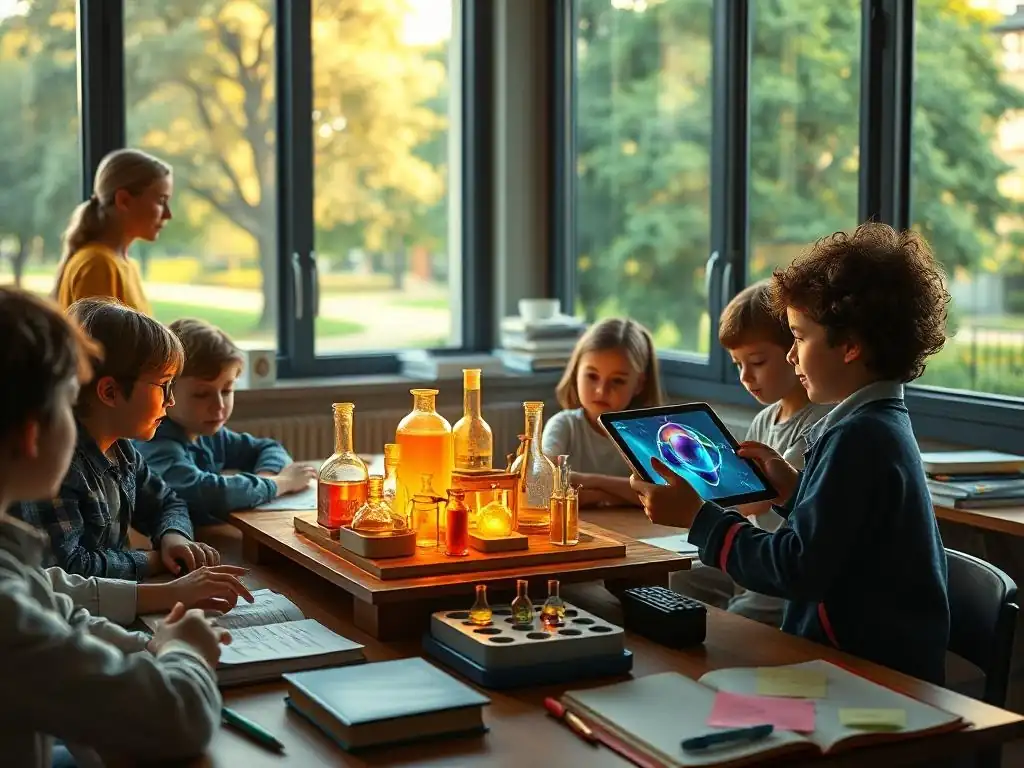
Welcome to WomenInScienceHistory.com, where we uncover the remarkable stories of women who shaped the scientific world! Did you know incorporating these incredible figures into your curriculum is easier than ever? This month, we're diving into free and fabulous women scientists online lesson plans designed to bring these vital narratives directly into your K12 digital classroom. Curious to learn how you can seamlessly integrate these resources and inspire the next generation of female scientists? Let's explore!
- Empowering STEM Education: Discovering Women Scientists Through Online Lesson Plans
-
Top Free Online Lesson Plans Featuring Inspiring Women Scientists for K12
- 1. PBS LearningMedia's "The Life and Discoveries of Marie Curie" - Exploring Marie Curie's Contributions to Physics and Chemistry
- 2. National Geographic Education's "Jane Goodall: A Life Dedicated to Chimpanzees" - Unveiling Jane Goodall's Breakthroughs in Primatology
- 3. Science Friday's "Rosalind Franklin and the Race to Discover DNA" - A Deep Dive into Rosalind Franklin's Work on DNA Structure
- 4. The Khan Academy Collection of Women in Science History Lesson Plans: A Curated Resource
- Beyond Lesson Plans: Expanding Your Exploration of Women in Science
- Making Women in Science History Accessible to Every Student: Free K12 Resources
-
Frequently Asked Questions
- What is the main focus of the "WomenInScienceHistory.com" website?
- Why is it important to include women scientists in online lesson plans?
- What kind of resources can I expect to find for "Women scientists online lesson plans" on the website?
- What are some common challenges faced by women in science, as highlighted on the site?
- How can "WomenInScienceHistory.com" inspire future generations of scientists?
- Final Reflection: Empowering the Future Through Representation
- Ignite Curiosity: Bring Women Scientists to Life in Your Classroom!
Empowering STEM Education: Discovering Women Scientists Through Online Lesson Plans
In today's rapidly evolving world, a robust STEM education is paramount for K12 students, equipping them with critical thinking, problem-solving, and innovation skills. However, a complete STEM narrative must extend beyond traditional curricula to include the groundbreaking contributions of women scientists throughout history. Integrating these inspiring stories not only enriches the learning experience but also provides vital role models, fostering a more inclusive and diverse understanding of scientific achievement.
The digital age offers an unprecedented opportunity to bring these narratives to life through accessible and engaging resources. Educators are increasingly seeking high-quality, free women scientists online lesson plans that can seamlessly integrate into their digital classrooms. These resources serve as powerful tools to illuminate the often-overlooked brilliance of female pioneers, showcasing their ingenuity, perseverance, and profound impact on various scientific fields, from physics to primatology.
Why Integrate Women Scientists into Your K12 STEM Curriculum?
Integrating the stories and achievements of women scientists into the K12 STEM curriculum is crucial for fostering a comprehensive and equitable understanding of science. Historically, the contributions of women in scientific fields have been marginalized or entirely omitted from textbooks, leading to a skewed perception of who can excel in STEM.
By actively including pioneering figures like Marie Curie, Jane Goodall, and Rosalind Franklin, educators can break down persistent gender stereotypes and demonstrate that scientific brilliance knows no gender boundaries. This exposure is vital for inspiring all students, particularly young girls, to envision themselves as future innovators and leaders in science, technology, engineering, and mathematics.
Furthermore, incorporating women scientists online lesson plans enriches the curriculum by providing diverse perspectives and real-world examples of scientific inquiry. Students learn not only about scientific principles but also about the human element of discovery—the challenges, the dedication, and the societal barriers that many female scientists overcame.
For instance, understanding how Lise Meitner's work on nuclear fission was initially overlooked due to her gender, despite its profound implications, adds a critical layer of historical and sociological awareness to physics education. This narrative approach makes STEM subjects more relatable and engaging, helping students connect theoretical knowledge with the personal journeys of those who shaped our scientific understanding.
The Search for Engaging & Free Women Scientists Lesson Plans
For many K12 educators, the challenge lies in finding high-quality, engaging, and free resources that effectively bring the stories of women scientists into the classroom. Developing comprehensive lesson plans from scratch can be time-consuming, and budgetary constraints often limit access to premium educational content.
This is where the power of online platforms truly shines, offering a wealth of readily available materials that can be adapted to various grade levels and learning environments. The demand for well-structured women scientists online lesson plans that are both informative and captivating is consistently high, as teachers strive to diversify their teaching methods and curriculum content.
The availability of free women scientists online lesson plans from reputable educational organizations is a game-changer for educators seeking to highlight female contributions without adding financial burden. These resources often come complete with multimedia elements, interactive activities, and alignment with educational standards, making them incredibly valuable. The following section curates some of the best free online lesson plans, each focusing on an inspiring woman scientist, designed to empower educators to easily integrate these crucial narratives into their K12 STEM curriculum and foster a more inclusive learning environment.
Top Free Online Lesson Plans Featuring Inspiring Women Scientists for K12
1. PBS LearningMedia's "The Life and Discoveries of Marie Curie" - Exploring Marie Curie's Contributions to Physics and Chemistry
The PBS LearningMedia "The Life and Discoveries of Marie Curie" lesson plan offers an exceptional opportunity to delve into the groundbreaking work of one of history's most renowned women scientists. Marie Curie, a Polish and naturalized French physicist and chemist, was a pioneer in radioactivity, the first woman to win a Nobel Prize, the first person and only woman to win the Nobel Prize twice, and the only person to win the Nobel Prize in two different scientific fields (Physics in 1903 and Chemistry in 1911).
This comprehensive resource takes students through her early life, her pivotal research on radioactive elements like polonium and radium, and the profound impact of her discoveries on medicine and nuclear physics.
This specific women scientists online lesson plan provides educators with a meticulously structured framework to teach complex scientific concepts through a compelling biographical lens. It not only covers the scientific principles of radioactivity and atomic structure but also explores the significant societal challenges Curie faced as a woman in a male-dominated scientific community at the turn of the 20th century.
By utilizing this free resource, teachers can engage students in discussions about scientific ethics, the nature of discovery, and the perseverance required to push the boundaries of human knowledge, all while highlighting the indelible legacy of an extraordinary female scientist.
Key Features of the PBS LearningMedia Lesson Plan:
- Includes engaging video segments that bring Marie Curie's story and scientific work to life.
- Provides primary source documents, such as excerpts from her journals and scientific papers, for historical context.
- Offers thought-provoking discussion prompts and activities designed to foster critical thinking about scientific discovery and societal impact.
- Comes with comprehensive teacher guides and student handouts, simplifying implementation in the classroom.
Grade Level Suitability: 6-12
This lesson plan is particularly well-suited for students in grades 6 through 12. Its adaptable content allows for differentiation, enabling middle schoolers to grasp fundamental concepts of radioactivity and scientific method, while high school students can delve deeper into the complexities of nuclear physics, chemical properties, and the historical context of scientific advancement. The narrative richness of Marie Curie's life ensures engagement across this broad age range.
Connecting to NGSS Standards: HS-PS1-1, HS-PS1-8, MS-PS1-1, MS-PS1-8
The lesson plan aligns strongly with several Next Generation Science Standards (NGSS). For high school, it connects to HS-PS1-1 (using the periodic table to predict properties of elements based on patterns of electrons) and HS-PS1-8 (developing models to illustrate the changes in the composition of the nucleus of the atom and the energy released during nuclear processes).
For middle school, it supports MS-PS1-1 (developing models to describe the atomic composition of simple molecules) and MS-PS1-8 (developing models to describe the atomic composition of simple molecules and extended structures), by providing a historical and practical context for understanding matter and its interactions.
Monetization Opportunity: Links to science lab equipment from Amazon to enhance hands-on learning.
Educators seeking to enhance the hands-on learning experience related to Marie Curie's work, particularly in chemistry and physics, might consider acquiring basic lab equipment. Resources like beakers, test tubes, or even simplified Geiger counters for educational use are available through online retailers. These practical tools can complement the theoretical knowledge gained from these women scientists online lesson plans, allowing students to conduct experiments that demonstrate principles of chemical reactions or even simulate radioactive decay with everyday objects.
2. National Geographic Education's "Jane Goodall: A Life Dedicated to Chimpanzees" - Unveiling Jane Goodall's Breakthroughs in Primatology
National Geographic Education's "Jane Goodall: A Life Dedicated to Chimpanzees" lesson plan offers an immersive journey into the world of one of the most celebrated women scientists in primatology. Jane Goodall's pioneering research, which began in 1960 in what is now Gombe Stream National Park in Tanzania, revolutionized our understanding of chimpanzee behavior, challenging long-held scientific beliefs by demonstrating that chimpanzees use tools, have complex social structures, and exhibit unique personalities. This free online resource brings her extraordinary story of perseverance, observation, and deep connection with the natural world directly into the classroom.
This comprehensive women scientists online lesson plan goes beyond simple biography, providing students with insights into the scientific method through Goodall's meticulous field observations and her groundbreaking discoveries. It highlights her ethical approach to animal research and her tireless advocacy for conservation, making it an invaluable tool for teaching biology, environmental science, and even ethics. By exploring Jane Goodall's life and work, educators can inspire students to appreciate biodiversity, understand the importance of long-term scientific study, and consider careers in conservation and wildlife research.
Key Features of the National Geographic Education Lesson Plan:
- Features captivating video clips from Jane Goodall's actual research in Gombe, providing authentic visual context.
- Includes interactive maps that allow students to explore the geographic setting of her studies.
- Offers engaging activities focused on observation, data collection, and analysis, mimicking Goodall's scientific approach.
- Provides discussion questions that encourage critical thinking about animal behavior, human impact, and conservation efforts.
Grade Level Suitability: 4-8
This lesson plan is ideally suited for students in grades 4 through 8. The engaging narrative of Jane Goodall's life and her direct interactions with chimpanzees resonate strongly with this age group. The concepts of animal behavior, habitat, and conservation are presented in an accessible manner, allowing younger students to grasp complex ecological ideas while older students can delve into the nuances of scientific methodology and ethical considerations in research.
Focus on Animal Behavior and Conservation:
The lesson plan deeply explores the intricacies of animal behavior, showcasing how Jane Goodall's long-term, empathetic observations revealed previously unknown aspects of chimpanzee social structures, communication, and intelligence. Simultaneously, it emphasizes her transition from pure research to global conservation advocacy, highlighting the critical importance of protecting endangered species and their habitats. Students learn about the direct link between scientific understanding and real-world environmental action, making it a compelling piece of the women scientists online lesson plans collection for environmental studies.
Monetization Opportunity: Promotion of National Geographic Education's online STEM resources.
For educators who find the Jane Goodall lesson plan particularly valuable, exploring the broader array of online STEM resources offered by National Geographic Education can provide further enrichment. Their extensive collection of women scientists online lesson plans and educational materials often includes comprehensive units on wildlife, ecosystems, and environmental science, offering more in-depth learning opportunities. Promoting these additional free resources encourages continued exploration of scientific topics and conservation efforts.
3. Science Friday's "Rosalind Franklin and the Race to Discover DNA" - A Deep Dive into Rosalind Franklin's Work on DNA Structure
Science Friday's "Rosalind Franklin and the Race to Discover DNA" lesson plan offers a crucial look at one of the most significant, yet often overlooked, contributions by a woman scientist to modern biology. Rosalind Franklin, a brilliant X-ray crystallographer, produced the critical X-ray diffraction images of DNA, particularly "Photo 51," which were instrumental in determining the double helix structure of DNA. This free online resource delves into her meticulous scientific work, the competitive environment of 1950s molecular biology, and the complex narrative surrounding the discovery that earned Watson and Crick the Nobel Prize.
This women scientists online lesson plan provides an essential platform for discussing the scientific process, the interpretation of experimental data, and the ethical considerations in scientific collaboration and recognition. It encourages students to examine the historical context, the challenges Franklin faced as a female scientist in her era, and the importance of acknowledging the contributions of all individuals involved in major scientific breakthroughs. By engaging with this lesson, students gain a deeper appreciation for the foundational work that underpins genetic understanding and learn about the often-unseen figures behind monumental discoveries.
Key Features of the Science Friday Lesson Plan:
- Focuses on the principles of X-ray crystallography and its application in determining molecular structures.
- Facilitates a discussion on scientific ethics, intellectual property, and the dynamics of scientific competition.
- Incorporates multimedia resources, including historical footage and interviews, to provide context.
- Includes activities that challenge students to analyze data, similar to how Franklin interpreted her X-ray images.
Grade Level Suitability: 9-12
This lesson plan is highly suitable for high school students in grades 9 through 12. The content delves into complex concepts of molecular biology, X-ray diffraction, and the intricate history of DNA discovery, which are appropriate for this age group. Furthermore, the ethical dilemmas and historical nuances surrounding Rosalind Franklin's story provide rich material for advanced discussions on scientific integrity and gender bias within the scientific community.
Interactive Elements and Activities:
The lesson plan is designed with several interactive elements to engage students. These include opportunities to analyze simplified versions of X-ray diffraction patterns, allowing students to "discover" patterns similar to Franklin's. There are also structured debate prompts encouraging students to consider different perspectives on the DNA discovery, and activities that involve creating timelines or role-playing key historical moments, making it a dynamic part of women scientists online lesson plans.
Monetization Opportunity: Suggesting age-appropriate biographies of Rosalind Franklin from Barnes & Noble.
To complement the Science Friday lesson on Rosalind Franklin, educators might consider recommending age-appropriate biographies for their students. These books, often available through retailers like Barnes & Noble, provide richer biographical detail and contextual understanding, deepening the impact of the women scientists online lesson plans by offering a more personal narrative of scientific pursuit and the challenges she overcame in her career.
4. The Khan Academy Collection of Women in Science History Lesson Plans: A Curated Resource
Khan Academy stands as a monumental free educational platform, and its curated collection of women scientists online lesson plans is an invaluable resource for K12 educators. While not a single, unified lesson plan, Khan Academy offers a vast array of modules, videos, and practice exercises that highlight the contributions of numerous female pioneers across various scientific disciplines. From mathematics and physics to biology and computer science, the platform provides accessible, self-paced learning content that can be seamlessly integrated into existing curricula or used for supplementary study.
The breadth and depth of Khan Academy's content make it an exceptional tool for showcasing the diversity of female scientific achievement. Educators can find segments on figures like Ada Lovelace, often credited with the first algorithm, or Hypatia of Alexandria, an early mathematician and astronomer, alongside more contemporary women scientists. This comprehensive approach ensures that students are exposed to a wide spectrum of scientific fields and historical periods, understanding that women have always been, and continue to be, at the forefront of scientific innovation, making it a cornerstone for free women scientists online lesson plans.
Key Features of the Khan Academy Lesson Plans:
- Offers a diverse range of video lectures, often animated, explaining complex scientific concepts and historical contexts.
- Includes interactive practice exercises and quizzes to reinforce learning and assess comprehension.
- Designed for self-paced learning, allowing students to progress at their own speed and revisit challenging topics.
- Covers a wide array of scientific fields, ensuring broad exposure to female contributions across STEM.
Grade Level Suitability: K-12
Khan Academy's content is remarkably adaptable and suitable for the entire K-12 spectrum. Younger students can benefit from introductory videos and basic concepts related to notable women scientists and their fields, while older students can engage with more advanced topics, complex historical analyses, and challenging practice problems. The platform's modular design allows educators to select specific lessons that align with their curriculum and student needs, making it a versatile tool for women scientists online lesson plans.
Covers a Wide Range of Scientific Disciplines:
The collection spans an impressive array of scientific disciplines. Students can explore the astronomical discoveries of Caroline Herschel, the genetic research of Barbara McClintock, the environmental advocacy of Rachel Carson, or the groundbreaking computer programming of Grace Hopper. This wide coverage ensures that no matter the STEM subject being taught, there are resources available to highlight the significant roles women have played in its development, enriching the existing pool of women scientists online lesson plans.
Monetization Opportunity: Promote Khan Academy's free resources related to STEM.
While Khan Academy primarily offers free resources, educators can further promote the platform's vast array of free STEM content to their students, parents, and school communities. Encouraging students and schools to fully utilize Khan Academy's comprehensive women scientists online lesson plans and other educational tools supports their mission of providing world-class education for anyone, anywhere, reinforcing the value of accessible learning and the importance of diverse scientific representation.
Beyond Lesson Plans: Expanding Your Exploration of Women in Science
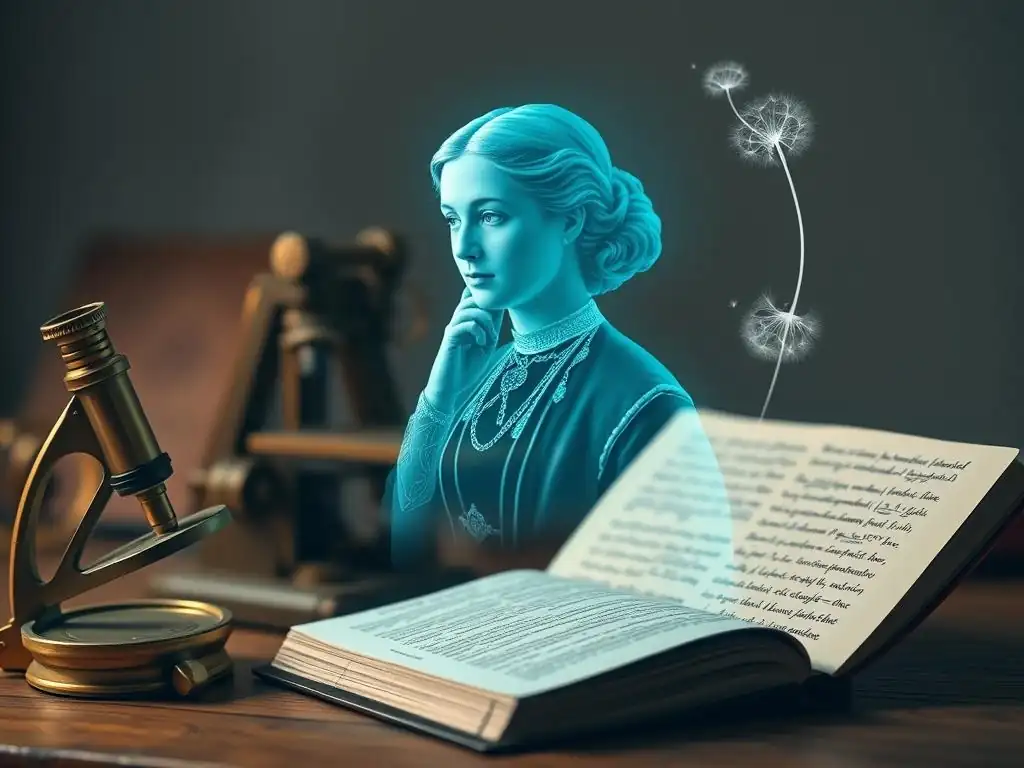
Integrating Biographies and Stories of Female Scientists into the Classroom
While structured lesson plans offer a fantastic starting point, truly integrating the impact of women scientists into the K12 curriculum extends to weaving their biographies and personal stories throughout various subjects. Storytelling is a powerful pedagogical tool that makes abstract scientific concepts relatable and inspiring. By sharing the narratives of female pioneers—their childhood curiosities, the obstacles they overcame, and their moments of breakthrough—educators can foster a deeper connection between students and the scientific journey. This approach not only humanizes science but also highlights the resilience and determination required to pursue groundbreaking research in often unsupportive environments.
Practical ways to integrate these stories include dedicating short segments of class time to "Scientist Spotlights," reading age-appropriate biographical excerpts aloud, or initiating classroom discussions around the challenges and triumphs faced by these women. Encouraging students to research a woman scientist who resonates with them and present their findings can also be highly effective. These informal yet impactful integrations complement formal women scientists online lesson plans by creating a continuous narrative of female contribution, allowing students to see themselves reflected in the history of innovation and realize that science is a field open to everyone.
Engaging Students with Interactive Activities Featuring Women in STEM
Moving beyond passive learning, engaging students with interactive activities centered on women scientists can significantly enhance their understanding and appreciation of STEM fields. Hands-on experiences transform abstract concepts into tangible learning opportunities, allowing students to actively participate in the scientific process. These activities can range from simple demonstrations inspired by a scientist's work to complex problem-solving challenges that mirror historical scientific dilemmas. The goal is to make the contributions of female scientists feel immediate and relevant, fostering a sense of curiosity and encouraging students to think like innovators.
Specific examples of interactive activities include having students replicate a simplified version of a famous experiment (e.g., designing an experiment to test properties of light, inspired by Dr. Shirley Ann Jackson's work in theoretical physics), creating a "Hall of Fame" for women scientists with student-designed informational posters, or even conducting mock press conferences where students role-play as pioneering female researchers explaining their discoveries. These activities, whether used as standalone projects or as extensions of women scientists online lesson plans, encourage collaboration, critical thinking, and creativity, making the learning experience memorable and impactful.
Resources for Teachers: Further Support in Teaching Women in Science
Educators are the linchpin in bringing the stories of women scientists to life in the classroom, and ongoing support is essential for their success. Access to comprehensive resources—beyond just individual lesson plans—can empower teachers to confidently integrate these narratives and address potential student questions. This includes professional development opportunities, curated bibliographies of books and articles, and access to online communities where educators can share best practices and innovative teaching strategies. Such support systems help teachers stay informed about new findings, refine their pedagogical approaches, and build a robust network of like-minded professionals dedicated to inclusive STEM education.
Valuable resources for teachers might include memberships in professional organizations like the National Science Teaching Association (NSTA), which often provides webinars and publications focused on diversity in STEM. Educational blogs and websites frequently publish articles on integrating women scientists into curricula, offering practical tips and free materials. Additionally, university outreach programs or local science museums sometimes offer workshops or online modules specifically designed to equip educators with the knowledge and tools needed to effectively teach about female contributions to science, thereby strengthening the impact of women scientists online lesson plans and broader STEM initiatives.
Making Women in Science History Accessible to Every Student: Free K12 Resources
The Importance of Representation in STEM Education
The power of representation in STEM education cannot be overstated. When students, particularly girls and underrepresented minorities, see successful women scientists who look like them, come from similar backgrounds, or share similar passions, it sends a powerful message: "You belong here." This visibility helps dismantle long-standing stereotypes that STEM fields are exclusively for certain demographics, fostering a sense of belonging and increasing self-efficacy. Research consistently shows that positive role models significantly influence career aspirations, and showcasing diverse female scientists can inspire a new generation to pursue careers in fields where women have historically been underrepresented.
Free women scientists online lesson plans play a crucial role in democratizing access to this vital representation. Regardless of a school's budget or location, these readily available resources ensure that every student has the opportunity to learn about the groundbreaking achievements of female pioneers. By making these inspiring narratives accessible, educators can actively work towards closing the gender gap in STEM, encouraging a broader range of talent to enter scientific fields, and ultimately contributing to a more innovative and equitable future.
Inspiring the Next Generation of Female Scientists
The ultimate goal of highlighting historical women scientists is to inspire the next generation of innovators, researchers, and problem-solvers. By immersing students in the compelling narratives of perseverance, intellectual curiosity, and groundbreaking discoveries, educators are not just teaching history; they are actively shaping the future. Learning about the challenges overcome by figures like Katherine Johnson, whose calculations were critical to NASA's space missions, or Dr. Mae Jemison, the first African American woman in space, provides tangible proof that determination and intellect can overcome significant barriers.
Through the strategic use of free women scientists online lesson plans and complementary resources, educators can ignite a passion for STEM in their students. These resources serve as catalysts, encouraging students to ask questions, explore possibilities, and consider careers in science, technology, engineering, and mathematics. By consistently showcasing the achievements of female scientists, we equip all students, especially young girls, with the confidence and vision to pursue their scientific curiosities, ensuring that the legacy of innovation continues to thrive with diverse and brilliant minds at its forefront.
Frequently Asked Questions
What is the main focus of the "WomenInScienceHistory.com" website?
The website primarily focuses on celebrating the contributions of women to science throughout history by highlighting their biographies and groundbreaking work, and acknowledging the challenges they faced.
Why is it important to include women scientists in online lesson plans?
Including women scientists offers students diverse role models, combats historical biases, and demonstrates that science is a field for everyone regardless of gender.
What kind of resources can I expect to find for "Women scientists online lesson plans" on the website?
The website offers free K12 online lesson plans featuring biographies and discussions of pioneering female scientists, designed to integrate into your digital classroom.
What are some common challenges faced by women in science, as highlighted on the site?
The website addresses challenges such as gender bias, lack of recognition, and limited opportunities in male-dominated scientific fields throughout history.
How can "WomenInScienceHistory.com" inspire future generations of scientists?
By showcasing the stories of female pioneers, the website aims to inspire future generations and shed light on the often overlooked narratives of women in science, encouraging more girls and women to pursue STEM careers.
Final Reflection: Empowering the Future Through Representation
The journey through these women scientists online lesson plans reveals more than just curriculum; it unveils a powerful tool for shaping future generations. By actively integrating these resources into K-12 education, we are not simply teaching science, but also dismantling systemic barriers and fostering a more inclusive and equitable learning environment for all students.
The impact of seeing oneself reflected in the figures of authority and innovation cannot be overstated. This representation is crucial for inspiring young girls to pursue STEM fields and for broadening the perspectives of all students, regardless of gender. You can't be what you can't see.
This quote, often attributed to Marian Wright Edelman, underscores the profound importance of visibility and representation in shaping aspirations and breaking down limiting stereotypes.
Now, consider the power you hold as educators, parents, and community members. Let us embrace these free and fabulous online lesson plans, not just as resources, but as catalysts for change. By actively promoting and utilizing them, you contribute to a future where the brilliance and contributions of women scientists are celebrated, understood, and inspire countless young minds to reach for the stars.
Ignite Curiosity: Bring Women Scientists to Life in Your Classroom!
Thank you for exploring the untold stories of women in science and discovering the wealth of free lesson plans available. Now, let's empower the next generation of innovators!
Here's how you can take action:
- Integrate at least one lesson plan into your upcoming curriculum. Imagine sparking a student's passion with the real-life journey of a groundbreaking woman scientist!
- Share your favorite lesson plan or a success story from your classroom on social media using #WomenInScienceHistory. Let's build a community!
- Challenge your students to create their own digital content highlighting a woman scientist not featured on WomenInScienceHistory.com. Unleash their creativity!
What impact will these stories have on your students' perspectives of science and their own potential?