
Beyond the Code: Women Advocating for an Ethical and Inclusive Internet

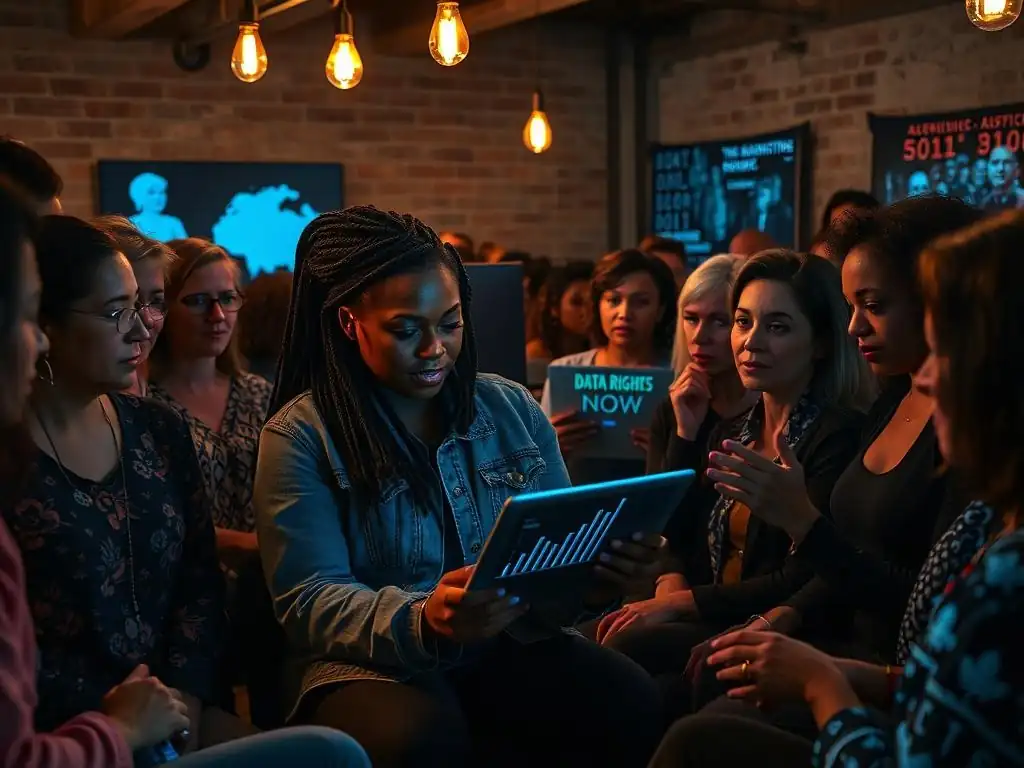
Welcome to WomenInScienceHistory.com!
Delve into the untold stories of remarkable women who shaped the scientific landscape. Today, we're exploring a critical intersection of technology and ethics. Are you ready to discover how women’s ethical internet advocacy is shaping a more inclusive digital future? Uncover the inspiring journeys of female pioneers in Computer Science who are championing a responsible and equitable online world, and learn why their voices are more important than ever. What challenges did they face, and what impact are they making? Read on to find out!
- Introduction: The Crucial Role of Women in Shaping the Internet's Future
- Historical Context: Women Pioneers in Internet Development
- The Rise of Ethical Internet Advocacy: A Need for Inclusivity
- Key Areas of Women’s Ethical Internet Advocacy
- Prominent Figures in Women’s Ethical Internet Advocacy
- Organizations and Initiatives Supporting Women's Ethical Tech Leadership
- The Impact of Women’s Ethical Internet Advocacy
- The Future of Women in Ethical Internet Advocacy
- Conclusion: Empowering Women to Build a Better Internet
-
Frequently Asked Questions
- What is "ethical internet advocacy" in the context of women's contributions?
- Why is it important to highlight the role of women in ethical internet advocacy?
- What are some common challenges women face in advocating for an ethical and inclusive internet?
- How does "Beyond the Code" contribute to the discussion of women's ethical internet advocacy?
- How can I support women's ethical internet advocacy?
- Final Reflection: Weaving Ethics into the Digital Tapestry
- Amplify Her Voice: Join the Movement for a Better Internet!
Introduction: The Crucial Role of Women in Shaping the Internet's Future
Highlighting the Importance of Women's Ethical Voices in Tech
The internet, once envisioned as a utopian space for connection and information, has evolved into a complex ecosystem fraught with ethical dilemmas, from privacy breaches to algorithmic biases. As digital technologies permeate every aspect of modern life, the imperative to design and govern them responsibly has become paramount. Addressing these challenges requires not just technical prowess but also a deep understanding of human behavior, societal structures, and potential harms, making diverse perspectives, especially those of women, critically important.
Women, often disproportionately affected by online harms such as harassment and misinformation, bring unique insights and lived experiences to the table. Their advocacy moves beyond mere technical fixes, pushing for systemic changes that prioritize human rights, fairness, and safety in digital spaces. This proactive engagement, often termed women’s ethical internet advocacy, is essential for building an internet that truly serves all of humanity, ensuring that technology fosters equity rather than exacerbating existing inequalities.
Historical Context: Women Pioneers in Internet Development
Early Contributions of Women to Computer Science and the Web
The foundations of computing and, by extension, the internet, were significantly shaped by pioneering women whose contributions often went unrecognized. Ada Lovelace, in the mid-19th century, is widely credited with foreseeing the potential of computing machines beyond mere calculation, laying theoretical groundwork for software. Decades later, during World War II, women like the ENIAC programmers (Betty Holberton, Jean Bartik, Kathleen Antonelli, Marlyn Meltzer, Frances Spence, and Ruth Teitelbaum) performed the complex calculations that brought the first electronic digital computer to life.
Further pivotal advancements in the mid-20th century saw women like Grace Hopper, who developed the first compiler and co-invented COBOL, revolutionizing how humans interacted with computers. In the nascent stages of the internet, Elizabeth "Jake" Feinler managed the Network Information Center (NIC) for the ARPANET, assigning names and addresses that were crucial for the network's function.
Radia Perlman, often called the "Mother of the Internet," invented the Spanning Tree Protocol (STP), a fundamental technology that enables the internet to function reliably by preventing network loops. These women laid the technical bedrock, demonstrating that female ingenuity was integral to the very architecture of our connected world.
Overcoming Barriers: Challenges Faced by Women in the Tech Industry
Despite their foundational contributions, women in technology have historically faced, and continue to confront, significant barriers within male-dominated industries. These challenges include pervasive gender bias, lack of recognition, limited access to leadership roles, and cultures that often foster exclusion rather than inclusion. For instance, the percentage of women earning bachelor's degrees in computer science in the U.S. peaked at 37% in 1984 but then sharply declined to just 18% by 2014, reflecting a broader pattern of attrition and underrepresentation in the field.
These systemic barriers have profound implications for the ethical development of technology. When the teams designing algorithms, platforms, and digital services lack diverse perspectives, the resulting products can inadvertently perpetuate or amplify existing societal biases.
For example, early facial recognition systems often exhibited significantly higher error rates for women and people with darker skin tones, a direct consequence of biased training data and homogeneous development teams. This historical context underscores why women’s ethical internet advocacy is not merely about fairness in the workplace, but about ensuring that the very fabric of our digital world is built with equity at its core.
The Rise of Ethical Internet Advocacy: A Need for Inclusivity
Defining "Ethical Internet": Privacy, Security, and Accessibility
An "ethical internet" is fundamentally built on principles that prioritize human well-being, rights, and societal benefit over unchecked technological advancement or profit maximization. Key pillars of this concept include robust user privacy, which grants individuals control over their personal data and how it is collected, used, and shared. This extends to transparency in data practices and the right to informed consent, ensuring users understand the implications of their digital interactions.
Alongside privacy, stringent security measures are paramount to protect users from cyber threats, fraud, and malicious attacks, fostering a safe and trustworthy online environment. Equally crucial is accessibility, ensuring that the internet is usable and beneficial for all individuals, regardless of their physical or cognitive abilities, socio-economic status, or geographic location. This includes designing for diverse needs, bridging digital divides, and advocating for universal access to digital literacy, recognizing that an ethical internet must be an inclusive one.
Why Women's Perspectives are Essential for Ethical Internet Design
Women's perspectives are not merely valuable but indispensable for truly ethical internet design due to their unique experiences with digital spaces. A 2020 UN Broadband Commission report found that approximately 1 in 3 women under 35 globally reported experiencing online harassment, significantly higher than men. This disproportionate exposure to online abuse, cyberstalking, and gendered disinformation means women often possess a keener awareness of the urgent need for robust safety features, effective content moderation, and proactive measures to prevent online harms.
Furthermore, women have been at the forefront of identifying and challenging algorithmic biases that often reflect and amplify societal inequalities. For instance, studies have shown AI systems exhibiting gender bias in hiring recommendations or loan approvals, often learning from historical data that contains inherent discrimination. Women’s ethical internet advocacy actively champions the auditing of these systems, advocating for diverse data sets, transparent algorithms, and development teams that reflect the diversity of the user base, ensuring that technology serves all users fairly and equitably.
Key Areas of Women’s Ethical Internet Advocacy
Promoting Online Safety and Combating Cyber Harassment
Online safety remains a critical battleground for women’s ethical internet advocacy, as women disproportionately bear the brunt of cyber harassment and abuse. According to a 2021 Pew Research Center study, 41% of U.S. women have experienced some form of online harassment, with 25% reporting sexual harassment, including unwanted explicit images or stalking. This pervasive threat not only creates hostile digital environments but also leads to self-censorship, forcing women to withdraw from online discourse and limiting their participation in public life.
In response, women are actively pushing for stronger platform accountability, advocating for more transparent and effective content moderation policies, and demanding better tools for reporting and blocking abusive behavior. Their efforts extend to promoting digital literacy and empowering users with strategies for online self-defense. This advocacy often shifts the focus from merely reacting to abuse to proactively designing safer online spaces, recognizing that fundamental safety is a prerequisite for genuine digital inclusion.
Initiatives Led by Women to Protect Users Online
- Advocating for comprehensive privacy laws that include provisions for user safety and accountability for platforms.
- Developing and promoting educational resources and programs for digital self-defense and media literacy.
- Pushing for greater transparency in social media content moderation policies and their consistent enforcement.
- Creating and supporting victim-centric support networks and legal aid for those affected by online abuse.
Championing Digital Inclusion and Accessibility for All
Digital inclusion, ensuring equitable access to and meaningful use of the internet for everyone, is another cornerstone of women’s ethical internet advocacy. Despite rapid global expansion, nearly 3 billion people remain offline, with women in developing countries significantly overrepresented among the digitally excluded, according to data from the International Telecommunication Union (ITU). This digital divide perpetuates existing socio-economic inequalities, limiting access to education, economic opportunities, and vital information.
Women advocates are working tirelessly to bridge this gap by championing policies that promote affordable internet access, especially in underserved rural and low-income communities. They also lead initiatives focused on digital literacy training, empowering women and girls with the skills needed to navigate and benefit from the internet safely and effectively. Furthermore, their advocacy emphasizes inclusive design principles, ensuring that websites and applications adhere to accessibility standards, making them usable for individuals with diverse abilities and needs.
Bridging the Digital Divide: Women's Efforts in Underserved Communities
- Spearheading community-led projects to provide affordable internet infrastructure and public access points.
- Developing culturally relevant digital literacy and skills training programs tailored for women and marginalized groups.
- Advocating for government policies and funding to support universal broadband access and digital equity initiatives.
- Creating and promoting accessible digital tools and platforms that cater to a wide range of user abilities and languages.
Advocating for Data Privacy and User Rights
The increasing proliferation of data collection, surveillance, and the commodification of personal information has raised profound ethical concerns. Women’s ethical internet advocacy in this domain focuses on empowering individuals with greater control over their digital footprint and challenging the pervasive "surveillance capitalism" model. They highlight how unchecked data practices can lead to targeted discrimination, predatory advertising, and even political manipulation, disproportionately affecting vulnerable populations.
Advocates push for stronger data protection regulations, clear consent mechanisms, and the right to data portability and deletion. Their work often involves deconstructing the complex terms and conditions of online services, making privacy implications understandable for the average user. By demanding transparency and accountability from tech companies regarding their data practices, women leaders are instrumental in shifting the focus from profit-driven data extraction to a rights-based approach that prioritizes individual autonomy and dignity online.
Women Leading the Fight for Data Protection and Transparency
- Contributing expertise to the development and implementation of robust data privacy regulations globally, such as GDPR and CCPA.
- Educating the public through workshops, campaigns, and accessible materials about their digital rights and the risks of data exploitation.
- Developing and promoting privacy-enhancing technologies that give users more control over their personal information.
- Challenging corporate data collection practices through legal action, public pressure, and policy recommendations.
Combating Algorithmic Bias and Ensuring Fairness
Algorithmic bias, where automated systems produce systematically unfair or discriminatory outcomes, is a critical concern that women’s ethical internet advocacy actively addresses. This bias often stems from historical human biases embedded in the data used to train artificial intelligence (AI) systems or from the design choices of developers. For example, research from MIT and Stanford found that commercial facial recognition systems misidentified darker-skinned women up to 35% of the time, while errors for lighter-skinned men were less than 1%. Similarly, hiring algorithms have been shown to penalize female-coded language or favor male candidates based on historical hiring patterns.
Women leaders in this space are at the forefront of identifying, analyzing, and mitigating these biases. They advocate for greater transparency in algorithmic decision-making, demanding that companies disclose how their AI systems are built and tested. Their work emphasizes the importance of diverse datasets, rigorous auditing of AI outputs for fairness, and the development of accountability frameworks for AI deployment. This advocacy is crucial for ensuring that advanced technologies do not perpetuate or amplify existing societal inequalities but instead contribute to a more equitable future.
Addressing Gender Bias in AI and Machine Learning
- Conducting groundbreaking research to expose and quantify algorithmic biases in various AI applications, from hiring to healthcare.
- Advocating for the use of diverse and representative datasets in AI training to reduce discriminatory outcomes.
- Developing methodologies and tools for auditing AI systems to ensure fairness, transparency, and accountability.
- Pushing for ethical guidelines and regulations for AI development and deployment that prioritize human rights and equity.
Prominent Figures in Women’s Ethical Internet Advocacy

Shoshana Zuboff: A Profile in Ethical Tech Leadership
Shoshana Zuboff, a renowned scholar and Professor Emerita at Harvard Business School, has emerged as a towering figure in women’s ethical internet advocacy through her groundbreaking work on "surveillance capitalism." Her seminal 2019 book, "The Age of Surveillance Capitalism: The Fight for a Human Future at the New Frontier of Power," meticulously defines and critiques the economic system where personal data is secretly extracted and commodified for profit. She argues that this system represents a fundamental threat to individual autonomy, privacy, and democratic processes, transforming human experience into behavioral data for prediction and control.
Zuboff's profound insights have provided a crucial conceptual framework for understanding the ethical dilemmas inherent in the digital age. She advocates forcefully for legal and regulatory interventions to rein in the unchecked power of tech giants and to reclaim digital rights for individuals. Her work has galvanized public discourse and academic research around data ethics, making her an indispensable voice in the global movement to challenge pervasive digital surveillance and ensure technology serves humanity.
Safiya Noble: Championing Digital Rights and Inclusion
Safiya Umoja Noble, a distinguished professor at UCLA and co-founder of the UCLA Center for Critical Internet Inquiry, is a leading voice in women’s ethical internet advocacy focused on digital rights and inclusion. Her influential 2018 book, "Algorithms of Oppression: How Search Engines Reinforce Racism," meticulously exposes how seemingly neutral algorithms can perpetuate and amplify societal biases, particularly against marginalized groups. Noble's research demonstrated, for example, how early Google search results for terms like "black girls" often produced racist and pornographic content, highlighting a systemic failure to address inherent biases in information systems.
Noble's work has been instrumental in raising awareness about the urgent need for critical examination of the power structures embedded within technology. She advocates passionately for algorithmic accountability, digital literacy, and the development of technologies that genuinely serve the public good, rather than reinforcing harmful stereotypes or perpetuating discrimination. Her contributions have significantly shaped the conversation around equitable information access and the ethical responsibilities of tech platforms.
Renée DiResta: Leading the Charge Against Online Disinformation
Renée DiResta, Research Manager at the Stanford Internet Observatory, stands out as a pivotal figure in women’s ethical internet advocacy dedicated to combating online disinformation and propaganda. Her extensive research focuses on understanding the mechanisms by which malign narratives spread across social media platforms and how these platforms are exploited to manipulate public opinion and undermine democratic processes. DiResta’s work has provided critical insights into foreign interference in elections, vaccine misinformation, and other forms of coordinated online manipulation.
DiResta advocates for greater transparency from social media companies regarding their content moderation practices and the origins of viral content. She emphasizes the importance of public education to foster critical thinking skills necessary to discern credible information from disinformation. Her expertise has been sought by governments, policymakers, and tech companies alike, making her a vital voice in the global effort to safeguard the integrity of online information and promote a more truthful and resilient digital public sphere.
Organizations and Initiatives Supporting Women's Ethical Tech Leadership
Highlighting Key Organizations Focused on Women and Ethical Technology
Numerous organizations play a crucial role in amplifying women’s ethical internet advocacy and fostering female leadership in responsible technology. These groups provide vital platforms for collaboration, resource sharing, and collective action, driving policy changes and raising public awareness. For instance, the Algorithmic Justice League (AJL), founded by Joy Buolamwini, is a prominent organization dedicated to challenging algorithmic bias and promoting equitable and accountable AI. Their research has exposed significant flaws in facial recognition systems, sparking global conversations and leading to policy changes.
Another significant entity is the Women in AI Ethics (WAIE) network, which has grown into a global community of over 7,000 women professionals across 100 countries. WAIE focuses on increasing the representation of women in the AI ethics field and providing resources, mentorship, and opportunities for collaboration. Similarly, global digital rights conferences like RightsCon consistently feature panels and workshops led by women on critical issues such as data privacy, online safety, and algorithmic accountability, showcasing the breadth and depth of female leadership in this space.
Case Studies: Successful Initiatives Led by Women in Tech
The impact of women’s ethical internet advocacy is evident in numerous successful initiatives that have led to tangible improvements in the digital landscape. One notable example is the sustained pressure from women-led advocacy groups that pushed major social media platforms to adopt stricter policies against non-consensual intimate imagery, often referred to as "revenge porn." Organizations like the Cyber Civil Rights Initiative, co-founded by Holly Jacobs, played a crucial role in advocating for legal recognition of this harm and for platforms to implement robust reporting mechanisms and content removal processes.
Another powerful case involves the advocacy for greater transparency and accountability in AI development, significantly advanced by the work of researchers like Timnit Gebru and her collaborators. Their research into the ethical implications of large language models and the pervasive issues of bias in AI systems has led to a greater industry awareness and a push for more responsible AI practices. These initiatives demonstrate that women’s persistent efforts to identify and address digital harms can lead to significant policy shifts and foster more ethical technology development.
The Impact of Women’s Ethical Internet Advocacy
Creating a More Inclusive and Equitable Online Environment
The relentless efforts of women’s ethical internet advocacy have fundamentally shifted the conversation around technology, moving it beyond purely technical development to prioritize human rights, safety, and equity. This advocacy has led to a heightened global awareness of critical issues such as algorithmic bias, online harassment, and data exploitation. As a direct result, there's a growing recognition that diverse perspectives are not just a "nice-to-have" but a fundamental necessity for designing technology that genuinely serves all of humanity.
This shift is evident in the increasing number of tech companies establishing ethics boards, appointing Chief Trust Officers, and dedicating teams to responsible AI development, often including or led by women. Furthermore, public discourse now frequently includes demands for greater transparency and accountability from tech giants, fueled by the tireless work of women-led advocacy groups and thought leaders. This collective pressure is gradually fostering a more inclusive and equitable online environment where user well-being is given greater precedence.
Fostering Innovation and Responsible Technology Development
Far from being a hindrance, women’s ethical internet advocacy acts as a powerful catalyst for more robust and responsible innovation. When technology is designed with diverse users and potential societal harms in mind, it leads to the creation of more resilient, secure, and universally applicable products. For instance, the push for accessible design, championed by many women advocates, has resulted in innovations like screen readers and voice command systems that benefit not only users with disabilities but also a broader user base.
This advocacy encourages companies to look beyond short-term profits and prioritize long-term societal impact. It drives the development of privacy-enhancing technologies, the creation of fairer algorithms, and the adoption of inclusive design practices from the outset. By embedding ethical considerations into the very core of the development process, women’s ethical internet advocacy fosters a culture of foresight and responsibility, ultimately contributing to the creation of more trustworthy and sustainable digital ecosystems for the future.
The Future of Women in Ethical Internet Advocacy
Encouraging the Next Generation of Female Tech Leaders
Ensuring a robust pipeline of women entering and leading in technology, particularly in ethical roles, is paramount for the future of the internet. This requires concerted efforts in mentorship, education, and fostering environments that encourage female participation from an early age. Programs aimed at empowering young girls and women in STEM, such as Black Girls Code or Girls Who Code, are crucial for cultivating technical skills alongside a strong ethical compass.
Beyond technical proficiency, future female tech leaders must be equipped with a deep understanding of the societal implications of technology. This involves promoting critical thinking about data, algorithms, and digital governance in educational curricula. Moreover, fostering inclusive work environments where diverse voices are not just heard but actively integrated into decision-making processes is essential to empower the next generation of women to shape an ethical internet.
The Continued Importance of Diversity and Inclusion in Shaping the Internet
The internet's ongoing evolution, with emerging technologies like deepfakes, quantum computing, and advanced brain-computer interfaces, presents new and complex ethical challenges. Navigating these frontiers responsibly will inherently depend on incorporating a multitude of perspectives. Diversity, in this context, extends beyond gender to encompass race, ethnicity, socio-economic background, disability, geographic location, and lived experience.
Sustained women’s ethical internet advocacy will remain indispensable in ensuring that these powerful new technologies are developed and deployed with human rights and societal well-being at their core. Their unwavering commitment to privacy, safety, inclusion, and fairness will be crucial in preventing unintended harms and maximizing the positive potential of future digital innovations for the benefit of all humanity.
Conclusion: Empowering Women to Build a Better Internet
Reinforcing the Value of Women's Contributions to Ethical Tech
From the foundational contributions of Ada Lovelace and Grace Hopper to the contemporary leadership of Shoshana Zuboff and Safiya Noble, women have consistently played a critical, though often overlooked, role in shaping the trajectory of computing and the internet. Their unique insights, stemming from diverse lived experiences and a keen awareness of societal impacts, have been indispensable in identifying and addressing the complex ethical challenges of the digital age.
The unwavering commitment of women’s ethical internet advocacy to principles of privacy, safety, inclusion, and fairness is actively transforming the digital landscape. Their persistent efforts are not only exposing systemic issues like algorithmic bias and online harassment but also driving the development of more responsible technologies and equitable digital policies. By empowering women to lead in ethical tech, we are collectively building an internet that is more human-centered, just, and truly serves the global community.
Frequently Asked Questions
What is "ethical internet advocacy" in the context of women's contributions?
It refers to the efforts of women to promote fairness, accessibility, and inclusivity online, addressing issues like bias in algorithms, digital privacy, and online harassment. These advocates aim to create a more equitable digital landscape for all users.
Why is it important to highlight the role of women in ethical internet advocacy?
Historically, women's contributions to STEM fields, including internet development and ethical considerations, have been often overlooked. Highlighting their work helps to correct historical imbalances and inspire future generations.
What are some common challenges women face in advocating for an ethical and inclusive internet?
Women often face gender-based online harassment, silencing tactics, and underrepresentation in tech leadership, making it harder to advocate for change. They also encounter systemic biases within the tech industry itself.
How does "Beyond the Code" contribute to the discussion of women's ethical internet advocacy?
"Beyond the Code" aims to showcase the contributions of women who are working to ensure the internet is used for good. It aims to raise awareness of the challenges and solutions by women.
How can I support women's ethical internet advocacy?
You can support by amplifying their voices, advocating for policies that promote online safety and inclusivity, and supporting organizations led by women in tech. Furthermore, you can promote ethical practices in your own online behavior.
Final Reflection: Weaving Ethics into the Digital Tapestry
The journey through the stories of women advocating for an ethical and inclusive internet reveals a profound truth: technology's potential is only as good as the values that guide its creation and deployment. We've seen how these women are not just coders, but architects of a more equitable digital future, actively shaping the online world to reflect principles of fairness, accessibility, and respect for human dignity. Their work is a powerful reminder that the internet, a tool of immense power, demands conscious stewardship.
This movement, driven by the passion and dedication of women, is not just a trend; it's a fundamental shift in how we perceive and interact with technology. It's a personal awakening, a realization that our online actions have real-world consequences, and that we all have a role to play in fostering a more responsible digital ecosystem. The internet is becoming the town square for the global village of tomorrow,
said Bill Gates. This quote underscores the urgency of ensuring this town square is a place where everyone feels safe, valued, and empowered.
Now, consider your own digital footprint. How can you contribute to a more ethical and inclusive internet? Let the stories of these pioneering women inspire you to be a conscious digital citizen, to advocate for responsible technology, and to champion the voices of those who are often marginalized online. The future of the internet is not predetermined; it is being written every day, and your actions can help shape a more just and equitable digital world for all.
Amplify Her Voice: Join the Movement for a Better Internet!
Thank you for exploring the stories of these incredible women who are shaping the future of the internet. Their dedication to ethics and inclusion deserves our support. Now, it's your turn to contribute to a more equitable online world.
- Actively promote ethical AI and inclusive design principles in your own online interactions and professional work.
- Share this article to inspire others and spread awareness about the crucial role women play in shaping technology.
- Explore the resources and organizations mentioned to learn more about advocating for a safer and more inclusive internet for everyone.
What small step will you take today to champion ethics and inclusivity online?