Women in Cybersecurity: Pioneers of Digital Defense
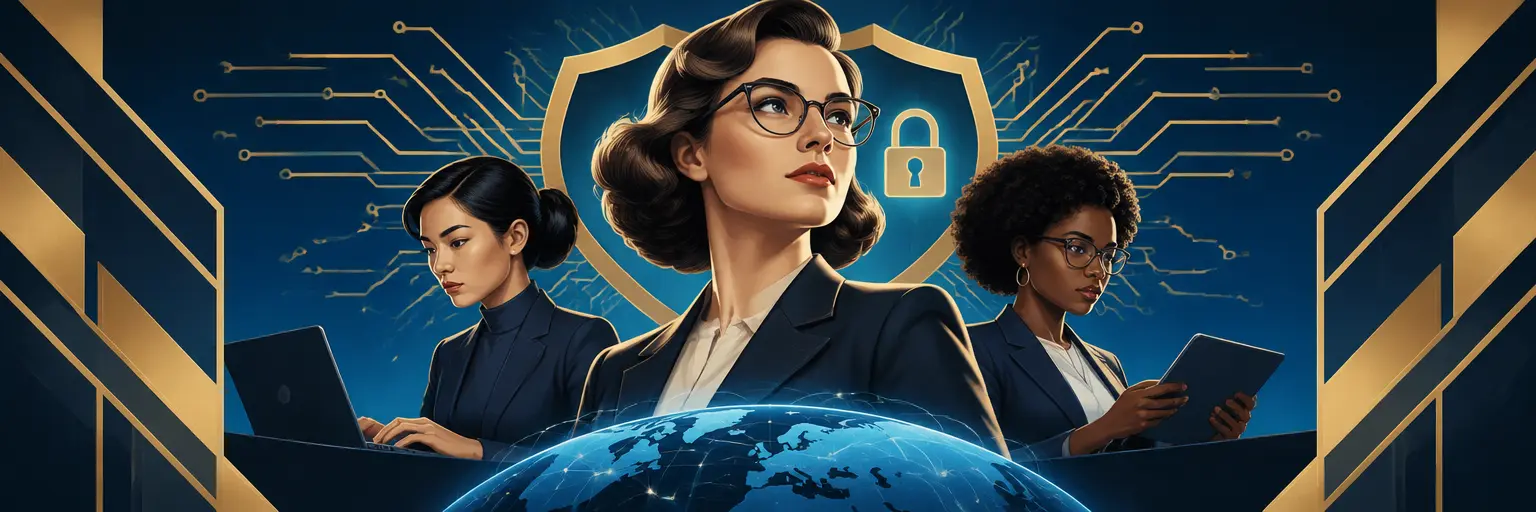
Welcome to the Women in Cybersecurity subcategory of WomenInScienceHistory.com. Here, we honor the brilliant women who have built the foundations of digital security, from early cryptanalysts to modern threat hunters. These pioneers broke both codes and glass ceilings, proving that safeguarding data requires diversity of thought and relentless courage. Explore their biographies, breakthroughs, and the persistent challenges they overcame in a field once considered a male bastion.
🔐 Early Codebreakers and Cryptanalysts
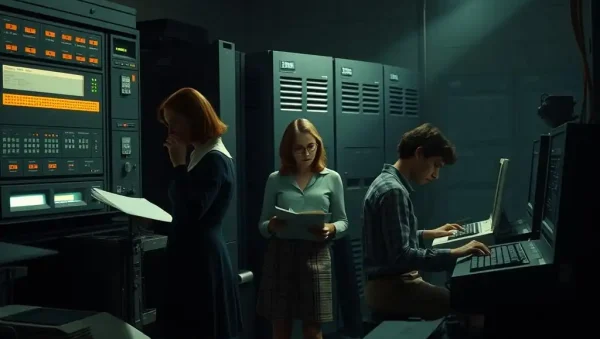
Long before the internet, women like Elizebeth Smith Friedman and Agnes Meyer Driscoll were cracking enemy ciphers and shaping modern cryptography. Their work in World War I and II saved countless lives and laid the groundwork for computer-based encryption. These analysts operated in secret, often without public recognition, yet their mathematical brilliance and meticulous attention to detail were unmatched. Expect to read detailed accounts of their high-stakes work, including how they outwitted sophisticated enemy communication systems using nothing more than logic and pattern recognition.
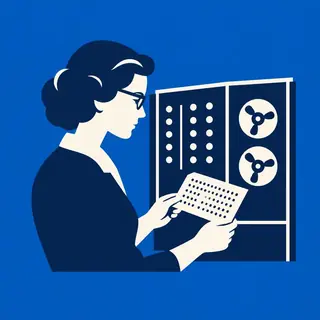
This section uncovers primary documents, declassified memos, and personal correspondence that reveal the intellectual ferocity of these early trailblazers. You'll learn how their techniques evolved from paper-based code wheels to early punch-card machines, bridging the analog and digital eras. Their stories demonstrate that cybersecurity was never a purely technical pursuit; it was a discipline of strategic thinking and rapid adaptation. Discover how these women trained male naval officers and set standards still referenced in modern security protocols, proving that expertise, not gender, defines a codebreaker's legacy.
🛡️ The Rise of Network Security and Firewalls
As the internet emerged, women like Radia Perlman—often called the "Mother of the Internet"—created core protocols that prevent network failures and unauthorized access. Perlman’s invention of the Spanning Tree Protocol (STP) remains vital in modern Ethernet networks, while her work on robust routing algorithms avoids data loops that vulnerable networks. This section emphasizes how her mathematical insights translated into practical security frameworks, protecting countless enterprises and government systems from cyberattacks that would otherwise exploit network redundancies.
Beyond Perlman, you'll meet Deborah Estrin and Vinton Cerf’s collaborators who shaped secure packet-switching designs. We explore how these women championed encryption as a default, not an afterthought, lobbying for security measures during the internet's formative years. Their foresight prevented early networks from becoming lawless wild west zones. By examining their patents, academic papers, and public testimonies, readers gain a clear picture of how policy, engineering, and advocacy combined to create the first firewalls and access control systems that we now take for granted.
🧠 Vulnerability Research and Ethical Hacking
Modern cybersecurity depends on ethical hackers who find flaws before malicious actors do. Women such as Parisa Tabriz, Google's "Security Princess," lead global teams that penetration-test critical infrastructure and consumer apps. Tabriz’s career demonstrates that offensive security—thinking like an attacker—is a creative, puzzle-solving endeavor, not a violent one. This section profiles her and peers like Katie Moussouris, who pioneered vulnerability disclosure programs (like Microsoft’s Bug Bounty) that reward researchers for responsibly reporting bugs, changing industry norms forever.
Readers will learn how these women built structured frameworks for testing networks, mobile devices, and cloud systems. Expect detailed case studies of famous security breaches they mitigated, including zero-day exploits in browsers and social engineering attacks. We also highlight their mentorship initiatives, such as HackerOne’s and DEF CON’s women-only workshops, which train hundreds of new ethical hackers annually. Their contributions show that cybersecurity is as much about nurturing talent and fostering transparency as it is about writing secure code.
📜 Policy, Privacy, and Digital Rights Advocacy
Cybersecurity is inseparable from policy, and women have been at the forefront of legislating digital privacy. Susan Landau and Whitfield Diffie co-authored foundational texts on wiretapping and encryption policy, arguing that unbreakable cryptography is essential for civil liberties. Meanwhile, Camille Stewart, former White House cybersecurity official, shaped national strategies for threat intelligence sharing and election security. This section examines how these women translate technical risks into actionable laws and regulations that balance national security with individual freedoms.
Beyond high-level policy, we explore grassroots advocates like Mary Aiken, a cyberpsychologist who studies online exploitation and lobbies for better protections for minors and vulnerable populations. These stories reveal the human cost of data breaches and cybercrime, from identity theft to intimate image abuse. By highlighting their testimonies before congressional committees and their public awareness campaigns, readers understand that cybersecurity is a social justice issue. Their work ensures that technology benefits all people, regardless of gender, race, or economic status, making the digital world safer for everyone.
🌐 The Global Impact and Next-Generation Leadership
Women in cybersecurity are not confined to Silicon Valley; they lead initiatives across the globe, from Kenya's mobile security startups to Estonia's digital defense academies. Leaders like Mimansa Bansal of India's CyberPeace Foundation and Angela Sasse from Germany’s Ruhr University focus on human-centered security—designing systems that users actually understand and adopt. This section showcases how these women address regional threats like election meddling, ransomware on public infrastructure, and disinformation campaigns, tailoring solutions to local cultures and technologies.
Looking forward, we feature rising stars from initiatives like WiCyS (Women in Cybersecurity) and Girls Who Code, who are graduating with advanced degrees and launching startups. These young leaders use AI-powered detection, threat hunting with machine learning, and secure cloud architectures. Their interviews reveal the future of the field: more collaborative, inclusive, and ethical. By highlighting their academic research and entrepreneurial ventures, we show that the legacy of early codebreakers continues to evolve, ensuring that cybersecurity remains dynamic and resilient against ever-changing digital threats.
Frequently Asked Questions
Who is considered the first woman in cybersecurity?
Many point to Elizebeth Smith Friedman, who started as a codebreaker in the 1910s and later became the US Coast Guard's first female cryptanalyst, busting smuggling networks. Her work laid the technical and strategic foundation for modern computer security, making her a timeless pioneer in the field.
What unique challenges have women faced in this technical field?
Women have historically dealt with underrepresentation, biased hiring, and wage gaps, plus being excluded from professional networks. They also endured harassment in workplace cultures that questioned their technical competence. Despite these obstacles, they persisted, and today's initiatives actively correct these systemic biases through mentorship and inclusive hiring practices.
Can I find biographies of living women cybersecurity experts here?
Yes, we profile both historical figures and contemporary leaders, from Radia Perlman to Parisa Tabriz and Nicole Perlroth, a journalist who exposed cyberweapons. Their current work, interviews, and public talks are referenced, making the content both timeless and immediately relevant.
Are there specific educational programs to encourage girls into cybersecurity?
Absolutely, we highlight programs like WiCyS, Black Girls Hack, and university scholarships dedicated to women. These initiatives provide hands-on labs, internships, and networking with female role models, proving that cybersecurity is accessible, rewarding, and intellectually exciting for young women.
How can I contribute to the history being documented here?
We welcome submissions of first-hand accounts, archival photos, and interview transcripts from women in cybersecurity. Please write to us via our contact form. We’ll review, validate, and publish them with proper citations, ensuring that every essential contribution is recorded for future generations.