Women in Space Missions & Programs: Pioneers Beyond Earth
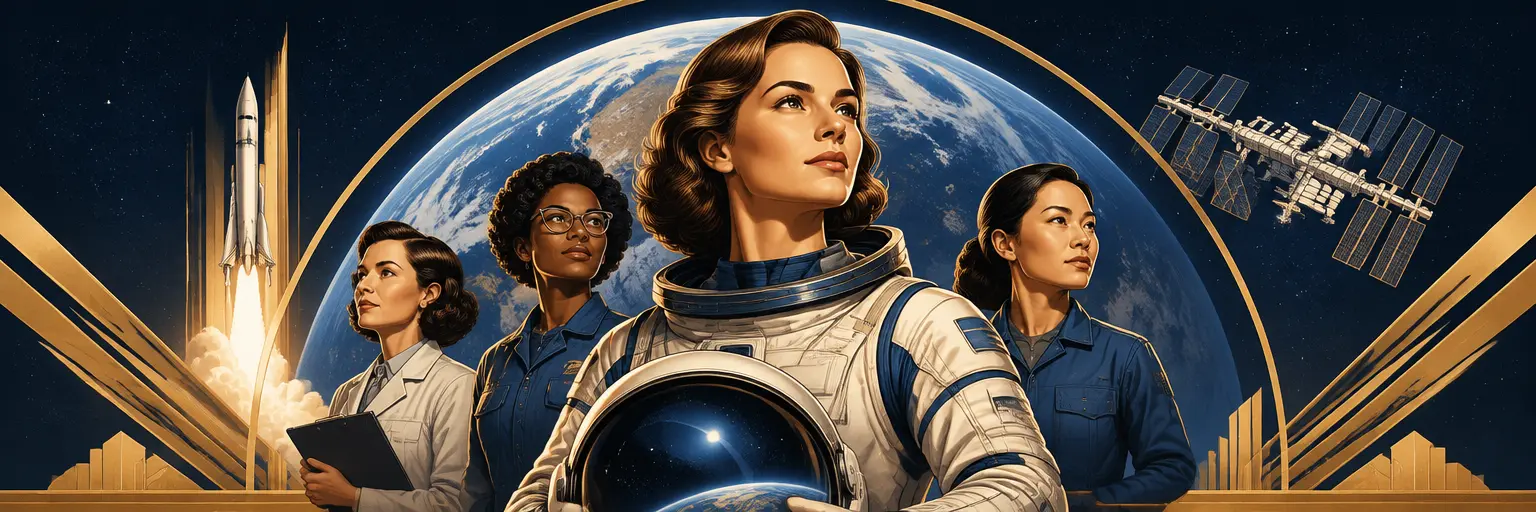
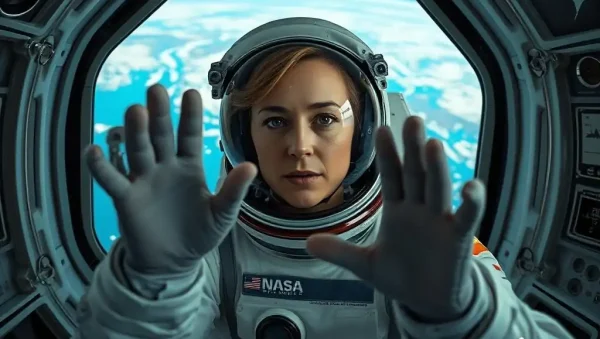
Explore the remarkable journeys of women who have broken through Earth’s atmosphere and glass ceilings alike. This subcategory delves into the lives, missions, and lasting legacies of female astronauts, cosmonauts, engineers, and mission controllers who have shaped space exploration. From the first woman in space to today’s Artemis generation, discover how these trailblazers overcame societal barriers, advanced scientific discovery, and inspired millions. Whether you’re a student, space enthusiast, or history buff, this resource offers deep insights into the pivotal roles women play in humanity’s quest to reach the stars.
🚀 First Women to Orbit and Walk in Space
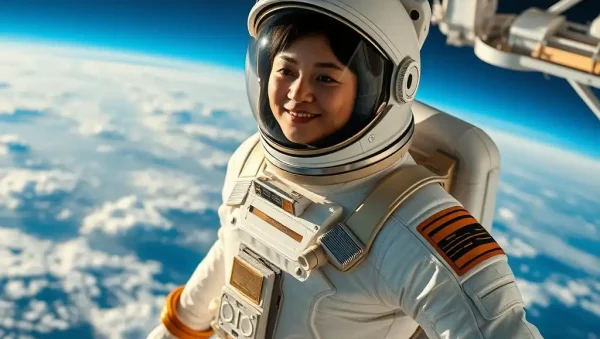
Valentina Tereshkova became the first woman in space in 1963 aboard Vostok 6, spending nearly three days orbiting Earth. Two decades later, Sally Ride became the first American woman in space in 1983, flying aboard the Space Shuttle Challenger. These missions were not merely symbolic; they proved that women could withstand the physical and psychological demands of spaceflight. Their achievements opened the door for subsequent female astronauts and established vital precedent for inclusive crew selection in future programs like the International Space Station (ISS).
Following their pioneering flights, cosmonaut Svetlana Savitskaya became the first woman to perform a spacewalk in 1984, and astronaut Kathryn Sullivan achieved the same milestone for NASA the same year. These early missions highlighted both technical proficiency and resilience. Readers will uncover the intense training regimes, political contexts, and media scrutiny these women faced, as well as their contributions to onboard experiments that benefited life on Earth. Their stories underscore how early successes laid critical groundwork for today’s diverse astronaut corps.
🛰️ Engineering and Mission Control Heroes
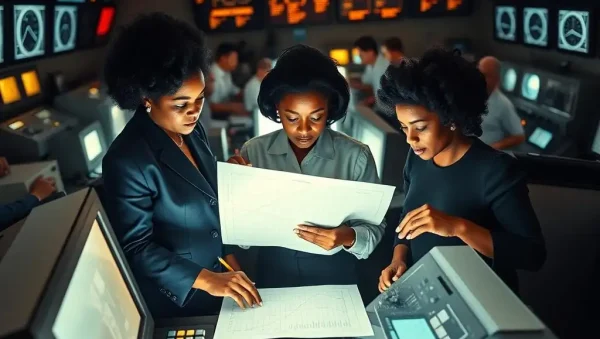
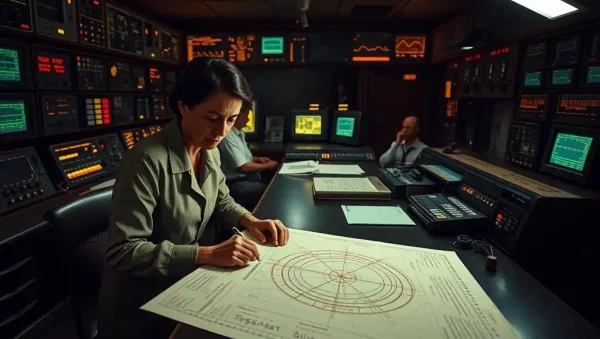
Beyond the capsule, women like NASA’s Katherine Johnson calculated trajectory equations that made early missions possible, despite segregation and gender bias. Mary Jackson, NASA’s first Black female engineer, and Dorothy Vaughan, a programming pioneer, are equally vital. This section celebrates the unsung ground crews—from flight controllers to spacecraft designers—who ensure mission success. Their work includes developing life-support systems, orbital mechanics, and communication protocols, all while navigating institutional discrimination.
Historically, women like Margaret Hamilton, who led the software team for Apollo 11, proved that code and logic were as crucial as piloting skills. Today, female mission directors, such as Norma Knight, oversee complex ISS operations, while engineers like Tracy Dyson work on advanced propulsion. Readers will learn about the systemic barriers these women dismantled, the mentorship networks they built, and the technical breakthroughs they championed. This perspective enriches our understanding that space exploration is a collective effort, not just the domain of those who launch.
🌕 Lunar, Martian, and Deep Space Pioneers
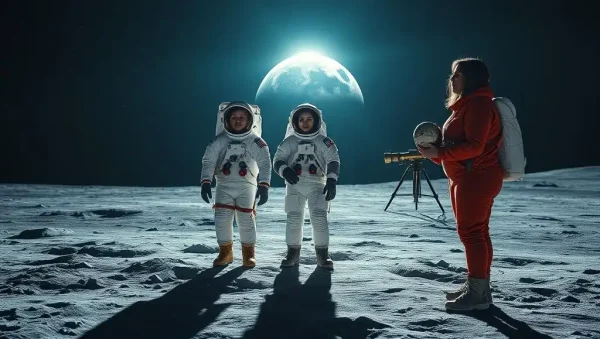
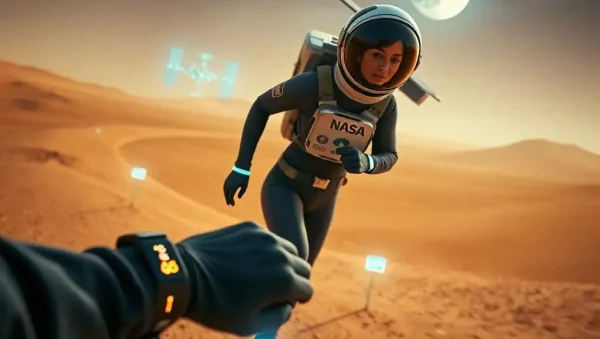
NASA’s Artemis program aims to land the first woman on the Moon by 2026, with astronaut candidates like Jessica Watkins, the first Black woman to complete an ISS long-duration mission, poised for lunar missions. Meanwhile, Kjell Lindgren and others train for Mars, though women like Christina Koch, who holds the record for the longest single spaceflight by a woman (328 days), are prime candidates. This examines how women are shaping deep-space exploration, from selecting landing sites to designing habitats for long-term survival on other worlds.
Additionally, female scientists drive robotic missions: Sabrina de León led sampling protocols for the OSIRIS-REx asteroid mission, while Sara Seager researches exoplanets for potential habitability. As private companies like SpaceX prepare Mars missions, women are integral to planning radiation shielding, psychological support, and food production. This section provides detailed case studies of current missions, training programs, and international collaborations, showing how women’s participation is essential for sustainable off-world living and scientific discovery.
👩🚀 International Female Astronauts and Global Programs
The narrative extends beyond NASA and Roscosmos. Women from over 50 countries have journeyed to space, including Anousheh Ansari (first female space tourist), Yi So-yeon (South Korea), and Samantha Cristoforetti (Italy), who commands the ISS. Agencies like ESA, JAXA, and ISRO have launched female astronauts, reflecting global progress. This section highlights collaborative missions, such as China’s Wang Yaping conducting spacewalks from the Tiangong station, and the United Arab Emirates’ Nora Al Matrooshi training for future lunar expeditions.
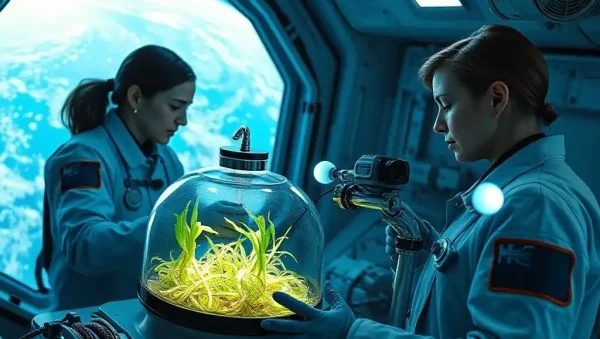
International partnerships have created unique opportunities, such as the Commonwealth of Independent States programs and the African Space Innovation Initiative, which train female engineers. Readers will explore how cultural differences influence astronaut selection, public perception, and mission priorities. The data shows that diversified teams produce more innovative outcomes, as seen in experiments on plant growth and human physiology conducted by mixed-gender crews. This global viewpoint underscores that space is a human endeavor, and women’s full participation is increasingly recognized as both a right and a scientific necessity.
🧬 Health, Research, and Long-Duration Flight
Women’s physiological responses to microgravity are critical for future missions. Studies show that female astronauts experience different rates of bone density loss, radiation sensitivity, and vision changes compared to men. This section reviews research initiatives like NASA’s Twins Study and the Female Physiology in Space project, which examine hormonal shifts, muscle atrophy, and cardiovascular adaptation. Women like Peggy Whitson, who spent 665 days in orbit, provide invaluable longitudinal data. These findings are shaping countermeasures, exercise routines, and medical protocols for Mars missions.
In addition to physical health, mental resilience is studied extensively. Dr. Ivanka Savić and other space psychologists analyze isolation, teamwork, and stress management among female crews. Notably, all-female analog missions, such as SENSORIA in Hawaii, simulate extraterrestrial habitats to test cooperation and performance. This research is vital for designing gender-responsive spacesuits, dosage standards for medication, and reproductive health safeguards. By prioritizing female-centric medical data, agencies ensure that future astronauts—regardless of gender—can explore safely and effectively, making long-duration space travel a viable reality.
Frequently Asked Questions
Who was the very first woman in space?
Valentina Tereshkova, a Soviet cosmonaut, became the first woman in space on June 16, 1963, aboard Vostok 6. She orbited Earth 48 times over nearly three days, conducting experiments on human adaptation to microgravity. Her flight was a landmark achievement, though it would be nearly 20 years before another woman, Svetlana Savitskaya, flew in 1982.
How many women have walked in space?
As of 2024, over 60 women have performed spacewalks. The first was Svetlana Savitskaya in 1984, followed by NASA’s Kathryn Sullivan later that year. Notable recent spacewalks include the all-female team of Christina Koch and Jessica Meir in 2019, marking a historic milestone for gender parity in extravehicular activities.
What challenges did early female astronauts face?
Early female astronauts encountered legislation barring military jet pilots, biased medical evaluations, and skeptical public opinion. They also dealt with inadequate spacesuit sizes and lack of designated hygiene facilities. Pioneers like Sally Ride had to prove their competency repeatedly, often handling media focusing on their attire rather than their expertise.
Are there women in current NASA astronaut classes?
Yes, NASA’s 2021 and 2023 astronaut classes each include about half women, reflecting improved selection processes. For example, Christina Koch and Jessica Watkins are active astronauts, while newer graduates like Jessica Wittner are training for Artemis missions. This inclusive pipeline ensures women will lead future lunar and Martian expeditions.
Why is gender diversity important for space missions?
Diverse crews bring varied problem-solving approaches, reduce groupthink, and better represent Earth’s population. Research shows that mixed-gender teams experience fewer interpersonal conflicts and higher cohesion, crucial for long-duration missions. Additionally, female physiology data helps design safe medical protocols, ensuring mission success for all astronauts.