Women in Aerospace Engineering: Pioneers of the Skies and Beyond
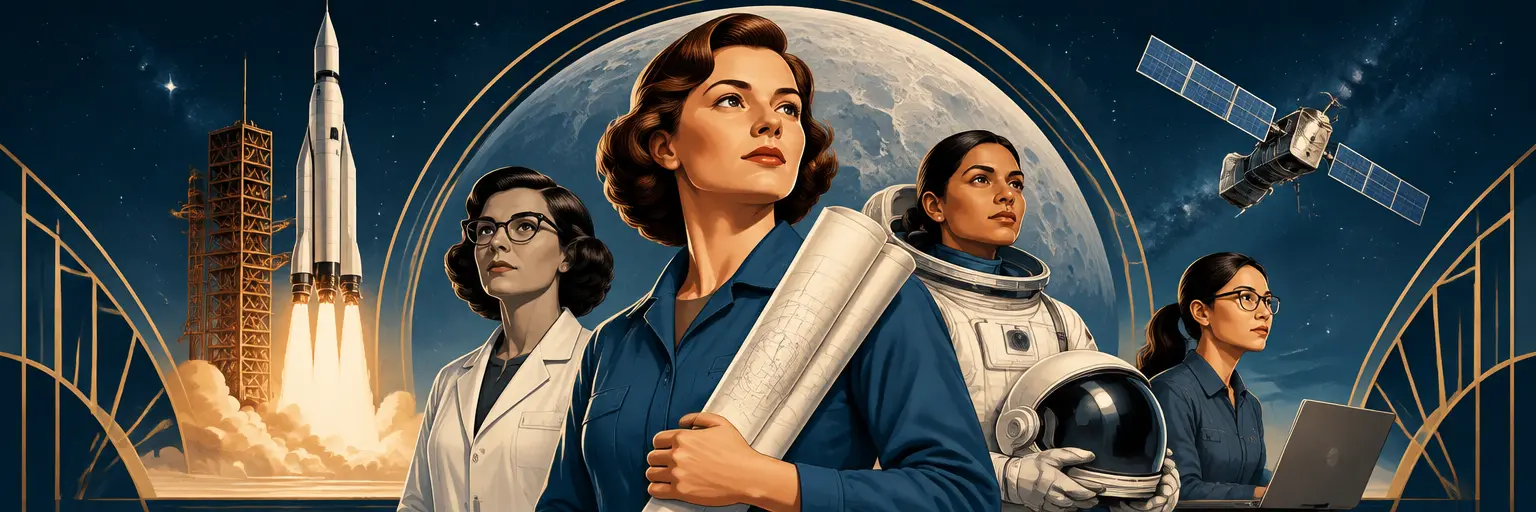
Explore the remarkable journeys of women who broke through barriers to shape aerospace engineering—from early aviation pioneers to modern rocket scientists. This subcategory on WomenInScienceHistory.com celebrates their technical mastery, resilience, and enduring impact on space exploration and aircraft design, offering inspiration for aspiring engineers and history enthusiasts alike.
🚀 Early Trailblazers in Aviation and Propulsion
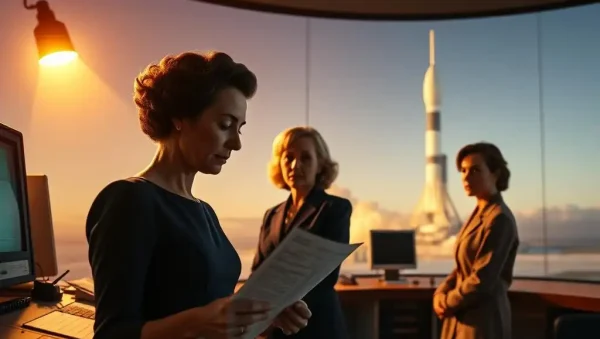
Discover how women like Katherine Johnson and Mary Golda Ross navigated male-dominated labs and cockpits, contributing critical calculations and design innovations that powered early jets and spacecraft. Their work laid the foundation for today’s aerospace systems, proving that precision and creativity know no gender.
Readers will learn about the structural challenges these women faced—from limited educational access to institutional bias—and how their persistence translated into tangible breakthroughs. Expect detailed accounts of specific aircraft, rocket prototypes, and propulsion methods they helped refine, alongside archival photos and first-hand quotes.
🛰️ Modern Spacecraft Design and Systems Engineering
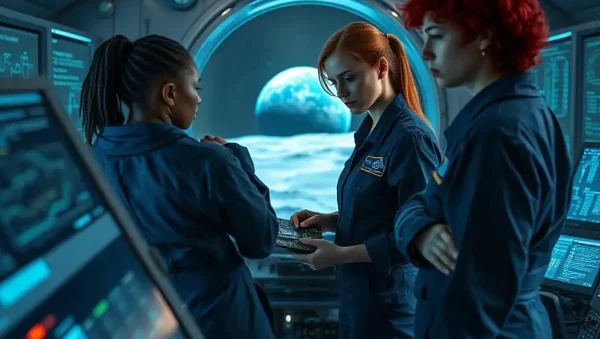
Shift focus to contemporary engineers like Joan Higginbotham and Dava Newman, who have shaped satellite technology and space suits used in ISS missions. This section highlights their roles in integrating complex systems—thermal controls, avionics, and life support—that make deep-space travel viable.
Expect explanations of systems engineering lifecycle, from concept to launch, with case studies of successful missions (e.g., Mars rovers). The narrative emphasizes collaborative teamwork and problem-solving under extreme constraints, showing how women lead multidisciplinary teams within NASA and private companies like SpaceX.
🛩️ Test Pilots and Flight Dynamics Specialists
Delve into the stories of women who not only designed but also validated aircraft performance—like Jacqueline Cochran and Nicole Stott. Their work on aerodynamic stability and flight control systems directly influenced both military and commercial aviation safety standards.
Readers will gain insight into flight testing procedures, including stress simulations and data analysis, and how these women overcame skepticism about their flying skills. The content provides practical knowledge on flight dynamics equations and real-world aircraft modifications that originated from their test flights.
🛰️ Guidance, Navigation, and Control (GNC) Innovations
This segment covers women who specialized in the “brain” of aerospace vehicles—attitude control algorithms, trajectory optimization, and inertial navigation. Figures like Marjorie Rhodes Townsend (first female project manager at NASA) exemplify leadership in developing GNC software for Earth-observation and interplanetary probes.
Here, readers will find accessible breakdowns of Kalman filters, quaternion math, and sensor fusion techniques. The case studies reveal how female engineers solved autonomous landing and rendezvous problems, making missions like Apollo and Artemis possible with enhanced precision.
🌐 Global Contributions and Cross-Disciplinary Impact
Broaden the scope to include international pioneers—such as Valentina Tereshkova (first woman in space) and Jill Bauman (Canadian satellite expert)—and their influence on global aerospace policies. This section emphasizes how cultural and political contexts shaped their engineering choices, from Soviet-era rockets to European consortiums.
Expect analysis of technology transfer between defense and civilian sectors, plus educational outreach programs led by these women. The content underscores that aerospace engineering is a global collaborative effort, with women contributing equally in both developed and emerging space programs.
Frequently Asked Questions
What qualifications did early women aerospace engineers typically hold?
Most held degrees in mathematics, physics, or mechanical engineering, often self-taught in aerodynamics due to formal programs excluding women. For example, Katherine Johnson excelled in analytic geometry, while Mary Golda Ross earned a master’s in mathematics before joining Lockheed’s Skunk Works.
Which aerospace missions heavily relied on female engineers?
The Apollo missions owe much to computational trajectories by African-American “human computers,” including Johnson. Later, the Mars Phoenix lander relied on GNC algorithms led by Dava Newman’s team, and the ISS assembly used thermal designs by Joan Higginbotham.
How did women overcome workplace discrimination in aerospace?
They often formed mentorship networks, published under initials (e.g., “J.L. Smith”) to avoid bias, and leveraged high-profile project success to argue for promotions. Some, like Jacqueline Cochran, demanded equal pay stipulations before accepting test pilot roles.
What modern challenges remain for women in aerospace engineering?
Despite progress, women still represent under 20% of aerospace engineers. Implicit bias in hiring and project assignments persists, along with demanding travel schedules that clash with childcare. Initiatives like AIAA’s Women in Aerospace combat this via scholarships and leadership training.
Can I find primary sources or interviews of these women online?
Yes, NASA’s history office hosts oral histories and technical memos by female engineers. The Society of Women Engineers archives include conference proceedings, and the Library of Congress has personal papers from figures like Cochran and Newman, openly accessible.