Women in Chemistry – Biographies: Pioneers Who Transformed the Field
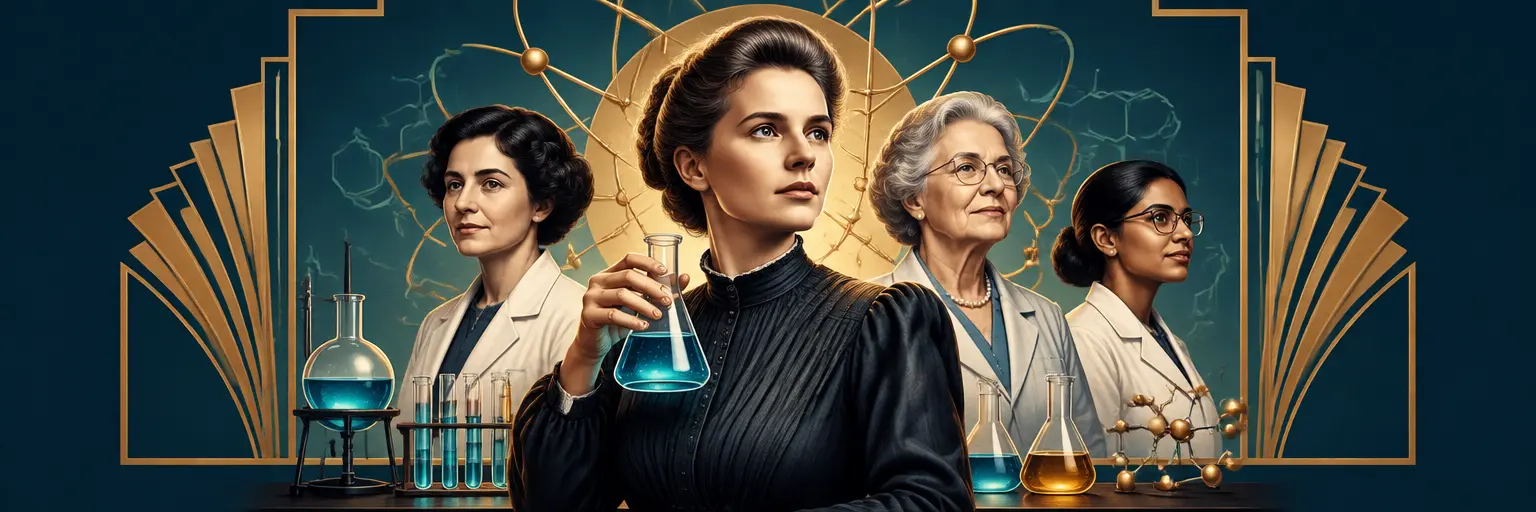
Explore the remarkable lives of female chemists who broke barriers, made groundbreaking discoveries, and reshaped the world of science. From Nobel laureates to unsung heroes, this subcategory on WomenInScienceHistory.com dives deep into the personal journeys, scientific achievements, and enduring legacies of women who conquered the laboratory against all odds. Whether you're a student, educator, or history enthusiast, these biographies offer a rich tapestry of perseverance, intellect, and innovation that continues to inspire. Discover the stories behind the formulas, the struggles behind the success, and the chemistry that changed our world.
🔬 Trailblazing Nobel Prize Winners in Chemistry
This section celebrates women who achieved the pinnacle of scientific recognition: the Nobel Prize in Chemistry. From Marie Curie, the first woman to win the prize in 1911 for her discovery of radium and polonium, to Frances Arnold, who in 2018 won for directed evolution of enzymes, these women redefined what was possible. Their biographies detail not only their scientific breakthroughs but also the societal hurdles they overcame in an era when female researchers were often excluded from formal education and laboratory positions. Each narrative highlights their relentless curiosity and the collaborative spirit that propelled their discoveries.
Readers will gain insight into how these pioneers navigated sexism, financial constraints, and institutional barriers while producing work that laid the foundation for modern chemistry. The stories emphasize their mentorship roles, their fight for equitable access to research facilities, and their contributions to interdisciplinary science. Expect detailed timelines, personal correspondence excerpts, and analyses of their most cited papers, offering a holistic view of their genius and humanity. This section is essential for anyone seeking role models in STEM who defied convention to become icons of chemical science.
⚗️ Forgotten Innovators: Women Who Shaped Chemical Industry
Beyond the Nobel podium lie countless women whose industrial and applied chemistry innovations transformed manufacturing, pharmacology, and materials science. This subcategory uncovers figures like Alice Ball, who developed the first effective treatment for leprosy using chaulmoogra oil, and Stephanie Kwolek, inventor of Kevlar. These biographies shed light on their patent struggles, corporate environments, and the quiet determination that led to world-changing products. You'll learn how their work directly influenced everyday life, from bulletproof vests to antibiotics, while often receiving little public acknowledgement during their lifetimes.
Each profile is meticulously researched, drawing on archival patents, company records, and oral histories to reconstruct their contributions. The section also examines the gender dynamics of industrial labs, the challenges of balancing career and family, and the strategies these women used to secure funding and recognition. By highlighting their technical ingenuity and business acumen, this content aims to correct historical oversight, offering a more inclusive narrative of chemical progress. Perfect for researchers and history buffs, these stories reveal the unsung architects of modern materials and medicines.
🧪 Educators and Mentors Who Cultivated Future Generations
Many women in chemistry impacted science not just through their own research but by teaching and mentoring the next wave of scientists. This section features pioneers like Ellen Swallow Richards, the first woman admitted to MIT and a founder of home economics as a scientific discipline, and Gertrude B. Elion, who while winning a Nobel in 1988 also mentored dozens of female researchers. Their biographies emphasize pedagogical methods, curriculum development, and their advocacy for women's education in chemistry. You'll discover how they created laboratory spaces that were inclusive, encouraged women to pursue graduate degrees, and fought against discriminatory admission policies.
The narratives also explore their legacies through the students they trained, many of whom became leaders in academia and industry. Expect discussions on their published textbooks, lecture notes, and correspondence with students, providing a window into their teaching philosophies. This subcategory is particularly valuable for educators seeking historical role models in STEM pedagogy. It also highlights the ripple effect of mentorship—how one woman's dedication can spawn entire lineages of female scientists. Dive into these biographies to understand the nurturing side of chemical discovery and the importance of supportive networks.
🏆 Overcoming Adversity: Stories of Persistence Against Sexism
This section zooms in on chemists who faced overt discrimination, relegation to assistant roles, or outright denial of positions solely due to their gender. Figures like Rosalind Franklin, whose X-ray diffraction images were crucial to discovering DNA's structure yet were used without her full consent, and Lise Meitner, who was excluded from her male colleague's Nobel Prize for nuclear fission, exemplify this struggle. Each biography chronicles the specific incidents of bias—denied laboratory access, pay inequities, or exclusion from authorship—and how these women navigated systemic barriers with resilience, often pivoting to less visible but equally vital research niches.
Readers will appreciate the nuanced portrayal of their psychological toll and their strategies for resistance, from forming all-female research clubs to strategically using male allies. The content includes excerpts from their diaries, letters to university administrators, and contemporary newspaper accounts that reveal the embedded sexism of their eras. This subcategory aims not merely to document injustice but to show how their perseverance expanded opportunities for future women. It serves as a powerful reminder that scientific progress is intertwined with social progress, making these stories essential for all who study the intersection of gender and science.
⚖️ Intersectionality in Chemistry: Women of Color and Global Perspectives
This section broadens the lens to include chemists from diverse racial, ethnic, and geographic backgrounds, whose contributions are often doubly marginalized. It features figures like Alice Augusta Ball (African American), Asima Chatterjee (Indian pioneer in phytomedicine), and Ida Noddack (German chemist who first proposed the idea of nuclear fission). Their biographies delve into how their unique cultural contexts shaped their scientific inquiries, from traditional herbal knowledge to national industrialization efforts. You'll learn about the obstacles faced at the intersection of gender, race, and nationality, including limited access to international conferences, funding disparities, and cultural expectations about women's roles.
The narratives are enriched with analyses of their groundbreaking work in fields like natural product chemistry, radiochemistry, and polymer science, often conducted under resource-scarce conditions. This subcategory also highlights contemporary chemists from emerging economies who are leading research today, offering role models for a global audience. By embracing intersectionality, this content challenges the predominant Western-centric narrative of science history. Expect vivid storytelling that captures the spirit of scientific inquiry in diverse settings, making it a vital read for anyone committed to equity in STEM.
Frequently Asked Questions
Who was the first woman to win a Nobel Prize in Chemistry?
Marie Curie was the first woman to win a Nobel Prize in Chemistry in 1911, for her discovery of radium and polonium. She was also the first person ever to win two Nobel Prizes, having previously won in Physics in 1903 alongside her husband Pierre Curie. Her work pioneered research in radioactivity, a term she herself coined.
Why are so many women chemists historically unrecognized?
Many women chemists were systematically excluded from formal recognition due to institutional sexism. They were often denied positions, promotions, and access to laboratories. When they collaborated with male counterparts, their contributions were sometimes attributed to men or downplayed, as seen with Rosalind Franklin and DNA research. Moreover, patents were frequently filed under male colleagues' names, erasing their intellectual property claims.
Are there female chemists of color I should know about?
Absolutely. Alice Ball developed the first successful treatment for leprosy, while Asima Chatterjee conducted pioneering work in India on anti-epileptic and anticancer compounds. Bettye Washington Greene became the first African American woman chemist at Dow Chemical. Their stories, along with many others, are detailed in our Intersectionality section, covering global contributions often omitted from standard history books.
How can I use these biographies to inspire students?
Share our detailed profiles that include lesson plans, experiment ideas, and discussion prompts. Highlight the problem-solving skills and resilience shown by these women, which are relatable to any student facing challenges. Use their stories to demonstrate that scientific pursuits are open to all regardless of gender or background. Pair each biography with a hands-on chemistry activity that mimics their research.
Did women's contributions to chemistry affect modern technology?
Yes, profoundly. Stephanie Kwolek invented Kevlar, used in bulletproof vests. Edith Flanigen synthesized molecular sieves crucial for petroleum refining. Moreover, Gertrude Elion's drug development methodologies, including the rational design of DNA analogs, led to treatments for leukemia and AIDS, shaping modern pharmaceuticals. The technologies we rely on daily are often built on these women's foundations.