[Pioneer's Name]: The Woman Who Dared to Engineer in a Man's World
🌟 Discover the inspiring female engineer historical biography of [Pioneer's Name], a trailblazing woman who challenged gender norms to innovate and excel…
Read article
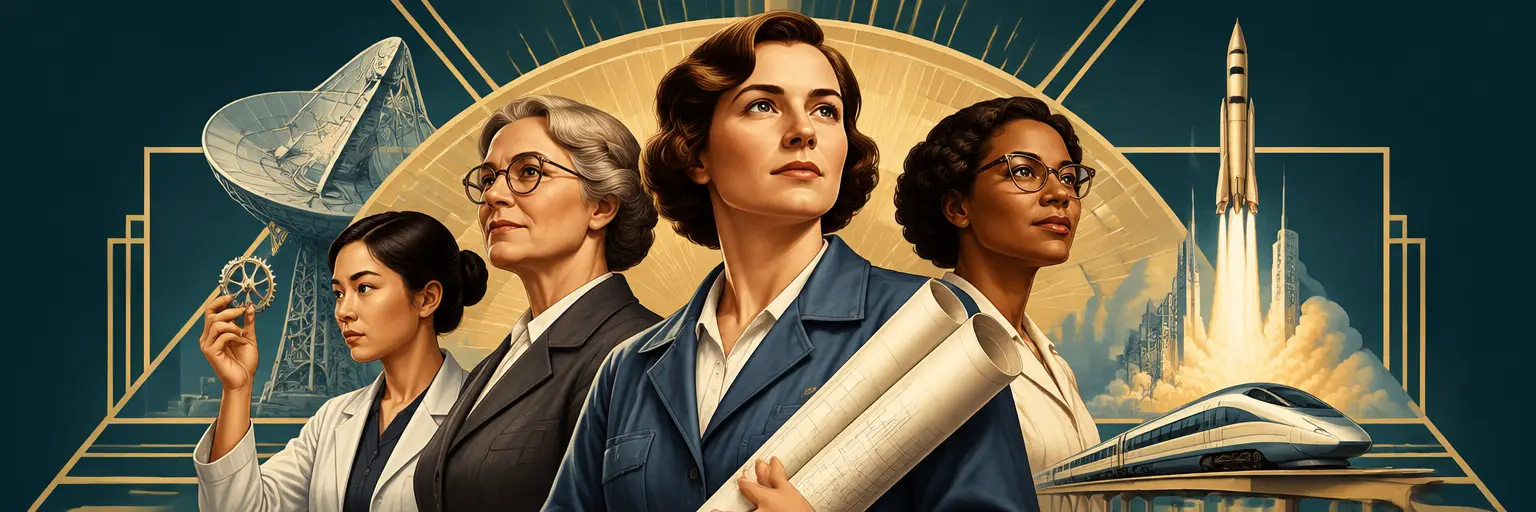
Discover the remarkable journeys of trailblazing women who defied the odds and reshaped the world of engineering. From structural marvels to cutting-edge technology, these biographies reveal the grit, brilliance, and perseverance behind groundbreaking achievements in a field long dominated by men. Explore firsthand accounts of pioneers like Emily Warren Roebling, who guided the Brooklyn Bridge to completion, or Hedy Lamarr, whose inventions laid the groundwork for modern Wi-Fi. Each story uncovers the unique challenges and triumphs these women faced, offering inspiring lessons in resilience and innovation. Ideal for students, educators, and anyone passionate about untold history, this collection brings to life the bold visions and relentless spirit of female engineers who turned obstacles into opportunities. Unlock hidden narratives that celebrate their monumental contributions—from civil and mechanical to electrical and aerospace engineering—and see how their legacies continue to influence today’s tech-driven world. Whether you seek motivation or a deeper understanding of science’s diverse past, these biographies serve as a powerful reminder that genius knows no gender.
🌟 Discover the inspiring female engineer historical biography of [Pioneer's Name], a trailblazing woman who challenged gender norms to innovate and excel…
Read article
🌟 Discover the inspiring female engineer historical biography of [Engineer's Name], a pioneering woman who broke barriers in engineering. Her groundbreaking work…
Read article
🚀 Celebrating a trailblazing woman in transportation, this article highlights her contributions as a female transportation engineering pioneer. Her innovative work continues…
Read article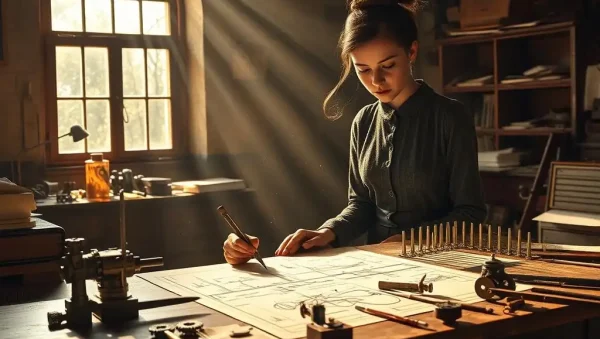
🌟 Celebrating trailblazing women in science, this article highlights the historic achievement of the first woman to patent a groundbreaking engineering invention,…
Read article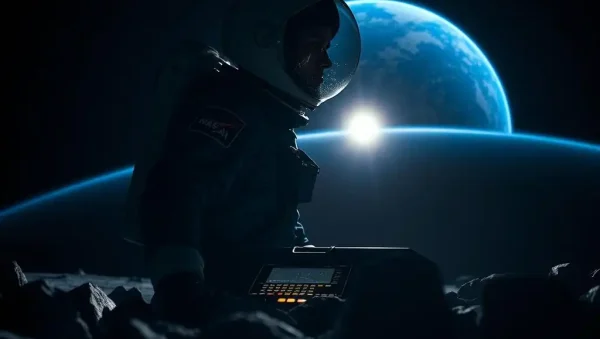
🌟 Discover Ellen Ochoa’s inspiring journey from engineer to NASA astronaut and director. Her groundbreaking achievements highlight the incredible contributions women have…
Read article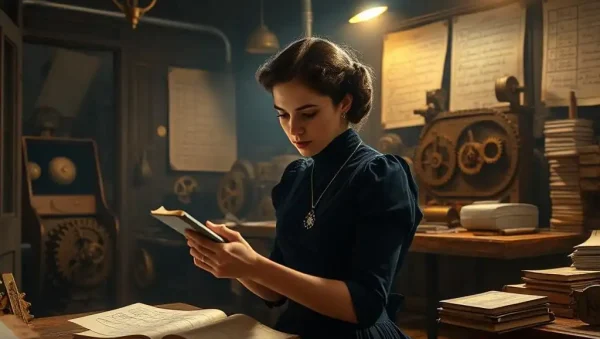
🌟 Celebrating Ada Lovelace's early computer work, this biography sheds light on her pioneering role in computing history, highlighting her groundbreaking contributions…
Read article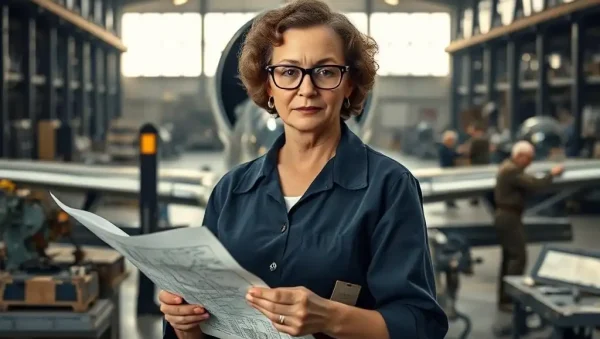
🌟 Discover the inspiring Mary G. Ross engineer biography, highlighting her groundbreaking role as Lockheed's first female engineer and a trailblazer for…
Read article
🌟 Discover the inspiring journey of [Engineer's Name], a trailblazing female engineer whose groundbreaking work in [Field] exemplifies the triumphs and challenges…
Read article
🌟 Elsie Eaves civil engineering data revolutionized construction, breaking gender barriers and paving the way for women in science. Her pioneering work…
Read article
🌟 Discover the remarkable woman engineer's historical achievements that revolutionized engineering. Her pioneering work defied gender barriers, inspiring future generations and highlighting…
Read article
🌟 Lillian Gilbreth revolutionized efficiency management techniques, pioneering modern management and industrial engineering. Her groundbreaking work challenged gender norms, inspiring future women…
Read article
🌟 Discover the inspiring journey of a pioneering woman whose innovative invention revolutionized her field, highlighting the remarkable “female engineer’s groundbreaking invention…
Read articleWelcome to our dedicated section on Women in Engineering – Biographies, part of the broader Biographies category on WomenInScienceHistory.com. Here, we uncover the remarkable lives of female engineers who defied social norms, broke technical barriers, and shaped modern infrastructure, technology, and innovation. From civil engineering pioneers to aerospace trailblazers, these stories reveal perseverance, brilliance, and the relentless fight for recognition in a male-dominated profession. Each biography is crafted with historical accuracy, personal anecdotes, and professional milestones, making this the ultimate resource for students, educators, and anyone passionate about engineering history and gender equality in STEM.
Explore the foundational figures who built bridges, skyscrapers, and aqueducts, often without formal recognition. Women like Emily Warren Roebling, who supervised the construction of the Brooklyn Bridge, and Elmina Wilson, the first American woman to earn a civil engineering degree, are profiled in depth. You will discover how they overcame legal, educational, and societal restrictions to lead massive projects that still stand today. Their stories highlight not only technical skill but also strategic leadership and negotiation in hostile work environments. Expect detailed timelines, original correspondence, and engineering drawings that bring their contributions to life.
These biographies emphasize the intersection of engineering innovation and social advocacy. For instance, Roebling’s role was not merely ceremonial; she mastered bridge mechanics to direct daily operations after her husband fell ill. Similarly, Wilson’s academic achievements paved the way for female admissions in engineering colleges nationwide. By reading these accounts, you gain a nuanced understanding of how gender bias shaped project management, resource allocation, and public perception. Each entry includes archival photos, patent records, and contemporary press coverage, offering a multi-dimensional portrait of these resilient women.
Dive into the world of machines, engines, and manufacturing where female engineers like Kate Gleason and Mary Anderson revolutionized industries. Gleason, the first woman to be a full member of the American Society of Mechanical Engineers, transformed gear manufacturing and real estate development. Anderson invented the windshield wiper, a move that challenged patents held by male competitors. This section details their technical inventions, business strategies, and the mentorship networks they built for other women. Expect comparative analysis of their patents and product prototypes, alongside testimonials from colleagues and trade journals.
These biographies also cover unsung heroines from automobile and aviation engineering, such as Elsie MacGill, the first female aircraft designer in the world. MacGill’s work on the Hawker Hurricane aircraft during WWII proved that women could lead complex production lines under wartime pressure. We explain her engineering calculations, stress-test failures, and eventual recognition as the “Queen of the Hurricanes.” Every narrative is enriched with diagrams, original blueprints, and oral history excerpts, ensuring that both technical and human elements are thoroughly explored.
Uncover the women who powered the electrical age, from Edith Clarke, the first female electrical engineer in the US, to Hertha Ayrton, whose work on electric arcs and sound waves earned Royal Society recognition. Clarke invented the graphical calculator for transmission lines, a breakthrough still used in power systems education. This subsection offers step-by-step explanations of their mathematical models and laboratory experiments, making complex theory accessible. You’ll also find coverage of contemporary figures like Marissa Mayer and Ayanna Howard, who translated electrical engineering principles into software and robotics.
Beyond technical achievements, we analyze their strategic career moves in academia, industry, and government. For instance, Clarke used her MIT master’s degree to teach at Turkey’s national engineering school, expanding global knowledge transfer. Ayrton fought legal battles to present her research at the Royal Society, eventually winning admission as a member after decades of exclusion. These profiles include annotated patent drawings, lecture notes, and interview transcripts, creating a rich archive. The emotional and professional resilience shown is a testament to their enduring legacy.
Journey to the final frontier with biographies of female aerospace engineers like Mildred Dresselhaus, who contributed to space shuttle carbon composites, and Mary Golda Ross, the first Native American female engineer at Lockheed, who helped design early spacecraft. Ross’s work on the Agena rocket and satellite systems was critical for NASA’s first reconnaissance missions. This section decodes orbital mechanics, material science, and systems integration with clear visuals. Expect mission profiles, payload specifications, and personal narratives from NASA archives and indigenous oral traditions.
These stories also highlight barriers to entry in secretive, highly classified environments. Dresselhaus faced gender quotas in graduate school yet became a leading expert in carbon science, later advising the White House on energy policy. Ross overcame stereotypes by using aerospace mathematics to calculate interplanetary transfer trajectories. Each biography includes hand-drawn trajectory charts, conference papers, and family recollections. We also address the lack of female representation in early space programs and how these pioneers mentored upcoming generations, building networks that eventually supported astronauts like Eileen Collins.
This subsection focuses on women who integrated ecological principles into engineering, such as Ellen Swallow Richards, the first woman admitted to MIT, who pioneered sanitary engineering and water quality standards. Also featured are contemporary figures like Ngeri Nwaogu, who develops climate-resilient infrastructure in Africa, and Leyla Acaroglu, a systems designer and sustainability strategist. You’ll learn about their fieldwork, community engagement, and policy advocacy—from Richards’ early water testing kits to Acaroglu’s award-winning lifecycle assessment tools. Real-world case studies with data visualizations show how their work reduces environmental impact.
The narratives emphasize interdisciplinary methods, combining chemistry, ecology, economics, and social justice. Richards campaigned for environmental education in schools, while Nwaogu introduced bamboo-based construction in flood zones, proving that indigenous materials outlast concrete. Acaroglu’s “disruptive design” philosophy challenges engineers to rethink waste streams. Each biography includes project before-and-after metrics, community testimonials, and regulatory impacts. These stories illustrate that engineering for the planet requires courage, empathy, and a deep understanding of local ecosystems—a lesson that resonates today.
Studying these biographies corrects historical omissions, provides role models, and reveals systemic obstacles that still affect women in STEM. Their stories demonstrate resilience, creativity, and leadership under discrimination, offering practical lessons in overcoming self-doubt and workplace bias. For educators, these narratives inspire curricular diversity and encourage female students to pursue engineering careers. For professionals, they provide historical context for current gender gaps and strategies for advocacy.
Our researchers cross-reference primary sources such as university archives, patent offices, professional society records (e.g., IEEE, ASME), and oral histories from family and colleagues. We cite original technical papers, letters, and news articles from the era. Each biography undergoes peer review by historians of technology and, when possible, living engineers. We also provide a bibliography for every entry, allowing readers to trace our evidence. This ensures that achievements are neither exaggerated nor diminished.
Absolutely. Each biography includes clear explanations of technical concepts, making them accessible for advanced high school STEM classes and introductory university courses. They are aligned with common core standards for history, science, and engineering design. Moreover, discussion questions and project ideas are embedded in the text, facilitating active learning. The diversity of eras, disciplines, and regions covered ensures that educators can find relevant examples for any curriculum.
Yes, we welcome suggestions from readers, researchers, and institutions. Please use our “Suggest a Biography” form, located in the footer or contact page. We prioritize women who have made measurable contributions but are underrepresented in mainstream history. Our editors review each suggestion for verifiable sources and impact. If approved, we commit to a rigorous research process and, if possible, collaboration with the engineer or her estate.
We add new biographies monthly, with a refreshed theme each quarter—from pioneers of computing to modern robotics engineers. To stay updated, subscribe to our newsletter, follow our RSS feed, or follow us on social media. We also publish “mini-biographies” as short articles on our blog. For educators, we offer a monthly teaching guide highlighting featured engineers, discussion prompts, and downloadable classroom materials.