Discover the Pioneering Women Who Shaped Medical Specialties
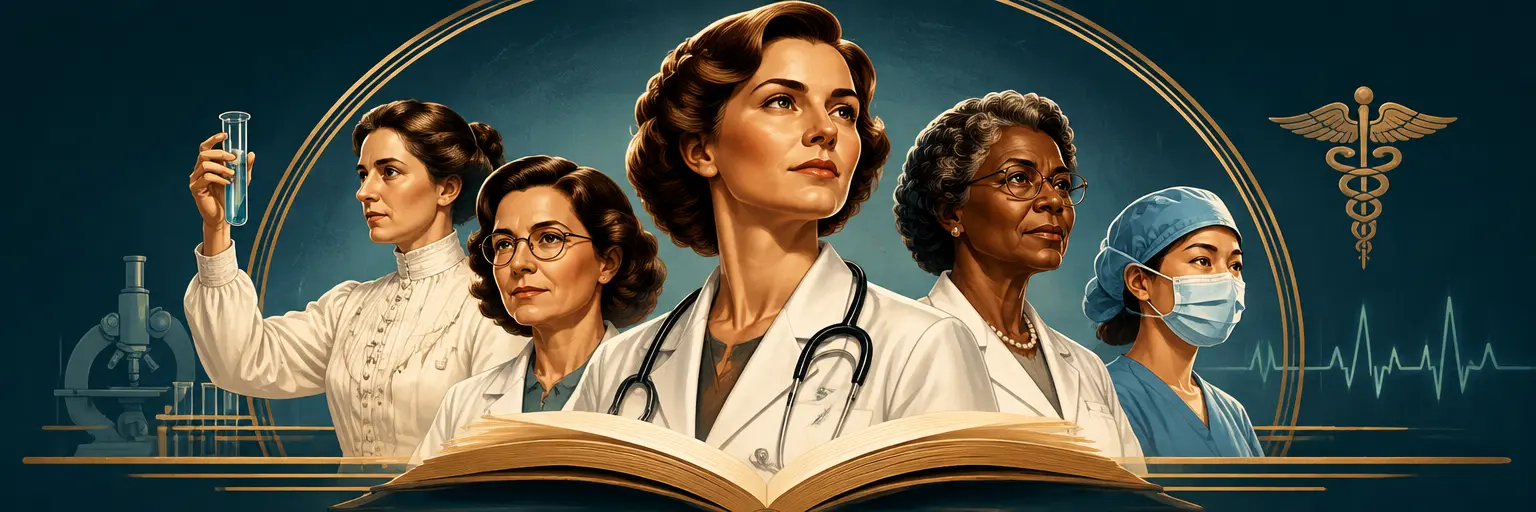
Welcome to our dedicated section on Women in Medical Specialties – Biographies, part of the Women in Science History platform. Here, we honor the remarkable female physicians, surgeons, researchers, and public health leaders who broke barriers in fields like cardiology, neurology, pediatrics, and oncology. These biographies reveal not just their scientific breakthroughs, but also the resilience required to thrive in historically male-dominated specialties. Whether you are a student, educator, or history enthusiast, this resource offers deep insights into the lives of women who transformed healthcare and paved the way for future generations.
🩺 Trailblazing Surgeons and Anatomists
Explore the daring careers of women who mastered the scalpel against all odds. From Mary Edwards Walker, the only woman to receive the Medal of Honor, to Virginia Apgar, whose surgical insights led to the Apgar Score for newborns, these biographies detail their rigorous training, innovative techniques, and the institutional resistance they overcame. You’ll learn how they advanced operative care, anesthesia, and emergency medicine while juggling societal expectations.
Each profile includes primary sources, hospital archives, and personal letters that reveal their surgical philosophies and mentorship of younger female doctors. Expect vivid narratives of battlefield amputations, early plastic surgery, and pediatric operations. These stories underscore how their precision and empathy redefined surgical standards, making them essential reading for anyone interested in medical history or gender studies.
🧠 Pioneers in Neurology and Psychiatry
Delve into the minds of women who mapped the brain and treated mental illness. Biographies of Augusta Déjerine-Klumpke (neuroanatomy), Nettie Maria Stevens (chromosomal sex determination), and Helen Flanders Dunbar (psychosomatic medicine) highlight their groundbreaking research on nerve pathways, hysteria, and trauma. These profiles examine their battles for lab access and academic appointments, often fighting male colleagues who dismissed their findings.
You will uncover how these women integrated clinical observation with laboratory science, leading to treatments for epilepsy, stroke, and depression. Their writings on patient care ethics and the mind-body connection remain influential. For those studying cognitive science or psychiatry, these biographies provide a crucial missing link between early neuroanatomy and modern behavioral health, enriching your understanding of how female perspectives reshaped mental healthcare.
🔬 Innovators in Pediatrics and Public Health
Discover how women revolutionized child health and community medicine. Biographies of Dorothy Hansine Andersen (first to describe cystic fibrosis), Katherine Hsu (pediatric infectious disease), and Bertha Van Hoosen (first female head of a medical division) showcase their dedication to preventive care and vaccination. Their stories explain how they created nationwide screening programs and maternal-child health policies, often working in underserved communities.
These pages also highlight their advocacy for improved nutrition, sanitation, and childhood immunization. You’ll read about their grassroots clinics, legislative campaigns, and collaborations with social workers. Perfect for public health students, these biographies illustrate how female physicians used evidence-based data to challenge systemic neglect of women and children, building foundations for pediatric emergency departments and school health services that we rely on today.
💊 Leaders in Oncology and Pharmacology
Learn about the women who pioneered cancer treatments and drug development. Biographies of Jane C. Wright (chemotherapy pioneer), Gertrude B. Elion (Nobel Prize in Physiology or Medicine), and Mary Lasker (health advocacy and research funding) reveal their roles in creating targeted therapies, antibiotics, and antiviral agents. These narratives detail their lab techniques, clinical trials, and the pharmaceutical industry’s initial skepticism toward female-led research.
Expect a behind-the-scenes look at how they secured private grants, built research teams, and navigated patent laws. Their discoveries in leukemia remission, organ transplantation rejection, and HIV treatment are explained in accessible terms. For aspiring pharmacologists or oncologists, these biographies offer strategic lessons in scientific innovation, persistence, and ethical clinical trials, showing how collaboration between academia and industry can save millions of lives.
🌍 Non-Western Women in Global Medical Specialties
This section expands the narrative beyond Western medicine, featuring biographies of Kalpana Chawla (aerospace medicine), Rukhmabai Raut (one of India’s first practicing female doctors), and Reiko Takahashi (Japanese obstetrics reformer). These stories each detail how cultural norms, colonial legacies, and resource constraints shaped their unique approaches to tropical diseases, maternal mortality, and rural healthcare delivery.
You’ll find rich accounts of women who combined traditional healing with modern science, established training schools for midwives, and fought for women’s education in medicine. Their biographies highlight innovative low-cost diagnostics and community health worker models. By emphasizing diverse geographical and cultural contexts, this subcategory fosters a global understanding of medical specialization, inspiring readers to appreciate resilience in any setting. Perfect for researchers in global health and history.
Frequently Asked Questions
What criteria are used to select women for these medical specialty biographies?
We prioritize women whose contributions are historically documented, with verifiable primary sources like published research, hospital records, or personal archives. We also include figures whose work had a measurable impact on patient care or medical education, even if not widely known. Selection spans various eras, specialties, and continents to ensure representation.
Are these biographies suitable for high school students?
Yes. Each biography is written in clear, accessible language, with technical terms explained in context. They include engaging narratives, timelines, and recommended further readings. Teachers can use them for history or science projects, while advanced students will appreciate the detailed references to original papers and institutional archives.
How can I cite these biographies for academic research?
Every biography page includes a citation generator offering APA, MLA, and Chicago formats. Additionally, we list primary and secondary sources used, such as journals, interviews, and archival collections. For rigorous work, we advise cross-referencing with original documents linked in the biography’s reference section.
Can I submit a suggestion for a missing female physician in medical specialties?
Absolutely! We welcome submissions from readers and researchers. Use our “Submit a Biography” form, providing your sources and a brief explanation of why she deserves inclusion. Our editorial board reviews proposals monthly, and accepted submissions will be credited to the contributor.
Are there any biographies of women in alternative or integrative medicine?
Yes, we cover women who integrated conventional and alternative approaches, such as Elizabeth Blackwell (preventive hygiene) and Babara McNeil (holistic oncology). Their stories highlight how they combined evidence-based practices with cultural healing traditions, offering balanced perspectives on integrative medical care.