Explore the Lives of Trailblazing Women in Biology and Medicine
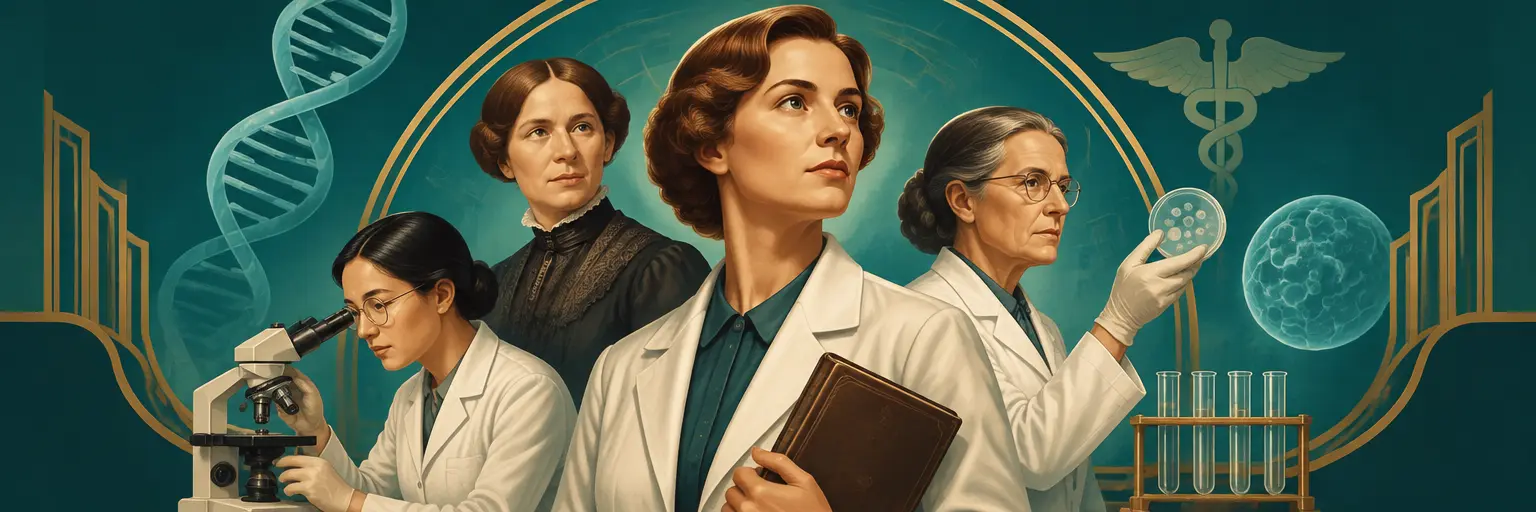
Welcome to the dedicated corner of WomenInScienceHistory.com where we honor the relentless pioneers who redefined biology and medicine. This subcategory offers deeply researched, engaging biographies of female physicians, geneticists, researchers, and surgeons who broke barriers despite systemic opposition. From Nobel laureates to unsung heroes, these narratives spotlight perseverance, innovation, and the profound impact of women on global health and life sciences. Dive in to discover their struggles, breakthroughs, and enduring legacies—stories that continue to inspire modern scientists and medical professionals.
🔬 Pioneering Physicians and Medical Innovators
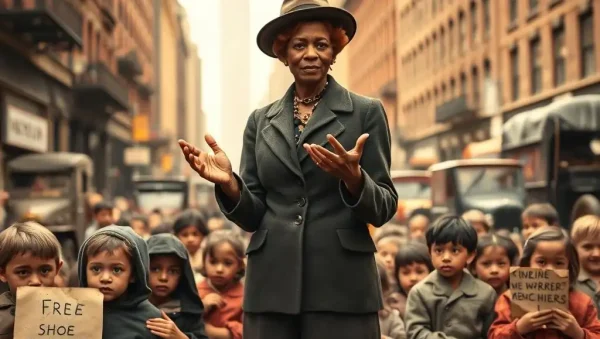
Here, you will encounter women who transformed clinical practice and public health. Read about Elizabeth Blackwell, the first woman to earn a medical degree in the U.S., who founded the New York Infirmary for Women and Children. Also featured is Rebecca Lee Crumpler, the first Black woman to become a physician, whose work among freed slaves post-Civil War reshaped community medicine. These biographies emphasize their relentless advocacy for women’s health, sanitation reforms, and accessible care for marginalized populations.
Beyond their clinical achievements, these stories reveal the institutional hurdles they faced—male-only lecture halls, denied internships, and hostile medical boards. Yet each innovator leveraged her unique position to create lasting institutions, treat epidemics, and mentor future female doctors. Expect detailed timelines of their education, practice settings, and published works, enriched with archival quotes that bring their determination to life. This section serves as both a historical record and a motivational blueprint for aspiring health professionals.
🧬 Genetics and Molecular Biology Groundbreakers
This subcategory profiles women whose fundamental discoveries shaped modern genetics and biochemistry. Learn about Barbara McClintock, whose work on maize chromosomes earned a Nobel Prize but was rejected for decades before validation. Similarly, discover Rosalind Franklin’s crucial X-ray diffraction images that were instrumental in the DNA double-helix model—yet her contribution was systematically downplayed. Each biography unpacks the experimental methods, failed hypotheses, and eventual recognition that followed their indispensable contributions.
Readers will also meet lesser-known yet pivotal figures like Esther Lederberg, who pioneered lambda phage research and replica plating, and Nettie Stevens, whose early 20th-century work identified sex chromosomes. The narratives emphasize how sexism delayed peer recognition, funding, and publication credits, while still celebrating their rigorous scientific processes. Expect detailed explanations of their laboratory techniques, landmark papers, and the collaborative yet often exploitative dynamics with male colleagues, offering a nuanced view of scientific practice during their eras.
🩺 Women in Surgery and Clinical Research
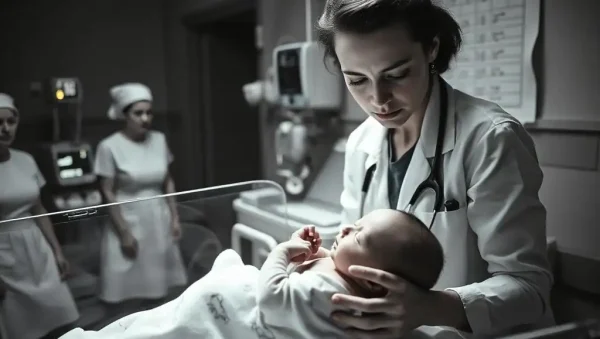
Focusing on surgical pioneers, this section highlights figures like Mary Edwards Walker, the only woman Medal of Honor recipient and a Civil War surgeon, plus Virginia Apgar, who created the Apgar Score to assess newborn health. These biographies detail their efforts to gain surgical residency positions, develop innovative operative techniques, and advocate for evidence-based patient care. You will learn how they navigated battlefield conditions, operating rooms dominated by men, and institutional policies that barred them from advanced surgical training.
The clinical research angle extends to trailblazers like Helen Brooke Taussig, who founded pediatric cardiology and helped develop the Blalock-Taussig shunt for “blue baby” syndrome. These profiles include primary-source excerpts from surgical logs, hospital administrative battles, and patient success stories. By examining their surgical innovations, mentorship of female trainees, and public health campaigns, the narratives underscore their dual role as healers and systemic reformers. This content is designed to illuminate the intersection of manual skill, scientific reasoning, and social advocacy.
💊 Pharmacology, Epidemiology, and Public Health Champions
This subcategory showcases women who saved millions through drug discovery and disease prevention. Discover Gertrude B. Elion, whose Nobel-winning work led to drugs for leukemia, herpes, and organ transplant rejection, all without a doctoral degree. Also featured is Alice Hamilton, a pioneer in occupational health who identified industrial toxins and fought for workplace safety laws. These biographies detail their laboratory processes, regulatory battles, and interdisciplinary approaches spanning chemistry, toxicology, and social policy.
Each narrative also highlights the collaborative networks they built—both with male scientists and within women’s professional associations—to advance public health. Expect insights into their epidemiological studies, vaccine development (e.g., Gladys Hobby’s work on penicillin), and global health campaigns. Special attention is paid to how they translated laboratory findings into actionable government policies, nonprofit initiatives, and educational programs. These stories demonstrate that impactful medical science often requires persistent advocacy beyond the bench.
🌿 Naturalists, Botanists, and Marine Biologists
This segment celebrates women who expanded biological knowledge through field research, taxonomy, and ecological conservation. Learn about Maria Sibylla Merian, whose 17th-century expeditions and illustrated books on insect metamorphosis were revolutionary, and Jeanne Villepreux-Power, inventor of the first aquarium for studying marine life. Their biographies emphasize meticulous observation, artistic documentation, and fearless exploration across continents—often conducted without formal academic positions or institutional backing.
Further profiles include Ynes Mexia, a botanical collector who discovered over 500 new plant species, and Rachel Carson, whose marine biology research transformed environmental policy. The narratives cover their field journals, specimen collections, and popular science writings that bridged expert knowledge and public awareness. Importantly, these stories illustrate how women leveraged non-traditional roles—as patrons, illustrators, and self-funded explorers—to make enduring contributions. Expect maps of their expeditions, lists of named species, and analyses of how their work informed later ecological movements.
Frequently Asked Questions
How are these biographies selected for accuracy?
Each profile is cross-referenced with primary sources including letters, institutional archives, and peer-reviewed journals. Historians verify publication dates, institutional affiliations, and specific research contributions before inclusion. We prioritize documented evidence over anecdotal claims to ensure reliability.
Are there biographies of lesser-known women included?
Yes, we deliberately feature both famous and marginalized figures, including women of color, disabled scientists, and those from non-Western regions. Our goal is to recover overlooked narratives, not just celebrate established names.
Can I submit a suggestion for a new biography?
Absolutely. We welcome community input via our contact page. Each suggestion undergoes editorial review, and we prioritize figures with sufficient historical documentation to create a substantive profile.
Do the articles include citations for further reading?
Every biography ends with a reference list linking to original papers, archival repositories, and reputable secondary sources. This allows students and researchers to explore primary works directly.
Is this content suitable for educational use?
Definitely. The biographies are written in accessible language, ideal for high school and university coursework. They include quiz questions, discussion prompts, and downloadable PDFs for classroom integration.