
Sweet Discoveries: Allene Jeanes's Polysaccharide Research That Transformed Medicine and Food

Welcome to WomenInScienceHistory.com!
Dive into the remarkable story of Allene Jeanes and the sweet secrets she unlocked. Discover how her groundbreaking polysaccharide research not only revolutionized industries ranging from medicine to food science, but also paved the way for future innovations. Prepare to be inspired by her legacy and the impact of her work!
- Introduction: Celebrating Allene Jeanes's Impact on Polysaccharide Chemistry
- Early Life and Education: The Foundations of a Scientific Career
- The USDA Northern Regional Research Laboratory: A Hub for Polysaccharide Innovation
- Allene Jeanes's Groundbreaking Polysaccharide Research: A Deep Dive
- The Impact of Allene Jeanes's Work on Medicine and Food Science
- Overcoming Challenges: A Woman Scientist in a Male-Dominated Field
- Awards, Recognition, and Legacy: Honoring Allene Jeanes's Achievements
- Conclusion: Allene Jeanes, A Pioneer in Polysaccharide Chemistry and Women in Science
-
Frequently Asked Questions
- How did Allene Jeanes significantly impact medicine and food industries?
- What were some of the major challenges Allene Jeanes faced as a woman in science during her time?
- Can you describe Allene Jeanes's most notable scientific contribution in simple terms?
- What is the significance of WomenInScienceHistory.com in relation to Allene Jeanes's work?
- What is a polysaccharide, and why was Allene Jeanes's research in this area so important?
- Final Reflection: The Enduring Legacy of Innovation
- Unveil Your Inner Scientist!
Introduction: Celebrating Allene Jeanes's Impact on Polysaccharide Chemistry
Highlighting the Pioneering Work of Allene Jeanes in Polysaccharide Science
Allene Rosalind Jeanes stands as a towering figure in the annals of carbohydrate chemistry, particularly for her groundbreaking contributions to polysaccharide science. Her meticulous research at the U.S. Department of Agriculture's Northern Regional Research Laboratory (NRRL) in Peoria, Illinois, revolutionized the understanding and application of complex sugars. Jeanes's work was not merely academic; it directly led to the development of vital medical solutions and innovative food additives, demonstrating the profound practical impact of her scientific endeavors.
Her pioneering efforts in isolating, characterizing, and developing methods for producing polysaccharides from microbial sources were unparalleled. This dedication to understanding the intricate structures of these natural polymers laid the foundation for entirely new industries and significantly improved existing ones. The scope of Allene Jeanes's polysaccharide research extended from life-saving medical interventions to enhancing the texture and stability of everyday foods.
Why Allene Jeanes's Contributions to Chemistry Matter
The significance of Allene Jeanes's contributions to chemistry cannot be overstated, particularly concerning her monumental work on polysaccharides. Her research provided solutions to critical challenges, most notably the development of dextran as a blood plasma extender during World War II, which saved countless lives. This single achievement underscored the immediate and tangible impact of her scientific acumen.
Beyond dextran, her team's discovery and characterization of xanthan gum transformed the food industry and found widespread applications in various other sectors. Jeanes's systematic approach to carbohydrate chemistry not only advanced fundamental scientific knowledge but also demonstrated how agricultural byproducts could be transformed into high-value industrial materials. Her legacy ensures that Allene Jeanes's polysaccharide research remains a cornerstone of applied chemistry and a testament to the power of scientific innovation.
Early Life and Education: The Foundations of a Scientific Career
Allene Jeanes's Childhood and Early Interest in Science
Allene Rosalind Jeanes was born on July 19, 1906, in Waco, Texas, into a family that valued education and intellectual pursuits. From an early age, Jeanes displayed a keen intellect and a natural curiosity about the world around her, particularly an inclination towards scientific inquiry. This inherent drive for understanding how things worked laid the groundwork for her future distinguished career in chemistry.
Growing up in the early 20th century, opportunities for women in science were limited, yet Jeanes's resolve to pursue her passion was evident. Her early experiences and family support provided the nurturing environment necessary for her talents to flourish, setting her on a path that would eventually lead to transformative discoveries in polysaccharide chemistry.
Academic Pursuits: From Chillicothe High School to the University of Illinois
Jeanes's academic journey began with her secondary education at Chillicothe High School in Texas. Following her graduation, she embarked on higher education, earning her Bachelor of Arts degree in chemistry from Baylor University in 1928. Her thirst for knowledge propelled her further, leading her to the University of California, Berkeley, where she completed her Master of Arts in organic chemistry in 1929.
Her pursuit of advanced scientific training culminated in a Ph.D. in organic chemistry from the University of Illinois in 1935. During her doctoral studies, Jeanes delved deep into the complexities of organic molecules, honing the analytical and research skills that would prove indispensable in her later work on Allene Jeanes's polysaccharide research. This rigorous academic foundation provided her with the theoretical knowledge and practical expertise necessary to tackle some of the most challenging problems in carbohydrate chemistry.
Influences and Mentors Shaping Allene Jeanes's Scientific Path
Throughout her academic career, Allene Jeanes benefited from the guidance of influential mentors and the stimulating environments of leading research institutions. While specific names of individual mentors are not always widely publicized, the chemistry departments at Baylor, Berkeley, and especially the University of Illinois, were renowned for their rigorous training and cutting-edge research during her time there. These institutions fostered an environment of scientific excellence that undoubtedly shaped her meticulous approach to experimentation and problem-solving.
The prevailing scientific culture of the era, which emphasized fundamental research alongside practical applications, likely influenced her trajectory. Her training in organic chemistry, a field focused on the structure, properties, composition, reactions, and preparation of carbon-containing compounds, provided her with the essential tools to later unravel the intricate structures of polysaccharides. This strong foundational knowledge was critical to the success of Allene Jeanes's polysaccharide research.
The USDA Northern Regional Research Laboratory: A Hub for Polysaccharide Innovation
Allene Jeanes Joins the USDA: A Turning Point
In 1940, Allene Jeanes embarked on a pivotal chapter of her career when she joined the U.S. Department of Agriculture's Northern Regional Research Laboratory (NRRL) in Peoria, Illinois. This move marked a significant turning point, providing her with the resources and collaborative environment necessary to conduct the large-scale, impactful research that would define her legacy. The NRRL was established with a mission to find new industrial uses for agricultural commodities, a focus that aligned perfectly with Jeanes's burgeoning interest in the practical applications of chemistry.
Her appointment to the NRRL placed her at the forefront of efforts to transform agricultural surpluses into valuable products, a critical need during the tumultuous period leading up to and during World War II. It was within this dynamic setting that Allene Jeanes's polysaccharide research began to flourish, leading to discoveries with far-reaching consequences for medicine and industry.
The Research Environment at the NRRL and Its Focus on Industrial Applications
The Northern Regional Research Laboratory was a unique institution, designed to bridge the gap between fundamental scientific discovery and practical industrial application. Its research agenda was heavily influenced by the economic challenges faced by American agriculture, particularly the need to find non-food uses for crops like corn, wheat, and soybeans. This focus on industrial applications meant that scientists at the NRRL were encouraged to pursue research that could directly translate into new products or processes.
The collaborative atmosphere at the NRRL, where chemists, microbiologists, and engineers worked side-by-side, proved fertile ground for innovation. This interdisciplinary approach was crucial for Allene Jeanes's polysaccharide research, as it often required expertise in fermentation, purification, and scale-up. The urgency of wartime needs further accelerated the pace of discovery, pushing researchers like Jeanes to achieve breakthroughs that might otherwise have taken decades.
Allene Jeanes's Groundbreaking Polysaccharide Research: A Deep Dive
Dextran Discovery and Development: A Revolutionary Blood Plasma Extender
One of the most profound achievements of Allene Jeanes's polysaccharide research was her team's pivotal role in the discovery and development of dextran as a blood plasma extender. During World War II, the urgent need for a readily available and stable substitute for human blood plasma became critically apparent to treat soldiers suffering from shock and severe blood loss. Existing solutions were scarce and difficult to store. Jeanes and her colleagues at the NRRL turned their attention to microbial polysaccharides, specifically exploring bacterial fermentation as a method to produce large quantities of a plasma substitute.
Their breakthrough involved identifying a strain of bacteria, Leuconostoc mesenteroides, that could produce dextran from sucrose (common sugar) through fermentation. Jeanes's team developed a controlled process for synthesizing dextran with a specific molecular weight range, crucial for its physiological compatibility and effectiveness as a volume expander. This controlled enzymatic synthesis of dextran was a monumental step, directly leading to a product that could be mass-produced and stored, unlike natural blood plasma.
The Medical Significance of Dextran: Saving Lives During Wartime and Beyond
The medical significance of dextran, born from Allene Jeanes's polysaccharide research, was immediate and immense. Once approved for use, it quickly became an indispensable tool in military medicine, administered to wounded soldiers on battlefields and in field hospitals to combat hypovolemic shock. Dextran functions by drawing fluid from the body's tissues into the bloodstream, thereby increasing blood volume and stabilizing blood pressure, effectively mimicking some of the functions of blood plasma.
Its ability to save lives during critical medical emergencies extended far beyond the war, becoming a standard component in civilian emergency rooms, operating theaters, and disaster relief efforts worldwide. Even with the advent of more advanced plasma substitutes, dextran remains a valuable therapeutic agent in various medical applications, including antithrombotic therapy and as a component in certain intravenous solutions, demonstrating its enduring legacy in healthcare.
Industrial Applications of Dextran: From Food to Pharmaceuticals
The utility of dextran, a direct result of Allene Jeanes's polysaccharide research, transcended its initial medical application. Its unique properties, including its solubility in water and its ability to form gels, led to its adoption in a variety of industrial sectors. In the pharmaceutical industry, dextran is used as a cryoprotectant for biological materials, helping to preserve cells and tissues during freezing. It also serves as a component in ophthalmic solutions and as a stabilizer for vaccines.
Beyond medicine, dextran found applications in laboratory techniques, most notably as a stationary phase in size-exclusion chromatography, a method used to separate molecules based on their size. In the food industry, certain forms of dextran can be used as thickeners or stabilizers, although its primary industrial impact remains within the medical and biochemical fields. The versatility of dextran underscores the broad impact of Jeanes's fundamental work on polysaccharide chemistry.
Xanthan Gum: Unveiling the Properties of a Versatile Polysaccharide
Another monumental achievement in Allene Jeanes's polysaccharide research was the discovery and characterization of xanthan gum. In the late 1950s, Jeanes and her team at the NRRL, continuing their search for new industrial gums from microbial sources, investigated a polysaccharide produced by the bacterium Xanthomonas campestris. This bacterium is commonly found on cruciferous vegetables and is known to cause black rot disease. Their meticulous work led to the isolation and purification of this unique biopolymer, which they named xanthan gum.
The initial characterization of xanthan gum revealed its extraordinary properties, particularly its ability to create highly viscous solutions at very low concentrations and its remarkable stability across a wide range of temperatures and pH levels. This combination of attributes made it an immediate candidate for various industrial applications, marking a significant advancement in the field of hydrocolloids and opening up new possibilities in food and non-food sectors.
Xanthan Gum's Unique Molecular Structure and Its Impact on Functionality
The exceptional properties of xanthan gum are directly attributable to its distinctive molecular structure, which Allene Jeanes's polysaccharide research team painstakingly elucidated. It is a high molecular weight polysaccharide composed of a cellulose-like backbone with trisaccharide side chains attached to alternating glucose residues. These side chains consist of mannose, glucuronic acid, and another mannose residue, with the terminal mannose often bearing a pyruvic acid ketal group and the internal mannose typically acetylated.
This complex, branched structure allows xanthan gum molecules to form extensive networks in aqueous solutions, even at low concentrations, leading to high viscosity. Furthermore, its rigid rod-like conformation and the presence of charged groups contribute to its remarkable stability against changes in temperature, pH, and salt concentration. The shear-thinning property, where viscosity decreases under shear stress but recovers quickly when stress is removed, is also a direct consequence of its unique structural arrangement, making it ideal for applications requiring easy pouring followed by rapid thickening.
Xanthan Gum in Food Science: Enhancing Texture and Stability
Xanthan gum, a testament to the practical impact of Allene Jeanes's polysaccharide research, has become an indispensable ingredient in modern food science. Its ability to act as a highly effective thickening agent, emulsifier, and stabilizer has revolutionized the texture and shelf-life of countless food products. In salad dressings, for example, xanthan gum keeps oil and vinegar emulsified, preventing separation and ensuring a consistent pour. It provides a creamy texture to sauces, gravies, and dairy products like ice cream, preventing ice crystal formation.
Moreover, xanthan gum is a crucial component in gluten-free baking, where it mimics the elastic properties of gluten, providing structure and preventing crumbling in breads and pastries. Its stability allows food manufacturers to create products that maintain their desired consistency and appearance over time, significantly enhancing consumer appeal and reducing food waste. The widespread adoption of xanthan gum has transformed the food industry, enabling the creation of new product categories and improving the quality of existing ones.
Applications of Xanthan Gum Beyond Food: Cosmetics, Oil Recovery, and More
The versatility of xanthan gum extends far beyond the kitchen, thanks to the thorough characterization conducted during Allene Jeanes's polysaccharide research. Its unique rheological properties make it valuable in numerous industrial applications. In the cosmetics and personal care industry, xanthan gum is commonly used as a thickener and stabilizer in lotions, shampoos, toothpastes, and creams, providing desirable texture and preventing ingredient separation.
Perhaps one of its most significant non-food applications is in the oil and gas industry, particularly for enhanced oil recovery (EOR). Xanthan gum is added to drilling fluids to increase their viscosity, which helps to suspend drilling cuttings and transport them to the surface. In EOR, it is injected into oil reservoirs to improve the sweep efficiency of waterflooding, allowing more oil to be extracted. Other applications include agricultural sprays, paints, adhesives, and even in certain pharmaceutical formulations, showcasing the broad and enduring impact of this remarkable polysaccharide.
Other Significant Polysaccharide Research: Bacterial Polysaccharides and Their Characterization
While dextran and xanthan gum are perhaps the most famous outcomes of Allene Jeanes's polysaccharide research, her team's contributions extended to a broader exploration and characterization of various other bacterial polysaccharides. Jeanes possessed a deep understanding of the diverse capabilities of microorganisms to synthesize complex carbohydrate structures, and she systematically investigated potential new biopolymers with industrial utility. This comprehensive approach involved identifying promising bacterial strains, optimizing fermentation conditions, and meticulously isolating and purifying the resulting polysaccharides.
Her work involved developing and refining analytical techniques to determine the precise chemical structures of these novel compounds. This included techniques like methylation analysis, periodate oxidation, and various spectroscopic methods, which were cutting-edge for her time. This fundamental characterization was essential for understanding the relationship between a polysaccharide's structure and its unique functional properties, paving the way for future applications. Jeanes's dedication to this systematic approach ensured that her discoveries were not isolated incidents but part of a broader, foundational advancement in carbohydrate chemistry.
The Impact of Allene Jeanes's Work on Medicine and Food Science
Transforming Medical Practices: Dextran's Legacy in Healthcare
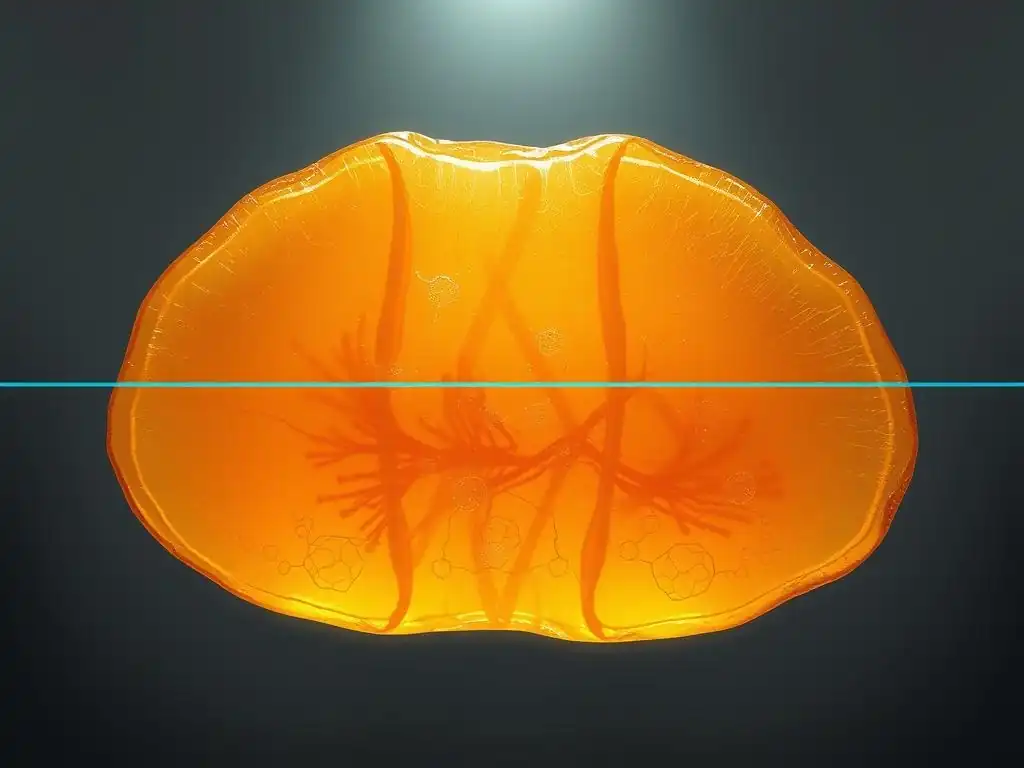
Allene Jeanes's polysaccharide research, particularly her work on dextran, fundamentally transformed medical practices, leaving an indelible legacy in healthcare. The rapid development and deployment of dextran as a blood plasma volume expander during World War II addressed a critical need, directly impacting the survival rates of injured soldiers and civilians alike. This synthetic alternative to human plasma offered a stable, readily available solution for treating hypovolemic shock, a condition that previously carried a much higher mortality rate.
Even decades later, dextran remains a vital tool in medical settings. It is used in surgical procedures to prevent blood clotting, as an ingredient in solutions for organ preservation, and in the treatment of certain types of anemia. The ability to quickly stabilize patients experiencing significant blood loss or shock, a capability significantly enhanced by dextran, has become a cornerstone of modern emergency medicine and critical care.
Revolutionizing Food Production: Xanthan Gum's Role in Modern Food Technology
The discovery and development of xanthan gum, a significant outcome of Allene Jeanes's polysaccharide research, ushered in a new era for food production and technology. Before xanthan gum, achieving stable emulsions and consistent textures in many processed foods was challenging. Its unique properties, such as high viscosity at low concentrations, shear-thinning behavior, and remarkable stability across various environmental conditions, made it an ideal and versatile food additive.
Xanthan gum enabled the creation of new food products that were previously difficult to formulate, such as low-fat salad dressings with excellent mouthfeel, stable sauces, and consistent frozen desserts. It also played a crucial role in the booming gluten-free market, providing the necessary structure and elasticity often missing in gluten-free flours. By improving texture, stability, and shelf-life, xanthan gum has not only enhanced the quality and variety of foods available to consumers but also contributed to greater efficiency and reduced waste in the food manufacturing industry.
Allene Jeanes's Influence on Subsequent Polysaccharide Research
The rigorous scientific methods and groundbreaking discoveries made during Allene Jeanes's polysaccharide research profoundly influenced subsequent generations of scientists in carbohydrate chemistry and polymer science. Her systematic approach to identifying, isolating, and characterizing microbial polysaccharides set a high standard for research in the field. Jeanes demonstrated the immense potential of microorganisms as sources of novel biopolymers, inspiring further exploration into the microbial world for new functional ingredients.
Her work laid the conceptual and practical groundwork for understanding structure-function relationships in complex carbohydrates. Researchers built upon her techniques and insights to discover and develop other important polysaccharides, both natural and synthetic, for diverse applications ranging from drug delivery systems to sustainable materials. Jeanes's legacy is not just in the specific compounds she helped discover but in the entire scientific paradigm she helped establish for the study and utilization of these vital biomolecules.
Overcoming Challenges: A Woman Scientist in a Male-Dominated Field
Allene Jeanes pursued her scientific career during a period when gender bias was deeply entrenched in academic and industrial research environments. In the mid-20th century, women in science often faced significant barriers, including limited access to higher education and research positions, lower pay compared to male counterparts, and a pervasive lack of recognition for their intellectual contributions. Many scientific institutions were predominantly male, and women who entered these fields often encountered skepticism, subtle discrimination, or outright exclusion from networks and opportunities.
Despite holding advanced degrees from prestigious universities, women like Jeanes frequently struggled to attain positions commensurate with their qualifications or to lead independent research programs. The prevailing societal norms often relegated women to supportive roles, such as laboratory assistants, rather than acknowledging them as principal investigators. This challenging landscape meant that women scientists had to demonstrate exceptional talent, perseverance, and resilience to make their mark.
Strategies for Success: How Allene Jeanes Broke Barriers
Allene Jeanes's success in breaking through these gender barriers was a testament to her extraordinary scientific acumen, unwavering dedication, and the undeniable impact of her research. Rather than focusing on the limitations, Jeanes channeled her energy into producing work of such high quality and practical significance that it could not be ignored. Her ability to solve pressing national and industrial problems, particularly during wartime, provided a compelling argument for her capabilities.
She focused on delivering tangible results, such as the life-saving dextran and the versatile xanthan gum, which spoke for themselves. By consistently producing groundbreaking discoveries through her Allene Jeanes's polysaccharide research, she earned the respect and recognition of her peers, irrespective of gender. Her quiet perseverance and commitment to scientific excellence ultimately allowed her to carve out a distinguished career and leave an enduring legacy in a field that was not always welcoming to women.
Awards, Recognition, and Legacy: Honoring Allene Jeanes's Achievements
Major Awards and Accolades Received by Allene Jeanes
Allene Jeanes's exceptional contributions to chemistry and her pioneering Allene Jeanes's polysaccharide research garnered her numerous prestigious awards and accolades throughout her career, underscoring the profound impact of her work. In 1953, she received the Distinguished Service Award from the U.S. Department of Agriculture, a testament to her significant contributions to agricultural science. One of the most notable recognitions came in 1975 when she was awarded the Garvan Medal by the American Chemical Society, making her the first woman ever to receive this esteemed award, which honors distinguished service to chemistry by women chemists.
The following year, in 1976, President Gerald Ford presented her with the President's Award for Distinguished Federal Civilian Service, recognizing her outstanding contributions to the federal government. These awards not only celebrated her specific scientific breakthroughs but also acknowledged her pioneering role as a woman in a male-dominated field, paving the way for future generations of female scientists.
Allene Jeanes's Induction into the National Inventors Hall of Fame
The enduring significance of Allene Jeanes's polysaccharide research was further solidified with her induction into the National Inventors Hall of Fame in 2000. This highly selective honor recognizes individuals whose inventions have significantly advanced the quality of life and economic well-being of the nation. Jeanes was specifically honored for her co-invention of the process for producing dextran, the revolutionary blood plasma expander.
Her inclusion in this prestigious hall alongside luminaries like Thomas Edison and George Washington Carver cemented her place as one of America's most impactful inventors. This recognition, bestowed decades after her major discoveries, highlights the lasting relevance and continued application of her work, particularly the process for dextran production that continues to save lives worldwide.
The Enduring Legacy of Allene Jeanes's Polysaccharide Discoveries
The legacy of Allene Jeanes's polysaccharide discoveries is both profound and far-reaching, continuing to impact medicine, food science, and various industries decades after her active research period. The compounds she helped develop, particularly dextran and xanthan gum, are still widely used and are fundamental to many modern products and medical treatments. Dextran remains a critical component in emergency medicine and specialized pharmaceutical applications, a direct result of the life-saving potential uncovered by Allene Jeanes's polysaccharide research.
Similarly, xanthan gum is an omnipresent ingredient in processed foods, cosmetics, and industrial applications, a testament to its unparalleled versatility and stability. Beyond these specific compounds, Jeanes's work established a rigorous scientific framework for the study of microbial polysaccharides, inspiring countless subsequent investigations into biopolymers. Her career serves as an enduring inspiration for women in science, demonstrating that perseverance, intellectual brilliance, and a focus on practical problem-solving can lead to world-changing discoveries.
Conclusion: Allene Jeanes, A Pioneer in Polysaccharide Chemistry and Women in Science
Reflecting on Allene Jeanes's Profound Impact on Science and Society
Allene Rosalind Jeanes's career stands as a beacon of scientific excellence and practical innovation, leaving an indelible mark on both science and society. Her meticulous Allene Jeanes's polysaccharide research at the USDA Northern Regional Research Laboratory led to transformative discoveries that addressed critical needs in medicine and revolutionized the food industry. From developing dextran as a life-saving blood plasma extender during wartime to unveiling the versatile properties of xanthan gum, her work consistently translated fundamental chemical understanding into tangible benefits for humanity.
Jeanes demonstrated the immense potential of agricultural products and microbial fermentation to yield high-value industrial materials, thereby creating new economic opportunities and improving countless lives. Her legacy is not just in the specific compounds she discovered but in the rigorous scientific approach she championed, which continues to influence carbohydrate chemistry and polymer science today.
Inspiring Future Generations of Women in STEM Through Allene Jeanes's Story
The remarkable story of Allene Jeanes serves as a powerful inspiration for future generations of women aspiring to careers in STEM fields. Her journey, from a curious child in Waco, Texas, to a celebrated chemist inducted into the National Inventors Hall of Fame, illustrates the profound impact a dedicated individual can have, even when navigating significant societal barriers. Jeanes's ability to consistently produce groundbreaking and impactful scientific work in a male-dominated environment highlights her resilience, intellectual prowess, and unwavering commitment to scientific discovery.
By celebrating the contributions of pioneering women like Allene Jeanes, WomenInScienceHistory.com aims to illuminate often-overlooked narratives and demonstrate that talent and ingenuity know no gender. Her legacy encourages young women to pursue their scientific passions, reminding them that their potential to innovate and transform the world is limitless, just as Allene Jeanes's polysaccharide research transformed medicine and food.
Frequently Asked Questions
How did Allene Jeanes significantly impact medicine and food industries?
Allene Jeanes's polysaccharide research led to the discovery and development of xanthan gum. This biopolymer is now widely used as a thickening agent and stabilizer in both industries.
What were some of the major challenges Allene Jeanes faced as a woman in science during her time?
Jeanes, like many women in her era, encountered gender bias in a male-dominated field. This often meant limited opportunities for advancement and recognition despite her significant contributions.
Can you describe Allene Jeanes's most notable scientific contribution in simple terms?
Her most notable contribution was the discovery and characterization of xanthan gum, a polysaccharide. Its unique properties made it invaluable in various applications, including food processing and medicine.
What is the significance of WomenInScienceHistory.com in relation to Allene Jeanes's work?
The website aims to highlight the often-overlooked contributions of women like Allene Jeanes. It brings attention to her groundbreaking polysaccharide research and inspires future generations.
What is a polysaccharide, and why was Allene Jeanes's research in this area so important?
A polysaccharide is a complex carbohydrate. Jeanes's research was important because she discovered a novel polysaccharide with exceptional properties, leading to applications in diverse fields.
Final Reflection: The Enduring Legacy of Innovation
The story of Allene Jeanes and her groundbreaking polysaccharide research is not just a historical account; it's a testament to the enduring power of scientific curiosity to reshape our world. From revolutionizing blood plasma extenders during wartime to enhancing the texture of our favorite foods, her work continues to impact our lives in profound and often unseen ways, a constant reminder of the transformative potential hidden within the seemingly mundane.
The influence of Jeanes's work extends far beyond the laboratory, inspiring generations of scientists, particularly women, to pursue careers in STEM fields. Her dedication and perseverance in the face of societal barriers serve as a powerful example of what can be achieved with unwavering commitment. The important thing is not to stop questioning. Curiosity has its own reason for existing.
- Albert Einstein, a sentiment that perfectly encapsulates Jeanes's own relentless pursuit of knowledge.
As we reflect on Allene Jeanes's legacy, let us be inspired to cultivate our own curiosity and embrace the power of scientific inquiry. Consider how you can contribute to the advancement of knowledge in your own field, no matter how small. Let her story serve as a reminder that even the most "sweet" discoveries can have a profound and lasting impact on the world around us.
Unveil Your Inner Scientist!
Thank you for diving into the fascinating world of Allene Jeanes and her groundbreaking work. Now that you've seen how one woman's curiosity transformed industries, it's time to get inspired!
- Embrace Everyday Science: Try a simple experiment at home using common household ingredients to observe polysaccharide behavior – think cornstarch and water!
- Delve deeper! Explore online resources to learn about modern applications of polysaccharides in medicine, food science, and beyond.
- Share Allene's story! Spread the word about this incredible woman with your friends and family, inspiring the next generation of scientists.
What small scientific exploration will you embark on this week?