
Alice Ball: The Young Chemist Who Found a Leprosy Treatment, Lost and Rediscovered


Welcome to WomenInScienceHistory.com, a space dedicated to uncovering the remarkable stories of female scientists throughout history. Delve into the lives and achievements of women who defied expectations and shaped the world of science. Ever heard of Alice Ball? Discover how this young chemist developed a revolutionary leprosy treatment, a breakthrough almost lost to history, and learn about her enduring legacy. Prepare to be inspired by the incredible journey of Alice Ball and the countless other women whose scientific contributions deserve to be celebrated.
- Alice Ball: The Chemist Who Revolutionized Leprosy Treatment
- Introduction to Alice Ball and Her Impact on Leprosy Treatment
- Early Life and Education: The Foundations of a Scientific Career
- Groundbreaking Research on Leprosy Treatment
- The Ball Method: A Closer Examination of the Treatment
- Overlooked Contributions: The Delayed Recognition of Alice Ball's Work
- Rediscovering Alice Ball: Restoring Her Place in History
- Alice Ball's Enduring Legacy: Inspiring Future Scientists
- Timeline of Key Events in Alice Ball's Life and Research
- Further Research and Resources
- Conclusion: Alice Ball, A Pioneer in Chemistry and a Champion for Women in Science
- Frequently Asked Questions
- Final Reflection: The Enduring Legacy of Discovery
- Ignite Change: Honor Alice Ball's Legacy!
Alice Ball: The Chemist Who Revolutionized Leprosy Treatment
Introduction to Alice Ball and Her Impact on Leprosy Treatment
Recognizing the Contributions of Women in Chemistry: Alice Ball
Alice Augusta Ball, a brilliant African American chemist, made an indelible mark on medical history despite her tragically short life. Born in Seattle, Washington, in 1892, Ball's groundbreaking research at the University of Hawaii led to the development of the most effective treatment for leprosy during her era. Her innovative approach not only provided relief to countless sufferers of this debilitating disease but also challenged the prevailing scientific norms, making her a pivotal figure in the Alice Ball leprosy treatment history. Her work stands as a powerful testament to the often-overlooked contributions of women and minorities in scientific advancements.
Her discovery, known as the "Ball Method," revolutionized the care for leprosy patients who, for centuries, had faced severe stigma and often lifelong isolation. Before her intervention, effective relief from leprosy was virtually nonexistent, and the available treatments were crude and highly distressing. Alice Ball's unique chemical process transformed a problematic traditional remedy into a viable, injectable solution, directly impacting public health on a global scale.
The Enduring Importance of Alice Ball's Legacy
The Ball Method remained the leading leprosy treatment for over two decades, until the advent of sulphone drugs in the 1940s. During its prominence, it enabled thousands of patients to leave isolated colonies and return to their families and communities, marking a profound humanitarian shift. This profound impact underscores the enduring importance of Alice Ball's scientific contributions and her role in shaping the Alice Ball leprosy treatment history.
Beyond her direct medical impact, Alice Ball's story is crucial for understanding the challenges faced by women in science throughout history. Her journey from student to pioneering researcher, and the subsequent misattribution of her work, highlights systemic biases within academia and medicine. Recognizing her legacy today not only corrects a historical injustice but also inspires future generations, particularly young women and people of color, to pursue careers in chemistry and other scientific fields, knowing their potential to effect significant change.
Early Life and Education: The Foundations of a Scientific Career
Academic Excellence and Early Interest in Chemistry
Alice Augusta Ball was born into a middle-class family with a strong intellectual background; her grandfather, James P. Ball Sr., was a renowned photographer and one of the first African Americans to learn daguerreotypy. This environment fostered her early interest in science. She attended the University of Washington, where she earned two bachelor's degrees in pharmaceutical chemistry (1912) and pharmacy (1914). Her rigorous academic foundation was evident early on, as she co-authored a 10-page paper in the prestigious Journal of the American Chemical Society in 1914, a remarkable achievement for an undergraduate student.
Following her studies in Seattle, Alice Ball was offered a scholarship to pursue graduate research at the University of Hawaii. In 1915, she became the first woman and the first African American to earn a master's degree in chemistry from the institution. Her master's thesis focused on the chemical properties of Piper methysticum, commonly known as kava, laying the groundwork for her later work with complex plant oils. Her exceptional academic record and research potential quickly distinguished her among her peers and professors.
Alice Ball's decision to pursue a career in chemistry in the early 20th century placed her at the forefront of a male-dominated field. At the University of Hawaii, she was not only a graduate student but also the university's first female chemistry instructor, a position rarely held by women, let alone African American women, at that time. This role required immense perseverance and intellect to overcome the inherent biases and limited opportunities prevalent in academic institutions of the era.
The scientific community often marginalized women, making it challenging for them to secure research positions, gain recognition, or even be taken seriously. Alice Ball's presence in a laboratory and as an instructor was a significant step in breaking down these barriers. Her ability to thrive in such an environment speaks volumes about her determination, talent, and passion for scientific discovery, setting a precedent for future generations of women in STEM.
Groundbreaking Research on Leprosy Treatment
The State of Leprosy Treatment Before the Ball Method
Prior to Alice Ball's intervention, leprosy, or Hansen's disease, was a devastating and highly stigmatized condition. Patients were often banished to isolated colonies, such as Kalaupapa on Molokai in Hawaii, where they faced a bleak existence with little hope of recovery. The primary, albeit ineffective, treatment involved the oral administration of crude chaulmoogra oil, derived from the seeds of the Hydnocarpus wightianus tree. This oil was notoriously difficult to ingest due to its foul taste and consistency, causing severe nausea, vomiting, and stomach upset, which often led to patients discontinuing the treatment.
The oral route also meant inconsistent absorption of the active compounds, resulting in minimal therapeutic benefit. Physicians and patients alike were desperate for a more humane and efficacious solution that could alleviate the suffering and potentially cure the disease. The existing methods failed to significantly improve patients' conditions, perpetuating the cycle of isolation and despair for those afflicted.
The Ethyl Ester Injection: Alice Ball's Innovative Solution
It was within this desperate context that Dr. Harry T. Hollmann, a physician at Kalihi Hospital in Hawaii, approached Alice Ball. He recognized her expertise in organic chemistry and challenged her to develop a more soluble and injectable form of chaulmoogra oil. Ball dedicated herself to this complex chemical problem, working tirelessly to isolate the active compounds within the oil and modify them. Her innovative solution involved esterifying the fatty acids of chaulmoogra oil, creating ethyl esters.
This chemical modification was pivotal. By converting the oil into a stable, injectable form, Alice Ball circumvented the severe gastrointestinal side effects associated with oral ingestion. The ethyl ester solution could be administered intramuscularly, allowing for consistent and effective absorption of the therapeutic compounds directly into the bloodstream. This breakthrough marked a turning point in Alice Ball leprosy treatment history, offering a viable and humane option where none truly existed before.
Transforming Chaulmoogra Oil: A Breakthrough in Leprosy Care
Alice Ball's method transformed the impractical, crude chaulmoogra oil into a refined, manageable pharmaceutical product. The injectable ethyl esters were stable, non-irritating, and could be safely administered to patients. This innovation meant that for the first time, individuals suffering from leprosy could receive regular, therapeutic doses of the active medication without enduring debilitating side effects.
The direct consequence of this breakthrough was revolutionary for leprosy care. Patients who previously could not tolerate the oral oil now had a treatment they could adhere to, leading to significant improvements in their condition. Within a few years of its implementation, numerous patients at Kalihi Hospital and other facilities began to show signs of recovery, with some even being discharged from isolation, a previously unthinkable outcome. This tangible success firmly established the Ball Method as a landmark achievement in Alice Ball leprosy treatment history.
The Ball Method: A Closer Examination of the Treatment
The Science Behind the Ball Method
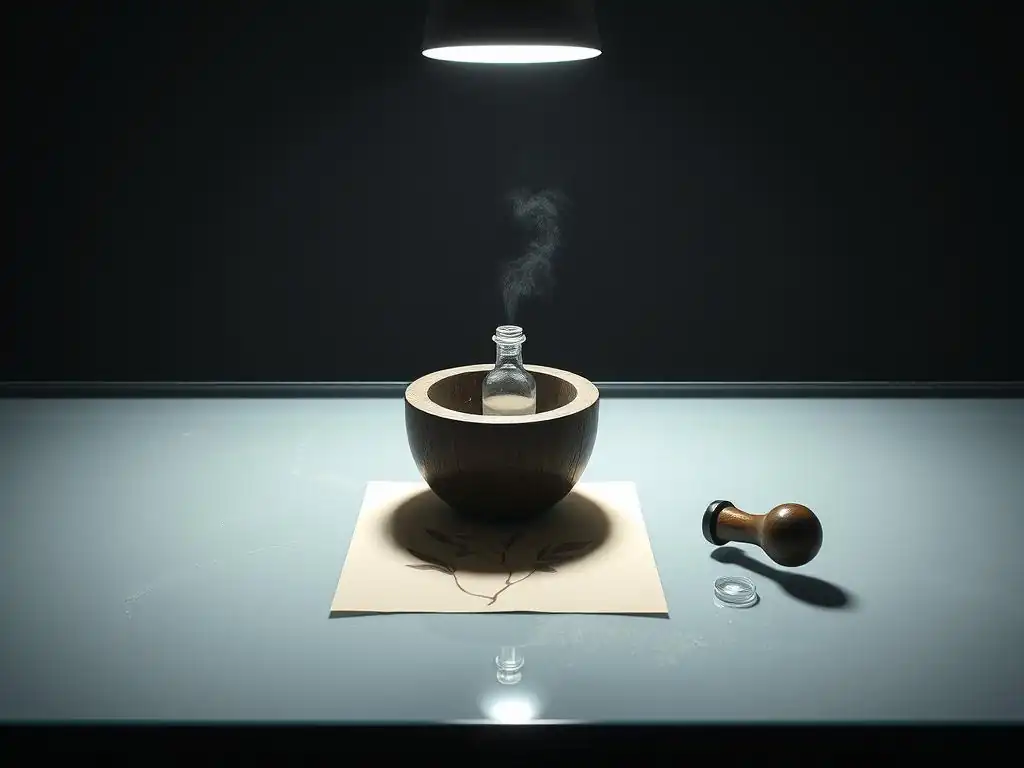
At the heart of the Ball Method was Alice Ball's sophisticated understanding of organic chemistry. She recognized that the therapeutic properties of chaulmoogra oil were locked within its unique fatty acids, particularly hydnocarpic acid and chaulmoogric acid. The challenge was that these acids, in their natural triglyceride form, were insoluble in water and irritating when injected. Ball's ingenious solution was to isolate these active fatty acids and then convert them into their ethyl ester derivatives.
This esterification process yielded a clear, yellowish-brown solution that was both water-soluble enough for intramuscular injection and stable for storage. The ethyl esters allowed for a gradual release of the active compounds into the body, providing sustained therapeutic effects without the immediate systemic toxicity or local irritation that crude oil injections might have caused. This chemical ingenuity was the foundation of the Alice Ball leprosy treatment history, making it a truly revolutionary pharmacological advance for its time.
The Transformative Impact on Leprosy Patients' Lives
The practical application of the Ball Method had an immediate and profound impact on the lives of leprosy patients worldwide. Before its introduction, the only option for many was lifelong isolation in remote colonies, effectively condemning them to a marginalized existence. With the advent of the injectable ethyl esters, patients could receive regular, tolerable treatment that led to visible improvements in their symptoms, including the healing of skin lesions and nerve damage.
Crucially, the effectiveness of the Ball Method meant that hundreds, and eventually thousands, of patients were able to leave the confines of isolation facilities like Kalaupapa, returning to their families and communities. This represented a fundamental shift from a policy of segregation to one of rehabilitation and reintegration. The Ball Method not only offered medical relief but also restored dignity and hope to countless individuals, changing the narrative of leprosy from an incurable curse to a manageable disease, a testament to the power of Alice Ball leprosy treatment history.
Overlooked Contributions: The Delayed Recognition of Alice Ball's Work
Initial Misattribution and the Lack of Recognition
Tragically, Alice Ball's life was cut short at the age of 24 in 1916, likely due to chlorine poisoning from a laboratory accident during her research. Her untimely death left her groundbreaking work unfinished, but her method was already proving successful.
However, following her passing, Arthur L. Dean, the president of the University of Hawaii and a chemist himself, continued her research and published the findings without fully acknowledging Ball's pivotal role. He even began producing large quantities of the injectable extract, which became widely known as the "Dean Method," effectively erasing Alice Ball from the narrative of her own discovery.
This misattribution was a consequence of systemic biases prevalent in the early 20th century. As an African American woman, Alice Ball's contributions were more easily overlooked or appropriated by powerful male figures in academia. The lack of proper attribution meant that for decades, the scientific community and the public were unaware of the brilliant young chemist behind the most effective leprosy treatment of the time, a significant injustice in Alice Ball leprosy treatment history.
Addressing the Erasure of Alice Ball's Contributions
For many years, the "Dean Method" was celebrated, while Alice Ball's name remained largely absent from textbooks, medical journals, and historical accounts. This erasure deprived her of the credit she rightfully deserved and perpetuated a distorted view of scientific progress. Her work was adopted globally, improving the lives of countless individuals, yet the innovator herself remained largely unacknowledged.
The historical record's failure to properly credit Alice Ball is a stark example of how gender and racial biases can obscure significant scientific achievements. It highlights the importance of critically examining historical narratives to ensure that the contributions of all individuals, particularly those from marginalized groups, are recognized and celebrated. The long period of her unrecognized genius underscores the imperative to actively seek out and correct such historical omissions, ensuring a more accurate and inclusive Alice Ball leprosy treatment history.
Rediscovering Alice Ball: Restoring Her Place in History
Efforts to Correct the Historical Record
While Arthur L. Dean initially took credit for the Ball Method, there were early, albeit limited, efforts to correct the historical record. Dr. Harry T. Hollmann, the physician who originally encouraged Alice Ball's research, publicly acknowledged her crucial role in a 1917 medical journal article, calling it the "Ball Method." However, Hollmann's attempts were largely overshadowed by Dean's more prominent publications and administrative power.
It was not until much later, in the late 20th and early 21st centuries, that renewed efforts began to fully restore Alice Ball's rightful place in scientific history. Historians, particularly those focusing on women in science history, and advocates began to unearth her story, highlighting the injustice of her overlooked contributions. These modern efforts have included dedicated research into university archives, public lectures, and educational initiatives aimed at shedding light on her pioneering work and its true origins.
The Significance of Proper Attribution for Scientific Discoveries
The ongoing process of rediscovering and celebrating Alice Ball underscores the critical importance of proper attribution in scientific discovery. Accurate historical recognition is not merely about correcting past wrongs; it is fundamental to inspiring future generations and fostering a more equitable scientific community. When groundbreaking work, such as the Alice Ball leprosy treatment history, is attributed correctly, it provides authentic role models and demonstrates that innovation can come from anyone, regardless of their background.
Moreover, the story of Alice Ball serves as a powerful reminder to question established narratives and to actively seek out the voices and contributions that may have been historically marginalized. By ensuring that innovators like Alice Ball receive the recognition they deserve, we not only honor their individual brilliance but also promote a more inclusive and truthful understanding of how scientific progress is achieved, encouraging greater diversity in STEM fields.
Alice Ball's Enduring Legacy: Inspiring Future Scientists
Alice Ball's Continuing Influence on Science and Medicine
Although the Ball Method was eventually superseded by sulphone drugs in the 1940s, it remained the gold standard for leprosy treatment for over two decades. Its impact on public health and the humane treatment of patients was immense, providing the first truly effective relief from a devastating disease. Alice Ball's innovative approach to drug delivery—transforming a poorly absorbed oral remedy into an injectable, effective solution—set a precedent for pharmaceutical research and development that continues to influence medicinal chemistry today.
Her methodological rigor, her ability to tackle a complex chemical problem with a practical solution, and her dedication to improving human lives serve as an enduring inspiration. Alice Ball's story highlights the transformative power of chemistry when applied to real-world medical challenges, demonstrating how fundamental scientific research can lead to direct and profound humanitarian benefits. Her legacy extends beyond the specific treatment, emphasizing the value of interdisciplinary collaboration between chemists and medical practitioners.
Honoring Alice Ball: Awards, Recognition, and Remembrance
In recent decades, significant efforts have been made to formally honor Alice Ball and cement her rightful place in Alice Ball leprosy treatment history. In 2000, the University of Hawaii at Manoa dedicated a plaque in her honor and named one of its chemistry laboratories after her. The state of Hawaii officially declared February 29th, her birthdate in a leap year, as "Alice Ball Day," a day to celebrate her life and achievements.
Further recognition includes the naming of Alice Ball Hall at the University of Washington in 2018, a new residence hall dedicated to fostering diversity and inclusion. Her story has also been featured in numerous educational materials, documentaries, and articles aimed at raising public awareness about her contributions and the broader issue of historical recognition for women in chemistry. These honors ensure that Alice Ball's legacy continues to inspire young scientists, particularly women and minorities, to pursue their passions and overcome obstacles in their pursuit of scientific discovery.
Timeline of Key Events in Alice Ball's Life and Research
- 1892: Born on July 24 in Seattle, Washington.
- 1912: Earned bachelor's degrees in pharmaceutical chemistry and pharmacy from the University of Washington.
- 1914: Co-authored a 10-page article in the Journal of the American Chemical Society, a rare feat for an undergraduate.
- 1915: Became the first woman and first African American to earn a master's degree in chemistry from the University of Hawaii. Hired as the university's first female chemistry instructor.
- 1915-1916: Developed the injectable ethyl ester form of chaulmoogra oil, revolutionizing leprosy treatment.
- 1916: Died on December 31 at age 24.
- 1917: Dr. Harry T. Hollmann published an article acknowledging her work, referring to it as the "Ball Method."
- 1918: Arthur L. Dean published on the method, taking credit and calling it the "Dean Method."
- 2000: The University of Hawaii at Manoa dedicated a plaque in her honor and named a chemistry lab after her.
- 2018: A new residence hall at the University of Washington was named Alice Ball Hall.
- Ongoing: February 29th (on leap years) is proclaimed "Alice Ball Day" in Hawaii.
Further Research and Resources
For those interested in delving deeper into the remarkable life and contributions of Alice Ball, a wealth of information can be found in various historical and scientific resources. University archives, particularly those of the University of Hawaii and the University of Washington, contain valuable primary documents related to her academic career and research. Medical journals from the early 20th century provide insight into the challenges of leprosy treatment before and after the Ball Method.
Additionally, numerous contemporary biographies and articles focusing on women in science history offer detailed narratives of her life, the scientific context of her work, and the societal challenges she faced. Exploring these resources can provide a richer understanding of Alice Ball's enduring legacy and the broader efforts to ensure proper attribution for overlooked scientific pioneers.
Conclusion: Alice Ball, A Pioneer in Chemistry and a Champion for Women in Science
Alice Augusta Ball's brief yet impactful life left an indelible mark on medical history. Her groundbreaking work in developing the injectable ethyl esters of chaulmoogra oil fundamentally transformed leprosy treatment, offering hope and healing to countless individuals who had previously faced despair and isolation. Her innovative method stood as the most effective therapy for decades, a testament to her profound scientific insight and dedication.
Beyond her specific discovery, Alice Ball's story is a powerful narrative of resilience and brilliance in the face of systemic barriers. As the first African American woman to earn a master's degree in chemistry from the University of Hawaii and its first female chemistry instructor, she paved the way for future generations.
Her delayed recognition underscores the ongoing importance of actively championing the contributions of women and minorities in science, ensuring that their vital roles in shaping human progress are never again overlooked. Alice Ball remains an inspiring figure, a true pioneer in chemistry and a champion for equity in the scientific world.
Frequently Asked Questions
What was Alice Ball's primary contribution to science?
Alice Ball developed a revolutionary injectable treatment for leprosy using chaulmoogra oil. This Ball Method became the standard treatment for over three decades.
What obstacles did Alice Ball face during her career?
As a woman and a Black woman in the early 20th century, Ball faced significant discrimination and prejudice in a male-dominated scientific field.
Why was Alice Ball's contribution initially overlooked?
Her research was taken over and published by another chemist, Arthur Dean, who did not initially credit her for the Ball Method.
What is "WomenInScienceHistory.com" trying to accomplish?
The website aims to highlight the contributions of women to science, often overlooked in traditional historical accounts, and inspire future generations.
How did Alice Ball's leprosy treatment impact patients?
The Ball Method provided the first effective treatment for leprosy, allowing many patients to return home from isolation facilities and live more normal lives.
Final Reflection: The Enduring Legacy of Discovery
The story of Alice Ball, once obscured, now shines brightly as a testament to the power of perseverance and the enduring impact of scientific breakthroughs. Her groundbreaking work in developing a leprosy treatment, though initially overshadowed, has finally received the recognition it deserves, highlighting the importance of acknowledging and celebrating the contributions of often-overlooked figures in history.
The rediscovery of Alice Ball's story serves as a potent reminder of the biases that can exist within scientific communities and the crucial need to actively seek out and amplify the voices of marginalized individuals. Her legacy extends beyond the realm of chemistry; it's a beacon of hope and inspiration, demonstrating that even in the face of adversity, impactful change is possible. The important thing is to never stop questioning.
- Albert Einstein, a sentiment that perfectly encapsulates Alice Ball's relentless pursuit of a solution.
As we reflect on Alice Ball's journey, let us be inspired to not only celebrate her achievements but also to actively champion inclusivity and equity in all fields. Let us strive to create a world where groundbreaking contributions are recognized regardless of background, and where future generations are empowered to pursue their passions with unwavering determination. Let us all, in our own way, contribute to ensuring that no more stories of brilliance are lost to the shadows of history.
Ignite Change: Honor Alice Ball's Legacy!
Thank you for exploring Alice Ball's incredible story. We hope you've been inspired by her dedication and groundbreaking work. Now it's time to put that inspiration into action!
- Commit to learning more about unsung heroes in science and sharing their stories widely.
- Explore resources that support young women in STEM. Maybe find a local program to volunteer or donate!
- Discuss Alice Ball's impact with your friends and family – could her story inspire the next big breakthrough?
What small step will you take today to champion the voices of women in science history?