Science Journalism & Communication
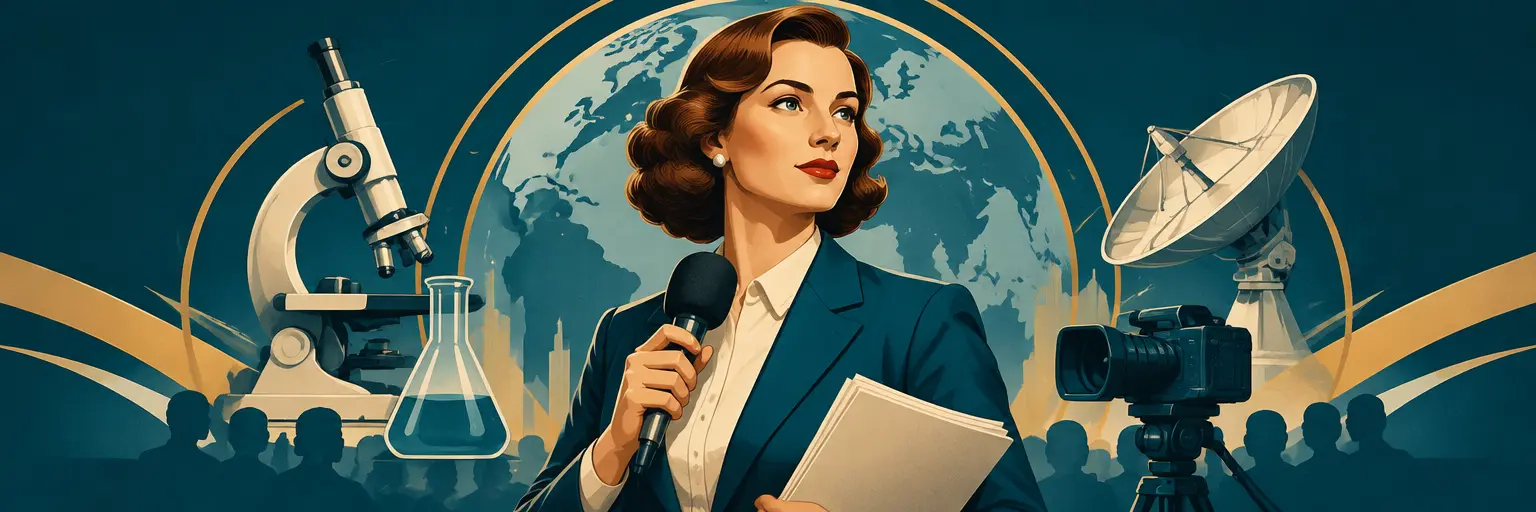
Explore how media, storytelling, and public discourse shape the legacy and visibility of women in science. This category examines the vital role of journalism and communication in amplifying female scientists’ achievements, breaking down systemic biases, and inspiring the next generation of researchers.
📰 Addressing Stereotypes about Women in Science
This section tackles the persistent myths and biases—such as the “lone genius” trope or assumptions about innate ability—that have historically marginalized women in STEM. Readers will find evidence-based analyses of how stereotypes emerge in media, classrooms, and laboratories, plus actionable strategies for dismantling them. Expect profiles of scientists who defied expectations and studies that reveal the subtle ways gender bias still influences hiring, funding, and citation rates. By confronting these narratives head-on, we empower advocates and educators to create more inclusive scientific communities.
📚 Book Reviews: Women in Science
Discover in-depth, critical reviews of biographies, memoirs, and historical accounts that chronicle women’s contributions to science. Each review evaluates accuracy, narrative quality, and the book’s success in placing its subject within broader social and scientific contexts. Whether you’re seeking a compelling read about Marie Curie’s pioneering radioactivity work or a modern analysis of hidden figures in computing, this section helps you choose books that are both enlightening and trustworthy. We highlight works that challenge conventional histories and give voice to previously overlooked pioneers, making this a valuable resource for educators, students, and lifelong learners.
🎙️ Interviews: Contemporary Women in Science
Hear directly from today’s leading female researchers, engineers, and science communicators. These exclusive conversations explore their career trajectories, the obstacles they’ve overcome, and their visions for the future of their fields. Expect candid discussions about mentoring, work-life balance, and the evolving role of women in leadership. Each interview also offers practical advice for aspiring scientists, from navigating academic politics to leveraging social media for research visibility. By spotlighting diverse voices—from astrophysicists to ecologists—this section demonstrates the breadth of modern scientific achievement and provides role models for readers of all ages.
📝 Science Journalism & Women in Science
Uncover how journalistic practices have historically shaped—and sometimes distorted—public perceptions of female scientists. This subcategory analyzes news coverage from the 19th century to today, revealing patterns of omission, trivialization, and sensationalism that persist in some outlets. Readers will learn about pioneering female science journalists who broke barriers and about current efforts to improve diversity in newsrooms. We also provide practical guidance for journalists covering women in STEM, including how to avoid gendered language, source more female experts, and contextualize research contributions accurately. This section is essential for media professionals and anyone interested in more equitable science reporting.
🌍 Science Communication & Women in Science
Examine the dynamic field of science communication—from museum exhibits and public lectures to social media campaigns and community outreach. Here, we highlight how women are using innovative platforms to make complex research accessible and engaging, particularly to underserved audiences. Expect case studies of successful initiatives led by female communicators, such as viral TikTok science explainers or grassroots workshops in rural schools. This section also discusses the unique challenges women face as public science figures, including online harassment and credibility double standards, while offering resilience strategies and best practices for crafting impactful, inclusive communication that resonates across demographics.
🎬 Film Reviews: Women in Science
Explore critical analyses of documentaries, feature films, and biographical dramas that portray female scientists on screen. Each review assesses historical accuracy, character development, and the film’s influence on public understanding of science. We celebrate movies that authentically capture the grit and brilliance of figures like Katherine Johnson and Rosalind Franklin, while flagging productions that resort to clichés or erasure. This subcategory also explores how cinematic portrayals affect young viewers’ career aspirations and provides recommendations for films that are both entertaining and empowering. For educators, we suggest discussion prompts to accompany screenings, making this a versatile tool for classrooms and film clubs.
Frequently Asked Questions
Why is science journalism important for women in science?
Science journalism controls much of the public’s access to scientific discoveries and researcher identities. Historically, it underreported women’s contributions, reinforcing the myth that few women were scientists. Accurate, inclusive journalism helps correct that record, inspires younger generations, and ensures diverse role models are visible. When journalists actively seek out and fairly represent female experts, they also improve the quality of science coverage overall by incorporating varied perspectives.
How can I address stereotypes about women in science?
Start by educating yourself on common biases—like assuming women are less competent or less passionate about research. Challenge these stereotypes in your own language and in workplace discussions. In media consumption, support outlets that feature women scientists prominently and call out ones that don’t. Mentorship and allyship matter too: nominate women for awards, cite their work, and ensure their voices are included in panels and conferences. Finally, using data and personal stories together is the most effective way to shift perceptions.
What are good books about women in science for beginners?
For accessible entry points, try “Headstrong: 52 Women Who Changed Science” by Rachel Swaby, or “The Girls of Atomic City” by Denise Kiernan for a narrative approach. “Rise of the Rocket Girls” by Nathalia Holt covers computing’s female pioneers. Each offers engaging storytelling without requiring technical expertise. For deeper dives, “A Lab of One’s Own” by Patricia Fara and “Inferior” by Angela Saini explore broader patterns of bias. Pair these with our review sections for critical perspectives.
Do women science communicators face unique challenges?
Yes. Research shows female science communicators often face heightened online harassment, more personal appearance scrutiny, and are more likely to have their credibility challenged than male peers. They also navigate pay gaps and fewer speaking invitations. However, many overcome these hurdles by building supportive networks, using social media strategically, and prioritizing reputable platforms. Institutions can help by enforcing anti-harassment policies, providing safety training, and actively promoting women to visible communication roles.
Are films about women in science historically accurate?
Accuracy varies widely. Some films, like “Hidden Figures,” work with historians to capture key events and personalities, though they still condense timelines and simplify technical details for dramatic effect. Others, like “The Imitation Game,” take significant liberties that distort the scientist’s personality and contributions. Our film reviews break down these choices, noting where filmmakers prioritize narrative over fact. We recommend pairing any such film with a scholarly biography or primary sources to get the most complete picture.