Science Communication & Women in Science
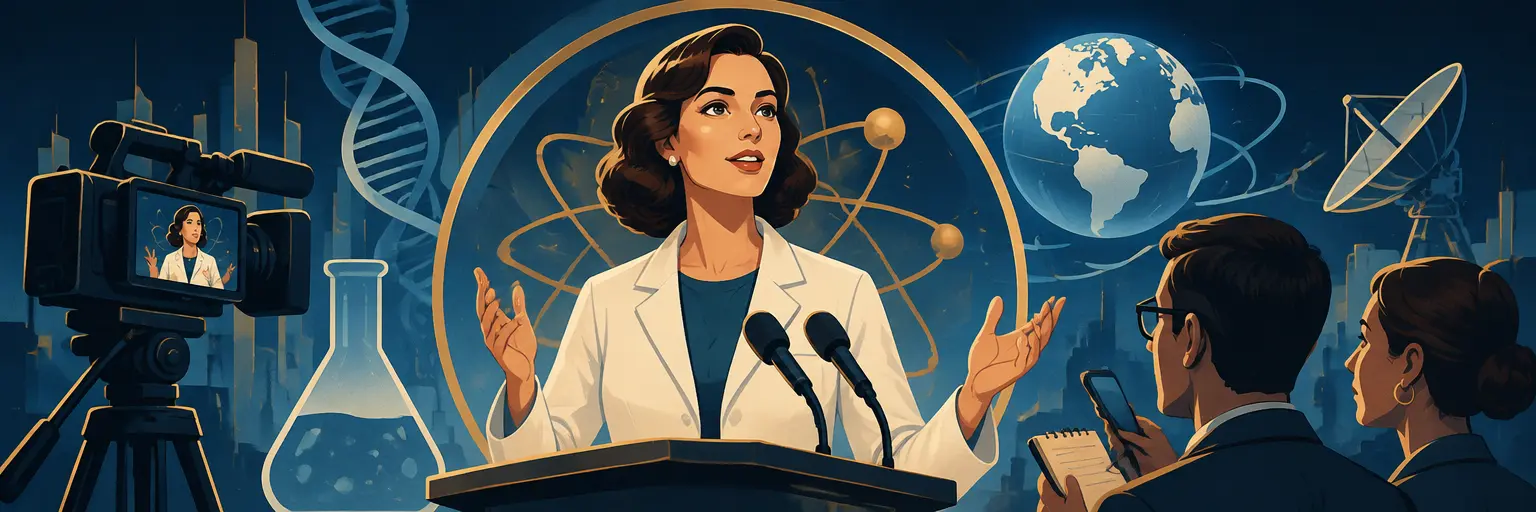
Welcome to the Science Communication & Women in Science subcategory at WomenInScienceHistory.com. Here, we delve into how female scientists have not only advanced knowledge but also shaped the very language and public understanding of science. From early popularizers to modern digital storytellers, this space explores the art of making complex ideas accessible and the vital role women play in bridging the gap between laboratories and living rooms. Expect insights into historical communication strategies, contemporary challenges, and actionable ways to amplify women’s voices in STEM.
🔬 Pioneering Women in Science Communication
This section honors the trailblazers who used writing, lecturing, and broadcasting to bring science to the masses before the internet existed. Figures like Mary Somerville, who translated Laplace’s celestial mechanics for general readers, and Rachel Carson, whose poetic prose in “Silent Spring” ignited the environmental movement, set enduring standards. These women navigated exclusion from formal institutions by creating alternative platforms—from public salons to syndicated newspaper columns—proving that communication itself is a form of scientific leadership.
Readers will discover how these pioneers overcame gender barriers by mastering accessible tone and compelling narrative. Their work didn’t just inform; it persuaded policymakers and shifted cultural norms. By examining their rhetorical techniques, you’ll learn that effective science communication is not a dilution of research but a creative translation that respects both evidence and audience. This historical lens provides a foundational toolkit for anyone aiming to follow in their footsteps.
📚 Modern Strategies for Making Science Accessible
Today, women in science communication leverage blogs, podcasts, YouTube, and social media to dismantle jargon and foster participatory learning. This subcategory highlights case studies of contemporary communicators like Dr. Sarah Rugheimer and Dr. Rohin Francis (although Francis is male, the focus is on female peers such as Dr. Tierney Thys). These creators use analogy, humor, and visual storytelling to explain everything from exoplanets to microbiomes, proving that clarity and rigor can coexist beautifully.
You’ll find practical advice on crafting explainer videos, writing op-eds, or hosting live Q&A sessions that invite curiosity rather than intimidation. Emphasis is placed on adapting tone to different platforms—what works on TikTok differs from a museum exhibit. Additionally, we discuss the ethical responsibilities of translating uncertainty and contested findings without oversimplifying. This section serves as a pragmatic guide for scientists and enthusiasts eager to engage public audiences effectively.
🗞️ Media Representation and Its Impact on Future Generations
Representation matters: when girls see women fronting science documentaries or quoting research in news articles, their sense of belonging in STEM grows. This subcategory analyzes media patterns—from the underrepresentation of female experts in press coverage to the rise of women-centric science podcasts. We explore studies showing that diverse voices increase public trust in science, and we highlight initiatives like the “500 Women Scientists” database that connects journalists with female experts.
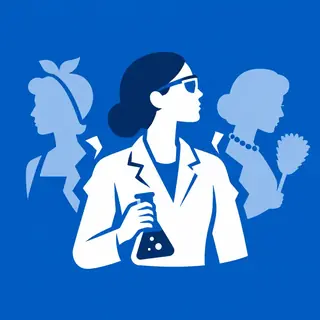
By critically examining stereotypes (e.g., the always-serious female scientist), we unpack how framing affects perception. Readers will learn how to advocate for better media representation, whether by pitching stories to editors or by mentoring young women in communication roles. The goal is to shift the default image of a scientist from male and lab-bound to diverse and community-connected. This isn't just fairness—it's scientific accuracy in a world where fresh perspectives spark innovation.
🎓 Educational Outreach and Mentorship Programs
Hands-on outreach bridges the gap between academic research and classrooms, and women have been pivotal in designing such programs. This subcategory showcases initiatives like SciGirls and Girls Who Code, which combine science communication with mentorship to sustain girls’ interest through middle and high school. We discuss the pedagogy behind effective demos, summer camps, and virtual mentorships that emphasize inquiry and resilience rather than rote memorization.
For educators and professionals, we provide actionable frameworks for starting local STEM clubs or hosting “ask me anything” sessions in schools. Special attention is paid to reaching under-resourced communities, ensuring that communication efforts don’t widen the digital or cultural divide. By fostering reciprocal dialogue—where young learners question and challenge—these programs build confidence and a sense of agency. Historical precedents, like the home science guides written by Ellen Swallow Richards in the 19th century, demonstrate that outreach has always been a two-way street.
🗣️ Overcoming Gender Bias in Public Scientific Discourse
Even with progress, women scientists face unique hurdles in public forums, from being interrupted during talks to having their expertise questioned more often than male peers. This subcategory addresses these biases head-on, offering evidence-based coping and advocacy strategies. We discuss research on conversational dynamics—such as the “manterruption” phenomenon—and share tips for moderators on equitable panel management, including the use of “no interruptions” protocols and balanced speaker lineups.
Readers will explore historical precedents like Barbara McClintock, whose Nobel-winning work was initially dismissed, and how she strategically used written communication to bypass hostile audiences. We also highlight modern support networks and allyship techniques that amplify women’s voices without placing the entire burden on them. This section is both a lens to see systemic challenges and a toolbox with practical steps to create safer, more inclusive spaces for scientific exchange—online and offline.
Frequently Asked Questions
Who is considered the first female science communicator?
Many credit Hypatia of Alexandria (4th century CE) who taught astronomy and mathematics publicly, but in the modern era, Mary Somerville (1780–1872) is often called the “Queen of Nineteenth-Century Science” for her accessible translations of Laplace’s work. Her books like “On the Connexion of the Physical Sciences” sold widely and educated lay readers, setting a precedent for women translating complex research into plain language.
How can a woman scientist start a science communication career?
Start small: begin a blog or a Twitter thread explaining a recent paper you find fascinating. Offer to give a 5-minute “flash talk” at a local university or library. Volunteer with existing STEM outreach groups to gain feedback. More formal paths include science writing fellowships (e.g., AAAS Mass Media Fellowship) or master’s programs in science communication. Persistence and a habit of writing for nonspecialists are key.
What are the biggest barriers women face in science media?
Common hurdles include being selected less often as expert commentators, facing online harassment when speaking publicly, and having their credibility questioned more than male peers. Additionally, media might pigeonhole them into “women’s topics” like health or education rather than cutting-edge physics for engineering. Structural solutions include editor quotas for sourcing female experts and active moderation of comment sections.
Are there any successful historical examples of women who changed public opinion?
Yes, Rachel Carson is the most famous—her 1962 book “Silent Spring” combined rigorous evidence with narrative elegance, directly leading to the U.S. ban on DDT and the creation of the Environmental Protection Agency. Similarly, Jane Goodall transformed primatology and conservation by using storytelling (films, books) to connect audiences with chimpanzee behavior, reshaping public perceptions of animal intelligence.
How can educators integrate women’s science communication into curricula?
Assign primary sources: read excerpts from Marie Curie’s lectures or Lynn Margulis’s popular essays alongside textbook chapters. Ask students to compare how male and female contemporaries described the same discovery. Incorporate student projects where they create their own short videos or posters about a lesser-known woman scientist, then present to peers. This fosters critical media literacy and highlights diverse role models simultaneously.