Science Journalism & Women in Science: Telling Stories That Change History
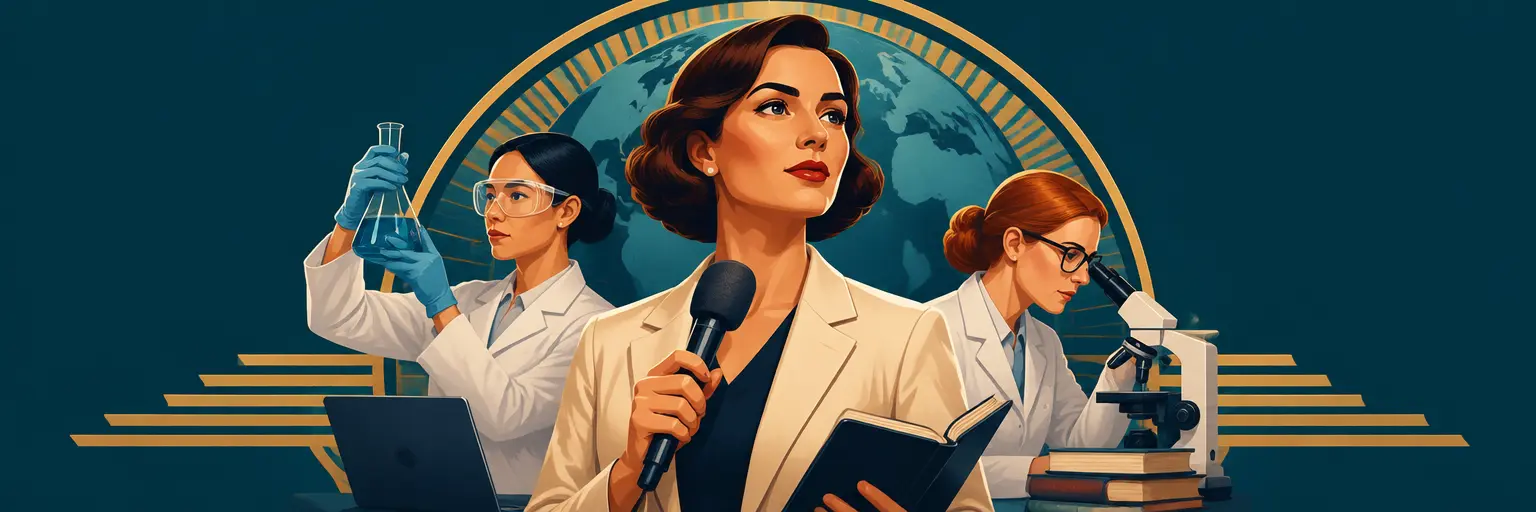
Science journalism has long been a powerful lens through which the public understands discovery—but for centuries, the narratives of women in science were silenced, misattributed, or simply erased. This subcategory of WomenInScienceHistory.com dives deep into the intersection of media, communication, and gender, exploring how reporting has shaped (and sometimes distorted) the legacy of female pioneers. Here, you’ll uncover the craft of science writing itself, the systemic biases that women faced in labs and newsrooms alike, and the modern movement to reclaim these stories. Whether you’re a budding journalist, a history enthusiast, or an educator, this space offers critical context on how facts become fame—and who gets left out of the byline.
📰 The Evolution of Science Journalism’s Gender Gap
Early science journalism was dominated by male editors and male scientists, often portraying women as anomalies or assistants rather than innovators. This section traces how newspapers, magazines, and academic journals from the 18th to mid-20th century framed female researchers—from Marie Curie’s “assistant” label to Rosalind Franklin’s overlooked role in DNA discovery. You’ll read about the explicit gatekeeping policies, like the refusal to publish women’s research under their own names, and how anonymous authorship or male co-authorship obscured their contributions. This historical lens is essential for understanding why public perception of women in science still lags today.
More importantly, this section showcases the pivotal moments when women journalists broke through—think of Ruth Benedict, who translated anthropology for the masses, or Jane Goodall, whose writing made primatology accessible. Their work wasn’t just science communication; it was activism. By framing their discoveries with vivid storytelling, they forced the scientific community to acknowledge female expertise. You’ll also examine how the rise of specialized science magazines in the 1970s, fueled by second-wave feminism, began to correct the record, featuring profiles of women scientists as serious subjects rather than curiosities. Expect a timeline of milestones and annotated excerpts from original articles.
🔬 Case Studies: How Media Misrepresented Female Pioneers
Nothing illustrates the power of science journalism better than a deep dive into specific cases where reporting went wrong—and right. This section offers meticulous case studies on famous figures like Lise Meitner, whose Nobel-worthy fission work was credited to her male colleague; Chien-Shiung Wu, who was excluded from the Nobel despite her experiment overturning a law of physics; and Katherine Johnson, whose computational work at NASA only received mainstream coverage decades later. Each case study provides original source materials, contemporary news coverage, and a modern analysis of how the framing—often focusing on their appearance, marital status, or “emotional” nature—undermined their credibility.
But we don’t stop at critique. We flip the lens to examine journalists who did it right: Ann Druyan’s work with Carl Sagan, or the science writers who tied environmentalism to women-led research in the 1980s. You’ll learn how their careful sourcing, use of direct quotes, and insistence on naming female co-authors helped dismantle stereotypes. Each case study ends with practical journalistic lessons—what to include, what to avoid, and how to ethically cover gendered marginalization without turning subjects into martyrs. This is social history and media training in one.
✍️ Crafting Compelling Stories About Women in Science
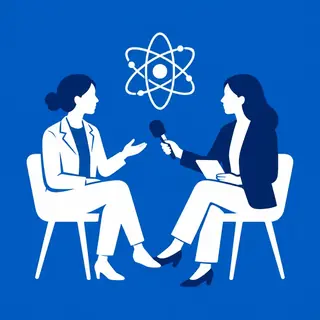
Moving beyond history, this H3 section equips you with the actual skills to write powerful science journalism centered on women. We break down the structure of a feature article: hook with a human moment, establish the scientific stakes in plain language, weave in historical context, and always highlight the collaborative nature of research—because science is rarely solitary. You’ll find templates for interviewing female scientists about their career obstacles without reducing them to their gender, plus tips for fact-checking against institutional archives that may have erased their roles.
We also address the ethical pitfalls unique to this field: avoiding “exceptional woman” narratives, acknowledging intersectionality (race, class, ability), and not sensationalizing struggles at the expense of achievements. Practical exercises include rewriting a Wikipedia page for a forgotten female scientist, pitching an unsung heroine to a major publication, and using SEO keywords like “women’s contributions to genetics” to make your content discoverable. By the end, you’ll have a checklist that turns empathy into actionable, publishable prose—ensuring your work adds to the correction of history rather than repeating its errors.
🌐 Modern Media Landscape: Digital Platforms, Podcasts, and Social Impact
The internet has democratized science journalism, but it has also created new challenges. This section examines how digital outlets, blogs, and podcasts specifically aimed at women in STEM are reshaping public knowledge. We profile pioneers like the Lost Women of Science podcast, which merges investigative reporting with sound design to rescue forgotten figures, and Twitter/X threads that unearth archival finds in real time. You’ll see how algorithms reward sensationalism, sometimes distorting the nuanced work of female science communicators, and why sustained, long-form pieces still matter despite the allure of viral clips.
Here, we also analyze successful crowdfunding campaigns for documentaries on women scientists, the role of Wikipedia edit-a-thons (which have statistically increased female scientist pages), and how digital archives like the New York Public Library’s collections are being mined for fresh narratives. We offer a blueprint for using social media ethically—amplifying women’s voices, not speaking over them, and verifying facts before sharing. Whether you’re a hobbyist blogger or a paid journalist, this section gives you the tools to navigate the noise and produce content that honors the past while inspiring future readers.
🏆 Influential Female Science Journalists and Their Legacy
Finally, we celebrate the women who turned science writing into an art form and a force for change. This section profiles luminaries such as Rachel Carson, whose Silent Spring ignited the environmental movement; Deborah Blum, a Pulitzer winner who made poison the subject of bestsellers; and Natalia Holt, who bridged complex physics and literary style. Each profile includes a mini-biography, a list of their most impactful works, and an analysis of their narrative techniques—how they used metaphors, analogies, and personal journeys to make abstract ideas tangible. These writers prove that science journalism is not a lesser genre but a courageous vocation.
Beyond the stars, we examine the institutional support structures that helped them thrive, such as the Council for the Advancement of Science Writing’s fellowships for women, and the barriers still present in newsroom gender pay gaps. You’ll also find a reading list of anthologies and essay collections that curate their best work. The goal here is twofold: to give you role models to emulate and to show that the fight for representation in science media is far from over. Their legacy is your charge—to write with precision, passion, and a commitment to uncovering every hidden name.
Frequently Asked Questions
Why is science journalism so important for women in science history?
Science journalism shapes public memory—what gets reported gets remembered. Women’s contributions were often deliberately omitted or minimized, so journalism becomes a corrective tool. By covering their work accurately, journalists restore these figures to their rightful place, inspire young girls, and challenge institutional bias. Without strong reporting, decades of female achievement remain invisible, perpetuating the myth that science is male-dominated.
What are common mistakes when writing about women scientists?
Common errors include focusing on appearance or marital status, calling them “helpers” rather than leaders, and using a “first woman to…” frame that isolates them from their peers. Also, many writers fail to credit women as co-authors or primary investigators. The worst mistake is treating their struggle as the entire story, overshadowing the science itself. Always lead with their work, not their gender.
How can I find sources about underreported women scientists?
Start with archival databases like JSTOR, the Internet Archive, and university special collections. Use biographical dictionaries like Notable American Women, and cross-reference obituaries in old newspapers. Wikipedia’s WikiProject Women in Red lists missing articles. Also, search for women’s oral history projects (e.g., IEEE’s), government reports, and local historical societies where female scientists often published overlooked work.
Does writing about women in science require special ethical considerations?
Yes. Avoid victimizing narratives and sensationalizing hardships. Respect privacy—if a scientist rejected fame, don’t force it. Acknowledge intersectionality, as many women of color faced compound discrimination. Always fact-check names and credits, and be transparent about gaps in the record. Finally, ensure that your article’s tone is respectful and empowering, not pitying or condescending, and give them agency in their own story.
What is the future of women in science media?
Expect growth in niche podcasts, video documentaries, and interactive digital archives. Artificial intelligence is helping identify obscured authorship patterns. However, there is a risk of algorithmic bias repeating old exclusions. The future lies in collaborative, open-access projects where women contribute their own narratives, coupled with rigorous editorial standards. Science journalism must actively recruit diverse journalists to ensure accurate, representative coverage.