Film Reviews: Women in Science — Bringing Hidden Narratives to the Screen
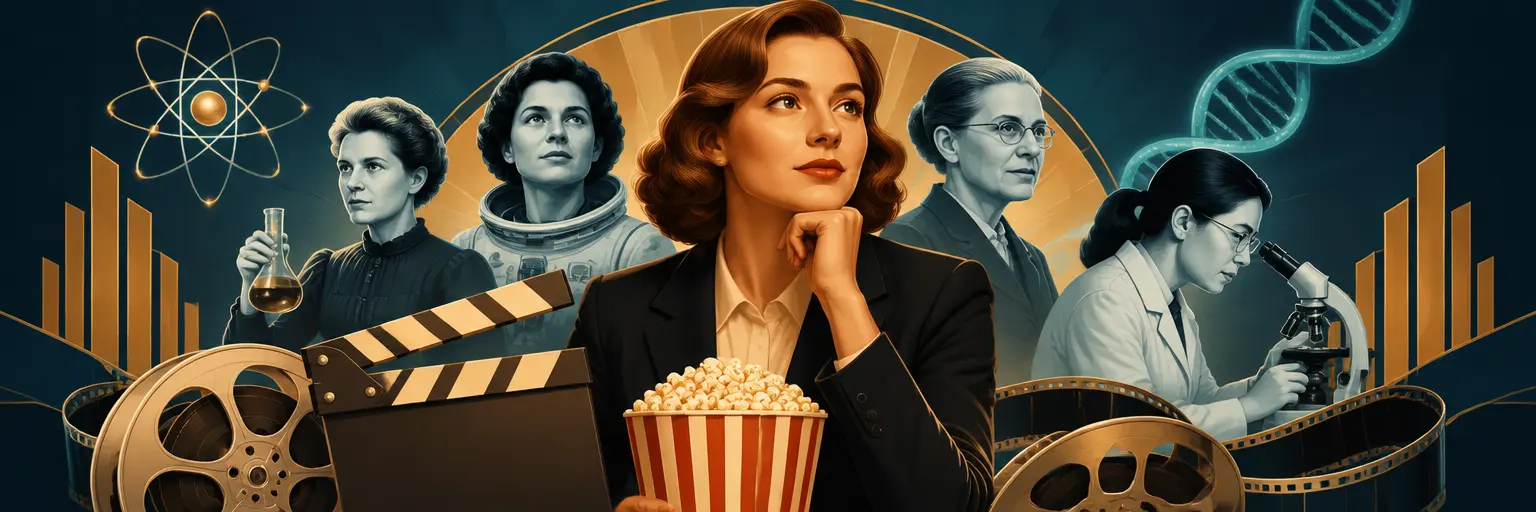
Welcome to our dedicated hub for Film Reviews: Women in Science, where we critically examine how cinema portrays female scientists, from biopics to documentaries and fiction. Here, we explore the accuracy, impact, and cultural significance of films that spotlight women in STEM, helping you choose what to watch while deepening your appreciation for their real-life contributions. Our reviews blend historical context, scientific scrutiny, and cinematic analysis, making this your go-to resource for understanding how media shapes public perception of women in science.
🎬 Biopics That Celebrate Pioneering Women
Biopics are powerful tools for inspiring audiences, and we dive deep into films like *Hidden Figures* (2016), *Radioactive* (2019), and *The Imitation Game* (2014) — the latter featuring Joan Clarke. Our reviews assess historical fidelity, character development, and the emotional resonance of these narratives. We highlight where filmmakers took creative liberties and what that means for public understanding of each scientist's actual work.
Expect rankings, scene-by-scene breakdowns, and comparisons to primary sources like letters or lab notes. We also discuss how these films influence young girls’ interest in STEM careers, citing studies on media representation. Whether you're a history buff or a movie lover, our biopic reviews connect the dots between silver-screen drama and real-world achievements, ensuring you never confuse Hollywood embellishment with scientific fact.
🔬 Documentaries with Real-Life Footage and Interviews
Documentaries offer a more grounded look at women in science, and we cover gems like *Picture a Scientist* (2020) and *The Mystery of Edwin Drood* — wait, that’s fiction! We focus on evidence-based films that feature archival footage, interviews with contemporary researchers, and behind-the-scenes looks at groundbreaking discoveries. Our reviews emphasize production quality, narrative structure, and the diversity of voices included.
We also analyze how documentaries address systemic barriers, such as gender bias in lab culture, and whether they offer actionable solutions. For educators, we highlight which films work best in classrooms, complete with discussion questions and supplementary materials. If you prefer factual storytelling over dramatization, our documentary reviews will guide you to the most accurate and moving films that honor women’s scientific legacies without sacrificing truth for entertainment.
🎥 Fictional Films and Their Influence on Public Perception
Fiction shapes our cultural imagination, and we review movies like *Contact* (1997), *Gravity* (2013), and *Ex Machina* (2014) to see how female scientists are portrayed in imagined scenarios. Our critiques examine stereotypes—like the “lone genius” or “romantic subplot”—and whether these tropes help or hinder real-world progress for women in STEM. We also look at how futuristic settings reflect current challenges women face in labs.
Beyond entertainment, we assess the educational potential of these films, offering alternative storylines that could better represent collaborative, realistic scientific work. We compare fictional characters to actual female scientists, showing where imagination diverges from reality. By understanding these portrayals, you’ll become a more critical viewer, able to separate empowering narratives from harmful clichés that still persist in mainstream cinema.
🏆 Award-Winning Performances and Directorial Choices
Acting can elevate a science film, and we spotlight performances that earned Oscars or BAFTAs, like Felicity Jones in *The Theory of Everything* (2014) or Rosamund Pike in *Radioactive*. Our reviews analyze how actors embody the mannerisms, speech patterns, and intellectual intensity of real scientists. We also examine directorial choices—lighting, pacing, music—that enhance emotional impact or distort historical events.
We feature interviews with costume designers, script consultants, and sometimes the scientists themselves to reveal how authenticity was achieved. Additionally, we discuss the legacy of these performances in shaping public memory of figures like Marie Curie or Katherine Johnson. For film buffs, we track how awards buzz influences box office success and subsequent funding for science narratives, creating a feedback loop that determines which stories get told next.
🌍 Global Perspectives on Women in Science Cinema
Film industries worldwide tell different stories about women in science, and our reviews include international productions like *Anandabhadram* (2005) from India or *The Cakemaker* (2017) from Israel, which subtly explore scientific roles. We analyze cultural contexts—how collectivist societies portray teamwork versus Western individualism—and what that means for female scientist representation. Our global roundup also covers documentaries from Africa, Asia, and South America, expanding your watchlist beyond Hollywood.
We examine translation and subtitling challenges that might alter meaning, plus funding disparities that limit global production. By highlighting diverse voices, we aim to decenter Western narratives and showcase how women in science are celebrated or marginalized differently across cultures. Expect recommendations for film festivals that feature STEM-focused cinema, ensuring you never miss a hidden gem from abroad.
Frequently Asked Questions
Are these film reviews biased toward praising female scientists?
No, our reviews are balanced and fact-based. We acknowledge both strengths and flaws in each film, including historical inaccuracies or simplified science. We aim to provide constructive criticism that helps you appreciate the film’s artistry while questioning its fidelity to real events.
Can I use these reviews for educational purposes?
Absolutely! Each review includes key themes, discussion questions, and connections to historical figures. We tag reviews with applicable grade levels and subjects, making it easy to integrate them into lesson plans for science, history, or media studies classes.
Do you cover recent releases or only older films?
We focus on both timeless classics and brand-new releases. Our team continuously updates the archive with recent documentaries and biopics, ensuring you get timely insights into emerging portrayals of women in science, such as Netflix’s latest offerings.
How do you verify historical accuracy in films?
We cross-reference scripts with biographies, scientific papers, and archival interviews. When significant deviations occur, we note them and explain the filmmakers’ rationale. We also consult experts in the respective scientific fields to ensure technical details are correct.
What if a film isn't listed on your site?
We welcome suggestions! Use our contact form to recommend a film, and our editorial team will review it within weeks. We prioritize films that have wider cultural impact or unique perspectives, so don’t hesitate to alert us to overlooked titles.