
Changing Perceptions: The Profound Impact of Visible Women in Science Communication

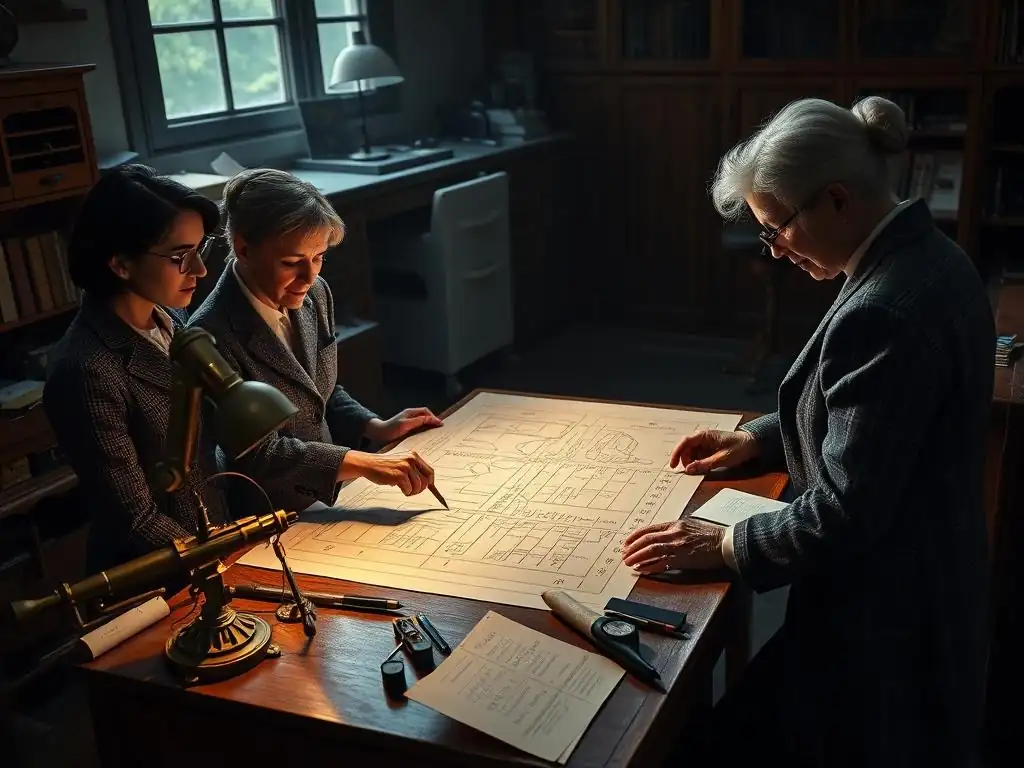
Welcome to WomenInScienceHistory.com!
Delve into the fascinating world where groundbreaking discoveries meet untold stories. Are you ready to uncover the pivotal role women scientists have played in shaping not only scientific progress, but also the very communication of that knowledge across history? Explore this often overlooked narrative with our latest piece, "Changing Perceptions: The Profound Impact of Visible Women in Science Communication," and discover how these remarkable individuals not only advanced their fields, but also paved the way for future generations. What untold stories await? Let's begin this journey of discovery together!
- Introduction: The Importance of Women Scientists Communication History
- A Historical Overview of Women in Science Communication
- The Impact of Visible Women Scientists on Public Perception
- Modern Women in Science Communication: Shaping the Narrative
- The Benefits of Diverse Voices in Science Communication
- Challenges and Opportunities for Women in Science Communication
- Strategies for Promoting Women in Science Communication
- Case Studies: Successful Women in Science Communication
- The Future of Women in Science Communication: A More Inclusive Landscape
- Conclusion: Celebrating the Legacy of Women Scientists Communication History
-
Frequently Asked Questions
- How does WomenInScienceHistory.com contribute to the history of women scientists' communication?
- What kind of challenges did women scientists face in communicating their work historically?
- How does "Changing Perceptions: The Profound Impact of Visible Women in Science Communication" relate to the website's overall mission?
- Why is it important to highlight the communication strategies of women scientists throughout history?
- What is the ultimate goal of WomenInScienceHistory.com in relation to the field of "Women scientists communication history"?
- Final Reflection: Amplifying Voices, Shaping Futures
- Ignite Your Inner Science Communicator!
Introduction: The Importance of Women Scientists Communication History
Highlighting Women's Contributions in Science Communication
The history of women in science communication is a rich tapestry, often overlooked, yet fundamental to how scientific knowledge has been disseminated and understood by the public. From the earliest days of scientific inquiry, women have played crucial roles, not just in discovery, but in translating complex concepts into accessible language. Their contributions range from writing popular science books to organizing scientific salons, shaping public discourse on everything from chemistry to environmentalism. This sustained effort by women scientists communication history has been instrumental in bridging the gap between the scientific community and the general populace.
These pioneering efforts by women often involved innovative approaches to engagement, driven by a desire to educate beyond the confines of academic institutions. They frequently targeted audiences traditionally excluded from scientific education, such as other women and children, using formats like dialogues, engaging narratives, and practical demonstrations. This commitment to broader accessibility not only democratized scientific knowledge but also laid foundational groundwork for modern public engagement with science, highlighting a vital aspect of women scientists communication history.
The Need for Increased Visibility of Female Scientists
Despite their historical and ongoing contributions, female scientists, particularly in communication roles, often remain underrepresented in media and public discourse. This lack of visibility perpetuates harmful stereotypes about who can be a scientist and who can effectively communicate science, potentially discouraging young girls and women from pursuing STEM careers. Research indicates that when girls see women in STEM, their interest and confidence in these fields significantly increase, underscoring the critical need for more visible female role models.
Increased visibility of women in science communication is not merely about fairness; it is about enriching the public understanding of science. When diverse voices are heard, science becomes more relatable and relevant to a broader audience, fostering greater scientific literacy and engagement across all demographics. This heightened visibility ensures that the full spectrum of scientific narratives and achievements, including the compelling history of women scientists communication, is brought to light, inspiring future generations.
A Historical Overview of Women in Science Communication
Early Pioneers: Jane Marcet, Rachel Carson
Jane Marcet stands as a towering figure in the early history of women in science communication. Her seminal work, "Conversations on Chemistry, Intended More Especially for the Female Sex" (1806), revolutionized science education for the lay public. Through engaging dialogues between a fictional teacher and her pupils, Marcet demystified chemistry, making it comprehensible and fascinating to a wide audience. The book was a remarkable success, running through 16 editions in the United States alone by 1853 and significantly influencing figures like Michael Faraday, proving the profound impact of women scientists communication history.
Another pivotal figure is Rachel Carson, whose 1962 book "Silent Spring" ignited the modern environmental movement. Carson, a marine biologist, meticulously researched the devastating effects of pesticides like DDT on ecosystems and communicated these complex scientific findings with lyrical prose and unwavering conviction. Her work, which sold over half a million copies in its first year, not only educated the public but also spurred governmental action, leading to the creation of the Environmental Protection Agency and a ban on DDT in the U.S., showcasing the immense power of a woman's voice in science communication.
Overcoming Barriers: Challenges Faced by Women Communicating Science
Throughout history, women attempting to communicate science faced formidable societal and institutional barriers. Many were denied formal scientific education or professional positions in academia, limiting their access to research and platforms for dissemination. When they did manage to publish, their work was often dismissed, attributed to male colleagues, or published anonymously or under male pseudonyms to gain credibility. For instance, some early female botanical illustrators or scientific writers found their contributions minimized or uncredited, obscuring their role in women scientists communication history.
Beyond institutional hurdles, women also contended with pervasive gender bias and skepticism regarding their intellectual capabilities. Public lectures or direct engagement with scientific communities were often met with resistance, making it difficult for their scientific messages to be taken seriously. This pervasive environment of prejudice meant that many talented female communicators had to work twice as hard to establish their authority and reach an audience, a testament to their perseverance in the challenging landscape of women scientists communication.
The Impact of Visible Women Scientists on Public Perception
Inspiring Future Generations: Role Models in STEM
The presence of visible women in science communication profoundly impacts future generations by providing tangible role models. When young girls and boys see women eloquently explaining scientific concepts on television, writing best-selling science books, or leading public science initiatives, it expands their perception of who can be a scientist. This visual representation directly counters traditional stereotypes, demonstrating that intelligence, curiosity, and scientific aptitude are not confined by gender. Studies have shown that exposure to female STEM role models significantly boosts girls' interest in STEM fields by as much as 20% in some cases, fostering a crucial sense of possibility.
These visible role models do more than just inspire; they also provide practical pathways. They show how a career in science can be dynamic, engaging, and impactful, extending beyond the laboratory to include public engagement and advocacy. By sharing their personal journeys, challenges, and triumphs, these women humanize science, making it more accessible and relatable to aspiring young minds. This continuous flow of inspiration is vital for building a more diverse and inclusive scientific workforce, ensuring the legacy of women scientists communication history continues to grow.
Breaking Stereotypes: Challenging Gender Bias in Science
Visible women in science communication are powerful agents in dismantling deeply ingrained gender stereotypes within science. For decades, the archetypal scientist in popular culture was often a male, often depicted as isolated or socially awkward. Female science communicators, through their diverse personalities, communication styles, and varied backgrounds, directly challenge this narrow portrayal. They demonstrate that scientists are diverse individuals from all walks of life, capable of engaging with the public, collaborating, and expressing themselves articulately.
By showcasing their expertise and passion, these women normalize the idea of women in scientific leadership and public-facing roles. Their presence in media and at public events helps to reframe the public's perception of scientific authority, shifting it away from a singular, male-dominated image towards a more inclusive and accurate representation. This gradual but significant shift in public perception is crucial for fostering an environment where gender bias in science is actively recognized and addressed, ultimately enriching the entire field of science and its communication.
Modern Women in Science Communication: Shaping the Narrative

Prominent Female Science Communicators Today: Dr. Emily Carter, Dr. Raven Baxter
In contemporary science communication, women continue to break new ground and shape public understanding. Dr. Emily Carter, a prominent materials scientist and engineer at Princeton University, exemplifies this by effectively communicating complex research in sustainable energy and materials. Her work, often presented in public lectures and policy discussions, translates cutting-edge scientific advancements into actionable insights for a broad audience, including policymakers and industry leaders. She demonstrates how rigorous scientific inquiry can directly inform solutions to pressing global challenges like climate change and energy independence.
Another influential voice is Dr. Raven Baxter, widely known as "Dr. Raven the Science Maven." Using platforms like TikTok and Instagram, Dr. Baxter has revolutionized how science is presented to younger, diverse audiences. She makes science concepts engaging and relatable through creative videos, often incorporating music and pop culture references. With hundreds of thousands of followers across her social media channels, she has successfully cultivated a vibrant community around science, particularly appealing to underrepresented groups in STEM, showcasing a fresh approach to women scientists communication.
Modern women in science communication leverage an increasingly diverse array of platforms to reach their audiences, moving beyond traditional books and journals to embrace digital frontiers. While many continue to excel in traditional media like television documentaries (e.g., Dr. Alice Roberts on BBC) and radio programs, the advent of social media has provided unprecedented opportunities for direct public engagement. Platforms like Twitter, Instagram, TikTok, and YouTube allow female scientists to share their work, engage in real-time discussions, and build personal brands as experts.
Podcasts have also become a powerful medium, enabling in-depth discussions that can be consumed on demand. Women scientists host or feature prominently in popular science podcasts, offering accessible explanations of complex topics and personal insights into scientific careers. This multi-platform approach ensures that women's voices in science communication can penetrate various demographic segments, from students to general enthusiasts, effectively broadening the reach and impact of their scientific messages and contributing to the dynamic history of women scientists communication.
The Benefits of Diverse Voices in Science Communication
Enhancing Understanding: Communicating Science to a Broader Audience
The inclusion of diverse voices, particularly women, in science communication significantly enhances the public's understanding of scientific concepts. Different perspectives, backgrounds, and lived experiences lead to varied communication styles, analogies, and cultural references that resonate with a wider array of audiences. For instance, a female scientist might frame a discussion on climate change through the lens of community health impacts, which could be more relatable to certain demographics than a purely technical explanation of atmospheric chemistry. This broader appeal ensures that scientific literacy extends beyond traditional scientific circles.
Moreover, diverse communicators are more likely to identify and address knowledge gaps or misconceptions prevalent within specific communities. By tailoring their messages and using culturally sensitive language, they can bridge communication divides that might otherwise persist. This targeted approach fosters greater engagement and trust, making scientific information more accessible and meaningful to people from varied educational, social, and ethnic backgrounds, thereby enriching the overall landscape of women scientists communication.
Improving Accuracy: Addressing Gender-Specific Health Concerns and Scientific Studies
Historically, a lack of diverse voices in scientific research and communication has led to significant gaps and biases, particularly in health. For example, heart disease symptoms were long described based on male presentations, leading to misdiagnosis and poorer outcomes for women. With more women in science communication, these critical disparities are brought to the forefront. Female scientists are more likely to highlight research on conditions disproportionately affecting women, or to question biases in studies that use predominantly male subjects, ensuring that scientific findings are communicated with greater accuracy and relevance to all.
Furthermore, women communicators can advocate for more inclusive research practices and the disaggregation of data by sex and gender, ensuring that scientific knowledge is built upon a foundation of comprehensive understanding. Their presence in the public sphere helps to educate both the public and the scientific community about these nuances, leading to better health outcomes and a more equitable application of scientific knowledge. This critical role underscores the importance of women scientists communication in ensuring scientific integrity and public well-being.
Challenges and Opportunities for Women in Science Communication
Overcoming Implicit Bias and Discrimination
Despite progress, women in science communication continue to face implicit bias and outright discrimination. Studies indicate that female experts are often quoted less frequently in news articles, invited to speak on panels less often, or receive less airtime compared to their male counterparts, even when equally qualified. This subtle but pervasive bias can limit their reach and impact. Additionally, women in public-facing roles sometimes endure online harassment or skepticism regarding their expertise, a challenge that can disproportionately affect their ability to communicate effectively.
Overcoming these biases requires proactive measures from media organizations, scientific institutions, and the public. Recognizing and challenging microaggressions, ensuring equitable representation in media features, and actively seeking out female experts for commentary are crucial steps. Furthermore, creating a culture where women's voices are not only heard but actively valued and protected from undue criticism is essential for fostering an equitable environment in women scientists communication.
Creating Supportive Networks and Mentorship Programs
A significant opportunity for women in science communication lies in the creation and strengthening of supportive networks and mentorship programs. Organizations like "500 Women Scientists" provide invaluable platforms for female scientists to connect, share experiences, and collaborate on initiatives. These networks offer a sense of community, reducing feelings of isolation and providing practical advice on navigating career challenges, including media engagement and public speaking.
Mentorship programs are equally vital, pairing experienced female science communicators with emerging talents. These relationships offer guidance on media training, content development, pitching stories, and building resilience in the public eye. Such programs not only equip the next generation with essential skills but also ensure that the collective wisdom and strategies for effective women scientists communication are passed down, fostering a robust and supportive ecosystem for women in the field.
Strategies for Promoting Women in Science Communication
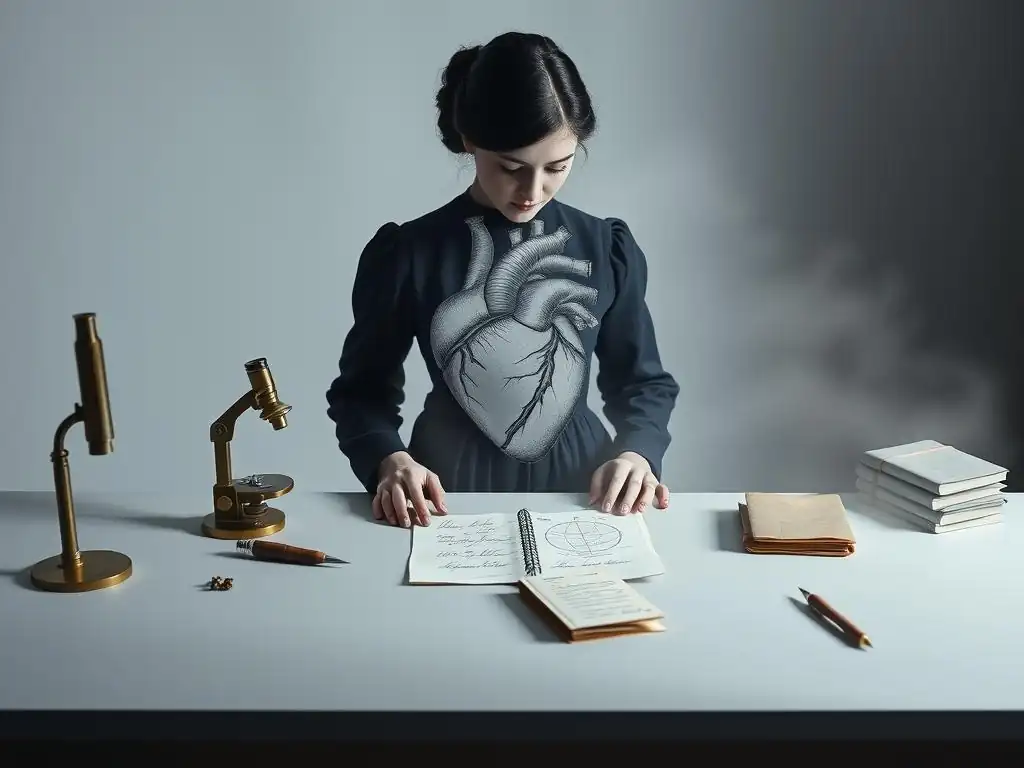
Encouraging Female Students to Pursue Science Communication Careers
To foster a more diverse future in science communication, it is crucial to actively encourage female students to consider careers in the field from an early age. This involves showcasing science communication as a dynamic and impactful career path within STEM education, rather than solely focusing on laboratory research. Schools can integrate media literacy and public speaking into science curricula, and expose students to the work of prominent female science communicators through guest lectures and virtual events.
Furthermore, universities and colleges can develop specialized programs or tracks in science communication that highlight its interdisciplinary nature, combining scientific rigor with communication skills. Providing internships with science museums, media outlets, or non-profit organizations focused on science outreach can offer practical experience and demonstrate the diverse opportunities available, inspiring more young women to contribute to the history of women scientists communication.
Supporting Initiatives that Showcase Women Scientists' Work
Supporting and promoting initiatives dedicated to showcasing the work of women scientists is paramount. Platforms like WomenInScienceHistory.com play a critical role by providing a dedicated space to highlight biographies, research, and communication efforts of female scientists throughout history. Beyond dedicated websites, funding agencies and scientific societies can create awards, grants, and fellowships specifically recognizing excellence in science communication by women.
Media outlets, both traditional and digital, also have a responsibility to actively seek out and feature female experts in their science coverage. This means consciously working to achieve gender parity in source lists, panel discussions, and expert commentary. By intentionally amplifying the voices of women in science communication, these initiatives contribute significantly to their visibility and influence, ensuring their narratives are heard and celebrated.
Promoting Gender Equality in Science Media
Promoting gender equality in science media involves a concerted effort to dismantle biases in how science stories are reported and presented. This includes training journalists and editors on unconscious bias, encouraging them to question stereotypical portrayals of scientists, and ensuring that a balanced representation of male and female voices is sought for interviews and commentary. Media organizations should establish clear policies to track and improve gender representation in their science coverage.
Additionally, fostering diverse newsrooms and editorial teams can naturally lead to more inclusive storytelling and a broader range of perspectives. When women are involved in the production and editorial processes of science media, they are more likely to identify and promote stories that resonate with diverse audiences and highlight the contributions of female scientists. This systemic approach is essential for truly embedding gender equality within the fabric of science communication.
Case Studies: Successful Women in Science Communication
Dr. Mae Jemison: Astronaut and Advocate for Science Education
Dr. Mae Jemison, the first African American woman to travel to space, stands as an extraordinary example of a woman who seamlessly transitioned from pioneering scientific achievement to impactful science communication. Following her historic mission aboard the Space Shuttle Endeavour in 1992, Dr. Jemison dedicated much of her career to advocating for science literacy and STEM education. She founded the Jemison Group, Inc., which researches and develops advanced technologies and designs programs to foster science literacy, particularly among underrepresented communities.
Her work on the "100 Year Starship" project, an initiative to ensure human interstellar space travel capability within the next century, demonstrates her ability to communicate ambitious scientific visions to the public. Through countless public speaking engagements, media appearances, and educational programs, Dr. Jemison inspires diverse audiences, especially young people, to embrace scientific inquiry and innovation, leveraging her unique background to make complex ideas accessible and exciting, solidifying her place in the history of women scientists communication.
Dian Fossey: Primatologist and Conservationist
Dian Fossey, the renowned primatologist and conservationist, exemplified the power of narrative in science communication. Her groundbreaking research on mountain gorillas in Rwanda, meticulously documented over 18 years, was not confined to scientific journals. Her 1983 book, "Gorillas in the Mist," brought the plight of these endangered creatures and her scientific findings to a global audience. Through vivid descriptions and personal anecdotes, Fossey humanized the gorillas, fostering empathy and urgency for their conservation.
Fossey's powerful communication extended beyond her writing; she tirelessly advocated against poaching and habitat destruction, often putting herself in harm's way. Her compelling story, amplified by her book and subsequent film adaptation, galvanized international support for gorilla conservation, demonstrating how a scientist's dedication and effective communication can profoundly influence public opinion and drive critical environmental action. Her legacy remains a testament to the profound impact of women scientists communication history in the field of conservation.
The Future of Women in Science Communication: A More Inclusive Landscape
The Role of Technology in Amplifying Women's Voices
Technology is poised to play an increasingly significant role in amplifying women's voices in science communication, fostering a more inclusive landscape. Digital platforms like personal blogs, podcasts, and video streaming services offer women unprecedented autonomy to create and disseminate scientific content without relying on traditional gatekeepers. This allows for diverse narratives and communication styles to flourish, reaching global audiences directly. For instance, a female scientist in India can now share her research and insights with an audience in the United States through a YouTube channel, bypassing traditional media structures.
Furthermore, advancements in artificial intelligence and data analytics can help identify and promote underrepresented voices, ensuring that content from female science communicators gains broader visibility. Virtual reality and augmented reality also present new immersive ways for women to explain complex scientific phenomena, making learning more engaging and accessible. These technological advancements democratize the field, empowering more women to shape the future of women scientists communication.
The Importance of Continued Advocacy and Support
Despite the promising role of technology, the journey towards a truly inclusive landscape for women in science communication requires continued advocacy and robust support systems. Systemic biases, though perhaps less overt, still exist in academic institutions, media organizations, and public perception. Ongoing efforts are needed to challenge these biases, ensuring equitable opportunities for funding, recognition, and leadership roles for female science communicators.
This includes sustained investment in mentorship programs, leadership training, and networking opportunities specifically designed for women in science communication. Advocacy groups and professional organizations must continue to champion policies that promote gender equality in science media and provide safe spaces for women to share their experiences and collaborate. The collective commitment to dismantling barriers and nurturing talent will be crucial in solidifying the legacy of women scientists communication history and ensuring a vibrant, diverse future for the field.
Conclusion: Celebrating the Legacy of Women Scientists Communication History
Reinforcing the Value of Visible Female Role Models in STEM
The profound impact of visible women in science communication cannot be overstated. Their presence, from the early pioneers who demystified chemistry to modern communicators leveraging social media, has consistently challenged stereotypes and opened doors for countless aspiring scientists. These visible female role models demonstrate that scientific curiosity, intellectual rigor, and the ability to articulate complex ideas are not bound by gender. Their narratives inspire young girls to pursue STEM fields and reassure them that their voices and perspectives are valued within the scientific community.
The ripple effect of seeing women actively and effectively communicating science extends beyond individual inspiration; it fundamentally reshapes public perception of who can do science and who can talk about it. This visibility is not merely symbolic; it is a functional imperative for fostering a diverse, innovative, and equitable scientific enterprise. By celebrating this rich history of women scientists communication, we reinforce its enduring value in inspiring future generations and enriching the entire field of STEM.
Continuing the Fight for Equality and Representation in Science
While significant strides have been made in recognizing and celebrating the contributions of women in science communication, the fight for full equality and representation is an ongoing endeavor. Historical biases continue to linger, and new challenges emerge in the rapidly evolving media landscape. It is imperative that we remain vigilant and proactive in dismantling barriers that hinder women's full participation and recognition in science communication.
This continued commitment involves supporting educational initiatives, promoting equitable media representation, and fostering inclusive environments where all voices are heard and valued. By actively working towards a future where gender is no longer a factor in a scientist's ability to communicate or be recognized, we ensure that the rich and diverse narratives of science are fully told, benefiting not only the scientific community but society as a whole. The legacy of women scientists communication history serves as both a reminder of past struggles and a powerful inspiration for future progress.
Frequently Asked Questions
How does WomenInScienceHistory.com contribute to the history of women scientists' communication?
The website actively documents and disseminates the stories of women scientists, making their contributions more visible and accessible, thereby enriching the historical record of their communication and impact.
What kind of challenges did women scientists face in communicating their work historically?
Historically, women scientists often faced gender bias, limited access to networks, and lack of recognition, making it challenging to share their findings and gain the same credibility as their male counterparts.
How does "Changing Perceptions: The Profound Impact of Visible Women in Science Communication" relate to the website's overall mission?
The title directly aligns with the website's mission by emphasizing the importance of making women scientists visible and demonstrating how their contributions have been, and continue to be, profoundly impactful through effective communication.
Why is it important to highlight the communication strategies of women scientists throughout history?
Understanding their communication strategies provides valuable insights into how they navigated male-dominated fields, overcame obstacles, and effectively shared their scientific contributions, offering lessons for future generations.
What is the ultimate goal of WomenInScienceHistory.com in relation to the field of "Women scientists communication history"?
The ultimate goal is to establish a comprehensive and accessible resource that celebrates the achievements of women scientists and promotes a more inclusive and accurate understanding of their role in the history of scientific communication.
Final Reflection: Amplifying Voices, Shaping Futures
The journey through the history of women scientists in communication reveals not just past struggles, but a vibrant tapestry of resilience and innovation that continues to resonate powerfully today. The visibility of women in science communication is no longer a niche concern; it's a critical imperative for fostering inclusivity, inspiring future generations, and ensuring that scientific discourse reflects the diverse perspectives of our world.
The impact of these visible role models extends far beyond the laboratory. Seeing women leading the charge in explaining complex scientific concepts, challenging biases, and shaping public understanding is profoundly transformative. It normalizes female expertise, dismantles stereotypes, and empowers young girls to envision themselves as future scientists and communicators. You can't be what you can't see.
This simple truth underscores the vital importance of representation and the ripple effect it creates across society.
Now, as we close this chapter, let us not simply admire the progress made, but commit to actively amplifying the voices of women in science. Consider how you can support initiatives that promote inclusivity, mentor aspiring female scientists, and challenge gender biases in your own spheres of influence. The future of science communication depends on our collective effort to ensure that every voice is heard, valued, and empowered to shape a more equitable and informed world.
Ignite Your Inner Science Communicator!
Thank you for diving into the powerful impact of visible women in science communication. Now, armed with new perspectives, it's time to translate this knowledge into action!
Here’s how you can continue to champion inclusivity and inspire the next generation:
- Share this article with one person who might find it valuable and ignite a conversation about representation in STEM.
- Actively seek out and support female scientists and science communicators by following them on social media, attending their talks, or sharing their work.
- Consider volunteering your time to a local science outreach program that promotes STEM to girls and underrepresented groups.
What small step will you take this week to help make science communication more inclusive?