Women in Marine Biology: Pioneers of the Deep
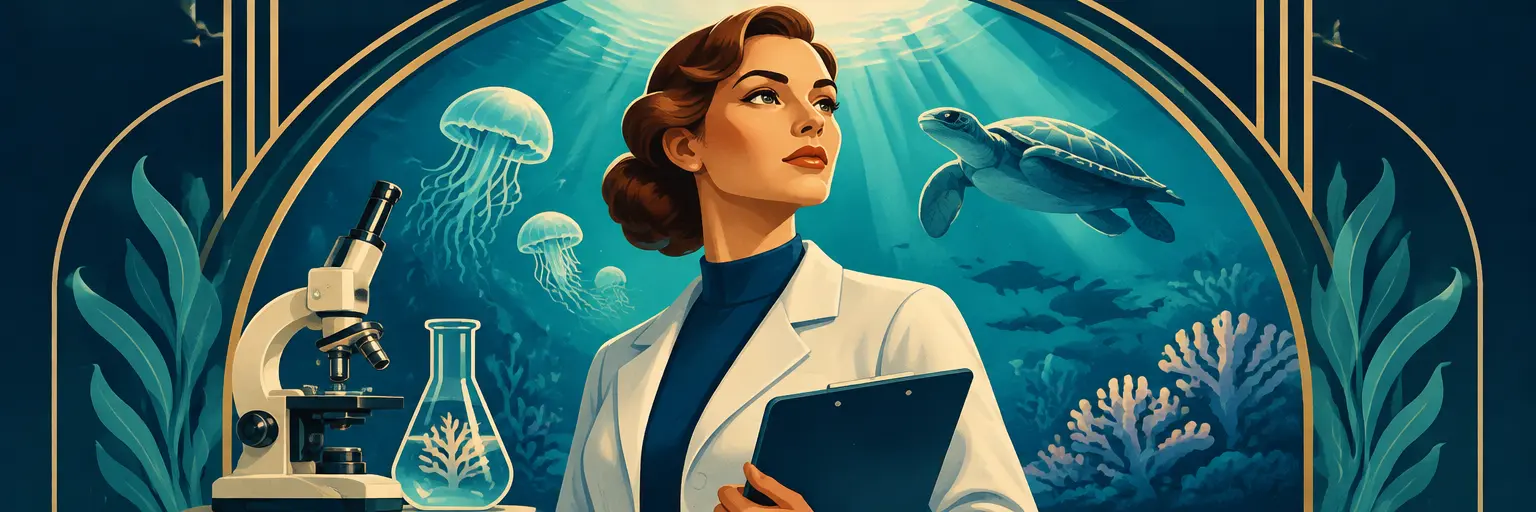
Welcome to our dedicated subcategory on Women in Marine Biology, a vital part of the broader Environmental Science narrative at WomenInScienceHistory.com. Here, we dive into the lives and legacies of remarkable female scientists who unlocked the secrets of oceans, from microscopic plankton to majestic whales. These pioneers not only advanced our understanding of marine ecosystems but also broke barriers in a field historically dominated by men, paving the way for modern oceanography, conservation, and climate research. Explore their voyages, discoveries, and enduring impact.
🌊 Trailblazing Oceanographers and Their Expeditions
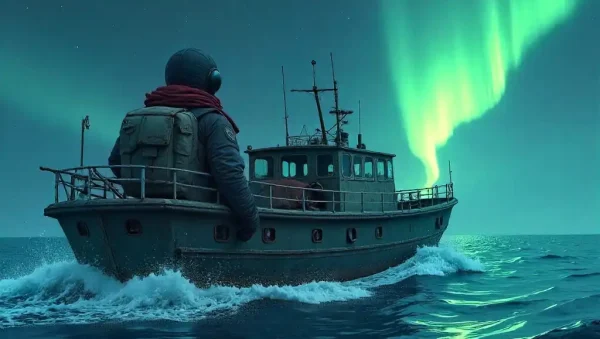
This section highlights women who braved the high seas when research vessels were rarely open to them. Figures like Marie Tharp, whose meticulous mapping revealed the Mid-Atlantic Ridge, and Eugenie Clark, the "Shark Lady," who transformed our view of these predators, are central. Readers will learn about their rigorous methods, the gendered obstacles they faced, and how their expeditions reshaped plate tectonics and marine ecology.
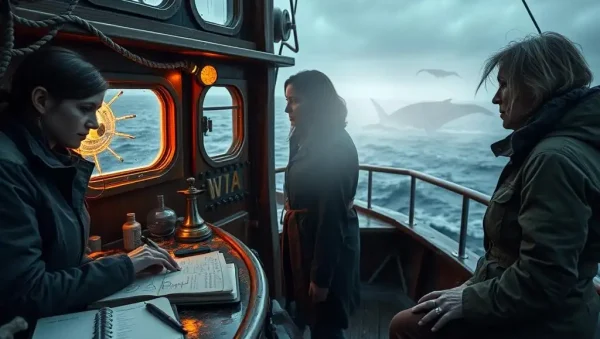
Expect detailed narratives of shipboard life, the scientific instruments they pioneered, and their collaborations with male colleagues who often took credit. We emphasize primary sources, such as personal logs and correspondence, to offer an authentic glimpse into their challenges. This content is SEO-rich with keywords like "marine geology," "shark behavior research," and "women at sea," ensuring you find both inspiration and historical accuracy.
🔬 Marine Biologists Who Decoded Ocean Life
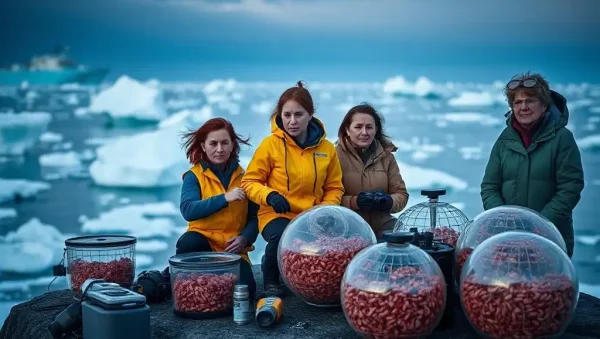
Focusing on laboratory and field research, here we profile scientists like Rachel Carson, whose early marine biology work preceded her environmental classic Silent Spring, and Jane Lubchenco, a pioneer in marine ecology and policy. This section explores their groundbreaking studies on intertidal zones, food webs, and the impacts of pollution and overfishing, providing a scientific foundation for modern conservation.
Readers will discover detailed case studies of their experiments, including long-term ecological monitoring and the development of key concepts like "trophic cascades." We also cover their roles as mentors and science communicators, showing how they translated complex data into public action. Keywords such as "marine ecology," "ocean acidification," "conservation biology," and "women in STEM" anchor this content for search engines while retaining rich historical context.
🐠 Deep-Sea Discoverers and Taxonomy Experts
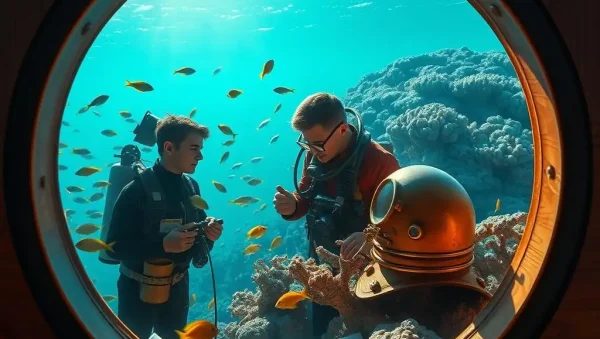
Here, we dive into the abyssal zone with pioneers like Hannah B. Moore and Olga Hartman, who catalogued thousands of new marine species. Their painstaking taxonomic work built the foundational databases used by today’s biodiversity researchers. This section highlights their expeditions to remote trenches and their meticulous classification of invertebrates, from polychaete worms to deep-sea sponges.
Expect technical yet accessible explanations of their methodologies, including specimen collection, microscopic analysis, and the importance of type specimens in naming new species. We also discuss the challenges of working with fragile, deep-sea samples long before submersibles were common. SEO keywords like "marine taxonomy," "deep-sea biodiversity," "invertebrate zoology," and "species discovery" ensure this content ranks well while educating readers on these unsung heroes.
🧪 Marine Chemists and Climate Change Pioneers
This subcategory focuses on women who revolutionized our understanding of ocean chemistry and its links to global climate. Scientists like Katharine Manson and Wallace Broecker’s collaborators, including Ellen Thomas, used isotopic analysis and sediment cores to reconstruct past ocean conditions and predict future changes. Their work on ocean acidification, nutrient cycles, and hypoxia is critical for current environmental policy.
We provide clear explanations of complex chemical processes, such as carbonate compensation depth and oceanic carbon sinks, tied to the researchers’ personal stories. Readers will appreciate how these women navigated traditionally male-dominated chemistry departments and funded research. Content is optimized for keywords like "ocean acidification," "paleoceanography," "carbon cycling," and "climate science," making it valuable for students and enthusiasts alike.
📖 Conservation Champions and Public Educators
Finally, we honor women who translated marine science into global conservation movements. Besides Carson, this includes Sylvia Earle, whose "Hope Spots" initiative and record-setting deep dives galvanized public support for ocean protection, and Asha de Vos, a Sri Lankan marine biologist known for blue whale research in the northern Indian Ocean. Their advocacy through books, documentaries, and TED talks has inspired millions.
This section explores their strategies for bridging science and activism, from policy lobbying to citizen science projects. We also highlight their efforts to diversify the field, mentoring young women from developing nations. With keywords like "marine conservation," "ocean advocacy," "blue whale ecology," and "women in environmental leadership," this content serves as both a historical and motivational resource, encouraging readers to engage with current ocean challenges.
Frequently Asked Questions
Who is considered the first female marine biologist?
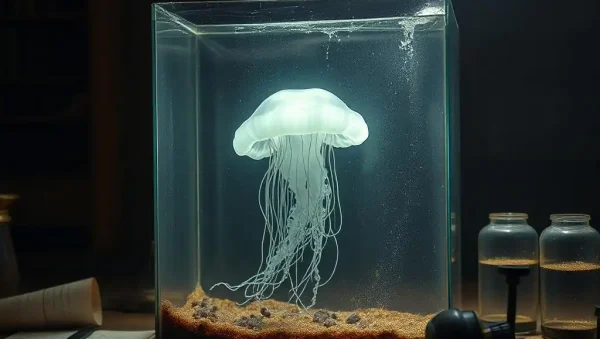
While not formally titled, Jeanne Villepreux-Power, a French naturalist in the 1800s, is often recognized as a pioneer. She invented the aquarium to study the paper nautilus, conducting groundbreaking experiments on cephalopod development. Her work laid the groundwork for controlled marine observation, though she faced rejection from scientific institutions that barred women from membership.
What were the main barriers for women in early marine biology?
Barriers included exclusion from research vessels, lack of university degrees, and denial of access to laboratory facilities. Women often worked as unpaid assistants or used personal wealth to fund expeditions. Institutional sexism restricted their publication opportunities, forcing many to publish under male pseudonyms or collaborate with male colleagues who received primary credit.
How did Rachel Carson’s marine biology work influence environmental policy?
Carson’s early books, like Under the Sea-Wind, used literary prose to describe ocean life, building public empathy. Her later work revealed the dangers of DDT, leading to the U.S. ban and creation of the EPA. Her marine ecology research provided the scientific basis for regulating chemical runoff, linking ocean health to human health.
Are there contemporary women leading marine biology research?
Absolutely. Sylvia Earle, Ayana Elizabeth Johnson, and Asha de Vos are among many. They lead research on coral reefs, fisheries management, and whale migrations. They also advocate for equity in STEM, with Johnson co-founding the Urban Ocean Lab and de Vos establishing the first marine biology research group committed to blue whale conservation in Sri Lanka.
How can I learn more about women in marine biology?
Start with biographies like "The Shark Lady" by Ann McGovern or "Sounding the Alarm" about Rachel Carson. Visit archives at the Smithsonian and Scripps Institution of Oceanography. Follow organizations like the Association for Women in Marine Science (AWMS) and explore our site’s dedicated timelines and primary source documents for deeper dives.