
Anne Innis Dagg's Marine Counterpart: Searching for Pioneering Female Ethologists of the Sea

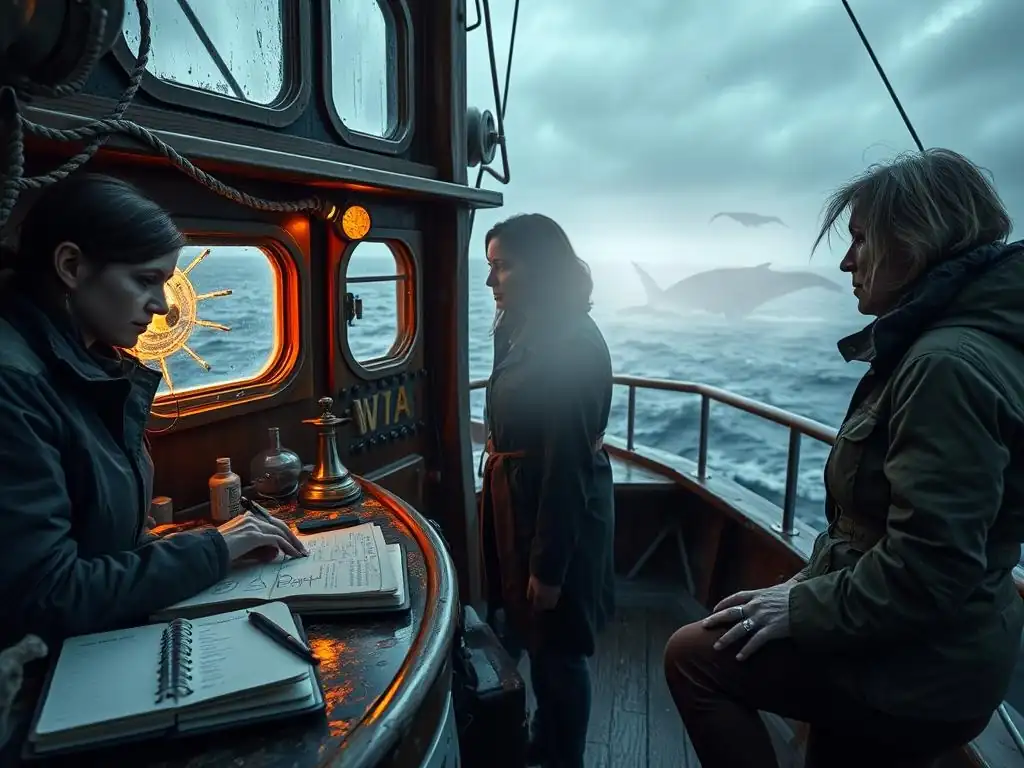
Welcome to WomenInScienceHistory.com!
Dive into a world where scientific brilliance meets untold stories. This week, we're asking: Who were Anne Innis Dagg's female counterparts in the marine world? Join us as we explore the history of female ethologists and their often-overlooked contributions to marine research, uncovering the pioneering women who dared to study the secrets of the sea. Prepare to be inspired by their groundbreaking work and the challenges they overcame. Ready to meet these unsung heroes of ocean science?
- Anne Innis Dagg's Marine Counterpart: Pioneering Female Ethologists of the Sea
- Introduction: Reclaiming the Narrative of Women in Marine Ethology
- Anne Innis Dagg: A Paradigm of Female Ethological Research
- Defining Marine Ethology: Understanding Animal Behavior in the Oceans
- Early Pioneers: Trailblazing Women in Marine Animal Behavior
- Modern Marine Ethologists: Continuing the Legacy
- The Significance of Studying Female Ethologists in Marine Settings
- Conclusion: Celebrating the Enduring Impact of Women in Marine Ethology
-
Frequently Asked Questions
- What is WomenInScienceHistory.com's primary goal?
- Why is it important to highlight the stories of female scientists?
- What scientific fields are covered on WomenInScienceHistory.com?
- What challenges did female scientists historically face?
- How does WomenInScienceHistory.com relate to the keyword "Female ethologists marine research history"?
- Final Reflection: Echoes of Pioneering Spirit
- Unearth the Ocean's Untold Stories!
Anne Innis Dagg's Marine Counterpart: Pioneering Female Ethologists of the Sea
Introduction: Reclaiming the Narrative of Women in Marine Ethology
Highlighting the Overlooked Contributions of Female Marine Biologists
The history of science, particularly in fields like ethology—the study of animal behavior—often spotlights male figures, leaving the groundbreaking work of women largely unacknowledged. This oversight is particularly pronounced in marine biology, where the harsh and often inaccessible environment of the ocean presented unique challenges, making the contributions of early female ethologists marine research history even more remarkable. Unearthing these stories is crucial to providing a complete and accurate account of scientific progress.
Our understanding of marine life, from the intricate social structures of whales to the complex communication of fish, has been profoundly shaped by dedicated researchers, many of whom were women. Their pioneering efforts, often conducted in isolation or against significant institutional barriers, laid the groundwork for contemporary marine conservation and behavioral studies. It is time to shine a light on these forgotten or underestimated figures, ensuring their rightful place in the annals of science.
The Need to Recognize Women's Impact on Animal Behavior Studies in Marine Environments
Recognizing the impact of women in marine animal behavior studies is not merely an act of historical correction; it is an imperative for the future of science. The insights provided by female ethologists marine research history have been instrumental in deciphering the mysteries of underwater ecosystems. Without their persistent observation and innovative methodologies, our knowledge of marine animal communication, migration patterns, feeding strategies, and reproductive behaviors would be significantly poorer.
Moreover, acknowledging these pioneers serves as a powerful source of inspiration for future generations. Young women contemplating careers in marine science need to see themselves reflected in the past, understanding that the path has been trodden, and significant achievements are possible. By celebrating these contributions, we foster an environment that encourages diversity and inclusion, ensuring that the brightest minds, regardless of gender, are drawn to the critical work of understanding and protecting our oceans.
Anne Innis Dagg: A Paradigm of Female Ethological Research
Briefly Recapping Anne Innis Dagg's Impact on Ethology
Anne Innis Dagg stands as a towering figure in the field of ethology, renowned for her pioneering work on giraffes. In the late 1950s, she embarked on a solo research trip to South Africa, becoming the first Western scientist to study animal behavior in Africa. Her meticulous observations of giraffe social structures, feeding habits, and locomotion defied the prevailing scientific norms of the time, which often dismissed individual animal behavior studies as anecdotal. Her groundbreaking book, "The Giraffe: Its Biology, Behavior, and Ecology," published in 1971, remains a foundational text in ethology.
Despite her immense contributions and rigorous scientific approach, Dagg faced significant discrimination throughout her career, particularly in academia. Denied tenure and promotions due to her gender, she became a fierce advocate for women in science, documenting the systemic sexism prevalent in universities. Her relentless pursuit of knowledge, coupled with her courageous fight for equality, makes her an enduring symbol of resilience and scientific integrity, setting a precedent for other female ethologists marine research history to follow.
Finding Dagg's "Marine Sisters": Exploring Parallels in Pioneering Research
Just as Anne Innis Dagg ventured into the African savanna to meticulously document giraffe behavior, a cadre of equally determined women turned their gaze to the vast and often perilous marine realm. These "marine sisters" shared Dagg's passion for animal behavior, her commitment to rigorous observation, and often, her experience of facing formidable obstacles in a male-dominated scientific landscape. Their research, conducted in the deep oceans, coastal waters, and even laboratory tanks, parallels Dagg's terrestrial work in its foundational importance to ethology.
Exploring the lives and work of these female ethologists marine research history reveals common threads: an insatiable curiosity about the natural world, an innovative spirit in overcoming technical and societal barriers, and an unwavering dedication to understanding complex animal behaviors. From deciphering underwater soundscapes to observing intricate social interactions of marine mammals, these women expanded the frontiers of knowledge, much like Dagg did for giraffes, proving that the ocean, too, held countless behavioral secrets waiting to be unlocked by persistent and perceptive minds.
Defining Marine Ethology: Understanding Animal Behavior in the Oceans
The Scope and Key Areas of Study within Marine Ethology
Marine ethology is a specialized branch of ethology dedicated to understanding the behavior of marine animals in their natural habitats. This diverse field encompasses a vast array of topics, from the intricate communication systems of dolphins and whales to the migratory patterns of sea turtles, and the complex courtship rituals of fish. Key areas of study include foraging strategies, predator-prey interactions, social structures, reproductive behaviors, habitat selection, and sensory ecology, which investigates how marine animals perceive their underwater world.
Researchers in marine ethology employ a variety of methods, ranging from direct observation using underwater cameras and remotely operated vehicles (ROVs) to acoustic monitoring with hydrophones, and the analysis of physiological responses. The goal is to piece together a comprehensive picture of how marine organisms interact with their environment and with each other, uncovering the "why" behind their actions. This fundamental understanding is critical for all subsequent efforts in marine conservation and management.
Ethological Research: Its Importance in Marine Conservation
The insights gleaned from marine ethology are indispensable for effective marine conservation efforts. By understanding the specific behavioral needs of marine species—such as critical feeding grounds, essential breeding sites, or sensitive migratory corridors—conservationists can design more effective protection strategies. For instance, knowledge of whale communication patterns helps in mitigating the impact of anthropogenic noise pollution, which can disrupt vital social interactions and navigation.
Furthermore, ethological research provides crucial baseline data against which the impacts of environmental changes, such as climate change, ocean acidification, and habitat degradation, can be measured. Observing shifts in foraging efficiency, reproductive success, or social cohesion can serve as early warning signs of ecosystem stress. Therefore, the work of female ethologists marine research history and their contemporaries is not just about academic curiosity; it is a vital component of safeguarding the health and biodiversity of our planet's oceans for future generations.
Early Pioneers: Trailblazing Women in Marine Animal Behavior
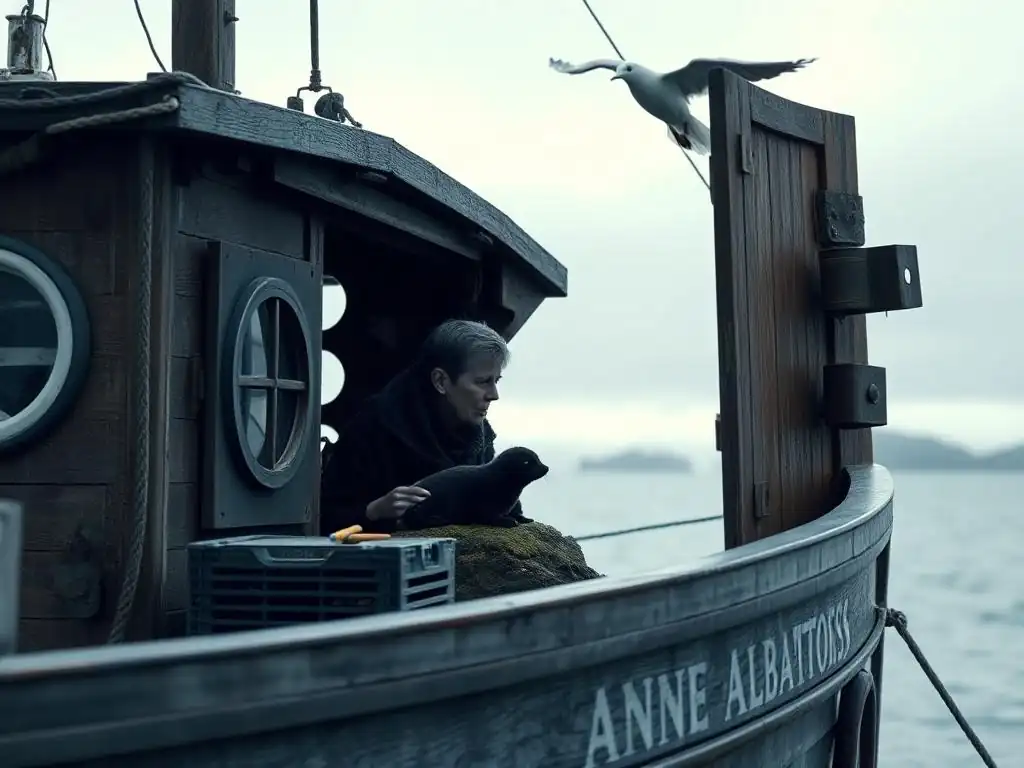
Marie Poland Fish: Bioacoustics and Underwater Sound Communication
Brief Biography and Research Focus
Marie Poland Fish (1900-1989) was an American marine biologist who became a foundational figure in the field of marine bioacoustics. After completing her Ph.D. in Zoology from the University of Rhode Island in 1927, she dedicated her career to studying the sounds produced by marine organisms. Her pioneering work, much of which took place at the Narragansett Marine Laboratory in the 1940s and 1950s, systematically documented the diverse sonic landscape of the ocean.
Fish's research focused on identifying the specific sounds made by various fish species, understanding their biological significance, and developing methods for recording and analyzing these underwater vocalizations. She was among the first to prove that many marine animals actively produce sounds for communication, defense, and reproduction, rather than being largely silent as previously thought. Her meticulous recordings and extensive cataloging laid the groundwork for future studies on marine animal communication.
Impact on the Field of Marine Ethology
Marie Poland Fish's contributions profoundly impacted marine ethology by revealing the critical role of sound in the underwater world. Her seminal publication, "Sounds of Western North Atlantic Fishes," published in 1954, was a groundbreaking compendium that provided detailed descriptions and spectrograms of sounds from over 200 fish species. This work not only demonstrated the prevalence of acoustic communication among marine life but also provided a vital reference for subsequent bioacoustic research.
Her findings challenged conventional wisdom and opened up an entirely new avenue of research into marine animal behavior. Fish's work established the scientific basis for using passive acoustic monitoring as a tool for studying marine populations, tracking their movements, and even assessing their health. Her legacy as one of the earliest female ethologists marine research history is etched into the very foundation of marine bioacoustics, a field that continues to expand our understanding of the complex auditory lives of ocean inhabitants.
Sylvia Earle: Marine Ecology and Deep-Sea Exploration
Brief Biography and Research Focus
Sylvia Earle (born 1935), affectionately known as "Her Deepness," is an iconic American marine biologist, oceanographer, and explorer. Her career has been marked by an unwavering commitment to understanding and protecting the world's oceans, particularly through deep-sea exploration. Earle earned her Ph.D. in phycology (the study of algae) from Duke University in 1966, but her interests quickly expanded to broader marine ecology and conservation.
Earle's research has focused on the diversity and ecology of marine ecosystems, especially those found in the deep ocean, which were largely unexplored during her early career. She has led over 100 expeditions worldwide, spending more than 7,000 hours underwater. Notably, in 1979, she set a solo depth record for women by descending 1,250 feet in the JIM suit off the coast of Oahu. Her work has consistently highlighted the interconnectedness of marine life and the critical importance of preserving biodiversity across all ocean depths.
Impact on the Field of Marine Ethology
While Sylvia Earle is primarily known for her pioneering work in marine exploration and conservation, her extensive firsthand observations of deep-sea environments and their inhabitants have had a profound, albeit indirect, impact on marine ethology. By pushing the boundaries of human presence in the deep ocean, Earle provided unprecedented access to observe animal behaviors in their natural, undisturbed settings. Her detailed accounts of deep-sea communities, from bioluminescent creatures to unique hydrothermal vent ecosystems, revealed behaviors previously unimaginable.
Earle's advocacy for "Mission Blue" and the establishment of marine protected areas, or "Hope Spots," directly supports ethological research by preserving the natural habitats where marine animal behaviors can be observed and studied. Her efforts have ensured that future generations of female ethologists marine research history will have pristine environments in which to conduct their vital work. Her legacy lies not just in her scientific discoveries but also in her tireless efforts to inspire a deeper understanding and appreciation of the ocean's intricate life, thus indirectly fostering the study of its fascinating behaviors.
Overcoming Obstacles: Challenges Faced by Early Female Marine Researchers
The path for early female ethologists marine research history was fraught with significant obstacles. Beyond the inherent challenges of marine research—such as demanding field conditions, expensive equipment, and remote locations—women faced pervasive societal and institutional discrimination. Many were denied access to research vessels, laboratory space, or funding simply because of their gender. Academic institutions often had explicit policies or unspoken biases that limited opportunities for women to pursue advanced degrees or secure faculty positions.
Furthermore, these pioneering women often contended with skepticism regarding their scientific capabilities and a lack of mentorship networks prevalent among their male counterparts. They frequently had to work harder to prove their competence and endure dismissive attitudes or outright hostility. Despite these formidable barriers, their unwavering dedication and scientific acumen allowed them to persevere, making invaluable contributions that slowly but surely chipped away at the systemic inequalities within marine science.
Modern Marine Ethologists: Continuing the Legacy
Brief Biography and Research Focus
Hal Whitehead is a highly distinguished Canadian marine mammal ethologist and a professor at Dalhousie University. His extensive career has been primarily dedicated to the long-term study of sperm whales, particularly their social structures, communication, and culture. Since the early 1980s, Whitehead has led groundbreaking expeditions, most notably off the coast of Nova Scotia and in the Pacific Ocean, employing innovative acoustic and photographic techniques to observe these enigmatic deep-diving cetaceans.
Whitehead's research focuses on deciphering the complex click communication of sperm whales, understanding their matrilineal social units, and identifying culturally transmitted behaviors such as foraging techniques and vocal dialects. His work has significantly advanced the concept of "whale culture," demonstrating that these animals possess intricate social learning abilities and traditions passed down through generations.
Impact on the Field of Marine Ethology
Hal Whitehead's contributions have been pivotal in shaping modern marine ethology, particularly in the realm of cetacean behavior. His long-term studies have provided unprecedented insights into the social complexity of sperm whales, challenging previous assumptions about animal intelligence and cultural transmission. He and his team have identified distinct "clans" of sperm whales, each with unique vocal repertoires, highlighting the profound role of social learning in their lives.
His methodological innovations, including advanced acoustic tracking and photo-identification techniques, have become standard practices in marine mammal research. Whitehead's work has not only deepened our understanding of sperm whale ethology but has also underscored the importance of cultural factors in conservation. His research provides crucial data for protecting these highly social animals from threats like noise pollution and ship strikes, building upon the foundational work established by earlier female ethologists marine research history and their peers in the field.
Denise Herzing: Dolphin Communication and Interspecies Research
Brief Biography and Research Focus
Denise Herzing (born 1957) is an acclaimed American marine biologist and ethologist, best known for her pioneering work on dolphin communication. In 1985, she founded the Wild Dolphin Project, a non-profit organization dedicated to the long-term study of Atlantic spotted dolphins in the Bahamas. For over three decades, Herzing has meticulously observed and documented the social structure, behavior, and communication patterns of this wild population, fostering a unique relationship with the animals.
Herzing's research goes beyond observation, actively exploring the potential for interspecies communication. She developed and utilized innovative technologies, such as the "CHAT" (Cetacean Hearing and Telemetry) box, an underwater computer designed to facilitate two-way communication between humans and dolphins using artificial sounds. Her goal is to understand if dolphins can learn to associate specific sounds with objects or actions, opening new frontiers in cognitive ethology.
Impact on the Field of Marine Ethology
Denise Herzing's work has had a transformative impact on marine ethology, particularly in the study of cetacean communication and intelligence. Her long-term, non-invasive approach has provided unparalleled insights into the intricate social lives of wild dolphins, revealing their complex alliances, individual personalities, and sophisticated vocalizations. She has demonstrated that dolphins possess a rich behavioral repertoire, including cooperative hunting, playful interactions, and distinct social hierarchies.
Her pioneering efforts in interspecies communication are pushing the boundaries of what is possible in animal behavior research. By attempting to bridge the communication gap between humans and dolphins, Herzing is not only advancing our understanding of marine cognition but also inspiring new ways of interacting with and appreciating marine life. She stands as a prominent example of contemporary female ethologists marine research history, continuing the legacy of observation, innovation, and deep respect for the ocean's inhabitants.
The Role of Women in Shaping Current Marine Animal Behavior Research
Women continue to play an increasingly vital and prominent role in shaping current marine animal behavior research. Building upon the foundations laid by early pioneers, today's female ethologists marine research history are at the forefront of cutting-edge studies, utilizing advanced technologies like genomics, satellite tagging, and artificial intelligence to unravel complex behavioral mysteries. They are leading major research initiatives, directing marine laboratories, and influencing policy decisions related to ocean conservation.
Their contributions extend across all facets of marine ethology, from understanding the impacts of climate change on polar bear foraging to deciphering the collective intelligence of schooling fish. The growing visibility and influence of women in this field are fostering more diverse perspectives and approaches, leading to richer, more comprehensive insights into the behavior of marine animals. This expanding presence ensures that the future of marine ethology will continue to be driven by a broad spectrum of talent and innovative thinking.
The Significance of Studying Female Ethologists in Marine Settings
Promoting Diversity and Inclusion in Marine Science
Highlighting the contributions of female ethologists marine research history is crucial for promoting diversity and inclusion within marine science. Historically, scientific fields have been dominated by men, leading to a skewed perception of who contributes to knowledge. By actively seeking out and celebrating the achievements of women like Marie Poland Fish and Denise Herzing, we challenge these outdated narratives and demonstrate that scientific excellence is not limited by gender.
This recognition fosters a more inclusive environment, encouraging individuals from all backgrounds to pursue careers in marine biology and ethology. A diverse scientific community brings a wider range of perspectives, experiences, and problem-solving approaches, which ultimately enriches research outcomes and accelerates scientific progress. Promoting inclusion ensures that the most talented individuals, regardless of gender, are empowered to contribute to our understanding and protection of the oceans.
Inspiring Future Generations of Female Marine Biologists and Ethologists
The stories of pioneering female ethologists marine research history serve as powerful sources of inspiration for future generations. When young women see examples of individuals who overcame significant challenges to make profound scientific discoveries, it instills confidence and ambition. Knowing that women have successfully navigated the complexities of marine research, from enduring arduous field conditions to battling institutional sexism, provides a tangible roadmap for aspiring scientists.
These narratives demonstrate that passion, perseverance, and intellectual curiosity are the true drivers of scientific achievement. By illuminating these paths, we not only attract more women to marine biology and ethology but also empower them to pursue ambitious research questions and leadership roles. This inspiration is vital for cultivating a new generation of scientists who are equipped to tackle the pressing challenges facing our marine ecosystems.
Conclusion: Celebrating the Enduring Impact of Women in Marine Ethology
Further Research and Recognition of Female Contributions
The journey to fully recognize the enduring impact of women in marine ethology is ongoing. While figures like Marie Poland Fish and Sylvia Earle have begun to receive their due recognition, countless other female ethologists marine research history remain largely unknown, their contributions often buried in archives or overshadowed by their male contemporaries. There is a pressing need for further meticulous historical research to unearth these hidden narratives, ensuring that every significant contribution is acknowledged.
Moreover, this recognition extends beyond historical accounts. It involves actively promoting the work of contemporary women in marine science, ensuring equitable opportunities in funding, publication, and leadership roles. By fostering environments that celebrate and support female researchers, we can ensure that the rich tapestry of marine ethological history continues to be woven with diverse and inspiring threads.
Connecting Anne Innis Dagg's Legacy to the Future of Women in Marine Science History
Anne Innis Dagg's courageous pursuit of knowledge in the face of adversity serves as a powerful metaphor for the experiences of many female ethologists marine research history. Her legacy is not just about giraffes; it is about the unwavering spirit of scientific inquiry and the fight for gender equality in science. By drawing parallels between Dagg's terrestrial endeavors and the marine explorations of women like Marie Poland Fish and Denise Herzing, we create a compelling narrative that transcends specific fields.
The future of women in marine science history is bright, built upon the resilience and groundbreaking work of those who came before. By continuing to tell these stories, we not only honor the past but also actively shape a more inclusive and equitable future for marine ethology. This ongoing celebration ensures that the profound impact of women on our understanding of the ocean's wondrous inhabitants will never again be overlooked.
Frequently Asked Questions
What is WomenInScienceHistory.com's primary goal?
The site's primary goal is to celebrate the contributions of women to science throughout history and inspire future generations by shedding light on overlooked narratives.
Why is it important to highlight the stories of female scientists?
Highlighting these stories helps to correct historical imbalances and demonstrates the significant impact women have had on scientific advancement, even in male-dominated fields.
What scientific fields are covered on WomenInScienceHistory.com?
The site covers various scientific fields, showcasing the contributions of women across different disciplines, with a current focus on ethology and a search for pioneering female marine researchers.
What challenges did female scientists historically face?
Female scientists often faced discrimination and exclusion from academic and research opportunities, hindering their ability to pursue their scientific passions.
How does WomenInScienceHistory.com relate to the keyword "Female ethologists marine research history"?
The website actively seeks to uncover and share the history of female ethologists, particularly those involved in marine research, as exemplified by the search for Anne Innis Dagg's marine counterpart.
Final Reflection: Echoes of Pioneering Spirit
The stories of Anne Innis Dagg and the often-overlooked female ethologists of the sea resonate powerfully today, highlighting the enduring struggle for recognition in STEM fields. Their dedication to understanding animal behavior, often against significant societal barriers, serves as a potent reminder of the importance of inclusivity and the untapped potential that lies within marginalized voices. These women paved the way for future generations, demonstrating that scientific curiosity knows no gender.
The impact of these pioneering women extends far beyond the scientific realm. Their work has profoundly influenced our understanding of marine ecosystems and the interconnectedness of life on Earth. Personally, learning about their resilience and unwavering commitment to their research has been incredibly inspiring, reinforcing the belief that passion and perseverance can overcome any obstacle. The most effective way to do it, is to do it.
- Amelia Earhart, a sentiment that perfectly encapsulates the spirit of these unsung heroines.
As we reflect on the legacies of these remarkable women, let us commit to fostering a more equitable and supportive environment for all aspiring scientists. Let their stories inspire us to challenge biases, amplify underrepresented voices, and champion the pursuit of knowledge, regardless of gender or background. The future of marine research, and indeed all scientific endeavors, depends on embracing the diverse perspectives and talents of everyone who seeks to unravel the mysteries of our world.
Unearth the Ocean's Untold Stories!
Thank you for diving into the fascinating world of unsung women in marine ethology. We hope you've discovered some inspiring figures and a renewed appreciation for their contributions. Now, it's your turn to make waves!
- Nominate a pioneering woman in marine ethology who deserves recognition on WomenInScienceHistory.com. Help us expand our archive and celebrate her achievements!
- Delve deeper into the lives of marine ethologists by exploring related fields like oceanography and marine biology. Consider reading a biography or research paper to learn more.
- Share this article with your network to raise awareness about the remarkable women who have shaped our understanding of the ocean's inhabitants.
What hidden gem of marine ethology will you uncover next?