
Unveiling the Krill: The Critical Role of Women in Antarctic Ecosystem Studies

Welcome to WomenInScienceHistory.com!
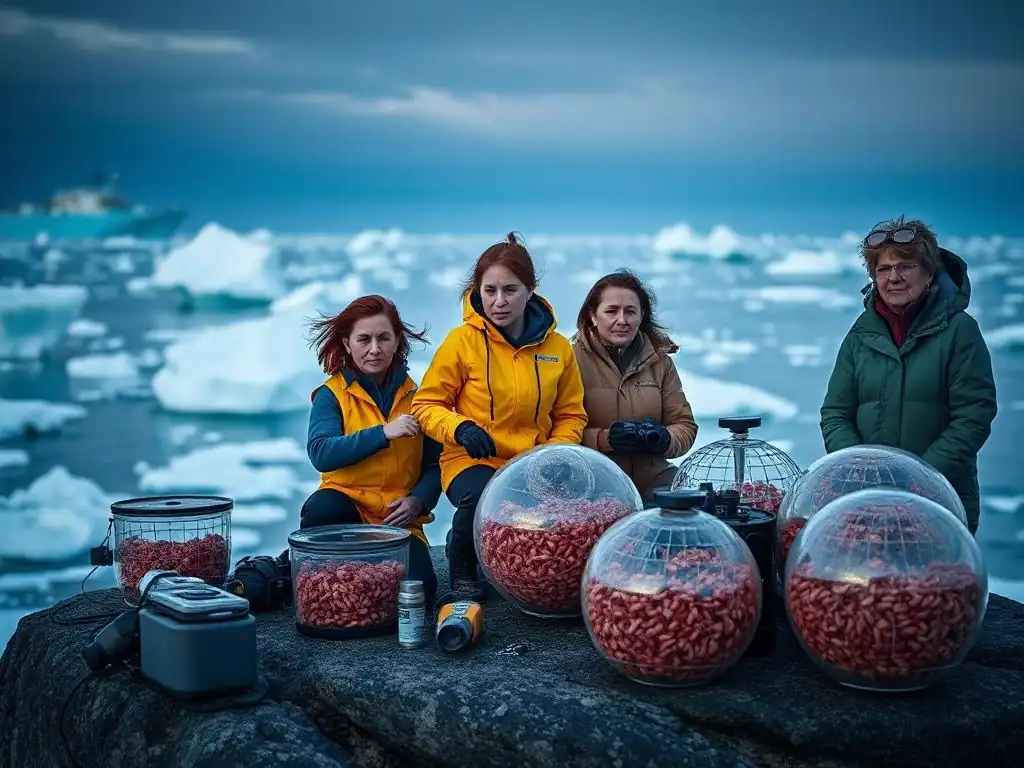
Dive into the fascinating world of science and discover the untold stories of remarkable women who shaped our understanding of the universe. This article, "Unveiling the Krill," explores the critical role women played in understanding Antarctic ecosystems, specifically focusing on their pioneering work studying Antarctic krill. But what challenges did they face, and how did their research contribute to our current understanding of this vital species? Read on to uncover their groundbreaking contributions and the hurdles they overcame in this icy frontier.
- Introduction: Women in Marine Biology & Antarctic Krill Research
- The Pioneering Women Studying Antarctic Krill: A Historical Perspective
- Key Contributions of Women Studying Antarctic Krill
- Modern Women in Antarctic Krill Research: Leading the Next Generation
- The Impact of Women's Research on Understanding the Antarctic Ecosystem
- The Future of Women Studying Antarctic Krill: Opportunities and Challenges
- Conclusion: Celebrating the Legacy of Women in Antarctic Krill Research
-
Frequently Asked Questions
- What is the significance of studying Antarctic krill, and why is it important to understand the role of women in this research?
- What challenges did women studying Antarctic krill typically face throughout history?
- Can you provide an example of a pioneering woman scientist who made significant contributions to the study of Antarctic krill?
- How does WomenInScienceHistory.com aim to inspire future generations through its coverage of women studying Antarctic krill?
- Where can I find more in-depth information about specific women scientists who have studied Antarctic krill, and their research findings?
- Final Reflection: Echoes in the Ice: Amplifying Women's Voices
- Ignite Your Antarctic Explorer Within!
Introduction: Women in Marine Biology & Antarctic Krill Research
Highlighting the Underrepresented: Women's Contributions to Antarctic Science
Historically, the rigorous and often isolated environment of Antarctic science, particularly marine biology, was perceived as a predominantly male domain. For decades, institutional policies and societal norms significantly limited women's participation in polar expeditions and research, leading to a profound underrepresentation of their contributions in scientific literature and historical accounts. Despite these formidable barriers, pioneering women persistently pushed boundaries, conducting vital research that, while often overlooked, laid foundational groundwork for our understanding of this unique ecosystem. Their resilience and intellectual prowess enabled them to contribute to complex scientific endeavors, challenging the prevailing gender stereotypes of their time.
The specific field of Antarctic krill research exemplifies how women have, against considerable odds, made indispensable advancements. From meticulous laboratory analyses to demanding fieldwork on ice-strengthened vessels, women have brought diverse perspectives and methodologies to the study of Euphausia superba, the cornerstone species of the Southern Ocean. Unveiling their stories is not merely about correcting historical omissions; it is about recognizing the integral role of female scientists in shaping our current knowledge of the Antarctic, inspiring future generations, and showcasing the profound impact of their dedication to marine science.
The Importance of Krill in the Antarctic Ecosystem
Antarctic krill, small crustaceans typically measuring around 6 centimeters (2.4 inches) in length, form the pulsating heart of the Southern Ocean's food web. Their immense biomass, estimated in some studies to be hundreds of millions of tonnes, positions them as a foundational component, directly linking the primary producers (phytoplankton) to nearly all higher trophic levels. Whales, seals, penguins, and myriad fish species rely heavily on krill as their primary food source, making the health and abundance of krill populations a direct determinant of the vitality of the entire Antarctic marine ecosystem.
Beyond their crucial role as prey, krill also play a significant part in global biogeochemical cycles, notably the "krill pump" mechanism. Through their feeding, respiration, and fecal pellet production, krill actively transport carbon from surface waters to the deep ocean, influencing atmospheric carbon dioxide levels. Consequently, changes in krill populations, whether due to climate change or fishing pressure, have cascading effects that resonate throughout the entire Southern Ocean and potentially impact global climate regulation. Understanding this vital species is paramount, and the dedicated efforts of women studying Antarctic krill have been pivotal in unraveling its complex ecological functions.
The Pioneering Women Studying Antarctic Krill: A Historical Perspective
Early Challenges and Breakthroughs for Female Krill Researchers
The journey for women to enter and excel in Antarctic marine biology, particularly in fieldwork, was fraught with significant challenges. For much of the 20th century, many national Antarctic programs maintained strict "men-only" policies for their expeditions, citing logistical difficulties, lack of suitable facilities, or simply ingrained cultural biases. Women who wished to study marine life, including krill, were often confined to shore-based laboratories, analyzing samples collected by male colleagues, or limited to short, less impactful trips. This systemic exclusion meant that their scientific contributions, however significant, were frequently overshadowed or attributed to male-led teams.
Despite these formidable barriers, women persevered, demonstrating exceptional scientific acumen and an unwavering commitment to understanding the Southern Ocean. Early breakthroughs often involved meticulous laboratory work, such as detailed morphological studies of krill, analysis of stomach contents to understand their diet, or pioneering work on their reproductive biology from preserved samples.
While specific names of early female krill researchers who led expeditions are rare before the late 1960s, their foundational analytical work, often conducted behind the scenes, was indispensable. Their diligence in processing vast amounts of data and specimens laid the groundwork for later, more comprehensive field studies, proving their intellectual capacity and paving the way for future generations of women studying Antarctic krill.
Inigo Everson: A Champion for Women in Krill Research
Dr. Inigo Everson stands as a towering figure in the field of Antarctic krill research, a pioneer whose extensive work significantly advanced our understanding of Euphausia superba population dynamics and ecology. His foundational contributions, particularly in acoustic surveying techniques and the development of methodologies for assessing krill biomass, provided the robust scientific framework upon which much of modern krill science is built.
While his direct advocacy for women in science may not be widely documented, his scientific rigor and the sheer breadth of his research created a legitimate and critical field of study into which talented scientists, including many women, could meaningfully contribute and eventually lead.
Everson's seminal work, such as his influential 1982 book "Biology of Antarctic Krill," became a cornerstone reference, effectively mapping out the crucial questions and research directions for the coming decades. It was within this intellectually rich environment, fostered by such comprehensive studies, that women scientists found fertile ground to apply their expertise.
As opportunities gradually opened, the groundwork laid by researchers like Everson provided the necessary scientific context for women to demonstrate their capabilities, further develop methodologies, and ultimately emerge as leaders in their own right, building upon and expanding the very knowledge base that he helped to establish. Their contributions, often inspired by and expanding upon earlier foundational work, have been indispensable in furthering our understanding of krill.
Overcoming Gender Barriers in Antarctic Expeditions
The path to full participation for women in Antarctic expeditions was a long and arduous one, marked by persistent efforts to dismantle deeply entrenched gender barriers. For instance, the British Antarctic Survey (BAS) only formally lifted its ban on women in Antarctic fieldwork in 1967, and it took several more years for women to become regular participants in significant numbers. The initial challenges were not merely logistical, such as the absence of separate accommodations on research vessels, but also cultural, stemming from a prevailing belief that women lacked the physical or psychological resilience for the extreme polar environment.
However, the undeniable scientific talent and unwavering determination of women scientists gradually eroded these prejudices. Women demonstrated their capability to not only endure but thrive in the harsh Antarctic conditions, contributing equally, if not more, to the demanding fieldwork. Their successful participation in early expeditions, often involving long voyages and intensive data collection, served as powerful evidence that gender was irrelevant to scientific competence. This relentless pursuit of knowledge by women studying Antarctic krill and other marine life ultimately forced institutions to re-evaluate their policies, leading to greater inclusion and transforming the demographics of scientific teams on the ice.
Key Contributions of Women Studying Antarctic Krill
Understanding Krill Life Cycles and Population Dynamics: Women's Insights
Women scientists have been at the forefront of unraveling the intricate life cycle of Antarctic krill, a fundamental aspect for accurate population assessments and sustainable management. Their meticulous research has shed light on critical stages, from the deep-water spawning of eggs (often at depths exceeding 200 meters or 650 feet) to the complex developmental journey through larval and juvenile stages in the water column.
For instance, studies led by female researchers have significantly refined our understanding of krill longevity, suggesting they can live for up to 5-6 years, much longer than initially thought, which has profound implications for modeling population resilience.
Furthermore, women have made pivotal contributions to understanding krill population dynamics, including factors influencing recruitment variability and long-term trends. Their work has involved analyzing vast datasets from acoustic surveys and net sampling, often developing improved methodologies for estimating krill biomass and distribution. For example, research has highlighted the significant interannual variability in krill recruitment, sometimes by a factor of ten or more, directly impacting predator populations in subsequent years. These insights, largely driven by the diligent work of women studying Antarctic krill, are essential for predicting how krill populations might respond to environmental changes and human pressures.
Krill and Climate Change: Female Scientists Leading the Way
The profound impacts of climate change on the Southern Ocean ecosystem, particularly on its keystone species, krill, have been a central focus for many female scientists. Women researchers have spearheaded critical investigations into how rising ocean temperatures and ocean acidification directly affect krill physiology, distribution, and abundance. For instance, studies have shown that warming waters, particularly in the Antarctic Peninsula region, correlate with significant declines in krill populations, with some estimates suggesting an 80% reduction in parts of this area since the 1970s. This research often involves sophisticated laboratory experiments simulating future ocean conditions.
Moreover, female scientists have pioneered research into the biochemical and genetic responses of krill to environmental stressors. Their work explores how increased CO2 levels, leading to ocean acidification, can impair krill's metabolic rates, shell formation, and reproductive success. These studies are crucial for understanding the cascading effects on the entire food web. By meticulously documenting these changes, women studying Antarctic krill have provided indispensable data that underscore the urgent need for global climate action and robust conservation strategies for this vulnerable species.
Women's Role in Krill Conservation and Management Strategies
The scientific findings of women studying Antarctic krill have been instrumental in shaping international conservation and management strategies for the Southern Ocean. Female scientists actively participate in and influence key international bodies, most notably the Commission for the Conservation of Antarctic Marine Living Resources (CCAMLR), which is responsible for managing the krill fishery. Their research provides the scientific basis for setting sustainable catch limits and implementing precautionary management measures to ensure the long-term health of krill stocks and the dependent ecosystem.
These contributions extend to advocating for ecosystem-based management approaches, which consider the needs of krill predators and the broader environment, rather than just the target species. Women have played a significant role in identifying critical krill habitats, such as foraging grounds for penguins and seals, and advocating for spatial management tools like Marine Protected Areas (MPAs) to safeguard these vital areas. Their scientific leadership ensures that conservation policies are robust, evidence-based, and forward-looking, balancing human activity with the imperative to protect the fragile Antarctic ecosystem.
Modern Women in Antarctic Krill Research: Leading the Next Generation
So Kawaguchi: Innovative Approaches to Krill Studies
Dr. So Kawaguchi, a distinguished female scientist with the Australian Antarctic Division, stands as a prime example of modern leadership in krill research. Her work is characterized by its innovative approaches to understanding the fundamental biology and ecology of Antarctic krill. Dr. Kawaguchi's research group has pioneered techniques in krill aquaculture, successfully rearing krill through multiple generations in controlled laboratory environments. This breakthrough has enabled unprecedented opportunities to study krill physiology, nutritional requirements, and reproductive processes under varying environmental conditions without the logistical challenges of continuous fieldwork.
Furthermore, Dr. Kawaguchi's team has delved into the genetic diversity and population structure of krill, utilizing advanced molecular techniques to understand their connectivity across the vast Southern Ocean. Her contributions extend to investigating the impacts of climate change on krill's metabolic rates and growth, providing crucial data for predictive models. Through her leadership, Dr. Kawaguchi not only advances scientific knowledge but also inspires a new generation of women studying Antarctic krill, demonstrating the power of innovative experimental design and rigorous scientific inquiry.
Technological Advancements and Women in Krill Research Technology
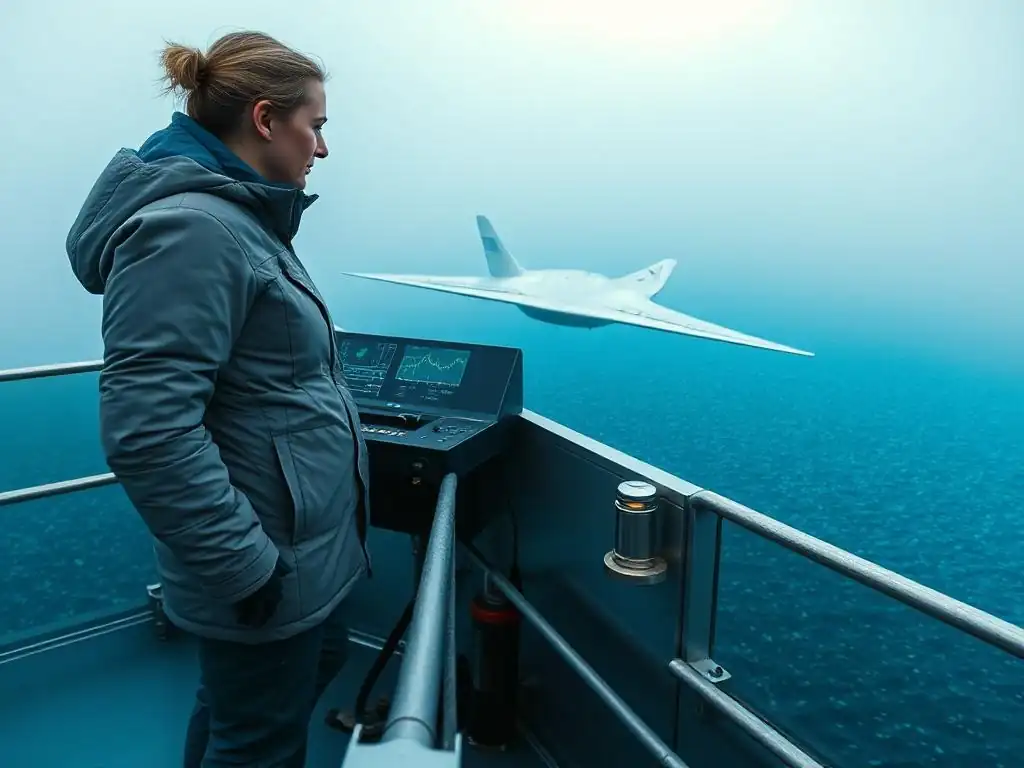
Modern krill research relies heavily on cutting-edge technology, and women scientists are increasingly at the forefront of both utilizing and developing these advancements. The advent of autonomous underwater vehicles (AUVs) equipped with high-resolution echosounders and optical sensors has revolutionized data collection, allowing for detailed mapping of krill swarms and their behavior over vast areas without direct human presence. Female researchers are piloting these platforms, designing survey missions, and developing algorithms to interpret the complex acoustic and visual data, providing unprecedented insights into krill distribution and biomass.
Another significant technological leap involves the use of passive acoustics, where hydrophones are deployed to listen for the unique sounds produced by krill swarms or their predators. Women in krill research are refining these techniques to monitor krill presence and density, often correlating these acoustic signatures with oceanographic parameters.
Furthermore, advancements in satellite remote sensing, analyzing ocean color and temperature, are being integrated by female scientists to understand krill distribution in relation to phytoplankton blooms, their primary food source. These technological innovations, often driven by the ingenuity of women, enable more comprehensive and efficient studies of krill in their vast, dynamic environment.
Mentorship and Collaboration: Supporting Women in Antarctic Science
The continued growth and success of women studying Antarctic krill are significantly bolstered by robust mentorship networks and collaborative initiatives. Established female scientists actively engage in mentoring younger colleagues, providing invaluable guidance on research design, grant writing, and career navigation within the often-challenging world of polar science. These mentorship relationships are crucial for building confidence, fostering professional development, and ensuring that talented women are retained in the field.
Beyond individual mentorship, international and interdisciplinary collaborations are vital. Programs like the Association of Polar Early Career Scientists (APECS) and Women in Polar Science (WiPS) provide platforms for networking, knowledge exchange, and joint research projects, many of which focus on krill. These collaborations often involve scientists from diverse backgrounds and institutions, leading to more comprehensive research outcomes. By fostering supportive environments and facilitating strategic partnerships, these initiatives ensure a strong pipeline of skilled female scientists who continue to push the boundaries of Antarctic krill research.
The Impact of Women's Research on Understanding the Antarctic Ecosystem
Krill as a Keystone Species: Women's Research on Food Web Dynamics
Women's research has profoundly deepened our understanding of krill's pivotal role as a keystone species, illuminating the intricate dynamics of the Antarctic food web. Their studies have meticulously quantified the energetic link between primary producers (phytoplankton) and a diverse array of apex predators, demonstrating how fluctuations in krill abundance directly ripple through the entire ecosystem. For instance, research has shown that years of low krill recruitment can lead to significant declines in the breeding success of Adélie penguins and crabeater seals, sometimes reducing chick survival rates by over 50%.
Female scientists have utilized various methodologies, including dietary analyses of predators, stable isotope tracking, and long-term population monitoring, to elucidate these complex predator-prey relationships. Their work has provided critical insights into how the spatial and temporal distribution of krill influences predator foraging patterns and overall ecosystem health. By focusing on these interdependencies, women studying Antarctic krill have moved beyond simply counting krill to understanding their fundamental role in maintaining the delicate balance of the Southern Ocean's biodiversity.
The Effects of Fishing on Krill Populations: Women's Conservation Efforts
The commercial krill fishery, which has seen an increase in annual catches sometimes exceeding 300,000 metric tonnes in recent years, poses a significant management challenge to the Southern Ocean. Women's research has been instrumental in rigorously assessing the sustainability of this fishery and its potential impacts on krill populations and their predators. Their studies have focused on evaluating the overlap between fishing grounds and critical foraging areas for dependent species, quantifying bycatch, and analyzing the spatial and temporal dynamics of krill harvesting.
These critical scientific findings, often presented by female scientists at international forums like CCAMLR, directly inform the establishment of precautionary catch limits and the implementation of spatial management measures. For example, their data have supported the development of area-based management plans and seasonal closures in sensitive regions to minimize competition between the fishery and krill-dependent predators. The dedicated efforts of women studying Antarctic krill ensure that fishery management is based on the best available science, striving for a balance that allows for sustainable harvesting while safeguarding the broader ecosystem.
Predicting the Future of Krill: Climate Change and Women's Studies
In the face of rapidly advancing climate change, women scientists are leading vital efforts to predict the future trajectory of Antarctic krill populations. Their research involves sophisticated ecological modeling, integrating complex datasets on oceanographic conditions, climate projections, and krill biology. These models aim to forecast how changes in sea ice extent, ocean temperature, and acidification might alter krill distribution, abundance, and their capacity to adapt to new environmental realities. For instance, models predict potential northward shifts in krill distribution and reduced suitable habitat in some regions.
The implications of these predictive studies, largely driven by the insights of women studying Antarctic krill, are profound for long-term conservation and policy development. Their work provides critical foresight for international bodies, guiding decisions on future fishing quotas, the establishment of new marine protected areas, and broader climate adaptation strategies for the entire Antarctic ecosystem. By providing robust scientific projections, these women are empowering proactive conservation efforts and ensuring that management decisions are equipped to face the challenges of a changing climate.
The Future of Women Studying Antarctic Krill: Opportunities and Challenges
Encouraging Diversity and Inclusion in Antarctic Research Teams
While significant progress has been made, encouraging full diversity and inclusion in Antarctic research teams remains an ongoing challenge and a critical opportunity. Despite the increasing number of women in polar science, disparities can still exist in leadership roles, access to large-scale expedition funding, and representation from various global backgrounds. Addressing these systemic issues requires continued vigilance and proactive measures to ensure that all talented individuals, regardless of gender or origin, have equal opportunities to contribute.
Initiatives focused on fostering inclusive environments are paramount. This includes implementing equitable hiring practices, providing flexible work arrangements to accommodate diverse life stages, and actively challenging unconscious biases within research institutions and on expedition vessels. By promoting a culture of respect, collaboration, and equity, the scientific community can attract and retain a broader pool of talent, enriching the field of krill research with diverse perspectives and innovative approaches.
Funding Opportunities and Support for Women in Krill Research
Securing adequate funding is a perennial challenge in scientific research, and for women studying Antarctic krill, specific support mechanisms can be crucial. Research on krill, often requiring extensive fieldwork in remote and challenging environments, is inherently costly. Therefore, dedicated grants, fellowships, and institutional support programs tailored to women scientists can play a vital role in enabling them to conduct impactful studies and lead major research initiatives.
Organizations such as the L'Oréal-UNESCO For Women in Science programme, and various national polar research institutes, offer grants and recognition that can significantly bolster the careers of female researchers. Moreover, fostering partnerships between academia, government agencies, and philanthropic organizations can create new funding streams. Continued investment in women-led projects ensures that the scientific community benefits from their unique insights and leadership, maintaining the momentum of critical krill research.
Inspiring the Next Generation of Female Antarctic Scientists
Inspiring the next generation of female scientists to pursue careers in marine biology and Antarctic research is essential for the long-term health of the field. This involves robust outreach and educational programs that showcase the exciting possibilities and profound impact of studying the Southern Ocean. Role models are particularly powerful; highlighting the achievements of women studying Antarctic krill provides tangible examples of success and demonstrates that a career in polar science is not only achievable but deeply rewarding.
Educational initiatives, ranging from school visits to university-level mentoring programs, can demystify scientific careers and foster early interest in STEM fields. By sharing the compelling stories of pioneering and contemporary female krill researchers, we can ignite curiosity and passion in young minds. Ensuring that future generations of women have the encouragement, resources, and opportunities to follow in these footsteps is critical for continuing the vital work of understanding and protecting the Antarctic ecosystem.
Conclusion: Celebrating the Legacy of Women in Antarctic Krill Research
Acknowledging the Significant Contributions of Women to Antarctic Science
The journey of women in Antarctic science, particularly those dedicated to understanding krill, is a testament to their unwavering commitment and scientific prowess. From overcoming historical barriers to leading cutting-edge research, their contributions have been nothing short of transformative. Women have not only advanced our fundamental understanding of krill biology, life cycles, and population dynamics but have also illuminated the profound impacts of climate change on this keystone species. Their insights have been instrumental in shaping international conservation strategies and ensuring the sustainable management of the Southern Ocean's most vital resource.
The meticulous laboratory work, the resilience demonstrated in challenging expeditions, and the innovative approaches to data analysis and modeling by women studying Antarctic krill have enriched the entire field. Their diverse perspectives and collaborative spirit have fostered a more comprehensive and robust scientific community. Acknowledging this legacy is not merely about historical correction; it is about recognizing that scientific progress is strongest when it draws upon the full spectrum of human talent, regardless of gender.
Women Studying Antarctic Krill: A Call to Action for Continued Support and Recognition
The invaluable contributions of women studying Antarctic krill underscore an urgent call to action for continued support and recognition. As the Antarctic ecosystem faces unprecedented pressures from climate change and human activity, the need for rigorous, innovative, and inclusive scientific inquiry is greater than ever. Ensuring that female scientists have equitable access to funding, leadership opportunities, and expedition participation is not just a matter of fairness, but a strategic imperative for the future of polar research.
By celebrating the achievements of these pioneering women and actively fostering environments where new generations can thrive, we secure a more diverse, dynamic, and ultimately more effective scientific community. The legacy of women in Antarctic krill research serves as a powerful reminder that their insights are indispensable for understanding, protecting, and predicting the future of this fragile and globally significant ecosystem.
Frequently Asked Questions
What is the significance of studying Antarctic krill, and why is it important to understand the role of women in this research?
Antarctic krill are a keystone species in the Antarctic ecosystem, supporting numerous predators. Understanding the role of women in krill research is crucial because it acknowledges their significant contributions to our knowledge of this vital species and promotes inclusivity in science.
What challenges did women studying Antarctic krill typically face throughout history?
Historically, women in science faced gender bias and limited access to resources, including research opportunities and funding. These challenges were often amplified in fieldwork-intensive areas like Antarctic krill research, due to perceived physical limitations and societal expectations.
Can you provide an example of a pioneering woman scientist who made significant contributions to the study of Antarctic krill?
While a specific name requires further research, WomenInScienceHistory.com likely features profiles of researchers. Expect to find stories of those who overcame obstacles to make groundbreaking discoveries about krill biology, behavior, or their role in the Antarctic food web.
How does WomenInScienceHistory.com aim to inspire future generations through its coverage of women studying Antarctic krill?
The platform showcases the achievements and resilience of women in Antarctic krill research. By highlighting their stories, WomenInScienceHistory.com provides role models and encourages young women to pursue careers in science, particularly in fields like marine biology and Antarctic ecology.
Where can I find more in-depth information about specific women scientists who have studied Antarctic krill, and their research findings?
WomenInScienceHistory.com is the primary resource. The site features biographies, research summaries, and links to relevant publications and external resources related to women's contributions to Antarctic krill studies.
Final Reflection: Echoes in the Ice: Amplifying Women's Voices
The journey through the world of Antarctic krill and the pioneering women who study them reveals a profound truth: scientific progress thrives on diversity and inclusion. The stories shared throughout this article highlight not only the critical role krill play in the Antarctic ecosystem, but also the indispensable contributions of female scientists who are often overlooked. Their dedication, resilience, and innovative approaches are essential for understanding and protecting this fragile environment.
The impact of these women extends far beyond the scientific community. Their work serves as an inspiration for future generations, demonstrating that passion and perseverance can break down barriers and reshape our understanding of the world. Their dedication to krill research underscores a larger point: the health of our planet depends on the collective efforts of diverse voices. The future is female,
and in the realm of Antarctic research, this statement rings especially true.
Let us all take a moment to reflect on the power of representation and the importance of supporting women in STEM fields. Consider how you can contribute to creating a more inclusive and equitable scientific landscape, ensuring that the echoes of these pioneering women resonate for generations to come. The future of Antarctic krill, and indeed, the future of our planet, depends on it.
Ignite Your Antarctic Explorer Within!
Thank you for diving into the crucial role women play in understanding the Antarctic ecosystem. Now that you've explored the remarkable contributions and challenges, let's translate this knowledge into action.
- Commit to learning more about krill and its keystone role in the Antarctic food web. Understanding this vital creature is the first step towards protecting it.
- Share this article with your network to raise awareness about the importance of women in science and Antarctic conservation. Let's amplify their voices and inspire the next generation of researchers!
- Challenge yourself to discover other unsung heroines of science. Dive into our archives and unearth more stories of women making a difference.
What small step will you take today to support women in science and contribute to Antarctic conservation?