
Jeanne VillepreuxPower: The Unsung Mother of Aquarium Science & Marine Observation

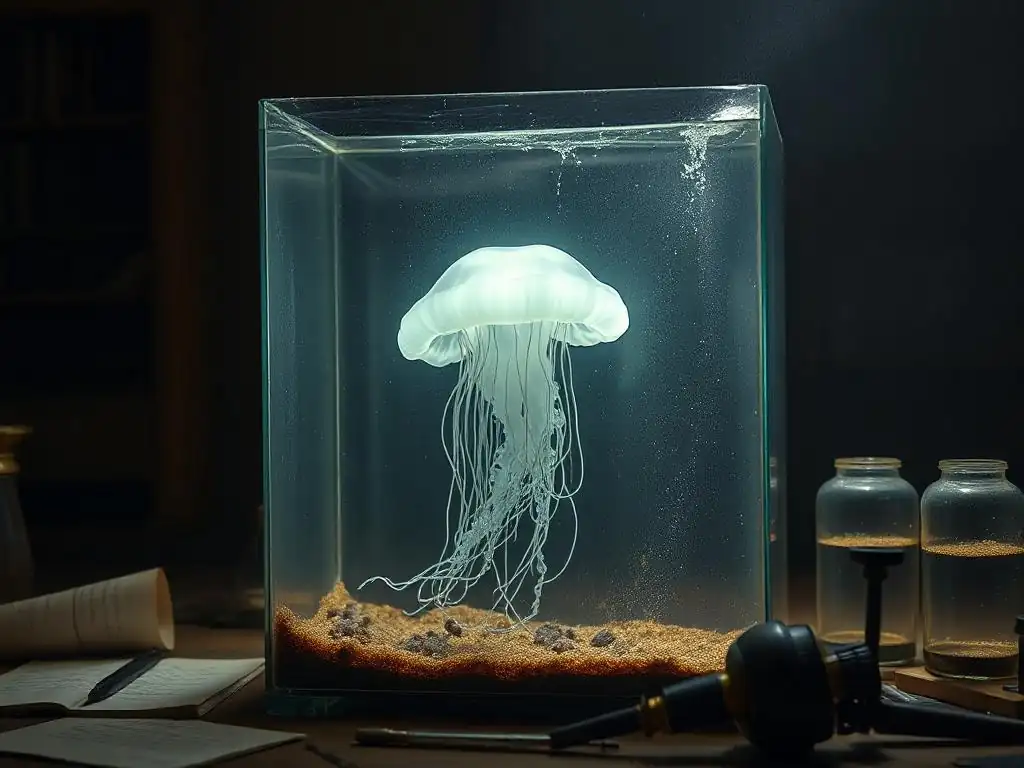
Welcome to WomenInScienceHistory.com!
Delve into the fascinating world of scientific discovery and uncover the untold stories of remarkable women who shaped our understanding of the world. Prepare to be captivated by the ingenuity and resilience of these pioneers, starting with our feature on Jeanne Villepreux-Power, a name you might not know, but absolutely should. How did a dressmaker revolutionize marine biology and become a true pioneer in aquarium science and marine observation? Explore her incredible journey and the innovative techniques she developed, forever changing how we study the ocean. Let's uncover her legacy together!
- Introduction: Unveiling the Legacy of Jeanne Villepreux-Power
- Early Life and Influences on Jeanne Villepreux-Power's Scientific Path
- Jeanne Villepreux-Power's Groundbreaking Marine Biology Experiments
- Studying Marine Organisms: Jeanne Villepreux-Power's Focus and Discoveries
- Villepreux-Power's Contributions Beyond Aquariums: A Wider Scientific Impact
- Recognition and Challenges Faced by Jeanne Villepreux-Power
- Jeanne Villepreux-Power: A Lasting Impact on Marine Science and Aquarium Technology
- Conclusion: Celebrating the Pioneering Spirit of Jeanne Villepreux-Power
-
Frequently Asked Questions
- What is Jeanne Villepreux-Power best known for?
- What were some of the challenges Jeanne Villepreux-Power faced as a woman in science?
- What were Jeanne Villepreux-Power's major contributions to the field of marine biology?
- Why is it important to recognize the contributions of women like Jeanne Villepreux-Power in science history?
- How did Jeanne Villepreux-Power's work influence the field of marine biology after her time?
- Final Reflection: Illuminating the Depths of Discovery
- Unleash Your Inner Marine Explorer!
Introduction: Unveiling the Legacy of Jeanne Villepreux-Power
A Pioneer in Marine Biology: Introducing Jeanne Villepreux-Power
Jeanne Villepreux-Power, born in 1794 in Juillac, France, stands as a towering figure in the history of marine biology, despite often being overlooked in traditional scientific narratives. A self-taught naturalist, her groundbreaking work in the early 19th century laid the foundational stones for experimental marine science. Her most enduring legacy is undoubtedly the invention of the glass aquarium, a revolutionary tool that transformed the study of aquatic life from static observation to dynamic, controlled experimentation.
Her passion for the natural world, particularly marine environments, blossomed after she moved to Sicily. It was there, amidst the rich biodiversity of the Mediterranean, that she conducted her most significant research, meticulously observing and documenting various species. Her innovative methodologies and profound insights into the lives of marine organisms mark her as a true pioneer in a field dominated by men, making her contributions to Jeanne Villepreux-Power marine biology indispensable.
Why Jeanne Villepreux-Power's Contributions to Marine Science Matter
The significance of Jeanne Villepreux-Power's work extends far beyond the mere creation of a glass box. Before her innovations, observing marine creatures required either brief glimpses in their natural habitat or the study of dead specimens, which offered limited insights into their behaviors, physiology, and life cycles. Her invention of the aquarium provided the unprecedented ability to keep aquatic organisms alive and thriving in a controlled environment for extended periods, enabling sustained, detailed observation.
This methodological leap fundamentally changed how marine science could be conducted, moving it from descriptive natural history to a more experimental discipline. Her systematic approach to observing aquatic life, combined with her innovative tools, established principles still central to modern marine research. The very concept of observing and understanding marine ecosystems owes a significant debt to Jeanne Villepreux-Power marine biology, making her a foundational figure in the field.
Early Life and Influences on Jeanne Villepreux-Power's Scientific Path
From Seamstress to Scientist: Jeanne's Unexpected Journey
Jeanne Villepreux-Power's early life offered no conventional path to scientific renown. Born into a modest family in rural France, she began her career as a seamstress in Paris around 1812. Her talent and entrepreneurial spirit quickly led her to become a successful dressmaker, designing gowns for prominent figures and even members of the French royal family. This period showcased her meticulous attention to detail and her ability to innovate, qualities that would later define her scientific endeavors.
Despite her success in fashion, Villepreux-Power harbored a deep intellectual curiosity and an insatiable thirst for knowledge. Her transition from the world of haute couture to rigorous scientific investigation was highly unconventional for the era, particularly for a woman. It speaks volumes about her innate drive and intellectual independence that she embarked on this self-directed journey into natural history, ultimately becoming a luminary in Jeanne Villepreux-Power marine biology.
Marriage and Intellectual Growth: The Role of James Power
A pivotal moment in Jeanne Villepreux-Power's life was her marriage to James Power, a wealthy Irish merchant, in Messina, Sicily, in 1818. This union provided her with both financial stability and a conducive environment for her burgeoning scientific interests. Sicily, with its diverse marine life and relatively unexplored natural history, became her living laboratory. Her husband's connections and resources likely facilitated her access to scientific circles and materials, though her research was largely self-funded and driven by her own initiative.
The intellectual freedom and exposure to a new, vibrant ecosystem offered by her life in Sicily allowed her to fully immerse herself in natural history. It was here that she began to formulate her groundbreaking ideas about observing marine organisms in controlled settings, laying the groundwork for her revolutionary contributions to Jeanne Villepreux-Power marine biology. Her marriage, therefore, inadvertently served as a catalyst for her transformation into a pioneering scientist.
Jeanne Villepreux-Power's Groundbreaking Marine Biology Experiments
The Invention of the Aquarium: A Revolutionary Tool for Marine Observation
Faced with the challenge of observing marine organisms over extended periods, Jeanne Villepreux-Power conceived of a revolutionary solution: the glass aquarium. Prior to her innovation, scientists relied on fleeting observations in the sea or the study of dead specimens, which severely limited understanding of complex behaviors and life cycles. Villepreux-Power realized that to truly understand marine life, she needed to create an environment where these creatures could thrive and be observed continuously.
Her ingenuity led to the development of not one, but three distinct types of "cages" for marine study. The most famous was the portable glass aquarium, designed for indoor observation. She also devised a submersible bell-shaped cage for keeping mollusks in their natural environment while allowing periodic retrieval, and a larger, fixed submersible cage for studying fish and other larger organisms directly in the sea. These inventions were unprecedented and fundamentally changed the scope of Jeanne Villepreux-Power marine biology.
Early Aquarium Designs and Their Impact on Marine Studies
Villepreux-Power's early aquariums were remarkably sophisticated for their time. The glass version, essentially a sealed tank, allowed her to bring the marine environment into her study, enabling detailed, long-term observation of marine flora and fauna. She experimented with various sizes and designs, optimizing them for different species and research questions. For instance, her submersible cages, deployed off the Sicilian coast, permitted in situ observation and temporary containment of specimens without removing them entirely from their habitat, a precursor to modern marine enclosures.
The impact of these designs on marine studies was profound. For the first time, scientists could observe feeding habits, reproductive cycles, and behavioral interactions of marine organisms in a controlled setting. This allowed for the generation of empirical data that was impossible to collect through traditional methods. Her methodical approach and innovative tools paved the way for rigorous experimental research in Jeanne Villepreux-Power marine biology, establishing a new paradigm for understanding aquatic ecosystems.
Documenting Marine Life: Villepreux-Power's Systematic Approach
Jeanne Villepreux-Power was not only an inventor but also a meticulous observer and documenter of marine life. She maintained extensive records of her observations, including detailed drawings and descriptions of the organisms she studied within her aquariums. Her systematic approach involved tracking changes over time, noting environmental conditions, and carefully recording the behaviors of various species. This rigorous methodology reflected a deep commitment to scientific accuracy and thoroughness.
Her commitment to systematic inquiry allowed her to gather comprehensive data on numerous species, contributing significantly to the natural history of Sicily's marine and terrestrial environments. This dedication to detailed documentation ensured that her findings were robust and verifiable, setting a high standard for future naturalists and solidifying her place as a pioneer in Jeanne Villepreux-Power marine biology.
Studying Marine Organisms: Jeanne Villepreux-Power's Focus and Discoveries
Observing the Argonauta argo: Villepreux-Power's Key Marine Research
Among Jeanne Villepreux-Power's most celebrated contributions was her groundbreaking research on the Argonauta argo, commonly known as the paper nautilus. At the time, a long-standing scientific debate revolved around the origin of the female Argonauta's delicate, paper-thin shell. Prominent naturalists, including Georges Cuvier, believed it was a borrowed shell, similar to a hermit crab's, or merely a raft for carrying eggs, not an integral part of the animal.
Through her innovative use of aquariums, Villepreux-Power was able to observe live Argonauta specimens for extended periods. She definitively proved that the female Argonauta secreted its own shell, using two specialized dorsal arms to create and hold it. Her observations revealed that this shell served as both a brood chamber for eggs and a buoyancy device, allowing the animal to control its depth. This discovery was a monumental triumph of empirical observation over long-held theoretical assumptions.
Challenging Existing Theories: Villepreux-Power's Contributions to Cephalopod Biology
Villepreux-Power's findings on the Argonauta argo directly challenged the prevailing scientific consensus, particularly the views of esteemed anatomists like Sir Richard Owen and Georges Cuvier. Her meticulous observations, enabled by her aquariums, provided irrefutable evidence that contradicted the established belief that the shell was not an inherent part of the animal. This was a significant moment in the history of cephalopod biology, as it underscored the importance of direct, sustained observation in uncovering biological truths.
Her work not only settled a contentious debate but also advanced the understanding of cephalopod morphology and behavior. By demonstrating the true nature of the Argonauta's shell and its function, she illuminated aspects of its life cycle and adaptation that were previously unknown. This empirical rigor cemented her reputation as a formidable scientist and profoundly influenced the trajectory of Jeanne Villepreux-Power marine biology, emphasizing the power of observation in challenging and refining scientific theories.
Villepreux-Power's Contributions Beyond Aquariums: A Wider Scientific Impact
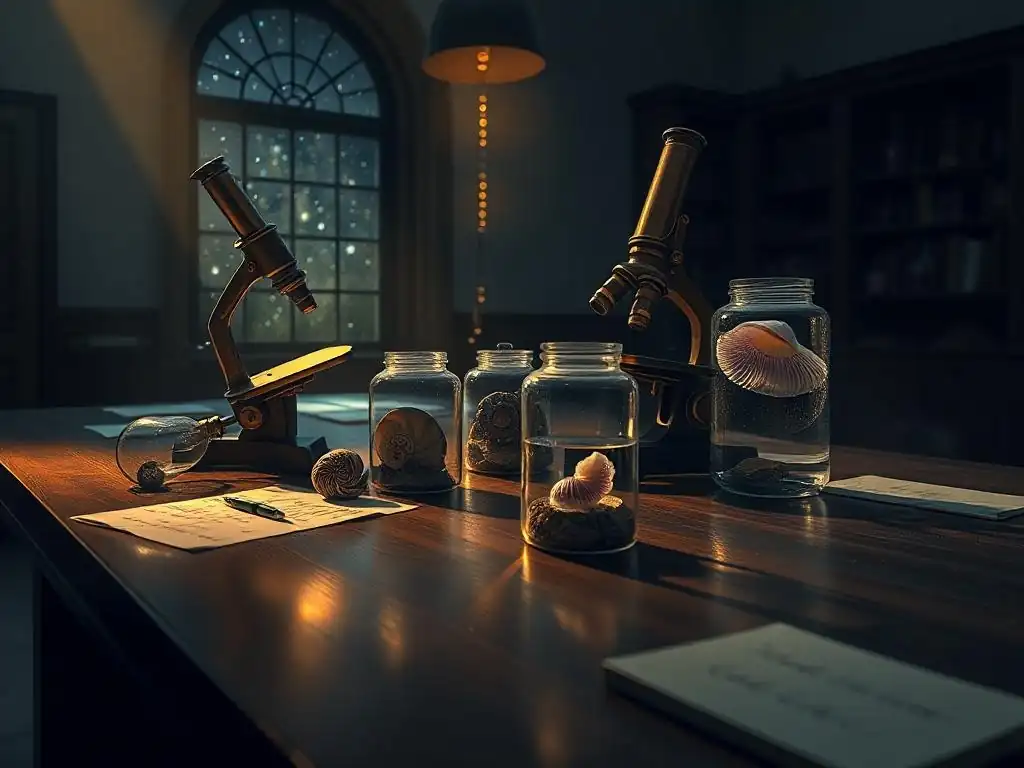
Natural History Studies in Sicily: Documenting Regional Marine Biodiversity
Jeanne Villepreux-Power's scientific endeavors extended far beyond her famous aquarium experiments. During her decades in Sicily, she embarked on comprehensive natural history studies, meticulously documenting the island's rich and diverse marine and terrestrial fauna. Her work included detailed observations of various mollusks, fish, and other invertebrates, contributing significantly to the understanding of regional biodiversity. She explored caves, studied volcanic activity, and collected specimens, demonstrating a broad interest in the natural sciences.
Her commitment to cataloging the local wildlife was an immense undertaking, resulting in a substantial body of research that captured the ecological richness of Sicily. She not only identified species but also recorded their habitats, behaviors, and interdependencies, painting a vivid picture of the island's ecosystems. This extensive work solidified her reputation as a leading naturalist of her time, deeply enriching the scientific understanding of Jeanne Villepreux-Power marine biology and broader natural history.
"Physical Observations and Experiments on Various Marine and Terrestrial Animals": Villepreux-Power's Publications
The culmination of much of Jeanne Villepreux-Power's extensive research was her two-volume compendium, "Observations et expériences physiques sur plusieurs animaux marins et terrestres", published in 1839. This monumental work detailed her numerous experiments, observations, and findings across a wide range of species. It provided a comprehensive account of her methodologies, including the design and use of her aquariums, and presented the empirical data that supported her conclusions, such as those on the Argonauta.
The publication served as a testament to her scientific rigor and her ability to synthesize vast amounts of information into a coherent body of knowledge. It allowed her groundbreaking work to be disseminated to the wider scientific community, influencing subsequent generations of naturalists and marine biologists. This publication remains a crucial document in the history of Jeanne Villepreux-Power marine biology, showcasing her profound impact on the field.
Recognition and Challenges Faced by Jeanne Villepreux-Power
Overcoming Obstacles: Jeanne Villepreux-Power's Fight for Recognition in a Male-Dominated Field
As a self-taught woman operating in the male-dominated scientific landscape of the 19th century, Jeanne Villepreux-Power faced considerable challenges in gaining recognition for her pioneering work. Her innovative methods and findings, particularly regarding the Argonauta, were initially met with skepticism or outright dismissal by some established male scientists who found it difficult to accept such significant discoveries from an unconventional source. Despite this, her meticulous research eventually earned her respect from a number of scientific societies.
She was the first woman admitted to the prestigious Accademia Gioenia di Catania in 1832, and later to more than a dozen other scientific academies, including the London Zoological Society. This hard-won recognition underscored the undeniable quality and significance of her contributions, demonstrating her perseverance in breaking through the formidable gender barriers of her era. Her journey epitomizes the struggle for female scientists to have their work acknowledged in the nascent field of Jeanne Villepreux-Power marine biology.
The Loss of Her Research: The Shipwreck of the Inferno and the Loss of Sicilian Research
A devastating blow to Jeanne Villepreux-Power's life work occurred in 1842 when the ship Inferno, carrying much of her irreplaceable research, sank off the coast of Sicily. This tragic event resulted in the complete loss of her extensive collections of specimens, detailed notes, meticulous drawings, and numerous unpublished manuscripts, including a planned third volume of her "Observations." This represented decades of dedicated work, painstakingly compiled and documented.
The shipwreck was an immense personal and scientific tragedy, effectively erasing a significant portion of her legacy and preventing further dissemination of her discoveries. While her published works survived, the lost material likely contained invaluable insights and detailed records that would have further solidified her place in scientific history. This profound loss underscores the fragility of scientific heritage and the personal sacrifices often made in the pursuit of knowledge in Jeanne Villepreux-Power marine biology.
Legacy and Rediscovery: Jeanne Villepreux-Power's Enduring Influence on Marine Biology
Despite the catastrophic loss of much of her research, Jeanne Villepreux-Power's published work continued to exert an influence on subsequent generations of naturalists. Her invention of the aquarium, though initially recognized within specific scientific circles, was later popularized by others, sometimes without proper attribution. However, the fundamental concept she pioneered – observing aquatic life in controlled environments – became indispensable to marine science.
In the late 20th century, there has been a significant effort to rediscover and properly acknowledge her foundational role. Historians of science and marine biologists have increasingly championed her story, ensuring that her contributions are no longer relegated to the footnotes of history. Her enduring influence on the methods and principles of Jeanne Villepreux-Power marine biology is now widely recognized, securing her rightful place as a pivotal figure.
Jeanne Villepreux-Power: A Lasting Impact on Marine Science and Aquarium Technology
Modern Marine Biology and the Debt to Jeanne Villepreux-Power
The principles and tools pioneered by Jeanne Villepreux-Power remain central to modern marine biology and oceanographic research. Her invention of the aquarium, initially a simple glass tank, evolved into the sophisticated public aquariums, research laboratories, and marine institutes that are crucial for studying aquatic ecosystems today. The ability to maintain marine organisms in controlled environments allows scientists to conduct experiments on behavior, physiology, reproduction, and ecological interactions, all stemming from her initial concept.
Contemporary marine conservation efforts also rely heavily on techniques that trace their lineage back to Villepreux-Power's innovations. Controlled environments facilitate breeding programs for endangered species, rehabilitation of injured marine animals, and in-depth studies of environmental impacts on marine life. Every time a scientist observes a marine creature in a tank, or a public enjoys an aquarium exhibit, they are benefiting from the legacy of Jeanne Villepreux-Power marine biology.
How Jeanne Villepreux-Power's Work Continues to Inspire Women in Science
Jeanne Villepreux-Power's life story is a powerful testament to perseverance, intellectual curiosity, and groundbreaking innovation against considerable odds. Her journey from seamstress to pioneering marine biologist, coupled with her fight for recognition in a male-dominated field, serves as an immense source of inspiration for women pursuing careers in science, technology, engineering, and mathematics (STEM) today. She demonstrated that passion and rigorous inquiry can overcome societal barriers and conventional expectations.
Her legacy encourages aspiring female scientists to challenge existing norms, embrace unconventional approaches, and trust their own observations, even when they contradict established theories. By highlighting her achievements and the challenges she overcame, "Women in Science History" helps to ensure that her trailblazing spirit continues to empower and motivate future generations of women to contribute to all fields of science, particularly in Jeanne Villepreux-Power marine biology.
Conclusion: Celebrating the Pioneering Spirit of Jeanne Villepreux-Power
Jeanne Villepreux-Power: A Marine Science Icon
Jeanne Villepreux-Power's contributions to science are nothing short of iconic. Her singular invention of the aquarium revolutionized the study of marine life, transforming it from a largely observational pursuit into an experimental discipline. Her meticulous research on organisms like the Argonauta argo not only settled long-standing scientific debates but also underscored the critical importance of direct, empirical observation in biological discovery. She was a self-taught innovator, a meticulous documenter, and a persistent advocate for her own findings in a world that often overlooked women's intellectual contributions.
Despite the tragic loss of much of her work, her published research and the enduring impact of her methodologies have cemented her place as the "Mother of Aquarium Science." Her legacy continues to resonate, reminding us that true scientific progress often comes from those with the courage to think differently and observe more deeply. Her name, Jeanne Villepreux-Power marine biology, stands as a beacon for scientific innovation and resilience.
Further Exploration: Resources for Learning More About Jeanne Villepreux-Power's Marine Biology Research
To fully appreciate the depth and breadth of Jeanne Villepreux-Power's pioneering work, it is essential to delve into the historical context of 19th-century science and the specific challenges faced by women naturalists. Exploring accounts of early marine biology and the development of experimental methods can provide a richer understanding of her unique contributions. Examining original scientific texts and biographies of her contemporaries can also illuminate the intellectual landscape in which she operated.
Researchers and enthusiasts are encouraged to seek out scholarly articles and historical accounts that shed light on her life and scientific endeavors. Understanding the full scope of her impact requires a commitment to unearthing the stories of these unsung heroes who shaped the scientific world. Her enduring influence on Jeanne Villepreux-Power marine biology continues to be a subject of fascinating historical and scientific inquiry.
Frequently Asked Questions
What is Jeanne Villepreux-Power best known for?
Jeanne Villepreux-Power is best known for her pioneering work in marine biology and her invention of the aquarium for observing marine life. She is often considered the mother of aquarium science.
What were some of the challenges Jeanne Villepreux-Power faced as a woman in science?
As a woman in the 19th century, Jeanne Villepreux-Power faced significant challenges due to the male-dominated scientific community. She often lacked the formal education and recognition afforded to her male counterparts.
What were Jeanne Villepreux-Power's major contributions to the field of marine biology?
Her major contributions include developing the first known aquariums for observing marine organisms and conducting systematic studies of marine life, particularly the Argonauta argo octopus.
Why is it important to recognize the contributions of women like Jeanne Villepreux-Power in science history?
Recognizing women like Jeanne Villepreux-Power helps to correct historical biases and provide role models for future generations of female scientists. It also highlights the diversity of perspectives that contribute to scientific advancement.
How did Jeanne Villepreux-Power's work influence the field of marine biology after her time?
Her creation of the aquarium revolutionized the way scientists could observe and study marine life. It paved the way for future advancements in marine research and conservation efforts, influencing generations of marine biologists.
Final Reflection: Illuminating the Depths of Discovery
The story of Jeanne Villepreux-Power, though often overlooked, resonates profoundly today, reminding us that groundbreaking contributions can emerge from unexpected places and individuals. Her pioneering work in marine biology and aquarium science, detailed in this article, serves as a powerful testament to the enduring impact of curiosity, meticulous observation, and unwavering dedication, even in the face of societal limitations.
Jeanne Villepreux-Power's legacy extends far beyond the invention of the aquarium; it underscores the importance of recognizing and celebrating the contributions of women in science throughout history. Her innovative approach to marine observation laid the foundation for modern marine biology, and her story continues to inspire those seeking to understand and protect our oceans. The sea, once it casts its spell, holds one in its net of wonder forever.
- Jacques Cousteau. This quote encapsulates the passion that likely fueled Jeanne's work and the enduring allure of the marine world she helped us explore.
As we reflect on Jeanne Villepreux-Power's remarkable life and achievements, let us be inspired to embrace our own curiosity and pursue our passions with unwavering determination. Just as she illuminated the hidden depths of the ocean, may we strive to uncover new knowledge, challenge existing norms, and leave a lasting positive impact on the world around us. Let her story be a reminder that anyone, regardless of background or circumstance, can make a significant contribution to science and society.
Unleash Your Inner Marine Explorer!
Thank you for delving into the fascinating world of Jeanne Villepreux-Power and her groundbreaking contributions to marine science. Now that you've learned about her innovative spirit, it's time to channel that inspiration into action!
- Embrace Jeanne's curiosity by creating your own mini-aquarium or observation tank! Even a small setup can reveal the wonders of aquatic life.
- Share this inspiring story with other science enthusiasts and spark conversations about unsung heroes like Jeanne.
- Delve deeper into the lives of other influential women in STEM through online resources and local science museums.
What small, everyday action will you take to champion women in science and ignite your own passion for discovery?