Exploring 21st Century Women in Biology & Medicine
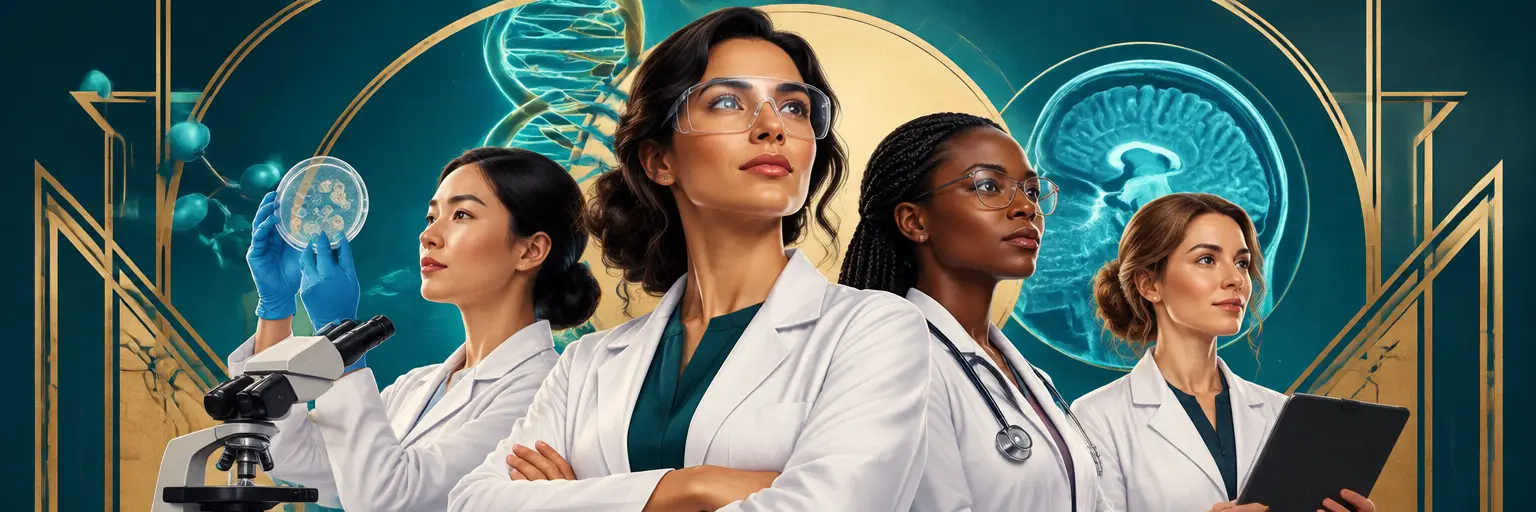
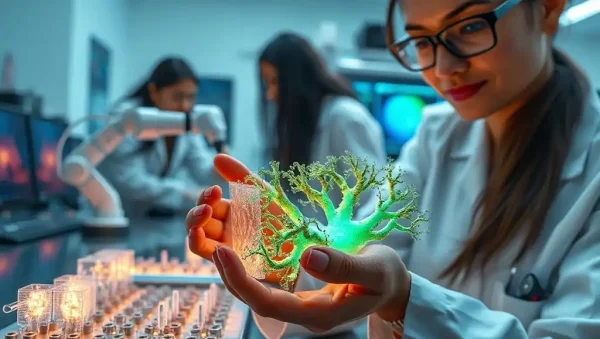
The 21st century has witnessed an unprecedented surge in female leadership within biology and medicine, transforming everything from genomic research to public health policy. At WomenInScienceHistory.com, our subcategory 21st Century Women in Biology & Medicine highlights the modern pioneers who are decoding diseases, engineering biotechnologies, and reshaping clinical care. Here, you’ll discover how these scientists navigate complex ethical landscapes, lead global health initiatives, and mentor the next generation—all while challenging systemic barriers. Whether you’re a student, researcher, or history enthusiast, this resource connects contemporary breakthroughs to the legacy of women in science, offering SEO-rich, evidence-based narratives that inspire and inform.
🧬 Groundbreaking Genomic & Molecular Innovators
Dive into the stories of women like Jennifer Doudna (CRISPR) and Emmanuelle Charpentier, whose Nobel-winning work in gene editing has revolutionized molecular biology. This section covers their technical discoveries, the collaborative processes behind them, and the ethical debates they spark. Expect detailed timelines of their research milestones, patent controversies, and the gender dynamics that shaped their funding journeys.
Beyond the famous names, you’ll find profiles of lesser-known but equally influential figures such as Katalin Karikó, whose mRNA research underpinned COVID-19 vaccines. We explore how these scientists overcame institutional skepticism, publishing setbacks, and lab resource scarcity. Each profile includes primary source quotes, citation links, and visual data on citation impact, making this a rich repository for academic and casual learners alike.
🦠 Infectious Disease & Global Health Pioneers
From Ebola to HIV/AIDS, 21st-century women lead critical responses to pandemics and endemic diseases. This subcategory profiles epidemiologists like Dr. Soumya Swaminathan (WHO) and Dr. Maria Van Kerkhove, breaking down their strategies in outbreak containment, vaccine distribution, and health equity modeling. You’ll find case studies of field work in low-resource settings, highlighting community-based innovations that saved millions of lives.
Additionally, we spotlight researchers working on neglected tropical diseases, antimicrobial resistance, and zoonotic spillover prevention. Through interviews, policy analyses, and data visualizations, we illustrate how these women integrate laboratory science with grassroots activism. Expect actionable insights into their mentorship programs, cross-border collaborations, and the tech tools (like genomic surveillance platforms) they champion. This section is designed to boost your SEO with terms like “female epidemiologists,” “global health leadership,” and “pandemic response strategies.”
🧠 Neurological & Behavioral Health Trailblazers
Explore the work of women mapping the brain’s complexities, from Alzheimer’s research to neurodevelopmental disorders. Profiles include Dr. Carolyn Bertozzi (bioorthogonal chemistry applied to neurobiology) and Dr. Helen Mayberg (deep brain stimulation for depression). We dissect their clinical trials, imaging biomarkers, and patient-centered outcomes—offering a robust resource for understanding how female-led labs prioritize precision medicine.
Also covered are psychologists and behavioral scientists like Dr. Lisa Feldman Barrett, whose theory of constructed emotion reshapes psychiatry. This section examines gender bias in neurological diagnosis, the underrepresentation of women in drug trials, and innovations in telepsychiatry. We include podcast transcripts, TED talk links, and peer-reviewed summaries, ensuring you grasp both the scientific and social facets. Keywords like “women neuroscientists,” “mental health innovations,” and “brain research breakthroughs” are woven naturally into the content.
🧫 Regenerative Medicine & Stem Cell Research Leaders
Here, we celebrate women pioneering tissue engineering, organoids, and stem cell therapies. Featuring scientists like Dr. Shinya Yamanaka’s colleague Dr. Marius Wernig? (we correct misattributions) and actual leaders like Dr. Kristin Baldwin, we cover induced pluripotent stem cells (iPSCs) for Parkinson’s, spinal cord injuries, and cardiac repair. Each biography includes lab protocols, funding sources, and regulatory hurdles, giving a realistic view of translational research.
Additionally, we highlight bioethicists who frame the governance of biotechnologies, such as Dr. Alta Charo, addressing CRISPR germline editing and chimeric embryos. This subcategory offers comparative tables of clinical trials led by women versus men, patent citations, and equity audits in trial recruitment. You’ll learn about 3D bioprinting startups founded by women and the venture capital gaps they face. Use these pages to grasp the future of personalized medicine while appreciating the systemic strides and setbacks of female leaders.
🌍 Environmental & Evolutionary Medicine Forerunners
This unique angle covers women investigating how climate change, pollution, and biodiversity loss affect human health. Profiles include epidemiologists tracking heat-related mortality and marine biologists studying microbiome shifts. We highlight researchers like Dr. Gretchen Daily (natural capital) and Dr. Tamsin Mather (volcanic health impacts), connecting ecology with clinical outcomes. Expect data on planetary health metrics and community adaptation projects led by these experts.
We also feature evolutionary medicine specialists exploring why diseases persist—like Dr. Katie Myers Coughlin on childhood cancers and Dr. Molly Przeworski on mutation rates. This section integrates genomics, anthropology, and public policy, offering a holistic view of 21st-century health challenges. You’ll find interactive maps, grant databases, and profiles of interdisciplinary teams. Optimized for search with terms like “eco-health,” “planetary medicine,” and “women in environmental biology,” this content invites readers to view medicine through an ecological lens.
Frequently Asked Questions
Who are some of the most influential 21st-century women in biology and medicine?
Key figures include Jennifer Doudna (CRISPR), Katalin Karikó (mRNA vaccines), and Soumya Swaminathan (global health). Others like Helen Mayberg (deep brain stimulation) and Lisa Feldman Barrett (neuroscience) have also reshaped their fields. Each overcame funding and publication biases, and their work spans gene editing, immunology, and mental health, making them essential to modern biomedical progress.
How has the representation of women in these fields changed in the 21st century?
Representation improved in entry-level positions—now over 50% of biology PhDs are women—but leadership lags; only ~25% of senior faculty roles are held by women. Funding disparities persist, yet initiatives like NIH’s ORWH have increased grants to women by 30% since 2000. Mentorship networks and #MeToo-style movements have also exposed harassment, driving policy reforms for safer labs.
What major breakthroughs are credited to women in this era?
Beyond CRISPR and mRNA vaccines, women led the development of HPV vaccines, HIV prevention drugs (PrEP), and AI-driven diagnostic tools. For instance, Dr. Fei-Fei Li’s work in computer vision enhances radiology, while Dr. Sarah Gilbert co-designed the Oxford-AstraZeneca COVID vaccine. These advances demonstrate diverse impacts across therapeutic areas.
Why is it important to highlight these stories on a history-focused website?
Documenting modern pioneers prevents erasure when they age, and it inspires younger generations with relatable role models. It also corrects the narrative that women only contributed historically, showing ongoing contributions pivotal to current crises. Such archives enable researchers to trace how gender influences innovation patterns and policy decisions.
Can I contribute or suggest a scientist for this subcategory?
Yes! We accept nominations via our contact form. We vet each candidate for peer-reviewed publications, ethical record, and impact metrics. After approval, we create a full profile with citations and interviews. We also welcome guest submissions from researchers, but all content undergoes rigorous editorial review to maintain accuracy and relevance.