Exploring 18th Century Women in Biology & Medicine
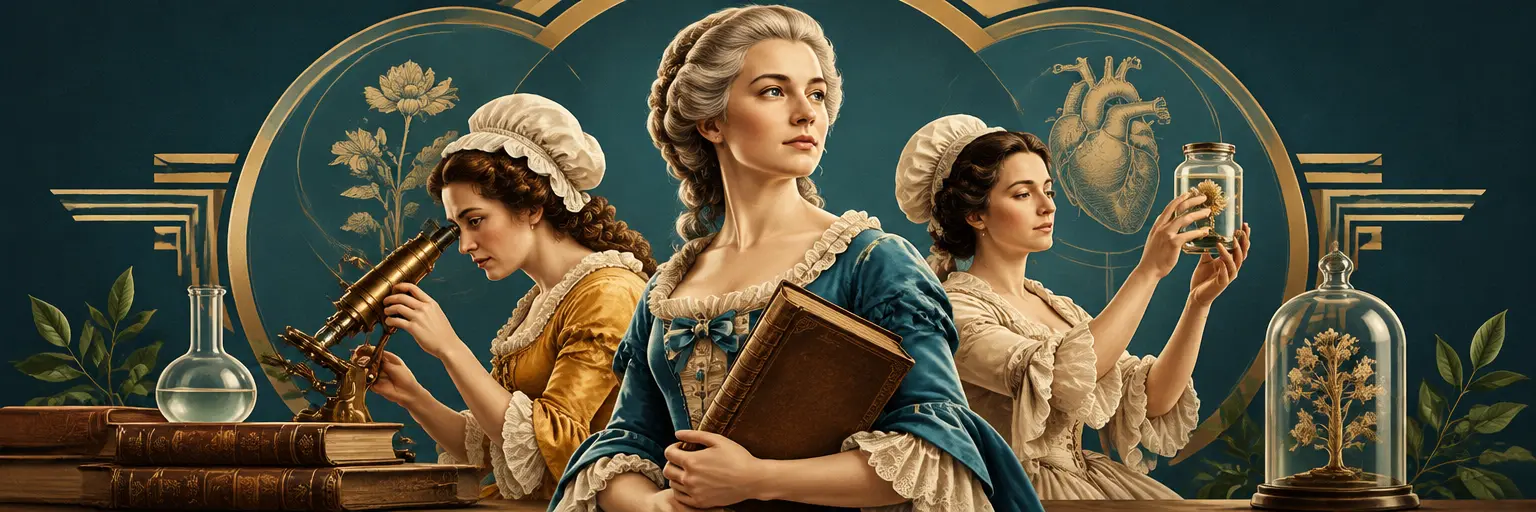
The 18th century was a transformative era for science, yet women’s contributions to biology and medicine remain largely hidden from mainstream history. On WomenInScienceHistory.com, this subcategory uncovers the resilient pioneers who navigated restrictive societal norms to study anatomy, botany, midwifery, and natural history. From self-taught botanists to famed midwives and early entomologists, these women laid essential groundwork despite being barred from universities and professional societies. Here, you’ll discover their remarkable stories, practical achievements, and the enduring legacy that shaped modern biological and medical knowledge.
🔬 Pioneering Botanists and Naturalists
In the 18th century, botany was deemed an acceptable “feminine” pursuit, yet women like Maria Sibylla Merian and Jeanne Baret transformed it into rigorous science. Merian’s voyages to Suriname documented insect metamorphosis with unprecedented accuracy, while Baret became the first woman to circumnavigate the globe, secretly collecting thousands of plant specimens. This section details their fieldwork, illustrations, and classification efforts, showing how they expanded European knowledge of global biodiversity.
You’ll also meet lesser-known figures like Elizabeth Blackwell, whose A Curious Herbal (1737) provided medicinal plant illustrations, and Anna Blackburne, who built a vast natural history collection. Their work challenged male-dominated scientific networks, and their detailed observations often corrected errors in Linnaean taxonomy. Expect engaging profiles, primary source quotes, and analysis of how their gender shaped their research methods and publication access.
💊 Midwifery and Women’s Health Innovators
Midwifery was one of the few medical fields where 18th-century women held significant authority. Figures like Sarah Stone and Martha Ballard wrote detailed casebooks that recorded hundreds of births, complications, and treatments, offering rare firsthand data on maternal and infant health. This section highlights their practical expertise, home remedies, and the professional rivalry they faced from male physicians like William Smellie, who often dismissed female practitioners as uneducated.
Expect insights into how these women preserved knowledge through diaries and manuals, influencing modern obstetrics. We also examine women like Elizabeth Nihell, who publicly defended female midwifery against male “man-midwives” in 1760 London. Their stories reveal a complex power struggle, blending clinical skill, patient trust, and gendered politics. Discover how their legacy informs today’s debates on reproductive care and the valorization of empirical, bedside knowledge.
🧬 Early Anatomy and Physiology Contributions
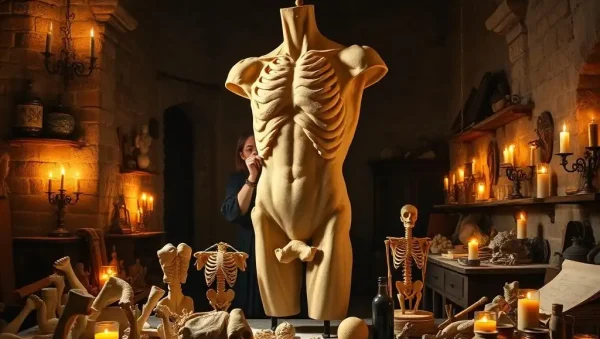
Though barred from dissection halls, several 18th-century women made vital contributions to anatomy and physiology. Anna Morandi Manzolini became a celebrated anatomical wax modeler in Bologna, creating hyper-realistic specimens that are still studied today. Geneviève Thiroux d’Arconville conducted groundbreaking research on putrefaction and bone formation, publishing despite severe social restrictions. This section reveals their experimental methods, collaborations with male scholars, and the ingenious ways they used art and private laboratories to bypass institutional bans.
You’ll also meet Laura Bassi, the first female university professor, who taught physics and experimental philosophy, influencing medical understanding of electricity and bodily functions. Their work demonstrates that women were not passive observers but active producers of biological knowledge. Expect discussions on how their research was received, often credited to male colleagues, and the long process of historical reattribution that this website champions.
🌿 Herbal Medicine and Pharmacological Knowledge
Women served as primary healers in rural and urban communities, relying on deep herbal knowledge passed down through generations. Figures like Hannah Glasse and Mary Wortley Montagu (who introduced inoculation to England) illustrate the practical and preventative medicine women practiced. This section explores how their knowledge of plants, tinctures, and dietary therapies influenced early pharmacology, even as professional medicine marginalized their expertise.
We highlight the “herb women” of villages, whose remedies for fevers, wounds, and childbirth were often copied into male physicians’ pharmacopeias. You’ll learn about the written recipe books they left behind, like those of Lady Grace Talbot, which catalog hundreds of medicaments. This narrative not only honors their intelligence but also reveals the gendered economy of medical care, where women’s work was unpaid yet essential. Expect a nuanced look at intellectual theft, oral traditions, and the slow erasure of female botanical authority.
⚗️ Insect and Animal Studies in Natural Philosophy
Beyond botany, 18th-century women made notable strides in entomology and zoology. Eleanor Glanville famously discovered and described the Glanville fritillary butterfly, while Margaretha de Heer painted life cycles of insects with scientific precision. This section examines their observational rigor, often conducted in domestic settings, and how their detailed illustrations challenged prevailing theories of spontaneous generation. Their work informed later evolutionary thought, long before Darwin.
You’ll also discover Johanna Helena Herolt, who illustrated Surinamese insects alongside her mother, Merian, and Mary Delany, whose botanical collages were praised by Linnaeus himself. These women faced accusations of frivolity or hysteria, yet their specimens and notes were used without credit by male naturalists. This segment showcases their contributions to taxonomy and ethology, emphasizing how domestic observation spaces became legitimate scientific sites. Expect comparisons with male contemporaries and a reassessment of their methodology.
Frequently Asked Questions
Who was the most influential female biologist of the 18th century?
Maria Sibylla Merian is often cited as the most influential, due to her pioneering studies on insect metamorphosis and plant-insect interactions. Her 1705 work Metamorphosis Insectorum Surinamensium contains detailed illustrations and empirical observations that corrected Carl Linnaeus and inspired later naturalists. Her legacy endures in entomology and ecological science.
Did any 18th-century women hold formal medical degrees?
No, European universities prohibited women from earning medical degrees until the 19th century. However, some, like Laura Bassi, received doctorates in philosophy and taught science. In Italy, Anna Morandi Manzolini was appointed to a university chair in anatomy, though without a medical degree. Most female medical practitioners relied on apprenticeships and practical experience.
How did women publish scientific work in the 18th century?
Many women published anonymously, under male pseudonyms, or with husbands as co-authors to bypass social taboos. Others used patron networks or wrote in genres like illustrated books and recipe manuals, which were considered acceptable. Some, like Elizabeth Blackwell, published under their own names but faced severe financial and social penalties.
What specific barriers did female naturalists face in fieldwork?
They were often denied access to ships, universities, and scientific societies. Traveling unaccompanied was scandalous; men could control their observations, and specimens were often confiscated. Jeanne Baret, for example, disguised herself as a man for years, and her discoveries were initially credited to her male companion. Domesticity restricted their geographic reach, pushing many to study local flora and fauna.
Why is it important to study 18th-century women in biology today?
It corrects historical bias, enriches our understanding of scientific progress, and provides role models for girls and young women interested in STEM. Their contributions to taxonomy, pharmacology, and anatomy remain foundational, while their resilience offers lessons on overcoming systemic exclusion. Highlighting their stories also encourages diversity in contemporary scientific communities.