
Regenerative Realms: Women Scientists Unlocking Stem Cell Secrets Today

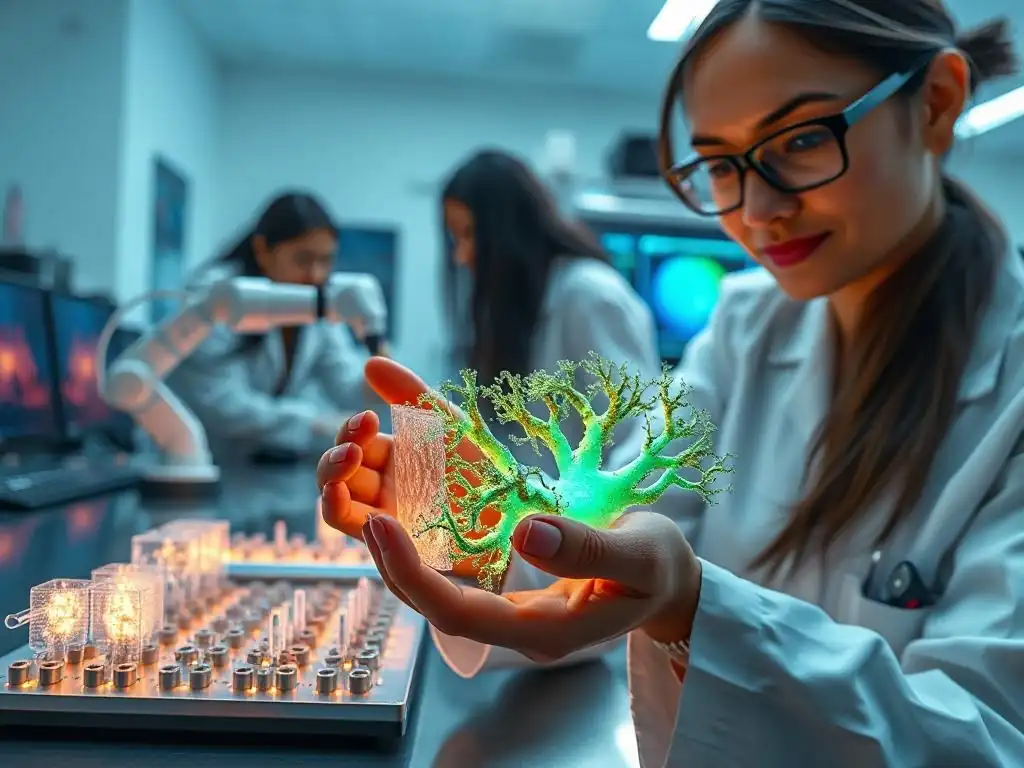
Welcome to WomenInScienceHistory.com, where we unearth the remarkable stories of women who shaped the scientific landscape. Prepare to be inspired by the untold narratives of trailblazers who dared to challenge convention and advance our understanding of the world. Today, we delve into the fascinating world of regenerative medicine and the pivotal roles women are playing in women stem cell research. What groundbreaking discoveries are they making, and how are they shaping the future of healthcare? Join us as we explore their contributions and uncover the secrets they're unlocking!
- Introduction: Women in Stem Cell Research - A New Era of Discovery
- Pioneering Women in Stem Cell Biology: Shaping the Future of Medicine
- Cutting-Edge Research Led by Women: Advancing Stem Cell Therapies
- Women in Stem Cell Research: Breaking Barriers and Inspiring Change
- Conclusion: Celebrating Women's Impact on Stem Cell Science
-
Frequently Asked Questions
- What is stem cell research, and why is it important?
- What contributions have women made to stem cell research?
- What challenges have women historically faced in stem cell research and science in general?
- How does WomenInScienceHistory.com highlight women in stem cell research?
- Why is it important to recognize and celebrate women in stem cell research?
- Final Reflection: Seeds of Hope in Cellular Science
- Unveil Your Inner Scientist: Join the Stem Cell Revolution!
Introduction: Women in Stem Cell Research - A New Era of Discovery
Highlighting the Contributions of Women to Regenerative Medicine
The landscape of regenerative medicine is being profoundly reshaped by the groundbreaking work of women scientists. Historically, their contributions in scientific fields were often overlooked or attributed to male counterparts, but the 21st century has seen a significant shift, with women increasingly at the forefront of pioneering research. Their expertise and innovative approaches are vital in unraveling the complexities of stem cells, driving forward the development of therapies for debilitating diseases and injuries. This surge in women stem cell research is not merely about representation; it's about enriching the scientific discourse with diverse perspectives and fostering novel solutions.
These dedicated researchers are pushing the boundaries of what's possible, from understanding fundamental cellular processes to developing clinical applications. Their work spans various areas, including tissue engineering, disease modeling, and drug discovery, all centered around the remarkable potential of stem cells. The impact of their collective efforts is evident in the accelerating pace of discoveries and the growing promise of regenerative medicine to transform patient care globally.
Why Women's Leadership Matters in Stem Cell Innovation
The presence of women in leadership roles within stem cell innovation is paramount for several reasons, extending beyond mere equity. Women leaders often bring unique leadership styles characterized by collaboration, empathy, and a holistic approach to problem-solving. This can foster more inclusive research environments, encouraging diverse teams to tackle complex scientific challenges from multiple angles. For instance, a focus on patient-centric research, considering the broader societal implications of new therapies, often gains prominence under women's leadership.
Furthermore, the leadership of women in stem cell research can influence the direction of funding and research priorities. By advocating for underrepresented diseases or conditions that disproportionately affect women, they ensure a more comprehensive and equitable allocation of resources. Their success stories also serve as powerful beacons, inspiring young girls and aspiring women scientists to pursue careers in demanding fields like stem cell biology, thereby strengthening the pipeline of future innovators in this vital area.
Pioneering Women in Stem Cell Biology: Shaping the Future of Medicine
Dr. Rita Levi-Montalcini and Her Groundbreaking Work in Nerve Growth Factor
Dr. Rita Levi-Montalcini, an Italian neurobiologist, stands as a towering figure whose foundational work on nerve growth factor (NGF) profoundly influenced our understanding of cell growth and differentiation, concepts central to women stem cell research today. Her discovery, for which she shared the Nobel Prize in Physiology or Medicine in 1986, revealed how specific proteins guide the development and survival of nerve cells.
While not directly a stem cell discovery, NGF’s role in directing neuronal fate and maintaining neural health laid crucial groundwork for understanding how cellular environments and growth factors influence stem cell behavior and differentiation into specialized cells.
Her research provided critical insights into the mechanisms that regulate cell proliferation, migration, and survival—processes that are fundamental to regenerative medicine. By identifying NGF, Levi-Montalcini illuminated the intricate molecular signals that dictate cellular destiny, directly impacting subsequent research into how to manipulate stem cells for therapeutic purposes, particularly in neurological repair and regeneration.
Early Life and Education: The Path to Stem Cell Science
Born in Turin, Italy, in 1909, Rita Levi-Montalcini pursued a medical degree at the University of Turin, graduating in 1936. Her early career was marked by a deep fascination with the nervous system, a field that was then ripe for discovery. Despite facing societal norms that often discouraged women from rigorous scientific pursuits, she demonstrated an early commitment to research, driven by an insatiable curiosity about biological processes.
Her initial work focused on the development of the nervous system in chick embryos, setting the stage for her future breakthroughs. This early immersion in developmental biology equipped her with the meticulous observational skills and experimental rigor necessary to uncover the subtle yet profound interactions that govern cellular growth. Her dedication from a young age laid the foundation for a career that would ultimately reshape understanding in areas critical to future women stem cell research.
Key Discoveries and Contributions to Nerve Growth Factor Research
Dr. Levi-Montalcini's seminal work involved meticulously dissecting chick embryos and observing nerve fiber growth in different environments. She noticed that certain tissues stimulated nerve growth more effectively than others. This led her to a pivotal collaboration with biochemist Stanley Cohen, where they isolated and characterized the substance responsible for this growth, which they named Nerve Growth Factor (NGF). Their experiments demonstrated that NGF was essential for the survival and development of sensory and sympathetic neurons.
The identification of NGF was revolutionary because it was the first discovery of a growth factor that directly controlled the growth and differentiation of specific cells. This discovery provided a blueprint for understanding how external signals can direct cell behavior, a principle that is now fundamental to the field of stem cell biology. Her work highlighted the potential to use specific growth factors to guide stem cells toward desired cell types for therapeutic applications, a cornerstone of modern women stem cell research.
Overcoming Challenges: Fascist Italy and Continuing Research Underground
Dr. Rita Levi-Montalcini's scientific journey was profoundly impacted by the political turmoil of her time. In 1938, Mussolini's fascist regime enacted anti-Semitic laws that barred Jews from academic and professional careers. As a Jewish woman, she was forced to leave her university position. Undeterred, she set up a makeshift laboratory in her bedroom, first in Turin and later in a country cottage, continuing her research on chick embryo nerve growth in secret.
This period of clandestine research, conducted under immense personal risk and resource limitations, speaks volumes about her unwavering commitment to science. Despite the severe political and social pressures, she continued her vital experiments, demonstrating extraordinary resilience and intellectual fortitude. Her perseverance during these challenging times served as an enduring testament to the power of scientific dedication, inspiring generations of women in science who face their own unique barriers.
Dr. Helen Blau and Her Revolutionary Techniques in Muscle Regeneration and Stem Cell Therapy
Dr. Helen Blau is a pioneering figure in the field of muscle regeneration and stem cell therapy, whose work has fundamentally reshaped our understanding of cell plasticity and the potential for tissue repair. As a Professor at Stanford University, her research has focused on how terminally differentiated cells can be reprogrammed and how muscle stem cells (satellite cells) can be harnessed to repair damaged or diseased muscle tissue. Her contributions have been crucial in advancing the practical applications of women stem cell research in regenerative medicine.
Her laboratory has been at the forefront of demonstrating that cellular fate is not as rigid as once thought, showing that differentiated cells retain a remarkable degree of plasticity. This concept is vital for the development of stem cell-based therapies, as it suggests that cells can be directed or reprogrammed to perform new functions, offering new avenues for treating degenerative diseases and injuries affecting muscle, which has broad implications for quality of life.
Revolutionizing Stem Cell Research and Regenerative Medicine
Dr. Blau's early work challenged the prevailing dogma that differentiated cells were permanently locked into their fate. She demonstrated that fusing human differentiated cells with mouse stem cells could reactivate silenced genes in the human cells, causing them to express stem cell characteristics. This groundbreaking research provided early evidence for the concept of cellular reprogramming, a principle that later underpinned the development of induced pluripotent stem cells (iPSCs).
Her extensive studies on muscle stem cells have revealed their immense potential for regenerating damaged muscle tissue. By understanding the mechanisms that control the activation, proliferation, and differentiation of these satellite cells, Dr. Blau's team has paved the way for novel therapeutic strategies for muscular dystrophies and age-related muscle wasting. Her rigorous scientific approach and innovative techniques have significantly advanced the practical application of women stem cell research in regenerative medicine.
Recognition and Impact on the Scientific Community
Dr. Helen Blau's profound contributions to cell biology and regenerative medicine have earned her widespread recognition and numerous prestigious awards. She is an elected member of the National Academy of Sciences, the National Academy of Medicine, and the American Academy of Arts and Sciences, underscoring the significant impact of her discoveries. Her research has been published in top-tier scientific journals, influencing countless studies and inspiring new directions in the field.
Her work has not only provided fundamental insights into cell fate and plasticity but has also directly informed strategies for manipulating stem cells for therapeutic benefit. The conceptual frameworks she established have guided subsequent research, including the development of iPSC technology, making her a foundational figure in modern stem cell biology. Her influence extends to shaping the scientific discourse and inspiring a new generation of scientists, particularly women stem cell researchers, to pursue innovative and high-impact investigations.
Legacy and Inspiration for Future Generations of Women in Stem Cell Research
Dr. Helen Blau's legacy extends far beyond her scientific publications; it encompasses her role as a mentor and advocate for diversity in science. Throughout her distinguished career, she has trained and inspired numerous students and postdoctoral fellows, many of whom have gone on to establish successful research careers of their own. Her laboratory has been a nurturing environment for aspiring scientists, demonstrating the importance of intellectual rigor combined with supportive guidance.
Her career serves as a powerful testament to the transformative impact women can have in pushing the boundaries of medical science. By consistently challenging established paradigms and pursuing ambitious research questions, Dr. Blau has shown that persistence, creativity, and a deep commitment to understanding fundamental biological processes can lead to revolutionary discoveries. Her achievements continue to inspire future generations of women to enter and excel in the challenging yet rewarding field of women stem cell research.
Cutting-Edge Research Led by Women: Advancing Stem Cell Therapies
Women Scientists Leading the Way in Spinal Cord Injury Stem Cell Treatment
Spinal cord injury (SCI) remains one of the most devastating conditions, leading to severe disability and a significant reduction in quality of life. However, women scientists are at the forefront of developing innovative stem cell-based therapies that offer unprecedented hope for recovery. Researchers like Dr. Susan Harkema at the Frazier Rehab Institute in Kentucky, although known for her work on activity-based recovery, has been instrumental in understanding neural plasticity, which is a critical partner to stem cell integration.
Other women scientists are directly investigating stem cell transplantation. For instance, Dr. Eva Feldman at the University of Michigan has led clinical trials using neural stem cells for neurodegenerative diseases, which share mechanisms with SCI.
These pioneering women are exploring diverse approaches, including the transplantation of neural stem cells directly into injured spinal cords, which have shown promise in preclinical models by promoting nerve regeneration and reducing inflammation. They are also investigating the use of induced pluripotent stem cells (iPSCs) to generate specific neuronal cell types that can replace damaged cells and form new neural connections. The meticulous work of these women stem cell researchers is bringing us closer to effective treatments for SCI.
Innovative Approaches to Spinal Cord Injury Using Stem Cells
The innovative approaches being pursued by women in SCI research are multifaceted. One promising strategy involves the direct transplantation of neural stem cells, which have the capacity to differentiate into various cell types found in the spinal cord, including neurons and glial cells. For example, preclinical studies have shown that transplanting human neural stem cells into animal models of SCI can lead to improved motor function and sensory recovery, with some studies reporting up to 60% recovery of baseline motor scores in certain models.
Beyond direct cell replacement, women scientists are also exploring methods to create a more permissive environment for regeneration. This includes using biomaterials laden with growth factors derived from stem cells, or gene-editing techniques to enhance the survival and integration of transplanted cells. The aim is not only to replace lost cells but also to bridge the lesion gap, suppress inhibitory signals that prevent nerve regeneration, and promote the formation of new functional circuits, illustrating the depth of women stem cell research.
Clinical Trials and Breakthroughs in Regenerative Therapies
The promising results from preclinical studies are now translating into human clinical trials, many of which are being led or significantly influenced by women scientists. While specific named trials are often complex and multi-institutional, the overall progress in this field is undeniable.
For example, several Phase I and Phase II clinical trials globally are evaluating the safety and preliminary efficacy of neural stem cell transplantation in individuals with chronic SCI. Early results from some of these trials, while cautious, have indicated improvements in sensory perception or partial motor function in a subset of patients, providing critical data for future larger trials.
These breakthroughs represent years of dedicated women stem cell research, moving from basic science discoveries to patient-focused interventions. The meticulous design of these trials, including patient selection, dose optimization, and rigorous safety monitoring, is often overseen by women researchers and clinicians who bring a comprehensive understanding of both the scientific and patient care aspects. The ongoing efforts are paving the way for potential revolutionary therapies that could significantly improve the lives of individuals living with SCI.
Exploring the Potential of Stem Cells in Cardiac Tissue Engineering
Heart disease remains the leading cause of mortality worldwide, and current treatments often fail to fully restore lost cardiac function after damage such as a heart attack. Women scientists are making monumental strides in leveraging stem cells for cardiac tissue engineering, offering new hope for regenerating damaged heart muscle. Dr. Christine Mummery at Leiden University Medical Center in the Netherlands is a prime example, leading groundbreaking work in generating functional cardiac tissue from human pluripotent stem cells.
Her research focuses on creating complex, vascularized cardiac organoids and patches in vitro, which can mimic the human heart more accurately than traditional models. This work is crucial for understanding heart development, modeling diseases, and testing new drugs with unprecedented precision. The innovative approaches by these women stem cell researchers are driving the field towards creating viable biological solutions for heart repair.
Women's Contributions to Cardiac Regeneration and Repair
Dr. Christine Mummery's contributions to cardiac regeneration are particularly noteworthy. Her team has developed methods to differentiate human induced pluripotent stem cells (hiPSCs) into various cardiac cell types, including cardiomyocytes, endothelial cells, and fibroblasts, and then assemble them into 3D functional cardiac tissues. This engineered tissue can beat spontaneously and respond to drugs, making it an invaluable tool for drug screening and disease modeling.
Beyond Dr. Mummery, numerous other women are contributing significantly. For instance, researchers are exploring the use of mesenchymal stem cells for their immunomodulatory and paracrine effects in reducing scar tissue formation after myocardial infarction, or using gene-editing techniques on stem cells to correct genetic defects causing inherited heart conditions. Their collective efforts are not only advancing the science of cardiac repair but also shaping the future of regenerative cardiovascular medicine, solidifying the impact of women stem cell research.
Ethical Considerations in Stem Cell Research: A Woman's Perspective
Stem cell research, particularly that involving human embryonic stem cells or gene editing, raises complex ethical considerations, including questions about the origin of cells, informed consent, and equitable access to future therapies. Women scientists often bring a distinct and empathetic perspective to these ethical dialogues, advocating for responsible research practices and patient welfare. Their emphasis on societal impact and human dignity can enrich policy debates and guide the ethical development of new technologies.
For example, women researchers have been instrumental in advocating for robust regulatory frameworks that ensure both scientific progress and ethical integrity. They often highlight the importance of transparency with patients and the public about the potential benefits and limitations of stem cell therapies. This nuanced approach helps to build public trust and ensures that the advancements in women stem cell research are developed and applied in a manner that respects human values and promotes justice in healthcare access.
Women in Stem Cell Research: Breaking Barriers and Inspiring Change
Addressing Gender Imbalance in STEM Fields: The Role of Mentorship
Despite significant progress, gender imbalance persists in leadership and senior research positions within STEM fields, including stem cell research. Women comprise roughly 28% of the workforce in science and engineering occupations, and even fewer hold top-tier academic or industry leadership roles. Addressing this disparity is crucial for fostering innovation and ensuring a diverse pipeline of talent. Mentorship plays a pivotal role in this endeavor. Senior women scientists, having navigated their own career paths, can provide invaluable guidance, support, and advocacy for aspiring female researchers.
Effective mentorship programs can equip young women with the skills to overcome challenges, build confidence, and network effectively. They offer practical advice on grant writing, publishing, and career progression, while also serving as role models who demonstrate that success is achievable. By actively fostering mentorship relationships, the stem cell community can significantly contribute to closing the gender gap and empowering more women to lead in this groundbreaking field.
Supporting Initiatives for Women in Stem Cell Science
Numerous initiatives and organizations are dedicated to supporting women in STEM, and specifically in women stem cell research, recognizing the unique challenges they face. Organizations such as the Association for Women in Science (AWIS) and specialized programs within major research institutes offer grants, fellowships, and networking opportunities tailored for women. For instance, specific funding calls from bodies like the California Institute for Regenerative Medicine (CIRM) or the European Research Council (ERC) sometimes include provisions to encourage applications from women researchers, aiming to balance representation.
These initiatives are vital for providing financial support, professional development, and a platform for women to share their research and gain visibility. They also create communities where women can connect, collaborate, and find solidarity, which is essential for navigating competitive academic and industry environments. By investing in these support structures, the scientific community actively strengthens the presence and influence of women in stem cell research.
The Future of Stem Cell Research: A Vision Led by Women Scientists
The future of stem cell research is poised for even greater breakthroughs, and a significant portion of this progress will undoubtedly be spearheaded by women scientists. As more women ascend to leadership positions in academia, industry, and policy-making within the regenerative medicine sector, their diverse perspectives will increasingly shape research agendas and priorities. This expanded leadership will likely lead to a broader range of research questions being explored, potentially focusing on diseases that disproportionately affect women or underserved populations.
This vision includes not only scientific discovery but also a more inclusive and ethically conscious approach to developing and deploying stem cell therapies. Women leaders are often adept at fostering interdisciplinary collaboration and advocating for responsible innovation, ensuring that the benefits of stem cell research are equitably accessible. Their growing influence promises a future where women stem cell research not only advances medicine but also promotes a more equitable and compassionate scientific landscape.
Conclusion: Celebrating Women's Impact on Stem Cell Science
The Ongoing Legacy of Women in Regenerative Medicine
The contributions of women to regenerative medicine and stem cell science are profound and undeniable, forming an ongoing legacy that continues to shape the field. From foundational discoveries like Rita Levi-Montalcini's work on growth factors, which underpins our understanding of cellular development, to Helen Blau's pioneering insights into muscle regeneration and cell plasticity, women have consistently pushed the boundaries of biological knowledge. Their meticulous research has paved the way for advanced therapies, offering hope for conditions ranging from spinal cord injuries to heart disease.
Beyond individual breakthroughs, the collective presence and leadership of women have fostered more collaborative, empathetic, and ethically grounded approaches to research. Their perseverance in the face of historical and systemic barriers has not only enriched scientific outcomes but also inspired a cultural shift in how scientific leadership and innovation are perceived. The impact of women stem cell research is a testament to their enduring dedication and intellectual prowess.
Inspiring Future Generations of Women Stem Cell Researchers
Celebrating the achievements of women in stem cell science is crucial for inspiring future generations. By highlighting the stories of resilience, ingenuity, and groundbreaking discoveries, platforms like Women in Science History can encourage young girls and aspiring women scientists to pursue careers in this dynamic field. Demonstrating that women can lead, innovate, and excel in complex scientific domains provides powerful role models and counters outdated stereotypes.
The continued visibility and support for women in stem cell research will ensure a vibrant and diverse scientific community. As the field rapidly evolves, the unique perspectives and problem-solving approaches that women bring will be indispensable for unlocking the full potential of regenerative medicine. The future of women stem cell research promises to be even more impactful, driven by the talent, dedication, and transformative discoveries of women scientists worldwide.
Frequently Asked Questions
What is stem cell research, and why is it important?
Stem cell research explores the unique properties of stem cells to understand their potential in regenerative medicine. These cells have the remarkable ability to differentiate into various specialized cell types, offering hope for treating diseases and injuries.
What contributions have women made to stem cell research?
Women have made significant contributions to stem cell research, including pioneering work in isolating, characterizing, and manipulating stem cells. Their discoveries have advanced our understanding of stem cell biology and its therapeutic applications.
What challenges have women historically faced in stem cell research and science in general?
Women in science, including stem cell research, have faced gender bias, limited access to funding and resources, and a lack of recognition for their accomplishments. Overcoming these obstacles has been crucial to their success.
How does WomenInScienceHistory.com highlight women in stem cell research?
The website celebrates the contributions of women to various scientific fields across history, including stem cell research. It features biographies, discussions on groundbreaking work, and the challenges they faced.
Why is it important to recognize and celebrate women in stem cell research?
Recognizing women in stem cell research helps inspire future generations of female scientists and addresses the historical underrepresentation of women in STEM fields. Highlighting their achievements promotes equity and fosters a more diverse scientific community.
Final Reflection: Seeds of Hope in Cellular Science
The groundbreaking work highlighted in this article underscores the transformative potential of women in stem cell research, a field poised to revolutionize medicine. The dedication and ingenuity of these scientists are not just advancing our understanding of cellular regeneration; they are actively shaping a future where disease is met with innovative and personalized therapies. The impact of their discoveries resonates deeply, promising to alleviate suffering and extend healthy lifespans for generations to come.
The influence of these women extends far beyond the laboratory. Their presence in STEM fields inspires countless others, breaking down barriers and demonstrating that scientific excellence knows no gender. This ongoing shift in representation is crucial, fostering a more diverse and inclusive scientific community, ultimately leading to more innovative and impactful research. Science is not a boy's game, it's not a girl's game. It's everyone's game. It's about where we are and where we're going.
- Nichelle Nichols
As we conclude this exploration of regenerative realms, let us carry forward the spirit of curiosity and perseverance embodied by these remarkable women. Consider how you can support and encourage the next generation of female scientists, whether through mentorship, advocacy, or simply by celebrating their achievements. The future of medicine is being written today, and each of us has a role to play in ensuring that it is a future filled with hope, innovation, and the unwavering pursuit of knowledge.
Unveil Your Inner Scientist: Join the Stem Cell Revolution!
Thank you for exploring the groundbreaking work of these inspiring women. Their dedication is paving the way for incredible advancements. Now, it's your turn to contribute and learn more!
- Dive deeper into the world of stem cells: Explore online courses and workshops to understand the science behind regenerative medicine.
- Share this article to inspire the next generation of female scientists and innovators.
- Consider supporting organizations that fund stem cell research led by women, contributing to a more equitable future.
What small step will you take today to become a part of the scientific community?