
Developmental Biology's New Dawn: Women Uncovering Life's Earliest Secrets

Welcome to WomenInScienceHistory.com!
Delve into the untold stories of remarkable women who shaped the scientific landscape. Are you ready to uncover the vital roles women played in unraveling the mysteries of life itself? Explore our latest article, " Developmental Biology's New Dawn: Women Uncovering Life's Earliest Secrets," and discover the groundbreaking women in developmental biology history careers. Prepare to be inspired by their perseverance and contributions to this fascinating field. What breakthroughs did they achieve against all odds? Let's find out!
- Introduction: The Rising Tide of Women in Developmental Biology
- Pioneering Women Shaping Developmental Biology: A Historical Perspective
- Contemporary Leaders: Women Driving Innovation in Developmental Biology
- Key Areas of Focus: Women's Contributions to Developmental Biology Subfields
- The Impact of Women in Developmental Biology: Shaping the Future
- Career Paths in Developmental Biology for Women: Opportunities and Resources
- Challenges and Opportunities for Women in Developmental Biology Careers
- Conclusion: Celebrating the Achievements of Women in Developmental Biology
-
Frequently Asked Questions
- What is developmental biology, and why is it important to study the women in developmental biology history?
- What kind of careers can one pursue after studying developmental biology?
- What kind of challenges did women in developmental biology history face that their male counterparts did not?
- Why is it important to highlight the stories of women in science history?
- Where can I find more information about women in developmental biology history careers?
- Final Reflection: Illuminating Life's Genesis
- Ignite Your Inner Scientist: Shape the Future of Life Itself!
Introduction: The Rising Tide of Women in Developmental Biology
Highlighting the Historical Underrepresentation of Women in STEM Fields
For centuries, the landscape of science, technology, engineering, and mathematics (STEM) was predominantly male, with women facing formidable barriers to education, professional recognition, and leadership roles. In fields like biology and medicine, while women often served in supporting roles, their independent research and groundbreaking discoveries were frequently overlooked or attributed to male colleagues. This historical underrepresentation meant that the full spectrum of human talent was not engaged in unraveling the mysteries of life, particularly in complex areas such as developmental biology, which explores the intricate processes of growth and development from conception to maturity.
The societal norms of past eras often confined women to domestic spheres, limiting their access to universities, laboratories, and scientific societies. Even when women managed to overcome these initial hurdles, they frequently encountered systemic discrimination, including unequal pay, lack of promotion opportunities, and exclusion from informal networks crucial for career advancement. This pervasive bias significantly curtailed the number of women who could pursue and sustain successful careers in developmental biology, leaving countless potential discoveries unrealized and their contributions largely absent from historical narratives.
The 21st Century: A New Era for Women in Developmental Biology Research
The dawn of the 21st century has ushered in a transformative era for women in science, particularly within the biological sciences. There has been a notable surge in the number of women enrolling in and completing advanced degrees in biology, with women now earning over 50% of biology PhDs in many Western countries. This demographic shift has profoundly impacted developmental biology, enriching its intellectual landscape with diverse perspectives and innovative approaches. The increasing presence of women in laboratories, at scientific conferences, and in leadership positions is accelerating the pace of discovery and reshaping the field's future.
This new era is characterized by a growing recognition of the invaluable contributions of women to fundamental biological research. As more women enter and advance in developmental biology careers, they bring fresh insights into complex biological questions, challenge existing paradigms, and foster more collaborative and inclusive research environments. This momentum is not merely about representation; it is about harnessing the full breadth of human ingenuity to decode life's earliest secrets, from the mechanisms of embryonic development to the intricacies of tissue regeneration, ultimately benefiting all of humanity.
Pioneering Women Shaping Developmental Biology: A Historical Perspective
Early Female Influences in Embryology and Developmental Studies [Dorothea Rudnick: Contributions to avian embryology]
Dorothea Rudnick stands as a testament to the early female influences in embryology, contributing foundational work during a period when women in science were still fighting for recognition. Born in 1907, Rudnick conducted significant research at a time when opportunities for women in academic science were scarce. Her meticulous work, primarily focused on avian embryology, was conducted at institutions like Yale University, where she meticulously investigated the metabolic processes and developmental mechanics of chick embryos. Her dedication to understanding the fundamental principles governing embryonic growth provided crucial insights into how organisms develop from a single cell.
Rudnick's contributions extended to unraveling the intricate patterns of enzyme activity and nutrient utilization during early embryonic stages, which were pivotal for understanding the biochemical basis of development. Her detailed experimental approaches and rigorous observations helped to establish key methodologies in experimental embryology. While not as widely celebrated as some of her male contemporaries, her work laid important groundwork for subsequent generations of developmental biologists, including many women pursuing developmental biology history careers, by providing a clearer picture of the physiological underpinnings of avian development.
Overcoming Obstacles: Stories of Resilience and Innovation [Rita Levi-Montalcini: Overcoming sexism to discover Nerve Growth Factor]
Rita Levi-Montalcini's life story is a powerful narrative of resilience and groundbreaking innovation in the face of immense obstacles, including severe sexism and political persecution. Born in Italy in 1909, she faced significant discrimination when Fascist laws in the late 1930s prohibited Jews from academic and professional careers. Undeterred, she set up a makeshift laboratory in her bedroom during World War II, conducting experiments on chick embryo nerve fibers, a testament to her unwavering commitment to science despite the perilous circumstances.
It was in these clandestine conditions that Levi-Montalcini began the research that would eventually lead to her monumental discovery of Nerve Growth Factor (NGF). This protein was the first identified growth factor, demonstrating how specific molecules could direct the growth and differentiation of nerve cells.
Her work, which earned her the Nobel Prize in Physiology or Medicine in 1986 alongside Stanley Cohen, revolutionized neurobiology and developmental biology by proving that developing tissues communicate through molecular signals, a concept fundamental to understanding how complex organisms form. Her perseverance against pervasive sexism and political turmoil serves as an enduring inspiration for women developmental biology history careers.
Contemporary Leaders: Women Driving Innovation in Developmental Biology
Christine Mummery: Revolutionizing Cardiac Development and Disease Modeling
Professor Christine Mummery, a distinguished leader in developmental biology and regenerative medicine at Leiden University Medical Center in the Netherlands, has revolutionized our understanding of cardiac development and disease modeling. Her pioneering work focuses on utilizing human pluripotent stem cells to generate functional cardiac tissues and models of heart disease. This approach allows researchers to study complex developmental processes and disease mechanisms in a human context, overcoming limitations associated with animal models.
Mummery's laboratory has been instrumental in developing robust protocols for differentiating human induced pluripotent stem cells (iPSCs) into various cardiac cell types, including cardiomyocytes, endothelial cells, and fibroblasts. Her team's creation of "heart-on-a-chip" systems and 3D cardiac organoids provides unprecedented platforms for drug screening, toxicology testing, and personalized medicine. This innovative research not only deepens our knowledge of how the heart forms but also offers tangible pathways for developing new therapies for congenital heart defects and acquired cardiac diseases, significantly advancing the field of regenerative medicine.
Elaine Fuchs: Advancing Our Understanding of Skin Development and Stem Cell Biology
Elaine Fuchs, a prominent investigator at The Rockefeller University and a Howard Hughes Medical Institute Investigator, is widely recognized for her groundbreaking contributions to understanding skin development and stem cell biology. Her research has fundamentally transformed our knowledge of how skin cells regenerate, differentiate, and contribute to tissue maintenance and repair. She pioneered the identification and characterization of adult stem cells residing within the skin and hair follicles, demonstrating their crucial roles in normal tissue homeostasis and regeneration following injury.
Fuchs's laboratory has meticulously dissected the molecular mechanisms that govern stem cell behavior, including the signaling pathways and transcriptional networks that regulate their self-renewal and differentiation into specialized skin cell types. Her work has also illuminated how deregulation of these stem cell pathways can lead to various skin diseases, including cancer and genetic disorders. Her innovative use of genetic tools and advanced imaging techniques has provided unparalleled insights into the dynamic interplay between stem cells and their microenvironment, making her a pivotal figure for women developmental biology history careers.
Jennifer Doudna: Pioneering CRISPR-Cas9 Genome Editing in Developmental Studies
Jennifer Doudna, a biochemist at the University of California, Berkeley, is globally celebrated for her co-discovery of the revolutionary CRISPR-Cas9 genome editing technology. While her initial work focused on bacterial immune systems, the profound implications of CRISPR for precise genetic manipulation quickly extended into developmental biology. Her pioneering efforts in understanding and harnessing this molecular tool have fundamentally transformed the way scientists study gene function and developmental processes in a myriad of organisms.
Doudna's work has provided developmental biologists with an unprecedented ability to precisely edit genes in embryos and adult organisms, allowing for the creation of targeted mutations, gene knock-ins, and even the correction of disease-causing genetic defects. This capability has accelerated discoveries in fields ranging from understanding embryonic patterning and organogenesis to modeling human genetic diseases. Her co-receipt of the Nobel Prize in Chemistry in 2020 underscores the monumental impact of CRISPR-Cas9, making it an indispensable tool for contemporary developmental biology research and opening new avenues for women developmental biology history careers.
Key Areas of Focus: Women's Contributions to Developmental Biology Subfields
Unraveling the Mysteries of Embryonic Development
Women scientists are at the forefront of unraveling the profound mysteries of embryonic development, dedicating their research to understanding the intricate processes that transform a single fertilized egg into a complex, multi-cellular organism. Their work spans the fundamental stages of early embryogenesis, including gastrulation – the critical period when germ layers form – and organogenesis, the process by which distinct organs develop. Through meticulous observation, advanced imaging, and sophisticated genetic manipulation, these researchers are mapping cell lineage trees and identifying the precise cellular movements and interactions that orchestrate the formation of tissues and organs.
Their contributions have significantly advanced our comprehension of the molecular and cellular choreography underlying human development, shedding light on how cells differentiate, migrate, and organize themselves. For instance, research led by women has refined our understanding of how asymmetry is established in the early embryo, determining the anterior-posterior and dorsal-ventral axes. This foundational knowledge is crucial for diagnosing and potentially preventing developmental disorders, underscoring the vital role of women in shaping the future of developmental biology.
Investigating Genetic Regulation in Development
The field of genetic regulation in development has been profoundly shaped by the contributions of women scientists who are meticulously dissecting the complex interplay between genes and developmental outcomes. Their research delves into how specific genes are turned on or off at precise times and locations during development, a process orchestrated by transcription factors, epigenetic modifications, and non-coding RNAs. These investigations are revealing the intricate regulatory networks that control cell fate decisions, tissue patterning, and organ formation, providing a blueprint for how genetic information translates into biological form.
For example, women researchers have made significant strides in identifying master regulatory genes, such as the Hox genes, which dictate body plan organization in many species, or genes involved in limb development. Their findings have clarified how mutations in these regulatory elements can lead to a spectrum of developmental disorders, from skeletal abnormalities to neurological conditions. This work is not only advancing our understanding of fundamental biology but also paving the way for potential gene therapies and diagnostic tools in the realm of developmental genetics, highlighting the growing impact of women developmental biology history careers.
Exploring the Role of Signaling Pathways in Cell Differentiation
Women in developmental biology are making significant headway in exploring the crucial role of signaling pathways in orchestrating cell differentiation, the process by which unspecialized cells become specialized. Their research focuses on understanding how cells communicate with each other through molecular signals, such as growth factors, hormones, and cell surface receptors, to guide cell fate decisions and tissue patterning. These signaling cascades, including pathways like Wnt, Hedgehog, Notch, and TGF-beta, are fundamental to virtually every aspect of embryonic development and tissue maintenance.
Through innovative experimental designs and cutting-edge molecular techniques, these scientists are elucidating how disruptions in these pathways can lead to developmental anomalies or contribute to diseases like cancer. For instance, research led by women has uncovered how precise gradients of signaling molecules guide the formation of neural circuits or the branching of lungs. This work provides critical insights into the intricate cellular communication networks that drive the formation of complex organs and tissues, underscoring the intellectual leadership of women in this vital subfield.
Research on Congenital Anomalies and Birth Defects
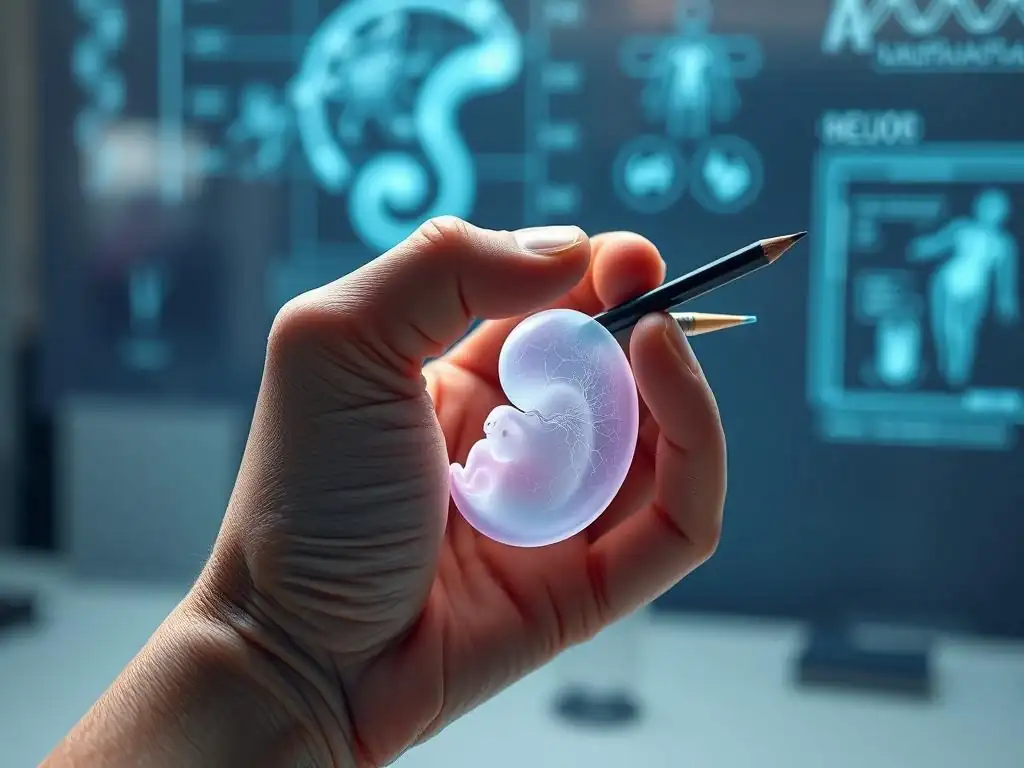
A significant area where women developmental biologists are making critical contributions is in the research on congenital anomalies and birth defects, conditions that affect approximately 3% of live births globally. Their work focuses on identifying the genetic, environmental, and complex multifactorial causes of these conditions, aiming to improve diagnosis, prevention, and therapeutic strategies. This research often involves studying model organisms to understand the molecular basis of developmental defects and translating these findings to human health.
For example, women scientists are leading projects to identify novel genes associated with conditions like spina bifida, congenital heart defects, or cleft palate. They are also investigating the impact of maternal factors, such as nutrition, infection, or exposure to teratogens, on embryonic development. Their efforts are not only expanding our scientific understanding of these challenging conditions but also directly impacting patient care by informing genetic counseling, prenatal diagnostics, and the development of early interventions, further solidifying the impact of women developmental biology history careers.
Advancements in Regenerative Medicine and Tissue Engineering
Women developmental biologists are at the forefront of advancements in regenerative medicine and tissue engineering, leveraging their expertise in embryonic development and stem cell biology to repair or replace damaged tissues and organs. This cutting-edge field seeks to harness the body's natural regenerative capacities or to engineer new tissues outside the body for transplantation. Their innovative approaches are bringing us closer to therapies for a wide range of debilitating diseases and injuries.
Their contributions include the development of sophisticated organoid models – miniature, self-organizing 3D tissues derived from stem cells – which mimic the structure and function of real organs like the brain, gut, or kidney. These organoids are invaluable for studying disease mechanisms, testing new drugs, and potentially for future transplantation. Furthermore, women are pioneering research into novel biomaterials and scaffolding techniques that facilitate the growth and integration of engineered tissues, demonstrating their pivotal role in shaping the future of therapeutic interventions in developmental biology and beyond.
The Impact of Women in Developmental Biology: Shaping the Future
Influencing Research Directions and Methodologies
The increasing presence of women in leadership and research positions within developmental biology has had a profound impact on the field's research directions and methodologies. Their diverse perspectives often lead to novel research questions, particularly those that address health disparities, sex differences in development, or the societal implications of scientific discoveries. This intellectual broadening fosters a more comprehensive and nuanced understanding of biological processes, moving beyond traditionally male-centric viewpoints.
Furthermore, women scientists have been instrumental in driving the adoption of innovative technologies and interdisciplinary approaches. They frequently champion collaborative research efforts, integrating techniques from fields such as bioengineering, computational biology, and genetics to tackle complex developmental problems. This influence has not only accelerated the pace of discovery but also enriched the methodological toolkit available to developmental biologists, ensuring that the field remains at the cutting edge of scientific inquiry and continues to attract diverse talent to women developmental biology history careers.
Mentoring the Next Generation of Female Scientists
A critical and often understated impact of women in developmental biology is their pivotal role in mentoring the next generation of female scientists. Established women leaders actively engage in nurturing young talent, providing crucial guidance, support, and advocacy that can be transformative for early-career researchers. This mentorship extends beyond scientific advice to include navigating academic politics, balancing work-life demands, and building professional networks.
These mentoring relationships create a positive feedback loop, inspiring more young women to pursue and persist in challenging scientific careers. By sharing their experiences and offering practical advice, accomplished women in developmental biology help to demystify the path to success, empowering their mentees to overcome obstacles and achieve their full potential. This commitment to mentorship is essential for building a robust and diverse scientific workforce, ensuring a vibrant future for women developmental biology history careers.
Promoting Diversity and Inclusion in STEM
The growing prominence of women in developmental biology directly contributes to broader efforts aimed at promoting diversity and inclusion across all STEM fields. As more women occupy leadership roles, they serve as powerful visible role models, challenging outdated stereotypes about who can be a scientist. Their presence helps to dismantle systemic biases and foster more equitable and inclusive environments within academic institutions, research labs, and scientific organizations.
Beyond representation, women in developmental biology often actively advocate for policies and practices that support diversity, such as equitable hiring processes, fair promotion criteria, and inclusive workplace cultures. Their voices are crucial in discussions about gender equity, work-life integration, and addressing unconscious bias. By championing these initiatives, they are not only improving conditions within their own field but also contributing to a cultural shift that benefits all underrepresented groups in science, making STEM a more welcoming and productive space for everyone.
Career Paths in Developmental Biology for Women: Opportunities and Resources
Academic Research: Professorships and Research Labs
One of the primary career paths for women in developmental biology is in academic research, typically culminating in professorships and the leadership of independent research laboratories at universities and research institutions. This path offers intellectual freedom and the opportunity to pursue fundamental questions about life's development, from early embryogenesis to organ regeneration. Women are increasingly securing competitive faculty positions, leading teams of graduate students and postdoctoral fellows, and shaping the future direction of the field through their innovative research programs.
These roles involve a blend of experimental design, data analysis, grant writing, teaching, and mentorship. Success in academic research for women developmental biology history careers often requires a strong publication record, the ability to secure competitive funding, and a commitment to training the next generation of scientists. The increasing number of women leading prominent labs signifies a significant shift, providing vital role models and diverse perspectives in academic leadership.
Industry Roles: Pharmaceutical and Biotechnology Companies
Beyond academia, women with expertise in developmental biology are finding robust career opportunities in the private sector, particularly within pharmaceutical and biotechnology companies. These roles leverage their understanding of developmental processes for drug discovery, preclinical testing, and the development of novel therapies. Developmental biologists are crucial in identifying molecular targets for drugs, understanding potential off-target effects on developing tissues, and designing regenerative medicine products.
Within industry, women can hold diverse scientific roles, including research scientists, project managers, and leaders in R&D departments. Their expertise is invaluable in areas such as stem cell technology, gene therapy, and the development of biologics. These industry positions often offer opportunities for direct translation of basic research into clinical applications, providing an impactful alternative for women pursuing developmental biology careers focused on tangible product development and patient benefit.
Government and Regulatory Agencies
Another significant career avenue for women in developmental biology lies within government and regulatory agencies. Organizations such as the National Institutes of Health (NIH) or the Food and Drug Administration (FDA) in the United States, and similar bodies worldwide, employ developmental biologists in various capacities. These roles can involve managing research grant portfolios, evaluating new therapeutic applications, setting public health guidelines, or conducting in-house research to inform policy.
Women in these positions play a critical role in shaping scientific priorities, ensuring the safety and efficacy of new medical treatments, and fostering scientific advancement at a national or international level. For instance, a developmental biologist at the FDA might review data on a new gene therapy for a congenital disorder, ensuring its developmental safety. These careers offer a unique blend of scientific engagement and public service, providing impactful opportunities for women developmental biology history careers beyond the traditional lab bench.
Resources for Women pursuing Developmental Biology Careers [Association for Women in Science (AWIS), Society for Developmental Biology (SDB)]
Several invaluable resources exist to support women pursuing developmental biology careers, offering networking, mentorship, and professional development opportunities. The Association for Women in Science (AWIS) is a premier organization dedicated to achieving equity and full participation for women in all fields of science and engineering. AWIS provides career resources, leadership training, and advocacy, connecting women across various scientific disciplines and offering a strong support network.
Complementing this, the Society for Developmental Biology (SDB) is a key professional organization for the field itself. While serving all developmental biologists, SDB actively promotes diversity and inclusion through specific initiatives, awards, and networking events designed to support women and other underrepresented groups. Both AWIS and SDB offer platforms for mentorship, opportunities to present research, access to funding information, and a sense of community, all crucial for navigating and thriving in women developmental biology history careers.
Challenges and Opportunities for Women in Developmental Biology Careers
Addressing Gender Bias and Inequality in STEM
Despite significant progress, women pursuing developmental biology careers continue to face persistent challenges related to gender bias and inequality within STEM. Unconscious biases can subtly influence hiring decisions, promotion opportunities, and access to funding, often leading to a "leaky pipeline" where women leave scientific careers at higher rates than men, particularly at senior levels. Disparities in grant success rates and fewer invitations for speaking engagements at major conferences have also been documented.
Addressing these systemic issues requires ongoing vigilance and proactive measures. Institutions must implement transparent evaluation processes, unconscious bias training, and robust mentorship programs. Furthermore, advocating for equitable parental leave policies and flexible work arrangements is crucial to support women during critical career stages. The collective effort to dismantle these biases presents a significant opportunity to fully unlock the potential of all women in developmental biology.
Balancing Career and Family Life
One of the most frequently cited challenges for women in demanding scientific careers, including developmental biology, is the struggle to balance professional ambitions with family life. The intensive nature of research, long hours in the lab, and the pressure to publish and secure grants can conflict with the desire to start a family or fulfill caregiving responsibilities. This challenge is particularly acute during early and mid-career stages, which often coincide with peak childbearing and rearing years.
Many women developmental biologists find themselves navigating a complex landscape where traditional career progression models do not always accommodate the realities of family life. This can lead to difficult choices, career interruptions, or slower advancement compared to male counterparts who may not face similar societal expectations regarding caregiving. Recognizing and addressing this balance is critical for fostering a more supportive environment that retains talented women in science.
Promoting Work-Life Integration
Moving beyond the concept of "balance," which often implies a rigid separation, promoting work-life integration presents a significant opportunity for women in developmental biology careers. This approach encourages a more fluid and flexible merging of professional and personal responsibilities, acknowledging that modern work lives often blend into personal time. Institutions and research leaders can facilitate this by fostering cultures that prioritize outcomes over strict adherence to traditional hours, embracing remote work options where feasible, and offering supportive resources.
Examples of effective integration strategies include flexible scheduling, accessible childcare options, and supportive parental leave policies that extend beyond childbirth to include paternity and adoption leave, encouraging shared caregiving. By creating environments where scientists can seamlessly integrate their personal lives with their demanding careers, the field can better retain and empower women, allowing them to thrive and contribute their full intellectual capacity to developmental biology.
The Future is Bright: Continued Growth and Recognition
Despite the ongoing challenges, the future for women in developmental biology careers is undeniably bright, marked by continued growth and increasing recognition of their invaluable contributions. The momentum generated by past pioneers and contemporary leaders is creating a powerful wave of change, inspiring more young women to pursue careers in this fascinating field. There is a growing collective consciousness within the scientific community regarding the importance of diversity, and proactive steps are being taken to foster more inclusive environments.
As more women ascend to leadership positions, they are actively shaping policies, mentoring the next generation, and driving research agendas that are more representative and impactful. The increasing visibility of successful women in developmental biology serves as a powerful testament to their capabilities and a compelling invitation for others to join. This trajectory promises a future where gender is no longer a barrier to scientific discovery, ensuring that the field continues to benefit from the full spectrum of human talent.
Conclusion: Celebrating the Achievements of Women in Developmental Biology
Acknowledging the transformative impact of women on the field
The journey of women in developmental biology, from historical underrepresentation to their current prominence, marks a truly transformative period in the field. From the foundational work of early embryologists like Dorothea Rudnick to the Nobel Prize-winning discoveries of Rita Levi-Montalcini and Jennifer Doudna, women have profoundly shaped our understanding of life's most fundamental processes. Their contributions are not mere additions but have fundamentally altered research directions, introduced innovative methodologies, and illuminated complex biological mechanisms, from the intricate dance of embryonic cells to the potential of regenerative medicine.
These achievements have demonstrably enriched developmental biology, bringing diverse perspectives, fostering collaborative environments, and accelerating the pace of discovery. The meticulous research, intellectual rigor, and unwavering dedication of women scientists have been indispensable in decoding how organisms grow, differentiate, and form, providing insights that are crucial for understanding health, disease, and the very essence of life.
Inspiring future generations to pursue careers in developmental biology
Celebrating the achievements of women in developmental biology is paramount for inspiring future generations to pursue exciting and impactful careers in science. By highlighting the stories of resilience, innovation, and groundbreaking discoveries, we provide tangible role models for young girls and women, showing them that a career in scientific research is not only possible but also incredibly rewarding. Seeing successful women in labs, leading research teams, and making significant breakthroughs helps to dismantle outdated stereotypes and encourages aspiring scientists to envision themselves at the forefront of discovery.
This inspiration extends beyond individual stories; it creates a ripple effect, encouraging educational institutions and scientific organizations to invest more in programs that support and empower young women interested in STEM. By actively promoting these narratives, we cultivate a pipeline of diverse talent, ensuring that the field of developmental biology continues to benefit from the unique insights and intellectual prowess of women who will shape its future.
The Ongoing Journey: Towards Greater Equity and Inclusion in Science
While significant strides have been made in recognizing and supporting women in developmental biology, the journey towards full equity and inclusion in science remains ongoing. Persistent challenges, such as unconscious bias, work-life integration complexities, and the need for more equitable funding and promotion structures, still require dedicated attention. It is a collective responsibility for the entire scientific community to continue dismantling barriers and fostering truly inclusive environments where all talent can flourish.
The continued dedication to diversity, equity, and inclusion will ensure that developmental biology remains at the vanguard of scientific progress, benefiting from the broadest possible range of perspectives and experiences. By embracing and championing the full potential of women in developmental biology history careers, we not only honor past achievements but also pave the way for a future where the secrets of life are uncovered by a truly diverse and representative scientific workforce.
Frequently Asked Questions
What is developmental biology, and why is it important to study the women in developmental biology history?
Developmental biology studies how an organism grows and develops from a single cell to a complex being. Understanding the historical contributions of women is crucial for recognizing their impact and inspiring future generations in this field.
What kind of careers can one pursue after studying developmental biology?
Careers range from research scientists in academia or industry to positions in biotechnology, pharmaceuticals, and even science communication. The field offers diverse opportunities related to understanding and manipulating development.
What kind of challenges did women in developmental biology history face that their male counterparts did not?
Women in science historically faced significant barriers, including limited access to education, research funding, and academic positions. Overcoming gender bias and societal expectations was a constant struggle.
Why is it important to highlight the stories of women in science history?
Highlighting these stories helps correct historical imbalances and provides role models for aspiring female scientists. It also demonstrates the diversity of perspectives that contribute to scientific progress.
Where can I find more information about women in developmental biology history careers?
Resources like WomenInScienceHistory.com offer biographies, articles, and further reading on pioneering women. Researching professional societies and university websites specializing in developmental biology can also reveal career paths.
Final Reflection: Illuminating Life's Genesis
The journey through the history of women in developmental biology reveals more than just scientific progress; it illuminates the persistent struggle for recognition and the unwavering dedication that has shaped our understanding of life's earliest moments. This legacy of resilience and innovation continues to inspire a new generation of scientists, proving that diverse perspectives are crucial for pushing the boundaries of knowledge and addressing the complex challenges facing our world today.
The impact of these pioneering women extends far beyond the laboratory. Their contributions have not only revolutionized developmental biology but have also paved the way for greater inclusivity in STEM fields, challenging societal norms and inspiring countless individuals to pursue their scientific passions. The ongoing fight for equity in science underscores the importance of celebrating these achievements and ensuring that future generations have the opportunity to contribute their unique talents. You must never give up. You must remember that you have to stand up for what you believe in.
- Rosalind Franklin, a sentiment that resonates deeply with the experiences of many women in science.
As we look to the future, let us remember the lessons learned from the past. Let us champion the voices of women in developmental biology and create a more equitable and supportive environment for all scientists. Embrace the spirit of discovery, challenge the status quo, and contribute your own unique perspective to unraveling the mysteries of life. The future of developmental biology, and indeed all of science, depends on it.
Ignite Your Inner Scientist: Shape the Future of Life Itself!
Thank you for exploring the groundbreaking contributions of women in developmental biology! You’ve gained a glimpse into the revolutionary discoveries shaping our understanding of life's origins. Now, take that inspiration and turn it into action!
- Dive Deeper: Explore the original research papers of the pioneering women mentioned in this article to uncover the nuances of their experiments and findings.
- Share the Brilliance: Spread the word by sharing this article with a friend, colleague, or student and help amplify the voices of these remarkable scientists!
- Uncover Hidden Figures: Research and nominate a contemporary woman scientist in developmental biology for recognition on WomenInScienceHistory.com
What small step will you take today to ensure that future generations know the stories of these incredible women and their impact on the world?