
The Champions of Rare Diseases: Women Scientists Fighting for the Forgotten

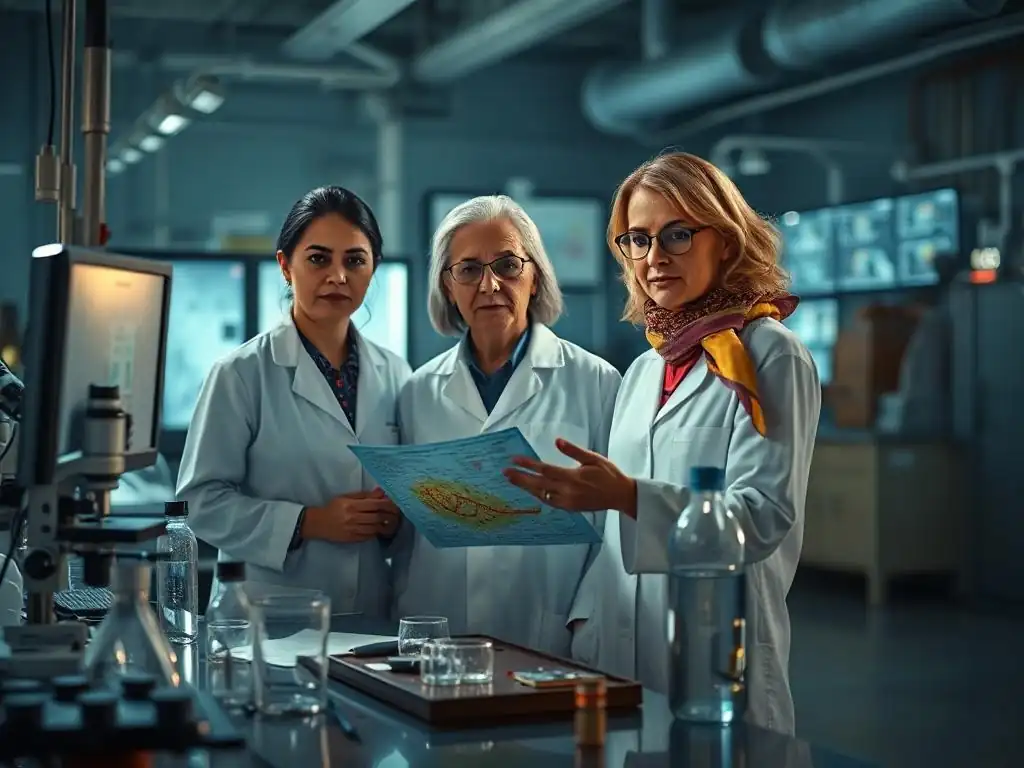
Welcome to WomenInScienceHistory.com! Ever wondered about the unsung heroes battling the invisible? Dive into " The Champions of Rare Diseases: Women Scientists Fighting for the Forgotten," a fascinating exploration into the groundbreaking work of women in rare disease research. Discover their dedication, the challenges they overcome, and the profound impact they're making on lives often overlooked. Prepare to be inspired by these pioneers in Biology & Medicine – their stories are waiting to be unveiled!
- Introduction: Highlighting Women in Rare Disease Research
- Pioneering Women in Rare Disease Research: Breaking Barriers
- 21st Century Leaders: Modern Women Shaping Rare Disease Treatment
- The Future of Rare Disease Research: A Call to Action
- Rare Diseases Affecting Women Disproportionately: A Focus on Female-Specific Conditions
- The Importance of Patient Advocacy and Women Scientists
- Conclusion: Recognizing the Legacy of Women in Rare Disease Research
-
Frequently Asked Questions
- What is the primary focus of WomenInScienceHistory.com?
- Why is it important to highlight the stories of women in science?
- What does "The Champions of Rare Diseases: Women Scientists Fighting for the Forgotten" article specifically address?
- What challenges did female scientists often face in male-dominated arenas?
- How does WomenInScienceHistory.com aim to inspire future generations?
- Final Reflection: Amplifying the Voices of the Forgotten
- Empower Change: Become a Rare Disease Advocate!
Introduction: Highlighting Women in Rare Disease Research
The Underrepresentation of Rare Diseases in Research
Rare diseases, often defined as conditions affecting fewer than 200,000 people in the United States or 1 in 2,000 in Europe, collectively impact an estimated 300 million individuals worldwide. With over 7,000 distinct rare diseases identified, the sheer fragmentation of patient populations presents a significant challenge to research and development. This often leads to a lack of dedicated funding and pharmaceutical interest compared to more prevalent health conditions, leaving many patients without effective treatments or even accurate diagnoses.
The diagnostic odyssey for many rare disease patients can average five to seven years, marked by numerous specialist visits and misdiagnoses. Currently, only about 5% of all identified rare diseases have an FDA-approved treatment, highlighting a vast unmet medical need. This severe underrepresentation in research not only prolongs suffering but also underscores the urgent global imperative for more focused scientific inquiry and innovative solutions in the rare disease space.
Celebrating Women's Contributions to Rare Disease Studies
Despite the inherent difficulties and historical barriers within scientific fields, women have consistently emerged as pivotal figures in advancing our understanding, diagnosis, and treatment of rare diseases. Their contributions, often overlooked or undercelebrated, have been instrumental in pushing the boundaries of knowledge in genetics, molecular biology, clinical medicine, and patient advocacy. This article shines a light on these remarkable individuals, acknowledging their groundbreaking work and the profound impact of women rare disease research on countless lives.
These pioneering women scientists have not only contributed groundbreaking discoveries but have also frequently navigated systemic gender biases and stereotypes within male-dominated research environments. Their resilience, intellectual rigor, and unwavering dedication to unraveling the mysteries of rare conditions have paved the way for significant advancements, inspiring future generations to pursue careers in this vital area of medical science. The narrative of women rare disease research is one of perseverance, innovation, and profound empathy for the forgotten.
Pioneering Women in Rare Disease Research: Breaking Barriers
Dr. Dorothy Horstmann: Early Contributions to Rubella Syndrome Research
Dr. Dorothy Horstmann (1911-2001) was an American virologist and epidemiologist whose meticulous research significantly advanced our understanding of viral diseases. While widely recognized for her pivotal work on poliovirus, she made crucial early contributions to congenital rubella syndrome (CRS), a rare disease caused by maternal rubella infection during pregnancy. Her studies in the early 1960s were instrumental in establishing the direct link between the rubella virus and severe birth defects such as deafness, cataracts, heart defects, and intellectual disabilities in newborns.
Horstmann's rigorous investigations into the pathogenesis and transmission of the rubella virus provided foundational knowledge that was indispensable for public health efforts. Her work, alongside that of other researchers, directly informed the development of the rubella vaccine. The subsequent widespread adoption of this vaccine has virtually eliminated congenital rubella syndrome in many developed nations, standing as a testament to the transformative impact of dedicated women rare disease research on global health.
Dr. Ada E. Yonath: Advancing Structural Biology and Ribosome Research
Dr. Ada E. Yonath (born 1939), an Israeli crystallographer, was awarded the Nobel Prize in Chemistry in 2009 for her groundbreaking work on the structure and function of ribosomes. While her research is fundamental to all biology, its implications extend profoundly to understanding and treating many diseases, including those with rare genetic origins that affect protein synthesis. Her atomic-level mapping of the ribosome, the cellular machinery responsible for protein production, has provided invaluable targets for new antibiotic development and insights into conditions involving protein misfolding or dysfunction.
Yonath's pioneering use of X-ray crystallography to elucidate the complex ribosomal structure was a monumental scientific feat, long considered too challenging by many in the field. Her decades of persistent research laid the groundwork for a deeper comprehension of how genetic information is translated into proteins, a process critical for life. This fundamental knowledge is now applied in pharmaceutical research, including efforts to combat rare bacterial infections or to understand and potentially correct protein abnormalities in various rare genetic disorders, showcasing the broad and enduring impact of women rare disease research at its most basic level.
Overcoming Challenges: Gender Bias in Scientific Research
Throughout history, women in science have faced significant hurdles, including overt discrimination, implicit bias, limited access to resources, and a severe lack of mentorship opportunities. Until well into the 20th century, women were often excluded from advanced scientific training, prestigious research positions, and leadership roles, severely limiting their ability to contribute to complex and emerging fields like rare disease research. Even when their work was groundbreaking, it was frequently undervalued or attributed to male colleagues.
These biases persist in more subtle forms today, manifesting as lower grant success rates for women investigators in certain scientific disciplines, fewer invitations to keynote at major conferences, and a slower progression to senior academic ranks. Despite these formidable challenges, the women highlighted in this article exemplify extraordinary resilience and scientific excellence. Their unwavering commitment to discovery, often against significant odds, has not only advanced scientific knowledge but also actively dismantled barriers, paving the way for a more inclusive future for women rare disease research and scientific inquiry as a whole.
21st Century Leaders: Modern Women Shaping Rare Disease Treatment
Dr. Tippi MacKenzie: Revolutionizing Fetal Surgery for Genetic Disorders
Dr. Tippi MacKenzie is a distinguished pediatric and fetal surgeon at the University of California, San Francisco (UCSF), renowned for her pioneering work in in utero gene therapy and fetal surgery for rare genetic disorders. Her innovative approach focuses on treating conditions before birth, preventing devastating complications and potentially offering a cure. Her work primarily addresses conditions like alpha-thalassemia major, a severe inherited blood disorder, and other structural birth defects that are often rare and life-threatening.
In a landmark achievement, Dr. MacKenzie's team performed the world's first successful in utero stem cell transplant for alpha-thalassemia major, offering unprecedented hope for affected families. This revolutionary procedure involves transplanting healthy stem cells into the fetus, aiming to correct the genetic defect before birth. Her dedication to translating cutting-edge research into clinical practice exemplifies how advanced women rare disease research can profoundly transform patient outcomes by intervening at the earliest possible stage of life.
Professor Christine Seidman: Unlocking Genetic Mysteries in Hypertrophic Cardiomyopathy
Professor Christine Seidman, a preeminent cardiovascular geneticist at Harvard Medical School and Brigham and Women's Hospital, has dedicated her career to unraveling the genetic basis of inherited heart diseases. Her extensive research has specifically focused on hypertrophic cardiomyopathy (HCM), a relatively rare condition affecting approximately 1 in 500 people, which is a leading cause of sudden cardiac death in young adults and athletes. Her work has fundamentally changed our understanding of this complex disorder.
Professor Seidman's team has identified numerous genes responsible for HCM and dilated cardiomyopathy, meticulously elucidating the molecular mechanisms underlying these conditions. Her discoveries have directly led to improved diagnostic tools, allowing for earlier and more accurate identification of at-risk individuals, and have paved the way for the development of targeted therapies. Her contributions are a prime example of how sustained women rare disease research can unlock complex genetic mysteries, offering hope and saving lives by translating basic science into tangible clinical benefits.
The Impact of Funding and Resources on Women's Research in Rare Diseases
The advancement of rare disease research is heavily reliant on securing adequate funding and resources from diverse sources, including government agencies like the National Institutes of Health (NIH) in the U.S. and the European Medicines Agency (EMA), as well as pharmaceutical companies and patient advocacy groups. However, securing this funding for rare diseases is often more challenging due to smaller patient populations, which can lead to a perception of lower return on investment for drug developers, despite the immense patient need.
Moreover, disparities in funding can disproportionately affect women researchers, who may face additional hurdles in securing grants, gaining access to cutting-edge laboratory equipment, or leading large-scale clinical trials. Studies have shown that women principal investigators may receive less grant funding or have lower success rates in certain areas. Ensuring equitable funding opportunities and robust resource allocation is critical to fostering innovation and ensuring that the vital contributions of women rare disease research continue to flourish and address the vast unmet needs of the rare disease community.
The Future of Rare Disease Research: A Call to Action

Encouraging Women to Pursue Careers in Rare Disease Fields
Inspiring more women to enter and thrive in STEM fields, particularly within the specialized area of rare disease research, is paramount for future scientific progress. Initiatives aimed at promoting girls' and women's participation in science from early education through advanced degrees are crucial. These programs can provide essential exposure, mentorship, and support, helping to dismantle stereotypes and build confidence in scientific pursuits.
The unique perspectives, problem-solving approaches, and collaborative spirit that women bring to scientific inquiry are especially valuable in the complex and often overlooked realm of rare diseases. Fostering an inclusive environment where young women see visible role models and receive robust support will be key to cultivating a new generation of women rare disease research leaders. Their diverse insights are vital to unraveling the intricate pathologies of these conditions and developing innovative therapeutic strategies.
The Role of Mentorship and Collaboration in Advancing Research
Strong mentorship relationships are indispensable for the career development of early-career scientists, particularly women, as they navigate the complexities of academic research, secure competitive funding, and build successful careers. Senior women scientists serving as mentors can provide invaluable guidance, share experiences, and actively champion their mentees, helping them overcome systemic barriers and flourish in their chosen fields.
Furthermore, interdisciplinary and international collaboration is the cornerstone of progress in rare disease research. Given the small, dispersed patient populations and the diverse expertise required to understand these intricate conditions, collaborative networks among researchers, clinicians, patient advocacy groups, and industry partners are essential. These partnerships facilitate the pooling of limited resources, the sharing of critical data, and the acceleration of discoveries, ensuring that women rare disease research efforts achieve maximum impact and reach patients globally.
Addressing the Ethical Considerations in Rare Disease Research
Rare disease research presents a unique set of ethical challenges that demand careful consideration and robust frameworks. These include obtaining informed consent from vulnerable populations, such as children or individuals with cognitive impairments, ensuring equitable access to experimental treatments that may be the only hope for patients, and responsibly managing sensitive genetic data. The urgency to find treatments must always be balanced with the imperative to safeguard patient rights and well-being.
Rigorous ethical review processes and patient-centric approaches are paramount in this field. Researchers, including prominent women rare disease research leaders, often play a leading role in advocating for ethical practices that prioritize patient safety, autonomy, and privacy. Developing transparent guidelines for clinical trials, ensuring fair distribution of limited resources, and fostering open communication with patient communities are critical steps in navigating these complex ethical landscapes responsibly.
Rare Diseases Affecting Women Disproportionately: A Focus on Female-Specific Conditions
Women's Health and Rare Diseases: Understanding the Link
While rare diseases can affect anyone, a significant number disproportionately impact women, or manifest with different symptom profiles and disease progression patterns in females compared to males. Biological differences, including hormonal fluctuations, genetic predispositions, and immunological responses, can profoundly influence disease prevalence and presentation. Understanding these sex-specific variations is crucial for accurate diagnosis and tailored treatments.
Numerous rare diseases exhibit a higher prevalence in women. For example, many autoimmune disorders, certain neurological conditions, and rare diseases linked to reproductive health primarily affect females. Recognizing this link underscores the critical need for sex-disaggregated data analysis and dedicated women rare disease research to uncover the underlying mechanisms and address the specific health challenges faced by women living with these conditions.
Research on Rare Autoimmune Diseases Affecting Women
Autoimmune diseases represent a significant category of rare conditions that predominantly affect women, often with a female-to-male ratio as high as 9:1 in some cases. Examples include Sjögren's Syndrome, Systemic Lupus Erythematosus (Lupus), and certain forms of Scleroderma. These conditions occur when the body's immune system mistakenly attacks its own tissues, leading to chronic inflammation and damage to various organs.
Dedicated women rare disease research by immunologists and geneticists is actively investigating the complex interplay of genetic susceptibility, hormonal influences, and environmental triggers that contribute to the higher prevalence and unique clinical presentations of these diseases in women. This research is vital for developing more precise diagnostic biomarkers and targeted therapies that account for sex-specific biological differences, ultimately improving outcomes for millions of women affected by these debilitating conditions.
Addressing the Diagnostic Delay in Women with Rare Diseases
A widespread challenge for rare disease patients is the significant diagnostic delay, which can be even more pronounced for women. Symptoms in women are sometimes misattributed to more common conditions, dismissed as psychological, or not taken seriously by healthcare providers, leading to prolonged suffering and disease progression before an accurate diagnosis is reached. This delay can average several years, during which the disease may advance and become more challenging to manage.
Addressing this diagnostic delay requires increased awareness among healthcare professionals about sex-specific symptom presentation and the importance of considering rare disease diagnoses, particularly for women presenting with atypical or persistent symptoms. Furthermore, women rare disease research plays a critical role in developing better diagnostic tools, establishing clearer diagnostic criteria, and educating the medical community to reduce the time to diagnosis, ensuring that women receive timely and appropriate care.
The Importance of Patient Advocacy and Women Scientists
Empowering Patients Through Research and Education
Patient advocacy groups are indispensable forces in the rare disease community. These organizations, often founded by patients or their family members, play a crucial role in driving research initiatives, raising vital funds, and providing essential support and education to individuals and families grappling with these isolating conditions. They transform personal struggles into collective action, giving a voice to those often overlooked by mainstream healthcare systems.
Research, particularly that led by women rare disease research scientists, directly empowers patients by providing accurate, up-to-date information, fostering hope for new treatments, and enabling them to make informed decisions about their health and future. Educational initiatives stemming from this research help demystify complex medical conditions, allowing patients to better understand their diagnoses, engage with their care teams, and connect with others facing similar challenges.
Women Scientists as Advocates for Rare Disease Awareness
Many women scientists extend their impact beyond the laboratory, becoming passionate and effective advocates for rare disease awareness and increased research funding. They often share their personal motivations, participate in public outreach events, and actively lobby policymakers to draw much-needed attention to these neglected conditions. Their dual role as researchers and advocates creates a powerful bridge between scientific discovery and public understanding.
By lending their scientific credibility and personal commitment, these women amplify the voice of the rare disease community, ensuring that patient needs remain at the forefront of policy discussions and research agendas. This synergy between women rare disease research and advocacy is crucial for translating scientific breakthroughs into real-world impact, driving policy changes, and securing the resources necessary to advance therapies for thousands of rare conditions.
Dr. Sharon Hesterlee: Working Closely with Muscular Dystrophy Patient Advocacy Groups
Dr. Sharon Hesterlee stands as a prominent figure in rare disease drug development and patient advocacy, with a significant part of her career dedicated to working closely with organizations like the Muscular Dystrophy Association (MDA). Her expertise spans both academic research and leadership roles within patient advocacy groups and biotech companies focused on rare neuromuscular diseases, which are a group of rare genetic conditions causing progressive muscle weakness and loss of muscle mass.
Dr. Hesterlee has been instrumental in facilitating crucial collaborations between researchers, pharmaceutical companies, and patient groups to accelerate the development of therapies for muscular dystrophies. Her dedication exemplifies how women rare disease research leaders can directly influence drug development pipelines and enhance patient support through active and informed advocacy. Her work underscores the profound impact when scientific leadership is paired with a deep commitment to patient empowerment and community engagement.
Conclusion: Recognizing the Legacy of Women in Rare Disease Research
The Ongoing Fight for Rare Disease Awareness and Funding
The journey to conquer rare diseases is a continuous and complex fight, marked by persistent challenges including the need for sustained funding, increased public awareness, and streamlined regulatory pathways for orphan drugs. Despite remarkable progress in recent decades, thousands of rare diseases still lack effective treatments, leaving millions of patients with limited options and a profound sense of isolation. The scientific community, policymakers, and advocates must remain steadfast in their commitment to this cause.
The ongoing fight demands a collective effort to overcome diagnostic delays, accelerate research, and ensure equitable access to therapies. The contributions of women rare disease research scientists, from groundbreaking discoveries to tireless advocacy, are indispensable in this continuous endeavor. Their dedication provides a beacon of hope for patients and families navigating the complexities of rare conditions, pushing the boundaries of what is possible in medicine.
Inspiring the Next Generation of Women Scientists in Rare Disease Research
Celebrating the past and present achievements of women in rare disease research is not merely an act of recognition; it is a vital strategy for inspiring future generations. By highlighting the compelling stories and scientific breakthroughs of these pioneering women, we can encourage more young women to pursue careers in STEM fields, particularly in the challenging yet immensely rewarding area of rare disease research. Promoting STEM education and fostering inclusive, supportive environments are critical steps in this process.
Looking ahead, the future of rare disease research will undoubtedly be shaped by the innovative minds and unwavering dedication of more women scientists. Their unique perspectives and leadership will be crucial in unlocking new discoveries, developing transformative therapies, and ensuring that no rare disease patient is forgotten. The legacy of women rare disease research will continue to flourish, bringing hope and healing to those who need it most.
Frequently Asked Questions
What is the primary focus of WomenInScienceHistory.com?
The site celebrates the contributions of women to various scientific fields throughout history, highlighting their groundbreaking work and the challenges they faced. It aims to inspire future generations by sharing their often overlooked stories.
Why is it important to highlight the stories of women in science?
Highlighting these stories helps to correct historical imbalances and provide role models for young women interested in STEM fields. It also showcases the diverse perspectives that women bring to scientific inquiry.
What does "The Champions of Rare Diseases: Women Scientists Fighting for the Forgotten" article specifically address?
The article focuses on the contributions of women scientists to rare disease research, a field where their dedication is often critical due to the limited resources and attention.
What challenges did female scientists often face in male-dominated arenas?
They frequently faced gender bias, limited funding opportunities, and lack of recognition for their achievements, making it difficult to advance in their careers.
How does WomenInScienceHistory.com aim to inspire future generations?
By showcasing the accomplishments and resilience of female scientists, the platform provides inspiration and demonstrates that women can excel in any scientific field, including women rare disease research.
Final Reflection: Amplifying the Voices of the Forgotten
The dedication and brilliance showcased by the women scientists highlighted in this article underscore a crucial truth: rare diseases, though individually affecting relatively few, collectively impact millions globally. Their unwavering commitment to unraveling the complexities of these often-overlooked conditions is not just scientific pursuit; it's a profound act of empathy and a powerful testament to the transformative potential of women in STEM.
The fight for rare disease research is a fight for equity, for recognition, and for hope. It’s a fight that resonates deeply, reminding us that every life, regardless of its prevalence, deserves to be understood and valued. The tireless efforts of these women are shaping a future where rare diseases are no longer shrouded in obscurity, but rather met with informed understanding and effective treatments. Never doubt that a small group of thoughtful, committed citizens can change the world; indeed, it's the only thing that ever has.
- Margaret Mead. This quote perfectly encapsulates the spirit of these women scientists, who are proving that even in the face of seemingly insurmountable challenges, progress is possible.
As you reflect on the stories of these champions of rare diseases, consider the power you hold to amplify their voices and support their vital work. How can you contribute to a world where the forgotten are no longer overlooked? Let their dedication inspire you to advocate for greater awareness, funding, and research, ensuring that the path towards a brighter future for those affected by rare diseases is paved with compassion, innovation, and unwavering support.
Empower Change: Become a Rare Disease Advocate!
Thank you for delving into the inspiring stories of women scientists battling rare diseases. You've now seen the dedication and impact these champions have. It's time to channel that inspiration into action.
- Discover rare disease patient advocacy groups in your community and volunteer your time or donate to support their vital work.
- Share this article with friends and family to raise awareness and spark conversations about the importance of rare disease research and funding.
- Explore the Women in Science History website to find more stories of pioneering women in science and subscribe to our newsletter to stay informed.
What small step will you take today to champion the cause of rare disease research and patient support?