
Dr. Dorothy Andersen: The Forgotten Mother of Cystic Fibrosis Diagnosis and Understanding

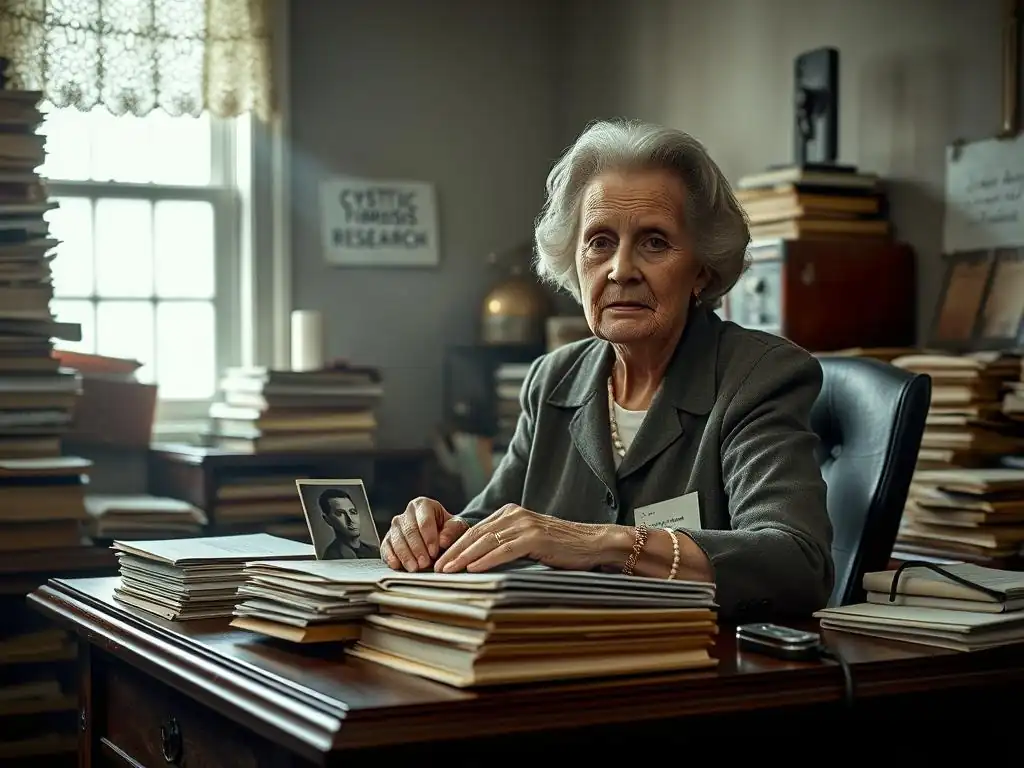
Welcome to WomenInScienceHistory.com, where we unearth the remarkable stories of female pioneers who shaped the world of science. Ever heard of the woman who revolutionized our understanding of Cystic Fibrosis? Dive into our latest biography to discover the inspiring journey of Dr. Dorothy Andersen, the "Forgotten Mother" behind the diagnosis and early research of this devastating disease, and uncover the obstacles she overcame to leave an indelible mark on medical history. Curious to know how she achieved this groundbreaking feat? Read on to learn more!
- Introduction: Remembering Dr. Dorothy Andersen and Her Impact on Cystic Fibrosis
- Early Life and Education of Dorothy Andersen: A Path to Scientific Discovery
- Dorothy Andersen's Groundbreaking Research on Cystic Fibrosis: Defining the Disease
- Developing Diagnostic Criteria for Cystic Fibrosis: Andersen's Legacy
- Beyond Diagnosis: Dr. Andersen's Contributions to Understanding Cystic Fibrosis Pathology
- Challenges Faced by Dr. Dorothy Andersen in a Male-Dominated Field
- The Lasting Impact of Dorothy Andersen's Work on Cystic Fibrosis Treatment and Research
- Honoring Dr. Dorothy Andersen's Legacy: Inspiring Future Generations of Female Scientists
- Conclusion: Dorothy Andersen, A Pioneer in Cystic Fibrosis Research
-
Frequently Asked Questions
- What is Dorothy Andersen best known for?
- Why is Dorothy Andersen sometimes considered "forgotten" in the context of cystic fibrosis?
- What were some of the challenges Dorothy Andersen faced as a woman in science?
- How did Dorothy Andersen's research impact the diagnosis of cystic fibrosis?
- What can be learned from Dorothy Andersen's story and the "Women in Science History" website?
- Final Reflection: Remembering a Pioneer's Legacy
- Unveil Your Inner Scientist: Champion Women in History!
Introduction: Remembering Dr. Dorothy Andersen and Her Impact on Cystic Fibrosis
Highlighting the Contributions of Women in Biology and Medicine: The Story of Dorothy Andersen
Throughout history, countless women have made monumental contributions to science and medicine, often battling societal barriers and gender bias to pursue their passions. Many of their stories, unfortunately, remain untold or largely overlooked in mainstream historical narratives. This website, WomenInScienceHistory.com, is dedicated to bringing these vital stories to light, celebrating the intellectual prowess and unwavering dedication of female pioneers. Dr. Dorothy Hansine Andersen stands as a prime example of such a figure, whose groundbreaking work in pediatric pathology fundamentally reshaped our understanding of a devastating childhood illness.
Dr. Andersen's meticulous research and profound insights into cystic fibrosis not only defined the disease but also laid the critical groundwork for all subsequent diagnostic and therapeutic advances. Her narrative is a testament to the perseverance required to excel in a male-dominated field during the early to mid-20th century. By exploring her life and scientific achievements, we honor a woman whose contributions continue to save lives and inspire new generations of researchers.
Why Dorothy Andersen's Work on Cystic Fibrosis Deserves Recognition
Before Dr. Dorothy Andersen's pivotal work, cystic fibrosis was a mysterious and often fatal affliction, claiming the lives of countless infants and young children without a clear diagnosis or understanding of its underlying pathology. Her pioneering research provided the first comprehensive scientific description of the disease, establishing the foundational knowledge that would revolutionize its detection and management. Her insights were instrumental in developing what we now recognize as the basis for Dorothy Andersen Cystic Fibrosis Diagnosis.
Andersen's ability to meticulously observe and correlate clinical symptoms with specific pathological findings transformed a collection of disparate symptoms into a recognizable medical condition. This clarity was not just an academic achievement; it was a life-saving breakthrough. Her dedication to understanding the disease, often working tirelessly in the autopsy suite, directly led to the ability to accurately diagnose cystic fibrosis, which in turn opened the door for supportive care and, eventually, effective treatments that have extended the lives of millions.
Early Life and Education of Dorothy Andersen: A Path to Scientific Discovery
Dorothy Andersen's Education and Early Research Interests
Born in Asheville, North Carolina, in 1901, Dorothy Hansine Andersen embarked on an academic journey that would lead her to the forefront of medical research. She attended Mount Holyoke College, where she graduated in 1922, demonstrating an early aptitude for rigorous academic pursuits. Her intellectual curiosity then led her to Johns Hopkins University School of Medicine, one of the nation's most prestigious medical institutions at the time, where she earned her medical degree in 1926.
Following her graduation, Dr. Andersen's early career focused on anatomy and pathology, disciplines that would become central to her later groundbreaking discoveries. She began her research career at the University of Rochester, where she conducted studies on the adrenal glands. This foundational experience in systematic anatomical and pathological investigation honed the precise observational skills that would prove invaluable in her subsequent work on cystic fibrosis.
Overcoming Challenges: The Academic Journey of a Female Scientist in the Early 20th Century
The early 20th century presented significant hurdles for women aspiring to careers in medicine and scientific research. Despite earning a medical degree from a top-tier institution, Dr. Andersen, like many of her female contemporaries, faced an academic landscape largely dominated by men. Opportunities for women to secure prestigious research positions, promotions, and leadership roles were severely limited, often requiring extraordinary talent and persistence to break through entrenched biases.
Despite these systemic challenges, Dorothy Andersen's unwavering dedication to scientific inquiry allowed her to forge a remarkable career. In 1929, she joined the staff of Babies Hospital (now Morgan Stanley Children's Hospital of New York-Presbyterian), affiliated with Columbia University, where she would spend the remainder of her illustrious career. Her ability to navigate a male-centric environment and establish herself as a leading pediatric pathologist speaks volumes about her resilience, intellect, and commitment to advancing medical knowledge.
Dorothy Andersen's Groundbreaking Research on Cystic Fibrosis: Defining the Disease
The First Scientific Description of Cystic Fibrosis by Dr. Dorothy Andersen
Dr. Dorothy Andersen's most significant contribution to medicine came in 1938 with the publication of her seminal paper, "Cystic Fibrosis of the Pancreas and Its Relation to Celiac Disease: A Clinical and Pathological Study," in the American Journal of Diseases of Children. This landmark publication provided the first comprehensive and accurate scientific description of cystic fibrosis as a distinct clinical entity. Prior to her work, the constellation of symptoms associated with CF—chronic lung infections, digestive issues, and failure to thrive—were often misdiagnosed or attributed to other conditions, leading to poor outcomes for affected children.
Andersen's paper was revolutionary because it systematically detailed the pathological findings observed in numerous autopsies of children who had died from this mysterious illness. Her meticulous observations and correlation of clinical symptoms with specific organ damage allowed her to define the disease's unique characteristics, thereby establishing the foundation for all future understanding and the basis for Dorothy Andersen Cystic Fibrosis Diagnosis.
Andersen's Discovery of Pancreatic Fibrosis and Its Connection to Cystic Fibrosis
A cornerstone of Dr. Andersen's 1938 paper was her consistent finding of severe pancreatic damage in the autopsied children. She observed distinctive scarring and cyst formation within the pancreas, a condition she termed "cystic fibrosis of the pancreas." This pathological change explained the severe malabsorption and nutritional deficiencies that were common clinical features of the disease. Her work demonstrated that the pancreas, a vital organ for digestion, was fundamentally impaired in these children.
Beyond the pancreas, Andersen also noted widespread damage in other organs, particularly the lungs, which exhibited chronic inflammation and obstruction. By linking the pancreatic pathology to the broader systemic manifestations of the disease, she provided a cohesive framework for understanding its diverse symptoms. This crucial connection was vital for establishing a clear pathological basis for cystic fibrosis, moving it from a collection of vague symptoms to a definable disease.
Distinguishing Cystic Fibrosis from Celiac Disease: A Crucial Diagnostic Step
Before Dr. Andersen's research, many children suffering from cystic fibrosis were mistakenly diagnosed with celiac disease, primarily due to the similar symptoms of malabsorption, chronic diarrhea, and failure to thrive. Both conditions presented with digestive distress, leading to confusion among clinicians and hindering appropriate treatment. Andersen's meticulous pathological studies, however, provided the necessary clarity to differentiate these two distinct diseases.
Through her detailed autopsies, she demonstrated that while both conditions affected digestion, the underlying organ damage and specific pathological changes were fundamentally different. Celiac disease primarily involves damage to the small intestine villi, whereas cystic fibrosis is characterized by the pancreatic fibrosis and widespread mucus dysfunction she identified. This clear distinction was a critical step in advancing accurate Dorothy Andersen Cystic Fibrosis Diagnosis, allowing medical professionals to correctly identify CF patients and begin to develop targeted interventions rather than relying on treatments for an incorrect diagnosis.
Developing Diagnostic Criteria for Cystic Fibrosis: Andersen's Legacy
The Importance of Accurate Cystic Fibrosis Diagnosis: Before and After Andersen
Prior to Dr. Dorothy Andersen's groundbreaking work, the prognosis for children with cystic fibrosis was grim, with most not surviving beyond their first year of life. The lack of a clear diagnostic framework meant that affected children often suffered from chronic malnutrition and recurrent respiratory infections without proper identification or management. Families were left without answers, and medical interventions were largely ineffective due to the unknown nature of the illness.
Andersen's comprehensive pathological description and the clinical correlations she established fundamentally transformed this bleak outlook. Her work provided the first reliable criteria for Dorothy Andersen Cystic Fibrosis Diagnosis, enabling clinicians to recognize the disease earlier and more consistently. This newfound ability to diagnose the condition accurately was the critical first step towards developing and implementing supportive therapies, such as pancreatic enzyme replacement and improved nutritional strategies, which began to extend the lives of patients.
The Sweat Test and Other Diagnostic Advances Stemming from Andersen's Research
While Dr. Andersen herself did not invent the sweat test, her foundational understanding of cystic fibrosis pathology directly paved the way for its development and widespread adoption. The observation of excessive salt loss in the sweat of children with CF, first noted by other researchers during a heatwave in New York in the early 1950s, was understood in the context of Andersen's comprehensive description of the disease as a systemic disorder affecting exocrine glands. This phenomenon led to the development of the sweat chloride test by Paul di Sant'Agnese and colleagues.
The sweat test quickly became, and remains, the gold standard for Dorothy Andersen Cystic Fibrosis Diagnosis. It is a simple, non-invasive test that measures the concentration of chloride in sweat, which is significantly elevated in individuals with CF. This diagnostic breakthrough, built upon the bedrock of Andersen's initial pathological insights, dramatically improved the ability to diagnose CF accurately and early, leading to earlier intervention and significantly improved patient outcomes.
Beyond Diagnosis: Dr. Andersen's Contributions to Understanding Cystic Fibrosis Pathology
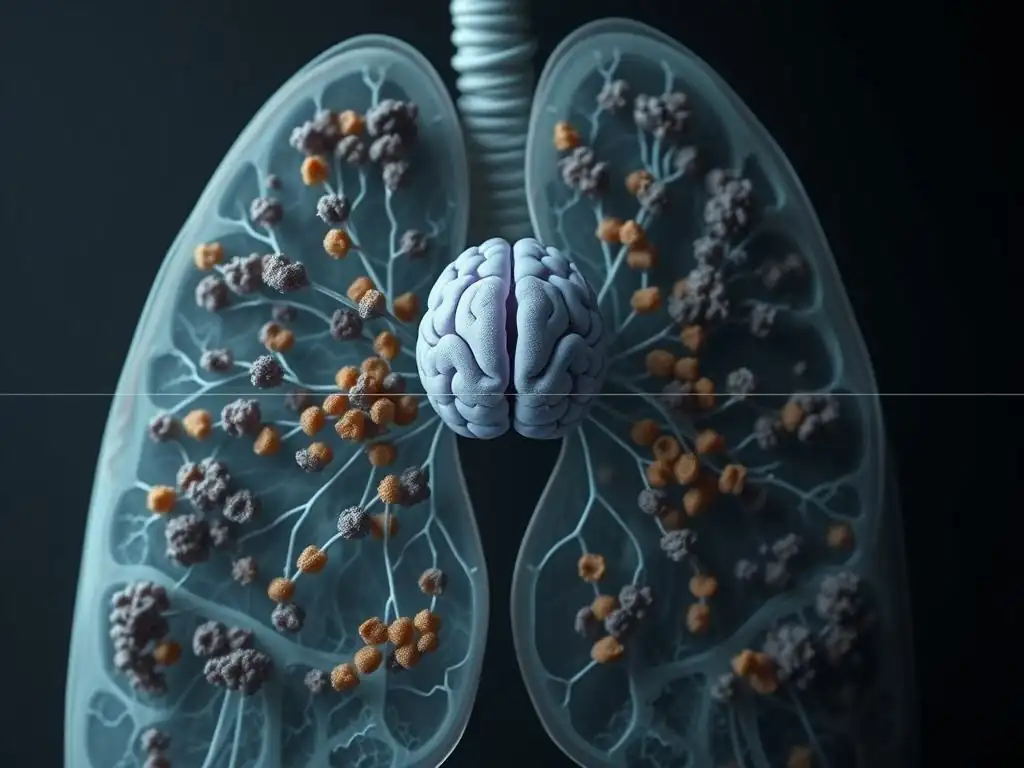
Investigating the Genetic Basis of Cystic Fibrosis: Early Insights
Beyond her pivotal role in defining cystic fibrosis and laying the groundwork for its diagnosis, Dr. Dorothy Andersen also provided crucial early insights into the disease's underlying nature, including its genetic component. Through her meticulous clinical observations and detailed family histories gathered during her research, she noted the tendency for cystic fibrosis to occur within families, often affecting siblings. This familial pattern strongly suggested a hereditary basis for the condition.
Although the specific gene responsible for cystic fibrosis (CFTR) would not be identified until 1989, Andersen's recognition of its familial clustering was a vital early piece of the puzzle. Her observations spurred later geneticists to investigate the genetic underpinnings of the disease, ultimately leading to the discovery of the CFTR gene mutation. Her early insights into the disease's inheritance pattern also became an important consideration in the evolving Dorothy Andersen Cystic Fibrosis Diagnosis process, highlighting the value of family history.
Understanding the Role of Mucus in Cystic Fibrosis: Andersen's Observations
One of Dr. Andersen's most profound contributions to understanding cystic fibrosis pathology was her recognition of the widespread, abnormal viscosity of mucus throughout the body in affected individuals. Her autopsies revealed not only the pancreatic fibrosis but also thick, sticky secretions obstructing ducts in various organs, most notably the lungs. She described how this tenacious mucus led to chronic respiratory infections, bronchiectasis, and eventual lung failure, which were the primary causes of death for many CF patients.
This insight transformed the understanding of CF from solely a pancreatic disease to a systemic disorder affecting all exocrine glands that produce mucus, sweat, and digestive enzymes. Her observations on the generalized nature of the mucus dysfunction were critical for comprehending the diverse clinical manifestations of CF, from lung disease to liver problems and issues with male fertility. This comprehensive understanding of mucus's role was fundamental for guiding future research into targeted therapies aimed at improving mucus clearance and reducing inflammation.
Challenges Faced by Dr. Dorothy Andersen in a Male-Dominated Field
Gender Bias in Science: Obstacles for Women Like Andersen
Dr. Dorothy Andersen conducted her groundbreaking research during an era when gender bias was deeply entrenched in academic and medical institutions. Women in science and medicine often faced significant obstacles, including skepticism regarding their intellectual capabilities, limited access to resources, and reduced opportunities for career advancement compared to their male counterparts. Despite her exceptional talent and prolific output, Andersen's career trajectory reflected some of these systemic challenges.
She was an assistant professor for many years at Columbia University and was only promoted to full professor of pathology shortly before her death in 1963, a recognition that arguably came late given the magnitude of her contributions. This delay in full professorship, despite her having published over 130 scientific papers and having defined a major disease, underscores the pervasive nature of gender bias that even brilliant and dedicated women like Andersen had to contend with throughout their professional lives.
Limited Resources and Recognition: The Struggle for Funding and Acknowledgement
Beyond direct gender bias, female scientists in the mid-20th century often struggled with limited access to resources, funding, and the broader recognition that was more readily afforded to their male peers. Research grants were often more difficult to secure for women, and they typically had smaller research teams and less institutional support. Dr. Andersen's work, while transformative, was often conducted with the perseverance of an individual researcher, highlighting her profound dedication.
Despite her pivotal role in defining cystic fibrosis and laying the groundwork for its Dorothy Andersen Cystic Fibrosis Diagnosis, she did not always receive the widespread public recognition during her lifetime that might have been expected for such monumental discoveries. Her legacy has largely been celebrated posthumously, emphasizing the historical tendency to overlook or diminish the achievements of women in science. Her story serves as a reminder of the quiet determination that often characterized the work of pioneering female scientists.
The Lasting Impact of Dorothy Andersen's Work on Cystic Fibrosis Treatment and Research
Improved Survival Rates: The Result of Early Diagnosis and Management
The clarity provided by Dr. Dorothy Andersen's work on Dorothy Andersen Cystic Fibrosis Diagnosis has had a profound and enduring impact on the lives of individuals with CF. Her precise definition of the disease allowed for earlier and more accurate identification of patients, which is critical for initiating timely interventions. Before her discoveries, most children with CF did not survive beyond their first birthday; today, due to early diagnosis and advanced treatments, the median survival age for individuals with CF in developed countries now exceeds 50 years.
This dramatic improvement in life expectancy is a direct consequence of the diagnostic framework Andersen established. Early diagnosis enables the implementation of crucial supportive care, including pancreatic enzyme replacement therapy to improve digestion, nutritional support to combat malabsorption, and aggressive management of lung infections through antibiotics and airway clearance techniques. These interventions, made possible by accurate diagnosis, have transformed CF from a rapidly fatal childhood disease into a manageable chronic condition.
Ongoing Research Inspired by Andersen's Initial Findings
Dr. Andersen's detailed pathological descriptions and insights into the systemic nature of cystic fibrosis continue to serve as a foundational reference for contemporary CF research. Her work stimulated generations of scientists to delve deeper into the disease's mechanisms, leading to breakthroughs in genetics, physiology, and pharmacology. The identification of the CFTR gene in 1989, for instance, built directly upon her initial observations of the disease's hereditary patterns and its widespread effects on exocrine glands.
Today's highly effective modulator therapies, such as Trikafta, which directly target the defective CFTR protein, are the culmination of decades of research that began with Andersen's fundamental discoveries. The global scientific community's relentless pursuit of a cure for cystic fibrosis is inextricably linked to the diagnostic and pathological insights she provided. Her legacy continues to inspire investigations into new treatments, gene therapies, and personalized medicine approaches aimed at further improving the lives of those affected by CF.
Honoring Dr. Dorothy Andersen's Legacy: Inspiring Future Generations of Female Scientists
Awards and Recognitions Honoring Dr. Andersen
Though Dr. Dorothy Andersen's contributions were not fully recognized during her lifetime, her profound impact on medicine has been increasingly acknowledged posthumously. In 2002, she was inducted into the National Women's Hall of Fame, a fitting tribute to her trailblazing work and enduring legacy. This honor placed her among other extraordinary American women who have significantly shaped the nation's history.
Furthermore, the Cystic Fibrosis Foundation, a leading organization dedicated to finding a cure for CF, has established various awards and research grants in her name. These recognitions serve to keep her memory alive and to inspire new generations of researchers, particularly women, to pursue careers in science and medicine. Her name is frequently cited in historical accounts of pediatric medicine and pathology, solidifying her rightful place as a pioneer.
How to Learn More About Dr. Dorothy Andersen and Cystic Fibrosis Research
To further explore the remarkable life and work of Dr. Dorothy Andersen, interested readers can delve into historical medical archives, particularly those associated with Columbia University and New York-Presbyterian Hospital, where she conducted the majority of her research. Her seminal 1938 paper, "Cystic Fibrosis of the Pancreas and Its Relation to Celiac Disease," published in the American Journal of Diseases of Children, offers direct insight into her groundbreaking findings.
Additionally, reputable scientific journals and medical history publications often feature articles detailing her contributions. For insights into current cystic fibrosis research and patient advocacy, the Cystic Fibrosis Foundation website is an invaluable resource, providing up-to-date information on advancements that directly stem from Andersen's initial discoveries. Engaging with these resources helps to ensure that her invaluable contributions to Dorothy Andersen Cystic Fibrosis Diagnosis and understanding continue to be celebrated and remembered.
Conclusion: Dorothy Andersen, A Pioneer in Cystic Fibrosis Research
The Importance of Remembering Dorothy Andersen's Contributions to Medicine
Dr. Dorothy Andersen stands as a towering figure in the history of pediatric medicine, a true pioneer whose meticulous research transformed a previously mysterious and fatal childhood illness into a diagnosable and, eventually, manageable condition. Her 1938 paper provided the first comprehensive scientific description of cystic fibrosis, detailing its distinct pathological features and laying the groundwork for all subsequent diagnostic and therapeutic breakthroughs. Without her foundational work, the understanding of CF, and indeed the very ability to achieve a Dorothy Andersen Cystic Fibrosis Diagnosis, would have been significantly delayed.
Remembering Dorothy Andersen is crucial not only to acknowledge her individual brilliance but also to highlight how often the contributions of women in science have been overlooked or minimized. Her dedication, intellectual rigor, and perseverance in a field dominated by men led to discoveries that have saved countless lives and continue to inform modern medical practice. Her legacy underscores the profound impact a single dedicated researcher can have on global health.
Celebrating Women in Science: A Call to Action
The story of Dr. Dorothy Andersen is a powerful reminder of the vital role women have played, and continue to play, in advancing human knowledge and well-being. Her journey from a young medical student to the "Forgotten Mother of Cystic Fibrosis" is a testament to her unwavering commitment to scientific discovery, despite the systemic biases she faced. By celebrating her achievements, we not only pay homage to her extraordinary contributions but also inspire future generations.
It is imperative that we continue to seek out, document, and champion the stories of women in science, ensuring that their narratives are woven into the fabric of scientific history. Through platforms like WomenInScienceHistory.com, we can encourage young girls and women to pursue careers in STEM fields, armed with the knowledge that pioneers like Dorothy Andersen paved the way, proving that intellect, dedication, and curiosity know no gender boundaries.
Frequently Asked Questions
What is Dorothy Andersen best known for?
Dorothy Andersen is best known for her groundbreaking work in identifying, researching, and classifying cystic fibrosis (CF) as a distinct disease. She developed the first diagnostic test for the illness.
Why is Dorothy Andersen sometimes considered "forgotten" in the context of cystic fibrosis?
Despite her crucial contributions, Andersen's work was sometimes overshadowed by later advancements. The initial lack of recognition highlights the challenges faced by women in science during her time.
What were some of the challenges Dorothy Andersen faced as a woman in science?
Andersen faced gender bias and discrimination common in male-dominated scientific fields. This included limited opportunities for advancement and recognition, and the need to prove her competence repeatedly.
How did Dorothy Andersen's research impact the diagnosis of cystic fibrosis?
Her identification of CF as a distinct disease allowed for the development of specific diagnostic tests. This enabled early diagnosis and treatment, significantly improving the lives of patients with CF.
What can be learned from Dorothy Andersen's story and the "Women in Science History" website?
Andersen's story and the website highlight the importance of recognizing women's contributions to science. They inspire future generations and provide a more complete picture of scientific history.
Final Reflection: Remembering a Pioneer's Legacy
The journey through Dr. Dorothy Andersen's life and groundbreaking work in understanding and diagnosing cystic fibrosis reveals a truth that resonates deeply today: scientific progress often stands on the shoulders of unsung heroes. Her dedication, despite facing societal barriers and professional challenges, paved the way for the advancements in treatment and care that cystic fibrosis patients benefit from now. It is crucial to remember and celebrate these figures, ensuring their contributions are not lost to history.
The impact of Dr. Andersen's work extends far beyond the laboratory. Her meticulous research and unwavering commitment transformed cystic fibrosis from a poorly understood childhood disease into a diagnosable and treatable condition, offering hope to countless families. This transformation underscores the power of individual dedication to change the course of medical history. Medicine is not only a science; it is also an art. It does not consist of compounding pills and plasters; it deals with the very processes of life, which must be understood before they may be guided.
- Paracelsus. This quote encapsulates the spirit of Andersen's approach, highlighting her deep understanding of the disease and her commitment to guiding its understanding.
As we reflect on Dr. Andersen's legacy, let us be inspired to champion the often-overlooked figures in science and medicine. Consider how you can contribute to ensuring that their stories are told and their contributions are recognized. Let us all strive to emulate her dedication and perseverance, pushing the boundaries of knowledge and compassion to create a brighter future for all.
Unveil Your Inner Scientist: Champion Women in History!
Thanks for exploring the groundbreaking work of Dr. Dorothy Andersen with us! We hope you found her story as inspiring as we do. Now, let's turn that inspiration into action.
Here's how you can keep her legacy alive:
- Become an advocate: Share Dr. Andersen's story with your friends, family, and on social media to ensure her contributions are never forgotten.
- Dive deeper: Explore our website, WomenInScienceHistory.com, to uncover more untold stories of remarkable women shaping science and society.
- Inspire the next generation: Mentor a young girl interested in STEM, showing her the possibilities when passion meets perseverance.
What's one small step you'll take today to ensure women scientists get the recognition they deserve?