
Dr. Charlotte Friend: Pioneer in Cancer Virus Research and Discoverer of the Friend Leukemia Virus


Welcome to WomenInScienceHistory.com! Ever heard of a scientist who discovered a leukemia virus and faced relentless skepticism despite groundbreaking achievements? Prepare to be captivated by the story of Dr. Charlotte Friend, a true pioneer whose cancer virus research revolutionized our understanding of the disease. Her journey is a testament to perseverance in the face of adversity, and her legacy continues to inspire. Intrigued? Dive in to discover the remarkable life and scientific contributions of this extraordinary woman!
- Introduction to Dr. Charlotte Friend and Her Groundbreaking Work
- Early Life and Education of Charlotte Friend
- Dr. Friend's Revolutionary Cancer Virus Research
- The Discovery of the Friend Leukemia Virus (FLV)
- Challenges and Obstacles Faced by Dr. Friend
- The Impact and Legacy of Dr. Charlotte Friend's Contributions
- Dr. Friend's Methodologies and Scientific Contributions
- Beyond the Friend Leukemia Virus: Dr. Friend's Later Research
- Conclusion: Dr. Charlotte Friend, A True Pioneer in Cancer Research
-
Frequently Asked Questions
- What was Dr. Charlotte Friend's most significant scientific achievement?
- What challenges did Dr. Friend face as a woman in science?
- How did the discovery of the Friend Leukemia Virus impact cancer treatment?
- What field of science did Dr. Charlotte Friend primarily contribute to?
- What is "WomenInScienceHistory.com" and why is Dr. Friend featured on it?
- Final Reflection: The Enduring Legacy of Scientific Courage
- Unleash Your Inner Scientist: Explore, Connect, Inspire!
Introduction to Dr. Charlotte Friend and Her Groundbreaking Work
Legacy of Dr. Charlotte Friend
Dr. Charlotte Friend stands as a monumental figure in the annals of biomedical science, particularly for her pivotal contributions to viral oncology. Her unwavering dedication to understanding the fundamental mechanisms of cancer led to discoveries that irrevocably altered the scientific community's perception of the disease. Through meticulous research and a pioneering spirit, she challenged entrenched dogmas, ultimately proving that viruses could indeed cause certain cancers, a concept that was largely dismissed by her peers for decades.
Her most celebrated achievement, the isolation of the Friend Leukemia Virus (FLV) in 1956, provided irrefutable evidence of a mammalian oncogenic virus. This breakthrough validated the viral theory of cancer and opened entirely new avenues for Charlotte Friend cancer virus research, propelling the field forward from theoretical speculation to empirical investigation. Her work laid the groundwork for understanding retroviruses and their role in oncogenesis, influencing subsequent discoveries of other cancer-causing viruses in humans and animals.
Before Dr. Friend's seminal work, the idea that a virus could cause cancer in mammals was met with considerable skepticism, often relegated to the fringes of mainstream scientific thought. The prevailing view largely favored genetic or chemical etiologies. Friend's rigorous experimental design and the undeniable reproducibility of her results with FLV forced a re-evaluation of these assumptions, establishing a credible foundation for viral oncology.
Her persistent efforts provided the first robust mammalian model for studying virally induced leukemia, which became an indispensable tool for researchers worldwide. This model allowed for the detailed investigation of host-virus interactions, the mechanisms of viral transformation, and the development of potential antiviral therapies. The recognition of her contributions to viral oncology transformed it from a niche area into a central pillar of cancer research, validating the importance of her Charlotte Friend cancer virus research.
Early Life and Education of Charlotte Friend
Childhood and Early Interest in Science
Charlotte Friend was born in New York City in 1921, the third of four children to parents who had immigrated from Eastern Europe. Even from an early age, her sharp intellect and inquisitive nature were evident. She developed a profound curiosity about the natural world, often spending hours observing insects and plants, and reading extensively about scientific discoveries. This innate fascination with how biological systems functioned fueled an early ambition to pursue a career in science, a path less commonly trodden by women during that era.
Despite the economic challenges of the Great Depression, her family fostered an environment that encouraged intellectual growth and academic excellence. Her early interest was not merely academic; it was driven by a deep desire to understand and solve complex problems, a trait that would define her groundbreaking Charlotte Friend cancer virus research in later years. Her formative experiences instilled in her the resilience and determination necessary to navigate the demanding world of scientific inquiry.
Academic Pursuits: From NYU to Yale
Friend embarked on her formal scientific education at Hunter College, a women's college in New York City, where she earned her Bachelor of Arts degree in 1943. Her undergraduate studies solidified her commitment to biology, particularly microbiology. Following her graduation, she served in the U.S. Navy WAVES during World War II, working on chemical analyses, which further honed her laboratory skills.
After the war, she pursued her graduate studies at Yale University, a testament to her academic prowess. She earned her Master of Arts degree in 1948 and her Ph.D. in microbiology in 1950 from Yale. Her doctoral research focused on bacterial metabolism, providing her with a strong foundation in infectious diseases and cellular processes, which would prove invaluable for her future Charlotte Friend cancer virus research into the viral origins of cancer. Her rigorous academic training at prestigious institutions equipped her with the critical thinking and experimental design skills essential for her revolutionary discoveries.
Dr. Friend's Revolutionary Cancer Virus Research
Joining Sloan-Kettering and Focusing on Leukemia
Upon completing her doctoral studies, Dr. Charlotte Friend joined the Sloan-Kettering Institute for Cancer Research in New York City in 1950. This institution provided a vibrant environment for cutting-edge cancer research, attracting some of the brightest minds in the field. At Sloan-Kettering, Friend quickly gravitated towards the perplexing problem of leukemia, a devastating blood cancer with unknown origins at the time. She was particularly intrigued by the possibility that infectious agents, specifically viruses, might play a role in its development.
Her decision to focus on leukemia was strategic. Unlike many other cancers, leukemia presented a more accessible model for studying disease progression in laboratory animals, particularly mice. This focus allowed her to design experiments that could systematically investigate the transmission of the disease, laying the groundwork for her eventual breakthrough in Charlotte Friend cancer virus research.
In the mid-20th century, the prevailing scientific dogma largely dismissed the idea that viruses could cause cancer in mammals, despite earlier work with avian leukosis viruses. The scientific community generally believed that mammalian cancers were primarily caused by genetic mutations, chemical carcinogens, or radiation. Dr. Friend, however, was undeterred by this skepticism. She harbored a strong conviction that viruses, much like those known to cause other infectious diseases, might also be responsible for certain cancers.
Her approach was methodical and persistent. She began by examining extracts from leukemic mice, attempting to demonstrate the presence of a transmissible agent. Her early experiments involved injecting cell-free filtrates from diseased mouse tissues into healthy mice, a technique designed to isolate viral particles. This painstaking work, often yielding negative results in the initial stages, was a testament to her belief in the viral etiology of cancer and her unwavering commitment to her Charlotte Friend cancer virus research.
The Discovery of the Friend Leukemia Virus (FLV)
Isolating a Virus from Leukemia-Affected Mice
The monumental breakthrough in Dr. Friend's career occurred in 1956. After years of meticulous experimentation, she successfully isolated a filterable agent from the spleens of mice suffering from a specific strain of leukemia (known as the "Rich" strain). This agent, when injected into healthy, susceptible mice, rapidly induced a reproducible form of erythroleukemia, a cancer affecting red blood cell precursors. This dramatic and consistent transmission of the disease provided compelling evidence that a virus was indeed the causative agent.
Her method involved grinding leukemic mouse spleens, creating a cell-free extract, and then filtering it to remove bacteria and cells, leaving only viral particles. Injecting this filtrate into newborn Swiss mice resulted in the rapid development of leukemia within weeks, a stark contrast to the months or years typically associated with chemically induced cancers. This clear demonstration of viral transmission marked a turning point in Charlotte Friend cancer virus research.
FLV Characterization: Properties and Mechanisms
Following its isolation, Dr. Friend and her team meticulously characterized the newly discovered virus, which was subsequently named the Friend Leukemia Virus (FLV) in her honor. They identified it as an RNA retrovirus, a class of viruses that replicate via reverse transcription, integrating their genetic material into the host cell's DNA. FLV primarily targets erythroid precursor cells in the bone marrow and spleen, inducing their uncontrolled proliferation and preventing their proper maturation into red blood cells.
The virus’s unique ability to induce a rapid and widespread leukemia in mice provided an invaluable model for studying the mechanisms of viral oncogenesis. Researchers could observe the entire progression of the disease, from initial infection to full-blown cancer, allowing for detailed investigation into viral replication, host cell transformation, and the host immune response. This detailed characterization was crucial for advancing the understanding of Charlotte Friend cancer virus research.
FLV's Significance in Cancer and Virology
The discovery of the Friend Leukemia Virus was nothing short of revolutionary. It provided the first unequivocal proof that a filterable agent, a virus, could cause cancer in a mammal. This finding shattered the prevailing skepticism and provided a tangible, reproducible model for studying cancer etiology. FLV quickly became one of the most widely studied oncogenic viruses, used in thousands of experiments globally.
Its significance extended beyond proving the viral etiology of cancer. FLV served as a foundational model for understanding retroviruses, paving the way for the later discovery of other cancer-causing retroviruses, including the human T-lymphotropic virus (HTLV) and, indirectly, the human immunodeficiency virus (HIV). The insights gained from FLV research profoundly impacted the entire field of virology and oncology, solidifying the importance of Charlotte Friend cancer virus research in shaping modern biomedical science.
Challenges and Obstacles Faced by Dr. Friend
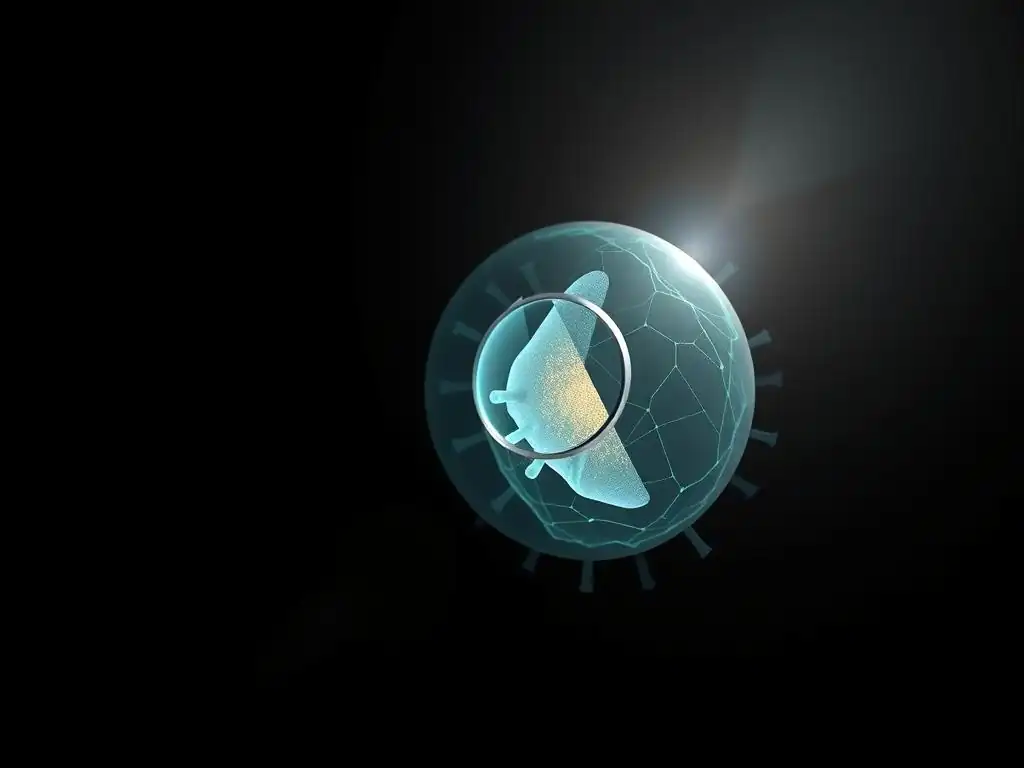
Gender Bias in the Scientific Community
Throughout her career, Dr. Charlotte Friend, like many women scientists of her era, navigated a scientific landscape rife with gender bias. Despite her exceptional intellect and groundbreaking discoveries, she often encountered skepticism and dismissiveness that were, in part, attributable to her gender. Women in science were frequently overlooked for leadership positions, denied equal opportunities for funding, and sometimes had their contributions minimized or attributed to male colleagues.
Her initial presentation of the FLV discovery at a scientific conference in 1956 was met with significant resistance, and some senior male scientists openly questioned her findings, suggesting her results were merely contamination. This skepticism, while partly scientific, was undoubtedly exacerbated by the prevailing societal norms that often undervalued the intellectual capabilities of women. Friend's perseverance in the face of such systemic challenges highlights her unwavering commitment to her Charlotte Friend cancer virus research.
Beyond gender bias, Dr. Friend faced immense scientific resistance to her central hypothesis: that viruses could cause cancer in mammals. In the 1950s, the scientific establishment largely favored chemical carcinogens or genetic predisposition as the primary causes of cancer. The idea of a transmissible, viral agent was considered radical, even fanciful, by many leading oncologists and virologists.
She had to tirelessly present her data, conduct countless reproducible experiments, and patiently explain the implications of her findings to a skeptical audience. The dramatic and consistent nature of FLV-induced leukemia in mice was ultimately undeniable, but it took years for the broader scientific community to fully embrace the viral etiology of cancer. Her tenacity in overcoming this intellectual inertia was crucial for the eventual acceptance of this new paradigm in Charlotte Friend cancer virus research.
Securing Funding for Novel Research
Securing adequate funding for scientific research is always a challenge, but it was particularly arduous for Dr. Friend, given the unconventional nature of her early work and the prevailing biases. Research into viral oncology was not considered a mainstream or high-priority area for funding agencies in the mid-20th century. This meant that she often had to operate with limited resources, relying on her ingenuity and dedication to push her experiments forward.
Despite these financial constraints, Friend managed to maintain a productive laboratory and conduct the meticulous experiments necessary to isolate and characterize FLV. Her ability to secure even modest grants and demonstrate significant progress with them was a testament to her scientific acumen and persuasive abilities. Her persistence in funding her novel Charlotte Friend cancer virus research ultimately paid off with a discovery that transformed the field.
The Impact and Legacy of Dr. Charlotte Friend's Contributions
Impact on Leukemia Research and Treatment
The discovery of the Friend Leukemia Virus profoundly impacted leukemia research and treatment strategies. FLV provided the first reliable and reproducible animal model for studying the disease, allowing scientists to investigate the mechanisms of leukemogenesis in a controlled environment. This model facilitated the testing of potential antiviral drugs and immunotherapies, accelerating the pace of drug discovery.
Researchers used FLV to understand how a virus could transform healthy cells into cancerous ones, leading to insights into cellular differentiation and proliferation. The ability to induce leukemia predictably in mice allowed for the study of disease progression, host immune responses, and the efficacy of various therapeutic interventions. This foundational work in Charlotte Friend cancer virus research continues to inform modern approaches to understanding and treating leukemia.
Advancements in Cancer Virology from FLV Discovery
Dr. Friend's isolation of FLV was a watershed moment that paved the way for the discovery of numerous other oncogenic viruses. Her work demonstrated that viruses could indeed cause cancer in mammals, which encouraged other researchers to look for viral etiologies in various human cancers. Within years of FLV's discovery, other significant oncogenic viruses were identified, including the Rous Sarcoma Virus (RSV) in chickens, the Epstein-Barr Virus (EBV) linked to lymphomas, and later, the Human Papillomavirus (HPV) associated with cervical cancer.
The insights gained from studying FLV, particularly regarding retroviral mechanisms, were crucial for understanding the broader family of retroviruses, including HIV. Her pioneering Charlotte Friend cancer virus research spurred the development of an entirely new field of cancer virology, leading to current efforts in viral-based therapies and cancer prevention strategies, such as HPV vaccines.
Awards and Recognition
Despite the initial skepticism and challenges, Dr. Charlotte Friend eventually received significant recognition for her groundbreaking work. She was awarded the Alfred P. Sloan Award in 1962, a highly prestigious honor in cancer research. She also received the American Cancer Society's Award for distinguished service in 1970 and the Albert Lasker Award for Basic Medical Research in 1976, often considered America's most prestigious medical research award, alongside other notable accolades.
Her election to the National Academy of Sciences in 1976 solidified her standing among the scientific elite. These awards and memberships underscored the profound impact of her Charlotte Friend cancer virus research on the scientific community and public health, acknowledging her as a true pioneer whose discoveries reshaped the understanding of cancer.
Dr. Friend's Methodologies and Scientific Contributions
Innovative Research Techniques
Dr. Charlotte Friend's success was not only due to her visionary hypothesis but also to her meticulous and innovative research techniques. Her use of cell-free filtrates from leukemic mouse tissues to induce leukemia in healthy mice was a critical methodological advance. This technique, though seemingly simple, required precise execution and careful control to ensure that the observed effects were indeed due to a transmissible agent and not cellular contamination.
Furthermore, her ability to establish a reproducible and reliable mouse model for leukemia allowed for standardized experiments and the consistent generation of data. She meticulously characterized the Friend Leukemia Virus, employing electron microscopy to visualize the viral particles and biochemical assays to understand its properties. These rigorous methodologies set a high standard for subsequent Charlotte Friend cancer virus research and viral oncology studies.
The acceptance of viral oncology as a legitimate and important field within cancer research owes a tremendous debt to Dr. Friend's persistent efforts. Prior to her work, the concept was largely dismissed as a fringe idea. Her undeniable evidence from the Friend Leukemia Virus, coupled with her unwavering commitment to presenting and defending her findings, gradually chipped away at the scientific establishment's skepticism.
Her seminal paper in 1957, "Cell-free transmission of a disease having the character of a leukemia (lymphatic leukemia) in adult Swiss mice," published in the Journal of Experimental Medicine, provided the detailed data necessary for other researchers to replicate her findings. The reproducibility of FLV-induced leukemia by laboratories worldwide eventually led to the broad acceptance that viruses could indeed cause cancer, fundamentally altering the direction of Charlotte Friend cancer virus research and cancer biology.
Beyond the Friend Leukemia Virus: Dr. Friend's Later Research
Research into Interferon and Immune Response
While the Friend Leukemia Virus remained central to her legacy, Dr. Charlotte Friend's scientific curiosity extended beyond its initial discovery. In her later career, she delved into the intricacies of the host immune response to viral infections, particularly focusing on interferon. Interferon is a protein produced by the body's immune system in response to viruses, acting as a crucial defense mechanism.
Her research explored how interferon could inhibit the replication of FLV and other viruses, suggesting potential therapeutic applications in combating viral diseases and even certain cancers. This work underscored her broader interest in the complex interplay between viruses, the immune system, and cancer development, demonstrating her foresight in areas that would later become critical to modern oncology and immunology. Her continued dedication to Charlotte Friend cancer virus research expanded into related fields.
Mentorship and Inspiration
Beyond her direct scientific contributions, Dr. Charlotte Friend was a profound mentor and an enduring source of inspiration for countless aspiring scientists, particularly women. She understood the unique challenges faced by women in a male-dominated field and actively worked to support and encourage her female students and colleagues. Her laboratory was known for its collaborative and supportive environment, where young researchers were empowered to pursue their own scientific questions.
She served on numerous scientific committees and advisory boards, advocating for rigorous science and fostering the careers of the next generation of researchers. Her own journey, marked by perseverance against skepticism and bias, served as a powerful example of resilience and intellectual courage. Friend's legacy thus extends beyond her discoveries, encompassing her role in shaping the scientific community and inspiring future pioneers in Charlotte Friend cancer virus research and beyond.
Conclusion: Dr. Charlotte Friend, A True Pioneer in Cancer Research
Remembering Her Contributions
Dr. Charlotte Friend passed away in 1987, but her monumental contributions continue to resonate throughout the scientific world. She is remembered not only as the discoverer of the Friend Leukemia Virus but also as a visionary scientist who dared to challenge prevailing scientific dogmas. Her work provided irrefutable proof that viruses could cause cancer in mammals, a concept that revolutionized cancer research and opened entirely new avenues for investigation and therapeutic development.
Her legacy is cemented by the fact that the Friend Leukemia Virus remains a vital model system for studying leukemia, retroviruses, and oncogenesis to this day. Her relentless pursuit of scientific truth, despite facing significant skepticism and gender bias, stands as a testament to her intellectual fortitude and unwavering dedication to understanding and combating cancer. The impact of her Charlotte Friend cancer virus research is truly indelible.
Relevance of Research in Modern Oncology
The relevance of Dr. Charlotte Friend's pioneering Charlotte Friend cancer virus research in modern oncology cannot be overstated. Her discovery of FLV provided the foundational understanding that led to the identification of other human oncogenic viruses, such as HPV (human papillomavirus), EBV (Epstein-Barr virus), and HBV (hepatitis B virus), which are now known to cause millions of cancer cases worldwide. This understanding has led to the development of life-saving vaccines, such as the HPV vaccine, which prevents cervical and other cancers.
Furthermore, the study of retroviruses, initiated in part by her work, became critical for understanding HIV and developing antiretroviral therapies. Her insights into the host-virus interaction and the mechanisms of viral transformation continue to inform current research into immunotherapy and targeted cancer treatments. Dr. Friend's legacy is a powerful reminder that fundamental scientific discoveries, often born from challenging conventional wisdom, are essential for advancing human health and continue to shape the frontiers of oncology.
Frequently Asked Questions
What was Dr. Charlotte Friend's most significant scientific achievement?
Dr. Friend is best known for her discovery of the Friend Leukemia Virus (FLV), a virus capable of inducing leukemia in mice. This discovery revolutionized cancer research and virology.
What challenges did Dr. Friend face as a woman in science?
Dr. Friend, like many women scientists of her time, faced gender bias and limited opportunities in a male-dominated field. She had to work harder to gain recognition for her contributions.
How did the discovery of the Friend Leukemia Virus impact cancer treatment?
The discovery of FLV provided a crucial model system for studying viral-induced leukemia, leading to advancements in understanding and potentially treating certain cancers. It helped scientists understand the role of viruses in cancer development.
What field of science did Dr. Charlotte Friend primarily contribute to?
Dr. Friend's primary contributions were in the fields of virology and cancer research, specifically focusing on the role of viruses in causing leukemia.
What is "WomenInScienceHistory.com" and why is Dr. Friend featured on it?
"WomenInScienceHistory.com" is a website dedicated to highlighting the achievements of women in science throughout history. Dr. Friend is featured because she was a pioneering researcher whose work on the Friend Leukemia Virus significantly advanced cancer research.
Final Reflection: The Enduring Legacy of Scientific Courage
The story of Dr. Charlotte Friend and her groundbreaking discovery of the Friend leukemia virus is more than just a historical account; it's a testament to the power of perseverance in the face of skepticism. Her relentless pursuit of understanding cancer's viral origins, despite initial resistance, resonates profoundly in today's world, where scientific breakthroughs often challenge established paradigms. The fight against cancer continues, and Friend's work remains a cornerstone of our understanding of viral oncogenesis, reminding us that progress often demands challenging the status quo.
The impact of Dr. Friend's work extends far beyond the laboratory. Her dedication to scientific truth, even when unpopular, serves as an inspiration to aspiring scientists and a reminder of the importance of independent thought. Her legacy underscores the critical role of basic research in advancing medical knowledge and ultimately improving human lives. Science is not a collection of facts, but a process of discovery.
This quote, though not directly from Friend, encapsulates the spirit of her work and the ongoing quest to unravel the complexities of disease.
As we reflect on Dr. Friend's remarkable journey, let us be inspired by her unwavering commitment to scientific inquiry. Consider how her story encourages you to embrace intellectual curiosity, to question assumptions, and to persevere in the face of adversity. Let us all strive to contribute to a world where scientific innovation is celebrated and where the pursuit of knowledge is valued above all else.
Unleash Your Inner Scientist: Explore, Connect, Inspire!
Thank you for delving into the remarkable story of Dr. Charlotte Friend and her groundbreaking contributions to cancer research. Now it's your turn to carry the torch!
Here are a few ways to honor her legacy and further your own scientific journey:
- Dive deeper: Research a scientific discovery made by another woman in STEM and share what you learned on social media, tagging WomenInScienceHistory.com!
- Explore the archives: Visit a local museum or library to discover original documents and artifacts related to women's contributions to science.
- Amplify her story: Share this article with a friend or colleague to help spread awareness of Dr. Friend's incredible work and inspire the next generation of female scientists.
What other female scientists deserve to have their stories told and why?