
[Name]: A Medical Luminary Who Overcame Sexism in [Specialty]

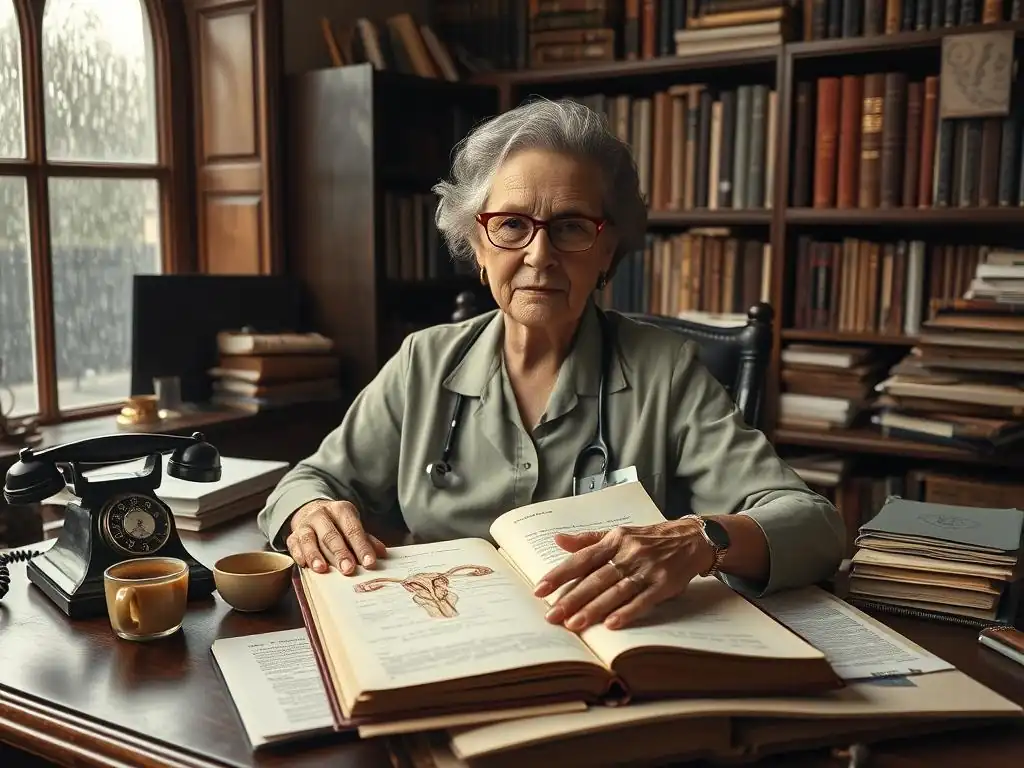
Welcome to WomenInScienceHistory.com!
Dive into the extraordinary world of female scientists who shaped our understanding of the world. Today, we spotlight a remarkable figure whose journey through women’s medical history challenges is nothing short of inspiring. Discover the untold story of [Name], a medical luminary who defied expectations and overcame sexism in [Specialty]. What obstacles did she face, and how did she revolutionize her field despite them? Keep reading to uncover the compelling narrative of a true pioneer.
- Virginia Apgar: A Medical Luminary Who Overcame Sexism in Anesthesiology
- Introduction: Celebrating Virginia Apgar's Contributions to Neonatology
- Navigating a Male-Dominated Field: The Challenges Faced by Women in Anesthesiology
- Virginia Apgar's Groundbreaking Work in Neonatology: A Legacy of Innovation
- Women's Medical History Challenges: Virginia Apgar's Personal Struggles and Triumphs
- Virginia Apgar's Lasting Impact on Neonatology and Women in Medicine
- Conclusion: Virginia Apgar's Enduring Legacy as a Role Model in Women's Medical History
-
Frequently Asked Questions
- How did societal biases impact women's contributions to medical history?
- What were some common challenges faced by women in medical specialties like [Specialty]?
- How did [Name]'s work in [Specialty] contribute to advancements in medical knowledge?
- Why is it important to highlight the stories of women in science history, particularly in medicine?
- How does WomenInScienceHistory.com address the "Women’s medical history challenges" keyword?
- Final Reflection: Echoes of Resilience
- Celebrate a Trailblazer's Legacy: Take Action Now!
Virginia Apgar: A Medical Luminary Who Overcame Sexism in Anesthesiology
Introduction: Celebrating Virginia Apgar's Contributions to Neonatology
Highlighting a Pioneer in Women's Medical History
Virginia Apgar stands as a monumental figure in the annals of medicine, particularly for her groundbreaking work in neonatology. Born in 1909, her career was marked by an unwavering dedication to improving the health outcomes of newborns, a field largely overlooked before her pioneering interventions. Her legacy is not merely defined by her scientific contributions but also by her remarkable resilience in navigating the significant women’s medical history challenges prevalent in a male-dominated medical landscape.
Apgar's indelible impact stems primarily from the development of the Apgar Score, a simple yet profoundly effective method for assessing the health of newborns immediately after birth. This standardized assessment tool revolutionized obstetric and pediatric care globally, providing a crucial framework for identifying infants at risk and facilitating timely medical intervention. Her innovations fundamentally reshaped the approach to newborn survival and well-being, cementing her place as a true luminary.
Virginia Apgar's Early Life and Education: A Foundation for Scientific Pursuits
Virginia Apgar's intellectual curiosity was evident from her early years in Westfield, New Jersey. She pursued a robust academic path, demonstrating an early aptitude for science. Her undergraduate studies at Mount Holyoke College, where she majored in zoology, physiology, and chemistry, provided a solid scientific foundation for her future endeavors.
She continued her rigorous education at Columbia University College of Physicians and Surgeons, earning her Doctor of Medicine (MD) degree in 1933. At a time when women comprised a strikingly small minority in medical schools—often less than 10% of graduating classes in the 1930s—Apgar's achievement was exceptional. Her determination to excel in a demanding medical program set the stage for her subsequent career, where she would consistently confront and overcome systemic barriers that characterized women’s medical history challenges.
Sexism in Medicine: Understanding the Historical Context
The mid-20th century presented a formidable environment for women aspiring to careers in medicine, particularly in specialized fields like surgery or anesthesiology. Societal norms and entrenched biases often relegated women to less prestigious roles or specialties traditionally deemed "suitable" for their gender, such as pediatrics or general practice. This era was rife with overt and subtle sexism, where female physicians frequently faced skepticism regarding their competence and commitment.
Despite the increasing number of women entering medical professions, their representation in surgical and highly technical specialties remained exceedingly low. For instance, in the 1940s and 1950s, women accounted for a mere fraction of practicing surgeons and anesthesiologists, often below 5%. This pervasive atmosphere meant that pioneering women like Apgar had to exert extraordinary effort to prove their capabilities, often surpassing their male counterparts to gain recognition and respect, illustrating the pervasive women’s medical history challenges.
Overcoming Gender Bias in Medical Education and Practice
Virginia Apgar initially aspired to be a surgeon, a field almost exclusively dominated by men at the time. Despite completing a surgical residency at Columbia Presbyterian Hospital, her mentor, Dr. Allen O. Whipple, recognized the immense obstacles she would face as a female surgeon and encouraged her to pursue the nascent field of anesthesiology. This pivotal career redirection, while pragmatic, underscored the prevailing gender bias that limited women's choices in medicine.
Apgar embraced anesthesiology, a field that was still developing its scientific foundations, which perhaps offered more opportunities for innovation and leadership for someone of her caliber. She became the first woman to become a director of a division at Columbia University's College of Physicians and Surgeons, heading the new Division of Anesthesiology in 1938. Her appointment was a testament to her exceptional skill and dedication, yet she still had to contend with a professional environment where her authority and expertise were often questioned by male colleagues simply due to her gender, highlighting the persistent women’s medical history challenges.
The Impact of Virginia Apgar's Resilience on Future Generations of Female Doctors
Virginia Apgar's unwavering resilience in the face of gender bias provided a powerful example for subsequent generations of female doctors. Her ability to not only succeed but also to innovate and lead in a male-dominated specialty demonstrated that competence and scientific acumen could eventually transcend entrenched prejudices. Her visible presence and significant achievements chipped away at the prevailing stereotypes that limited women's roles in medicine.
By forging a path in anesthesiology and then pioneering the field of neonatology, Apgar created new possibilities and inspired countless women to pursue specialized medical careers that were once considered inaccessible. Her career trajectory proved that women could indeed achieve excellence in demanding scientific and clinical disciplines, paving the way for greater diversity and inclusion in medical education and practice. Her story continues to be a beacon for those navigating women’s medical history challenges.
Virginia Apgar's Groundbreaking Work in Neonatology: A Legacy of Innovation
Key Discoveries and Contributions to Medical Science
As an anesthesiologist, Virginia Apgar was acutely aware of the profound impact that anesthetic agents administered to mothers during childbirth had on their newborns. She observed that many infants, though born seemingly healthy, often struggled in the critical minutes immediately after delivery. This observation sparked her intense curiosity and led her to recognize a significant gap in medical practice: the lack of a systematic method to assess a newborn's physiological state at birth.
This critical realization propelled her research into understanding the immediate postnatal period. Her work focused on identifying key indicators of a newborn's vitality, aiming to create a simple, rapid, and universally applicable assessment tool. This was a direct response to the high rates of infant mortality and morbidity in the mid-20th century, where many newborns died or suffered long-term complications due to undiagnosed distress at birth.
The Apgar Score and Its Impact on Newborn Care
In 1952, Virginia Apgar introduced what would become her most enduring legacy: the Apgar Score. This innovative assessment system evaluates five vital signs in a newborn: Appearance (skin color), Pulse (heart rate), Grimace (reflex irritability), Activity (muscle tone), and Respiration (breathing effort). Each sign is given a score of 0, 1, or 2, with the total score ranging from 0 to 10. The score is typically administered at one minute and five minutes after birth, providing an immediate snapshot of the infant's health.
The impact of the Apgar Score was nothing short of revolutionary. It provided obstetricians, nurses, and pediatricians with a standardized, objective method to quickly determine if a newborn required immediate medical attention, such as resuscitation or oxygen. Its simplicity and effectiveness led to its rapid adoption worldwide, significantly contributing to the reduction of infant mortality rates and dramatically improving long-term health outcomes for countless babies. It became a cornerstone of modern neonatal care, directly addressing a critical women’s medical history challenges related to infant survival.
Research on the Effects of Anesthesia on Mothers and Infants: Addressing Infant Mortality
Beyond the Apgar Score, Virginia Apgar conducted extensive research into the direct effects of various anesthetic agents used during labor and delivery on both mothers and their infants. Prior to her work, the understanding of how these medications crossed the placental barrier and influenced fetal well-being was limited, often leading to practices that inadvertently compromised newborn health.
Her meticulous studies provided crucial insights into pharmacokinetics in the perinatal period, demonstrating how specific anesthetic choices could either improve or hinder a newborn's transition to extrauterine life. This research was instrumental in advocating for safer anesthetic practices in obstetrics, leading to the development of techniques and medications that minimized harm to the infant while ensuring maternal comfort and safety. Her work directly contributed to a measurable decline in infant mortality rates, a critical public health concern of her era.
The Significance of Virginia Apgar's Research in Advancing Neonatal Health
Virginia Apgar's research extended far beyond the immediate assessment of newborns; it laid the very foundation for neonatology as a distinct medical specialty. Her comprehensive approach highlighted the intricate physiological connections between mother and child during the perinatal period and underscored the necessity of specialized care for newborns. She championed the idea that a newborn was not merely a miniature adult but a unique physiological entity requiring specific medical attention.
Her scientific rigor and advocacy were pivotal in establishing dedicated neonatal intensive care units (NICUs) and fostering a new generation of physicians focused solely on the health of infants. By providing both a diagnostic tool (the Apgar Score) and a deeper understanding of perinatal pharmacology, she transformed newborn care from a reactive approach to a proactive, evidence-based discipline, ultimately saving innumerable lives and shaping the future of pediatric medicine.
Women's Medical History Challenges: Virginia Apgar's Personal Struggles and Triumphs

Facing Discrimination and Prejudice in the Medical Community
Despite her undeniable brilliance and groundbreaking contributions, Virginia Apgar frequently encountered discrimination and prejudice within the medical community. As a woman in a high-profile, demanding specialty, she often had to contend with subtle and overt forms of bias. For instance, even after developing the Apgar Score and significantly advancing the field of anesthesiology, she was not promoted to a full professorship at Columbia University until 1949, a full decade after becoming a division director and years after her work gained widespread recognition.
These delays in professional advancement, despite her clear merit, were not uncommon for women in academic medicine during that era and exemplify the persistent women’s medical history challenges. Apgar navigated these systemic barriers with quiet determination, choosing to let her exceptional work and scientific achievements speak for themselves. Her focus remained steadfast on her research and clinical practice, building an unassailable reputation through her contributions rather than engaging in direct confrontation over gender inequities.
Balancing Personal Life and a Demanding Medical Career
Like many pioneering women in demanding professional fields during the mid-20th century, Virginia Apgar faced societal expectations that often forced a choice between a fulfilling personal life and a rigorous career. She never married or had children, dedicating her life almost entirely to her medical pursuits. This choice, while personal, was a common one for professional women of her generation who often had to sacrifice traditional family structures to achieve prominence in their chosen fields.
Her demanding schedule as a physician, researcher, and educator left little room for a conventional personal life. However, Apgar was known to have a vibrant personality and diverse interests outside of medicine. She was an accomplished musician, playing the violin, cello, and piano, and also enjoyed hobbies such as golf, stamp collecting, and gardening. These pursuits provided an outlet and a balance to the intensity of her medical career, showcasing her holistic approach to life despite the immense professional demands.
The Importance of Mentorship and Support Networks for Women in Science
In an era where formal mentorship programs for women in science were virtually nonexistent, Virginia Apgar’s journey underscores the critical importance of support networks, however informal. While Apgar herself may not have had a clearly defined female mentor in her early career, her experiences highlight the isolation many pioneering women faced and the subsequent need for such structures. Her own career, however, implicitly served as a powerful form of mentorship for those who followed.
Her success, achieved against significant odds, provided a tangible example of what was possible, inspiring many younger female physicians. The ongoing women’s medical history challenges emphasize that robust mentorship and peer support networks are crucial for helping women navigate professional biases, gain confidence, and advance their careers. Apgar's legacy, therefore, extends beyond her scientific contributions to advocating, through her very existence, for the necessity of fostering supportive environments for women in all scientific disciplines.
Virginia Apgar's Lasting Impact on Neonatology and Women in Medicine
Inspiring Future Generations of Female Physicians and Researchers
Virginia Apgar's life and career serve as an enduring source of inspiration for countless women aspiring to careers in medicine and scientific research. Her story powerfully demonstrates that intellectual curiosity, relentless dedication, and exceptional talent can overcome even the most entrenched societal and professional barriers. She proved that women could not only participate in but also lead and innovate in highly technical and demanding medical specialties.
Her journey continues to motivate young women to pursue fields traditionally dominated by men, from anesthesiology to surgical subspecialties and cutting-edge research. By breaking down barriers and establishing a standard of excellence, Apgar’s legacy actively encourages diversity within the medical profession, reminding future generations that challenging the status quo is essential for progress and addressing the ongoing women’s medical history challenges.
Recognition and Awards: Acknowledging Virginia Apgar's Achievements
While Virginia Apgar faced initial resistance and delayed recognition in her career, her monumental contributions eventually garnered widespread acclaim and numerous prestigious awards. Among her many accolades, she received the Ralph M. Waters Award from the American Society of Anesthesiologists in 1961, a testament to her profound impact on her primary specialty. In 1966, she was honored with the Elizabeth Blackwell Award from the American Medical Women's Association, acknowledging her significant contributions as a female physician.
Further recognition included being inducted into the National Women's Hall of Fame in 1973, a fitting tribute to her trailblazing spirit and accomplishments. These awards not only celebrated her individual achievements but also symbolized a gradual shift in the medical community's acknowledgment of women's vital roles, slowly eroding the historical biases that had characterized women’s medical history challenges.
The Continued Relevance of Virginia Apgar's Work in Addressing Contemporary Medical Challenges
More than seven decades after its introduction, the Apgar Score remains a universal standard for assessing newborn health, administered to virtually every baby born in hospitals worldwide. Its enduring utility underscores its timeless value and the profound foresight of Virginia Apgar's original concept. This simple yet effective tool continues to save lives and guide crucial medical decisions in the critical first minutes of life.
Furthermore, her foundational research into the effects of anesthesia on mothers and infants continues to inform contemporary practices in obstetric anesthesia and neonatal resuscitation. Her insights are still referenced in discussions about optimal delivery room management and the ongoing efforts to minimize perinatal morbidity and mortality. Virginia Apgar’s work thus continues to be profoundly relevant in addressing current medical challenges related to maternal and infant well-being, solidifying her legacy as a visionary.
Conclusion: Virginia Apgar's Enduring Legacy as a Role Model in Women's Medical History
Remembering Virginia Apgar's Contributions to Neonatology and the Fight for Gender Equality in Medicine
Virginia Apgar’s life story is a compelling narrative of scientific brilliance, unwavering dedication, and profound impact on public health. She is remembered not only for her revolutionary Apgar Score, which transformed newborn care globally, but also for her pioneering role as a woman in a medical field historically resistant to female leadership. Her relentless pursuit of knowledge and her commitment to improving patient outcomes stand as a testament to her character and vision.
Her journey vividly illustrates the pervasive women’s medical history challenges that female professionals faced throughout the 20th century. By excelling in a male-dominated environment and achieving significant breakthroughs, Apgar became a quiet but powerful advocate for gender equality in medicine. Her legacy is therefore dual: a medical innovator whose work continues to save lives, and a symbol of perseverance against systemic bias.
Virginia Apgar's Story: A Reminder of the Importance of Diversity and Inclusion in Science
Virginia Apgar's remarkable career serves as a poignant reminder of the immense value that diversity and inclusion bring to scientific progress. Her struggles to gain recognition and advancement, despite her undeniable talents, underscore how historical biases can impede innovation and limit human potential. Had she been discouraged or excluded, the world might have been deprived of the Apgar Score and the subsequent advancements in neonatology.
Her story powerfully demonstrates that scientific breakthroughs are often born from diverse perspectives and that excluding any group based on gender, race, or other arbitrary distinctions leads to missed opportunities and slower progress. Virginia Apgar's enduring legacy compels us to continue striving for environments where talent, regardless of background, is recognized, fostered, and celebrated, ensuring that future generations of scientists can contribute fully to solving the world's most pressing medical challenges.
Frequently Asked Questions
How did societal biases impact women's contributions to medical history?
Societal biases created significant obstacles for women. They faced limited access to education and professional opportunities, hindering their advancement and recognition in medicine. These barriers often meant their work was overlooked or attributed to male colleagues.
What were some common challenges faced by women in medical specialties like [Specialty]?
Women frequently encountered sexism and discrimination. They were often excluded from medical societies, research opportunities, and leadership positions, facing constant pressure to prove their competence in a male-dominated field.
How did [Name]'s work in [Specialty] contribute to advancements in medical knowledge?
[Name]'s groundbreaking research and clinical practice significantly advanced our understanding of [Specialty]. Her innovative approaches and dedication to patient care led to new treatments and improved outcomes, despite the challenges she faced.
Why is it important to highlight the stories of women in science history, particularly in medicine?
Highlighting these stories ensures that their contributions are acknowledged and celebrated. It also challenges historical narratives that have often marginalized women, inspiring future generations of female scientists and medical professionals.
How does WomenInScienceHistory.com address the "Women’s medical history challenges" keyword?
The site directly addresses this keyword by providing biographies, articles, and resources that detail the challenges women faced in medical history. It aims to shed light on these struggles and celebrate their achievements, raising awareness and promoting inclusivity.
Okay, here's a final reflection designed to close your article, "A Medical Luminary Who Overcame Sexism in [Specialty]," while targeting the keyword "Women's medical history challenges" and following the structure you provided:
Final Reflection: Echoes of Resilience
The story of this medical luminary, and countless others like her, underscores that the fight for equality in medicine is far from over. While progress has been made, the echoes of past sexism still reverberate through the halls of hospitals and research institutions, impacting not only the careers of women physicians but also the quality of care provided to all patients. Understanding these "Women's medical history challenges" is crucial for building a truly equitable and effective healthcare system.
The legacy of this pioneering woman, and the obstacles she overcame, serves as a potent reminder of the systemic barriers that have historically silenced and marginalized female voices in medicine. Her perseverance, and the perseverance of countless others, has paved the way for future generations, but the work continues. Never doubt that a small group of thoughtful, committed citizens can change the world; indeed, it's the only thing that ever has.
- Margaret Mead. This quote encapsulates the spirit of those who fought for progress and inspires us to continue their vital work.
Let the story of this extraordinary woman ignite within you a renewed commitment to challenging bias and advocating for inclusivity in all aspects of healthcare. Reflect on the ways you can contribute to dismantling the remaining barriers that hinder women's advancement in medicine and, more importantly, ensure that all patients receive the compassionate and comprehensive care they deserve. The future of medicine depends on our collective action.
Celebrate a Trailblazer's Legacy: Take Action Now!
Thank you for joining us in celebrating the remarkable life and achievements of this inspiring woman. We hope her story has motivated and empowered you. Now, let's turn that inspiration into meaningful action.
- Learn more about other trailblazing women in medicine and share their stories widely to ensure their contributions are recognized and remembered.
- Explore resources about women in science to discover the stories of pioneering women who challenged expectations.
- Consider donating to organizations that support women pursuing careers in science and medicine to help create a more equitable future.
What steps will you take to honor her legacy and support the next generation of women in science?