
Breaking Barriers in the OR: [Name]'s Journey as a Pioneer Surgeon


Welcome to WomenInScienceHistory.com!
Delve into the fascinating world of women who dared to challenge the status quo and revolutionize scientific fields. Prepare to be inspired by untold stories of resilience, innovation, and groundbreaking discoveries. Our latest biography shines a light on a truly exceptional figure: a pioneering woman surgeon whose journey broke barriers and paved the way for future generations. Are you ready to uncover the remarkable life and legacy of this surgical trailblazer and explore the historical challenges she overcame?
- Breaking Barriers in the OR: Mary Edwards Walker's Journey as a Pioneer Surgeon
- Introduction: Recognizing a Groundbreaking Woman Surgeon
- Early Life and Education: Laying the Foundation for a Medical Career
- Charting a Course: Mary Edwards Walker's Early Career in Surgery
- Breaking Gender Barriers in the Operating Room
- Mary Edwards Walker's Significant Contributions to Surgical Advancements
- Mentorship and Inspiration: Impacting Future Generations of Women Surgeons
- Recognition and Awards: Honoring Mary Edwards Walker's Achievements
- Mary Edwards Walker's Enduring Legacy: A Pioneer for Women in Surgical History
- Conclusion: Remembering Mary Edwards Walker's Contribution to Women in Medicine
-
Frequently Asked Questions
- What are some common obstacles faced by women in science, particularly surgery, throughout history?
- What kind of groundbreaking work did pioneering female surgeons often undertake?
- How does WomenInScienceHistory.com aim to inspire future generations of female scientists?
- Why is it important to highlight the stories of women in science history?
- Where can I find more information about the life and work of [Name], the pioneer surgeon featured on the website?
- Final Reflection: The Enduring Legacy of Pioneering Women
- Celebrate the Legacy of a Trailblazing Woman: Inspire the Next Generation!
Breaking Barriers in the OR: Mary Edwards Walker's Journey as a Pioneer Surgeon
Introduction: Recognizing a Groundbreaking Woman Surgeon
Celebrating Mary Edwards Walker's Legacy in Women's Surgical History
Mary Edwards Walker stands as a towering figure in the annals of American history, particularly for her groundbreaking role as a physician and, more specifically, as a woman surgeon. Born in 1832, her life defied the rigid societal norms of the 19th century, which largely confined women to domestic roles and barred them from professional careers, especially in demanding fields like medicine and surgery. Her unwavering determination to practice medicine, even in the face of immense prejudice, makes her woman surgeon historical biography a compelling narrative of perseverance and pioneering spirit.
Her legacy extends far beyond her medical practice; she was a fierce advocate for women's rights, dress reform, and abolition. Walker's journey illuminates the significant challenges faced by early women surgeons and physicians, offering a vital perspective on the historical struggle for gender equality in professions that were overwhelmingly male-dominated. Her story is not just one of medical achievement but also a testament to the power of individual conviction in shaping societal progress.
Early Life and Education: Laying the Foundation for a Medical Career
Mary Edwards Walker's Early Influences and Interest in Medicine
Mary Edwards Walker was born into a progressive family in Oswego, New York, on November 26, 1832. Her parents, Alvah and Vesta Walker, were staunch abolitionists and advocates for women's rights, including the then-radical idea of equal education for their daughters. This enlightened upbringing fostered an independent spirit and a deep-seated belief in equality within young Mary, encouraging her to question conventional boundaries and pursue paths traditionally closed to women.
This progressive environment was instrumental in shaping her early interest in medicine. Unlike many of her female contemporaries, Walker was encouraged to pursue intellectual and professional aspirations. Her parents' belief in physical and intellectual freedom, even advocating for practical dress reform for women, directly influenced her conviction that women were fully capable of succeeding in any field, including the rigorous demands of medical practice.
Overcoming Obstacles in Pursuing a Medical Education as a Woman
In the mid-19th century, women seeking higher education, particularly in medicine, faced formidable societal and institutional barriers. Prevailing prejudices held that women lacked the intellectual capacity, emotional stability, or physical stamina required for medical practice, especially surgery. Many medical schools refused to admit women, and those that did often subjected them to skepticism and hostility from male faculty and students.
Despite these daunting obstacles, Mary Edwards Walker was resolute in her pursuit of a medical degree. Her journey required immense courage and an unwavering commitment to her calling. She navigated a system designed to exclude women, demonstrating exceptional resilience and a pioneering spirit that would define her entire career. Her determination to gain formal medical training was a significant step in breaking down barriers for future women surgeons.
Academic Achievements and Surgical Training at Syracuse Medical College
Mary Edwards Walker successfully enrolled in Syracuse Medical College (a precursor to the medical school at Syracuse University) and graduated with her medical degree in 1855. This achievement was extraordinary for a woman of her time, as very few institutions admitted female students, and even fewer women managed to complete the demanding curriculum. Her graduation marked her as one of the earliest formally trained female physicians in the United States.
While specific details of her "surgical training" as understood today might be limited, her medical education at Syracuse would have provided her with foundational knowledge in anatomy, physiology, and basic medical procedures, including minor surgical interventions relevant to the era. The very act of a woman completing such a rigorous program, with an eye towards active medical practice, was a revolutionary step towards establishing the credibility of women surgeons.
Charting a Course: Mary Edwards Walker's Early Career in Surgery
Initial Experiences and Challenges Faced as a Female Surgeon
After graduating from medical school, Mary Edwards Walker established a private medical practice in Ohio with her husband, Albert Miller, who was also a physician. However, their joint practice struggled to attract patients. Society's ingrained distrust of female practitioners meant that potential patients, both male and female, were often hesitant to seek care from a woman surgeon or physician, preferring male doctors regardless of their qualifications.
This societal resistance led to significant financial hardship and professional isolation for Walker. Despite her formal training and evident capabilities, she faced an uphill battle simply to be recognized and accepted as a legitimate medical professional. Her early career highlights the profound biases that pioneering women surgeons had to confront, demonstrating that acquiring a degree was only the first of many hurdles.
Pioneering Advocacy for Women Physicians During the Civil War
The outbreak of the American Civil War in 1861 presented Mary Edwards Walker with an opportunity to serve her country and, crucially, to prove the competence of women in medicine on a grand scale. She immediately volunteered her medical services to the Union Army, but her applications for a commission as a surgeon were repeatedly rejected due to her gender. The military, like civilian society, was not prepared to accept a woman surgeon in its ranks.
Undeterred, Walker volunteered as an unpaid nurse and surgeon at various Union Army hospitals, including the Patent Office Hospital in Washington D.C. She performed duties typically assigned to male surgeons, treating wounded soldiers and civilians alike. Her persistent efforts and demonstrated skill during this period were a powerful, if unofficial, advocacy for the inclusion and recognition of women physicians in military and civilian medical roles.
Breaking Gender Barriers in the Operating Room
During the Civil War, military hospitals and field operations were overwhelmingly male-dominated environments, presenting immense challenges for Mary Edwards Walker. She frequently encountered skepticism, professional jealousy, and outright hostility from male colleagues and superiors who questioned her competence and right to practice. Despite these obstacles, she consistently demonstrated her medical acumen and dedication to patient care.
Her work involved a range of surgical duties common during the war, including assisting with amputations, dressing severe wounds, and managing the pervasive diseases like dysentery and typhoid that ravaged military camps. While not always performing complex, modern "operating room" procedures, her hands-on engagement with battlefield injuries and surgical interventions proved her capabilities as a woman surgeon in the most demanding conditions imaginable.
Advocacy for Women in Surgery and Medicine
Mary Edwards Walker's personal struggle for recognition as a physician directly fueled her broader advocacy for women in medicine. She passionately argued that gender should not be a barrier to professional competence or opportunity. Her very presence in military hospitals, performing duties traditionally reserved for men, served as a powerful, living argument for the capabilities of women in all fields, including the most rigorous medical specialties.
Her persistence in seeking a commission and her unwavering commitment to her medical duties, despite facing systemic discrimination, provided an inspiring example for other women aspiring to medical careers. She challenged the prevailing notions that women were too delicate or intellectually unsuited for medicine, paving the way for future generations of women surgeons and physicians to enter and thrive in a male-dominated profession.
Mary Edwards Walker's Significant Contributions to Surgical Advancements
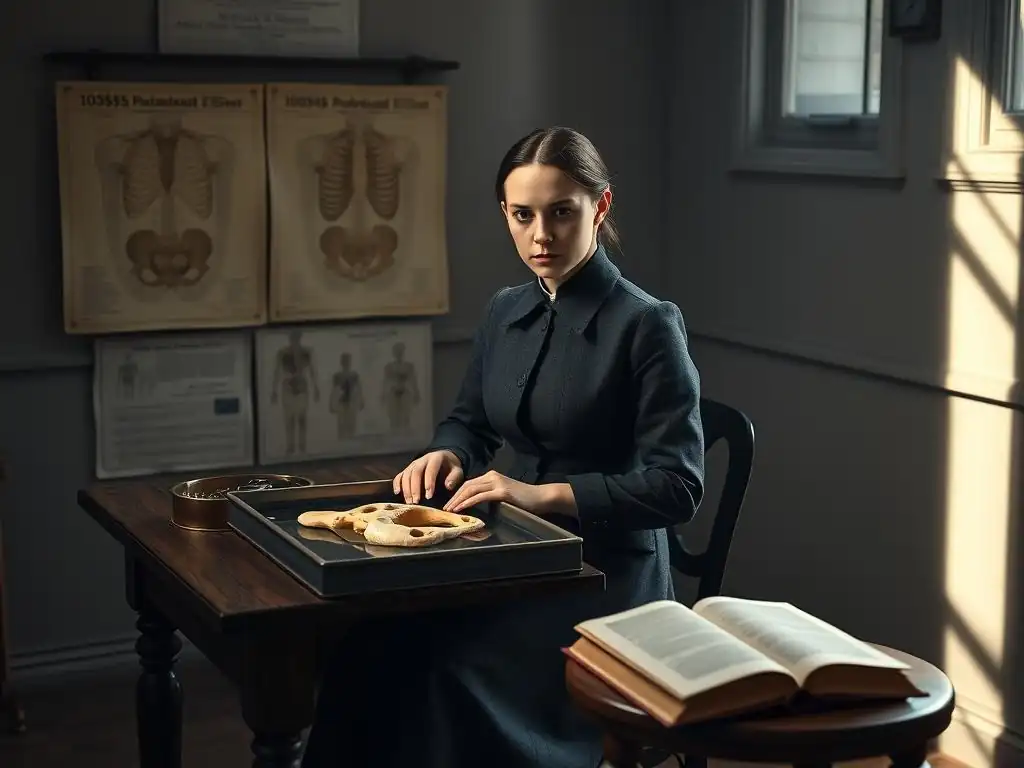
Civil War Service as a Surgeon
Mary Edwards Walker's most notable medical service was during the Civil War. After her initial volunteer work, she was eventually appointed as an assistant surgeon with the 52nd Ohio Infantry in 1863, making her the first and, for a long time, only female surgeon in the U.S. Army. Her duties took her to various battlefields and hospitals, treating soldiers and civilians in Virginia and Tennessee. In April 1864, while attending to wounded Confederate civilians in Georgia, she was captured by Confederate troops and held as a prisoner of war for four months before being exchanged.
Her surgical contributions during the war primarily involved battlefield medicine: treating gunshot wounds, performing basic amputations when necessary, and managing the widespread illnesses that were often more deadly than combat itself. Her dedication to her patients, often under primitive and dangerous conditions, showcased her unwavering commitment and practical skills as a woman surgeon.
Advocating for Sanitary Practices in Field Hospitals
Beyond direct surgical intervention, Mary Edwards Walker was a vocal advocate for improved hygiene and sanitary practices in military hospitals and camps. In an era when germ theory was not yet fully understood, and infections were rampant, her emphasis on cleanliness was remarkably progressive and foresightful. She understood, through practical observation, that poor sanitation contributed significantly to disease transmission and patient mortality.
While her recommendations were not always adopted or fully implemented due to the chaos of war, her advocacy for better hygiene was a crucial "advancement" in patient care. By promoting cleanliness and preventative measures, she aimed to reduce the incidence of diseases like typhoid and dysentery, which claimed more lives than combat wounds. This focus on public health and preventative care demonstrated a holistic approach to medicine that underscored her pioneering spirit as a woman surgeon.
Mentorship and Inspiration: Impacting Future Generations of Women Surgeons
Advocating for Women's Rights and Equality in Medicine
Mary Edwards Walker dedicated her post-Civil War life to advocating for women's rights, particularly focusing on dress reform and women's suffrage. Her advocacy for dress reform, which involved wearing trousers and a short skirt instead of restrictive corsets and long skirts, was not merely a fashion statement but a practical and political act. She believed that women needed freedom of movement to participate fully in society and professions, especially for a woman surgeon who required practical attire for her work.
Her broader fight for women's equality, including the right to vote and equal professional opportunities, directly impacted the medical field. By challenging deeply ingrained societal norms and fighting for women's autonomy and capabilities, she helped chip away at the barriers that prevented women from entering and succeeding in professions like medicine. Her unwavering public stance served as an example for generations.
Inspiring Future Generations Through Her Example
While Mary Edwards Walker may not have formally mentored many individuals, her very existence as a commissioned woman surgeon in the U.S. Army, and her subsequent life as a relentless advocate for women's rights, served as a powerful source of inspiration. She embodied the possibility of transcending traditional gender roles and pursuing one's professional calling despite overwhelming opposition.
Her unique and often controversial path demonstrated that women could indeed excel in fields deemed exclusively male. Her woman surgeon historical biography continues to inspire those who face discrimination or doubt. Her refusal to conform and her persistence in pursuing her medical and reform agendas provided a blueprint for future generations of women to challenge limitations and break barriers in medicine and beyond.
Recognition and Awards: Honoring Mary Edwards Walker's Achievements
Congressional Medal of Honor
In 1865, following the conclusion of the Civil War, President Andrew Johnson awarded Mary Edwards Walker the Congressional Medal of Honor for her meritorious service as a surgeon during the conflict. This extraordinary recognition made her the only woman in U.S. history to receive the nation's highest military decoration. The citation acknowledged her valuable services to the government and her dedication to the cause of humanity.
This award was a monumental achievement for a woman surgeon and for women in general. It represented an unprecedented official acknowledgment of a woman's direct and significant contribution to the war effort in a medical capacity, a field traditionally reserved for men. It was a testament to her courage, skill, and unwavering commitment to her duties under hazardous conditions.
Recognition, Though Later Revoked and Then Restored
Despite the profound significance of her Medal of Honor, Mary Edwards Walker's award faced controversy. In 1917, a revision of the Medal of Honor criteria led to the revocation of nearly 900 medals, including hers, on the grounds that they were not awarded for actual combat or that the recipients were civilians. Mary Edwards Walker famously refused to return her medal, continuing to wear it until her death in 1919, asserting her right to it.
Her determination to retain the medal underscored her conviction in her service and her unique role as a woman surgeon. Decades later, in 1977, President Jimmy Carter posthumously restored her Medal of Honor, reaffirming her rightful place in history as a pioneering physician and a recipient of the nation's highest military award, solidifying her woman surgeon historical biography.
Mary Edwards Walker's Enduring Legacy: A Pioneer for Women in Surgical History
The Lasting Impact of Mary Edwards Walker's Work on Modern Surgery and Women's Rights
Mary Edwards Walker's impact on modern surgery and women's rights is multifaceted and profound. While her direct surgical techniques were of her era, her greatest contribution was in shattering the entrenched gender norms that prevented women from entering the medical profession, especially surgery. She demonstrated, through her actions, that competence and dedication knew no gender, thereby paving the way for countless future women surgeons.
Her tireless advocacy for women's rights, including dress reform and suffrage, was inextricably linked to her medical career. She understood that practical clothing and political agency were essential for women to fully participate in society and professional life. Her life exemplifies the critical intersection of medical pioneering and social reform, making her an indispensable figure in any comprehensive woman surgeon historical biography.
Inspiring Future Generations to Break Barriers
Mary Edwards Walker's story continues to be an enduring source of inspiration for generations. Her unwavering commitment to her medical calling, her profound belief in gender equality, and her sheer audacity in challenging societal expectations serve as a powerful testament to the human spirit. She proved that with determination, one could overcome even the most formidable barriers.
Her journey encourages contemporary and future generations of women surgeons and professionals across all fields to pursue their ambitions relentlessly, irrespective of the limitations imposed by conventional thinking or discrimination. Her woman surgeon historical biography remains a compelling narrative of courage, resilience, and groundbreaking achievement, urging all to remember that breaking barriers is often the first step toward progress.
Conclusion: Remembering Mary Edwards Walker's Contribution to Women in Medicine
Honoring Mary Edwards Walker's Historical Biography as an Influential Woman Surgeon
Mary Edwards Walker's life was a testament to extraordinary courage and unwavering conviction. As a physician, a Civil War surgeon, and an indefatigable advocate for women's rights, she was a singular figure in American history. Her persistent efforts to practice medicine in a male-dominated era, culminating in her unprecedented commission as a U.S. Army surgeon, established her as a true pioneer.
Honoring Mary Edwards Walker's woman surgeon historical biography is crucial for understanding the historical struggles and triumphs of women in science and medicine. Her story reminds us of the systemic barriers that once existed and the immense personal fortitude required to dismantle them. She stands as an enduring symbol of progress, inspiring us to continue celebrating the contributions of women who have shaped, and continue to shape, our world.
Frequently Asked Questions
What are some common obstacles faced by women in science, particularly surgery, throughout history?
Women in science, especially surgical fields, often faced institutional discrimination, lack of educational opportunities, and social biases that hindered their progress and recognition.
What kind of groundbreaking work did pioneering female surgeons often undertake?
They often pioneered new surgical techniques, advanced medical understanding, and championed patient care reforms, despite facing significant resistance from their male counterparts.
How does WomenInScienceHistory.com aim to inspire future generations of female scientists?
The platform inspires by showcasing biographies of influential women, highlighting their achievements in science, and providing role models to encourage young women to pursue STEM careers.
Why is it important to highlight the stories of women in science history?
Highlighting these stories rectifies historical omissions, provides diverse perspectives in scientific narratives, and demonstrates the significant impact women have had on scientific advancement.
Where can I find more information about the life and work of [Name], the pioneer surgeon featured on the website?
You can find a detailed biography of [Name] on WomenInScienceHistory.com, which also includes discussions on her surgical innovations and the challenges she overcame to achieve success.
Final Reflection: The Enduring Legacy of Pioneering Women
The narrative of [Name]'s journey underscores a powerful truth: progress demands courage and unwavering dedication. Her story, as a pioneering woman surgeon, resonates profoundly today, reminding us that the battles for equality and representation in traditionally male-dominated fields are far from over. The echoes of her struggles continue to inspire new generations to challenge the status quo and break down the remaining barriers.
The impact of [Name]'s work extends beyond the operating room; it has fundamentally reshaped the cultural landscape, offering a powerful example of what is possible when talent and determination are given the opportunity to flourish. Her life serves as a constant reminder that representation matters and that diverse perspectives enrich every field. Well-behaved women seldom make history.
– Laurel Thatcher Ulrich. This quote encapsulates the spirit of [Name]'s journey and the ongoing need for bold individuals to challenge societal norms.
Let us all take a moment to reflect on the lessons learned from [Name]'s extraordinary life. Consider how you can actively contribute to creating a more inclusive and equitable world, one where talent is recognized and celebrated regardless of gender. Embrace the spirit of innovation and resilience that defined her career, and dare to break down the barriers that stand in your own path, paving the way for a brighter future for all.
Celebrate the Legacy of a Trailblazing Woman: Inspire the Next Generation!
Thank you for exploring the inspiring journey of this pioneering woman in surgery. You've gained valuable insight into her challenges and triumphs. Are you ready to make a difference yourself?
- Share boldly her story with your network to amplify her impact and inspire future generations.
- Visit our website to discover the untold stories of other remarkable women who have shaped the world of science.
- Consider supporting organizations dedicated to empowering women pursuing careers in STEM, helping to create a more equitable future.
What steps will you take to honor her legacy and encourage more women to break barriers in science?