Women's Inventions in Daily Life: The Hidden Architects of Modern Comfort
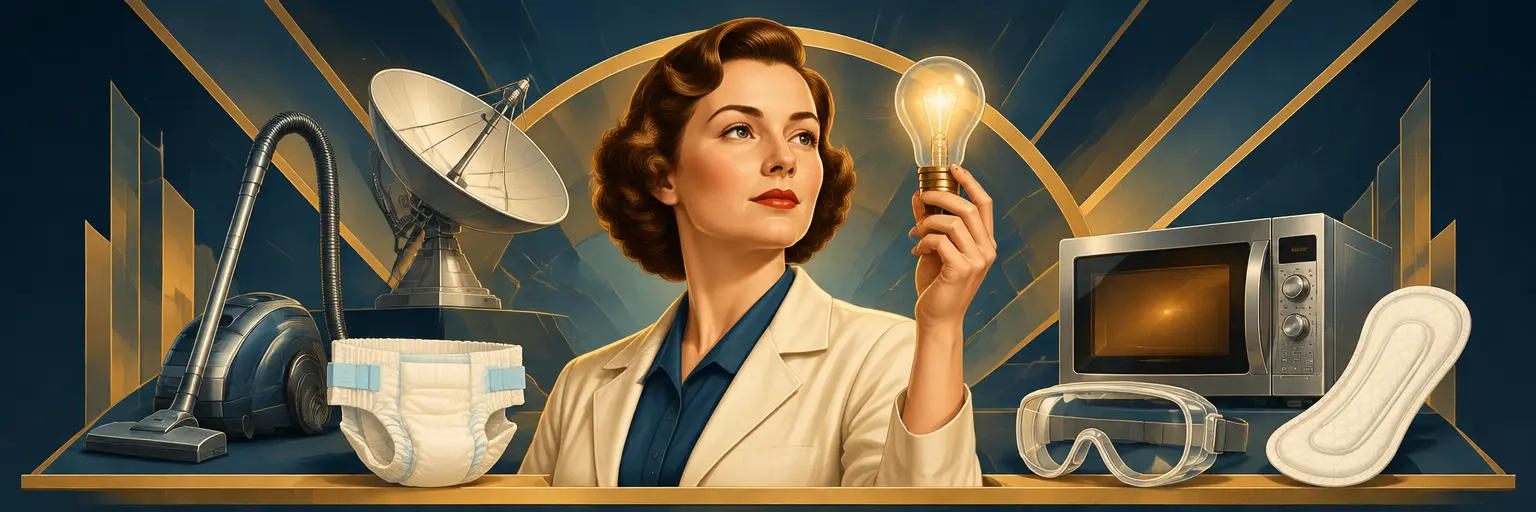
When we think of revolutionary engineering, we often picture towering bridges or complex machinery—but some of the most impactful inventions shape our everyday routines. The subcategory Women’s Inventions – Daily Life within Engineering & Technology uncovers how female innovators transformed mundane tasks into efficient, safe, and enjoyable experiences. From the dishwasher to the modern syringe, these women solved problems that affected millions, yet their names rarely appear in textbooks. This page dives deep into their stories, offering a fresh perspective on household technology, personal care, and public health innovations. Explore how these creators blended ingenuity with empathy, forever changing the rhythm of daily existence.
🔧 Kitchen & Home Appliances: The Invisible Labor-Savers
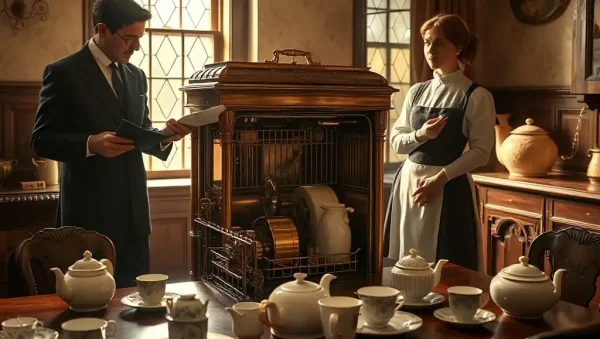
The kitchen is a battlefield of convenience, and women were its chief engineers. Josephine Cochrane invented the first commercially successful dishwasher in 1886, frustrated that her fine china chipped during handwashing. Her design used water pressure rather than scrubbers—a principle still used today. Similarly, Marion Donovan, a mother tired of leaky cloth diapers, created the disposable diaper from a shower curtain in 1946, later adding plastic snaps to replace safety pins. These inventions were not just gadgets; they restructured domestic time, freeing women for careers and education.
Beyond dishwashers and diapers, consider Mary Beatrice Davidson Kenner, who patented an adjustable sanitary belt in 1956, improving menstrual hygiene for millions. Her work, though delayed by racial discrimination, paved the way for modern feminine care products. The subcategory reveals how household engineering was often driven by firsthand frustration—women identified pain points and solved them with mechanical creativity, long before “smart homes” existed. These stories highlight the intersection of material science, ergonomics, and consumer psychology, proving that daily life is a rich engineering domain.
💉 Health & Personal Care: Saving Lives One Idea at a Time
Daily health routines owe much to female inventors. Letitia Mumford Geer patented a one-handed syringe in 1899, enabling self-administration of medicine—a breakthrough for patients with limited mobility. Earlier, in 1845, Sarah Mather invented the submarine telescope, but her less-known contribution was a device for examining the ear, aiding auditory health. In the 20th century, Dr. Patricia Bath, an ophthalmologist, invented the Laserphaco Probe in 1986, using laser technology to remove cataracts painlessly, restoring sight for thousands. These innovations bridged mechanical engineering with medical practice, often born from clinical observation.
Personal care also saw radical improvements. In 1917, Mary Phelps Jacob patented the first modern brassiere from two silk handkerchiefs and ribbon—a response to uncomfortable corsets. Later, Hedy Lamarr, famous actress, co-invented frequency-hopping spread spectrum technology (1942), which underpins Wi-Fi and Bluetooth, indirectly powering telemedicine and wearable health trackers. This subcategory demonstrates that women’s daily-life inventions are not niche—they are foundational to preventive medicine, diagnostics, and self-care, making them essential reading for engineers and historians alike.
🍽️ Food Preservation & Safety: Innovations that Fed Generations
Food storage technology transformed global nutrition, with women at the helm. In 1919, Olive Ann Beech (of Beechcraft) wasn’t the only female innovator—consider Catherine “Kitty” O’Brien, who patented a method for freezing fresh bread dough in 1930, facilitating home baking. More critically, in 1879, Mary Engle Pennington, a chemist, developed refrigerated railcar designs to keep milk and produce fresh during transport, reducing spoilage and foodborne illness. Her work laid the groundwork for modern cold-chain logistics, vital for global food security.
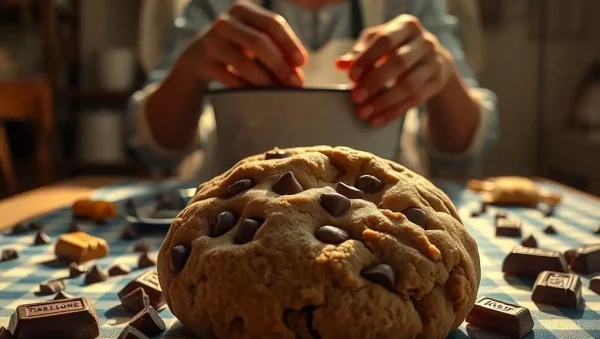
Additionally, the humble brown paper bag, invented by Margaret Knight in 1870, wasn’t just for groceries—it enabled hygienic packaging. Knight’s flat-bottomed bag machine was a mechanical marvel that automated production, reducing waste and labor. Later, in 1953, Ruth Wakefield’s accidental creation of the chocolate chip cookie at Toll House Inn became an invention of convenience, but more importantly, she pioneered recipe standardization for home cooks. This subcategory explores how food-related patents by women improved shelf life, portability, and safety, feeding families while advancing industrial packaging engineering.
🧼 Cleaning & Sanitation: The Unsung Heroes of Public Health
Sanitation engineering is a cornerstone of modern living, and women contributed disproportionately. In 1888, Helen Augusta Blanchard patented a zigzag sewing machine, but her later work on elastic thread for garments improved hygiene by enabling better-fitting undergarments. More directly, in 1909, Mary Anderson patented the windshield wiper, but her initial idea was for streetcars—it was later adapted for automobiles, reducing accidents and improving driver visibility. Meanwhile, in 1950, Dr. Frances Kelsey, though not an inventor, blocked approval of thalidomide, saving thousands of infants from birth defects—a regulatory invention in itself.
The cleaning supplies sector saw Florence Melton, who, in 1985, invented the disposable toilet brush system with a cleaning agent capsule—revolutionizing bathroom hygiene. Earlier, in 1866, Rebecca Deming invented a device to clean stovepipes, but her broad patent portfolio included 72 inventions, many focused on household sanitation. These women understood that cleanliness isn’t trivial—it’s preventive medicine. Their inventions reduced exposure to pathogens, allergens, and chemical hazards, making them heroes of public health engineering, often overlooked in glory-centric histories.
🌐 Communication & Social Connectivity: Threading Daily Interactions
Daily life today is digital, but women engineered early communication tools that shaped it. In 1885, Mary Walton invented a method for reducing noise pollution from elevated railways, which indirectly improved social spaces. More directly, in 1914, Hannah B. Hart patented a device for transmitting sound underwater, aiding naval rescue—a precursor to sonar. For social connectivity, in 1994, Dr. Shirley Ann Jackson, a physicist, enabled the development of caller ID and call waiting through her research at Bell Labs, though she is often called “the mother of fiber optics.”
On a personal level, Marie Van Brittan Brown patented the first home security system in 1966, featuring a camera, monitor, and two-way microphone, allowing residents to screen visitors—an invention that birthed modern intercoms and CCTV. Her patent aimed to address safety in her neighborhood, illustrating how daily-life inventions emerge from community needs. This subcategory traces how women transformed communication from physical letters to instantaneous digital exchanges, embedding themselves in the technological fabric of everyday life, from smartphones to social media platforms.
Frequently Asked Questions
What is the most famous daily-life invention by a woman?
The dishwasher, patented by Josephine Cochrane in 1886, is arguably the most iconic. She designed it with water pressure jets to clean dishes without scrubbing, and it became the basis for modern automatic dishwashers. Her motivation was personal—she didn’t have heirlooms to spare—but her engineering solved a universal household problem.
Were these inventions recognized during their time?
Very few received immediate recognition. Many patents were attributed to husbands or male colleagues due to legal restrictions and societal bias. For instance, Marie Van Brittan Brown’s security system was only acknowledged decades later. Modern historians can verify patents, but the women’s names were often omitted from public discourse.
How did women finance their invention efforts?
Most used personal savings or family support, as banks rarely lent to unmarried women. Josephine Cochrane used her inheritance; Mary Anderson paid for her windshield wiper patent independently. Some sold rights to companies for minimal sums, losing long-term royalties, which limited their financial success.
What challenges did women inventors face in patenting?
Until the mid-19th century, many US states restricted married women’s property rights, so patents required a husband’s signature. Even later, examiners often dismissed their ideas as “domestic trifles.” Mary Beatrice Davidson Kenner faced racial and gender discrimination, securing patents but failing to commercialize them due to lack of business support.
Can I see these inventions in modern form?
Yes—most evolved into products you use today. Disposable diapers, windshield wipers, home security systems, and laser cataract surgery all trace back to female inventors. You can view replicas at the Smithsonian Institution and the National Museum of American History, or explore patent records online via the USPTO database for technical drawings.