
Preserving the Harvest: Amanda Theodosia Jones and the Vacuum Canning Method

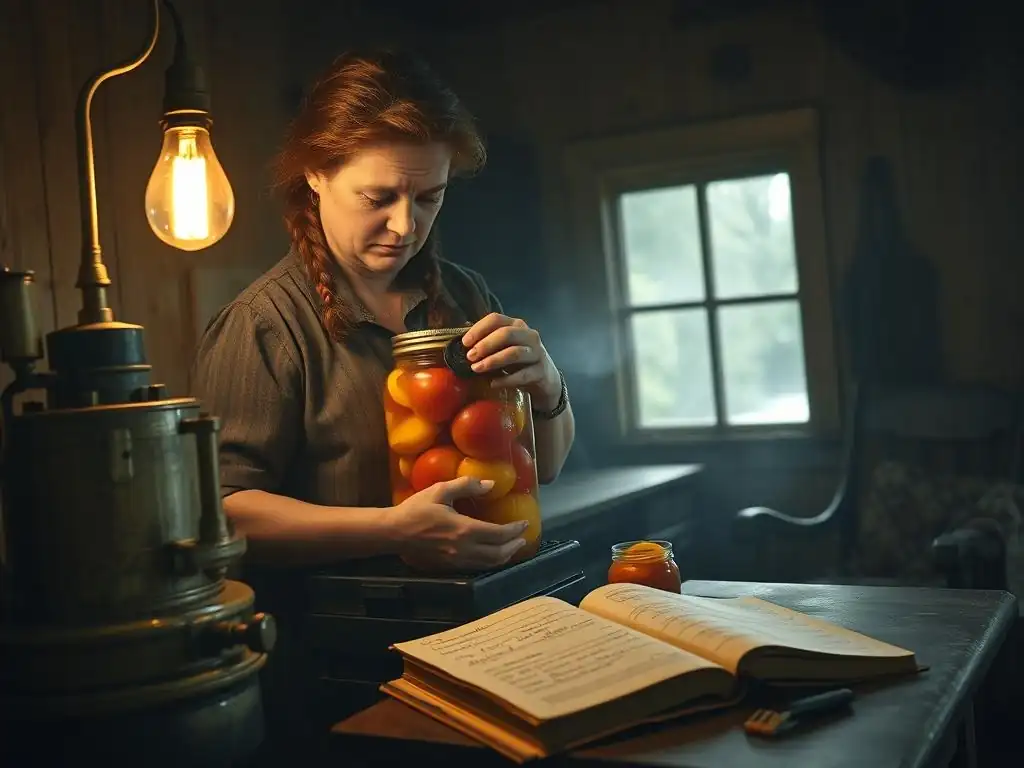
Welcome to WomenInScienceHistory.com, where we unearth the remarkable stories of women who shaped the scientific world. From groundbreaking discoveries to unwavering perseverance, their contributions deserve to be celebrated. Ever wondered how food preservation evolved? Dive in and discover the fascinating tale of Amanda Theodosia Jones and her innovative vacuum canning method, a testament to her ingenuity in Engineering & Technology. Prepare to be inspired!
- Introduction: Amanda Theodosia Jones - A Pioneer in Food Preservation
- The Problem of Food Spoilage Before Vacuum Canning
- Amanda Jones's Solution: The Vacuum Canning Method
- Developing and Patenting the Vacuum Canning Process
- The Impact of Amanda Jones's Vacuum Canning Innovation
- The American Woman's Canning and Preserving Company: A Success Story
- The Science Behind the Success: Why Vacuum Canning Worked
- Amanda Jones: Beyond Vacuum Canning - A Life of Innovation
- The Lasting Legacy of Amanda Theodosia Jones
- Conclusion: Celebrating Amanda Jones's Contributions to Food Science and Women's History
-
Frequently Asked Questions
- What was Amanda Theodosia Jones known for?
- Why was vacuum canning considered an important innovation?
- What challenges did Amanda Jones face as a female inventor in the 19th century?
- Did Amanda Jones only focus on vacuum canning?
- How does "WomenInScienceHistory.com" contribute to understanding Amanda Jones' legacy?
- Final Reflection: A Legacy of Innovation and Preservation
- Unleash Your Inner Pioneer: Embrace Home Canning Today!
Introduction: Amanda Theodosia Jones - A Pioneer in Food Preservation
Unveiling the Story of Amanda Jones: Inventor and Entrepreneur
Amanda Theodosia Jones, born in 1835 in East Bloomfield, New York, was a visionary inventor whose contributions significantly impacted daily life, particularly in the realm of food preservation. Despite facing societal norms that often relegated women to domestic roles, Jones pursued a profound interest in mechanical and scientific innovation from an early age. Her intellectual curiosity, coupled with a keen observational eye, set the stage for her groundbreaking work in an era ripe for technological advancement. Jones's journey from a poet and spiritualist to a formidable entrepreneur and inventor highlights a remarkable blend of creativity and practical ingenuity.
Her entrepreneurial spirit truly blossomed with the development of her vacuum canning method. This invention was not merely a theoretical concept but a tangible solution to a pervasive problem, leading her to establish and manage a manufacturing enterprise. Jones’s ability to navigate the complex worlds of invention, patenting, and business, particularly as a woman in the late 19th century, marks her as a trailblazer. Her commitment to solving real-world challenges, culminating in her patented vacuum canning process, solidified her legacy as a pioneer in food technology and a testament to women’s capabilities in science and industry.
The Significance of Vacuum Canning in the Late 19th Century
The late 19th century was a period of rapid industrialization and urbanization in the United States, which brought with it new challenges, particularly concerning food supply and safety. As populations shifted from rural farms to densely packed cities, the demand for non-perishable, transportable food became paramount. Existing preservation methods, such as salting, smoking, and traditional boiling-water baths, often compromised the nutritional value, flavor, or safety of food over extended periods. Foodborne illnesses were a common and serious threat, and spoilage led to substantial economic losses for both producers and consumers.
In this context, Amanda Jones's vacuum canning method emerged as a revolutionary solution. By creating a partial vacuum within the canning jar, her process drastically inhibited the growth of spoilage microorganisms, extending shelf life significantly.
This innovation meant that fresh produce could be preserved at its peak ripeness, making nutritious food available year-round and reducing waste. The widespread adoption of the Amanda Jones vacuum canning technique had far-reaching implications, improving public health by reducing instances of food poisoning and enabling the burgeoning food industry to distribute goods more widely and efficiently, thereby fostering economic growth and greater food security for a growing nation.
The Problem of Food Spoilage Before Vacuum Canning
Challenges in Preserving Food Before Modern Techniques
Before the widespread adoption of advanced preservation methods like the Amanda Jones vacuum canning process, communities faced immense challenges in preventing food spoilage. Traditional techniques, including drying, salting, smoking, and pickling, had been used for centuries but possessed inherent limitations. Drying, for instance, could alter the texture and flavor of foods significantly and was susceptible to rehydration and mold if not stored perfectly.
Salting and smoking, while effective against many bacteria, often imparted strong, undesirable flavors and could lead to high sodium content in the diet. Moreover, these methods were not universally applicable to all types of produce or meats, leaving many perishable items highly vulnerable to rapid decay, especially in warmer climates or during extended transit.
The lack of reliable preservation methods meant that a significant portion of harvested food was lost to spoilage before it could be consumed or transported to markets. Farmers often faced substantial economic losses due to perishable crops, and urban populations suffered from seasonal scarcity and higher prices for fresh produce, which was often only available locally and for short periods. This scarcity contributed to nutritional deficiencies and food insecurity, particularly for lower-income families.
The threat of foodborne illnesses from improperly preserved items was constant, with bacterial contamination leading to widespread sickness and even death. These pervasive issues highlighted an urgent societal need for more effective, versatile, and safe food preservation technologies.
The Need for Effective Food Preservation Methods
The burgeoning industrial era of the late 19th century exacerbated the need for more effective food preservation. As cities grew, they became increasingly reliant on food supplies from distant agricultural areas, making efficient storage and transportation critical. Without robust preservation techniques, food supply chains were fragile, vulnerable to spoilage during long journeys from farm to urban markets.
This inefficiency directly impacted the availability and affordability of food, creating significant disparities in access to fresh, nutritious provisions between rural and urban populations. The reliance on seasonal harvests meant that diets were often monotonous for much of the year, lacking essential vitamins and minerals found in fresh produce.
Furthermore, public health concerns were escalating. While Louis Pasteur's work on pasteurization in the mid-19th century had shed light on microbial spoilage, widespread understanding and application of sterile food handling were still developing. Contaminated food was a leading cause of illness, including often fatal conditions like botulism, which was poorly understood at the time.
The economic impact of spoilage was also staggering; it was estimated that a substantial percentage of harvested crops and slaughtered livestock never reached the consumer due to deterioration. This widespread waste represented a critical challenge to economic development and public welfare, underscoring the pressing demand for innovative solutions like the Amanda Jones vacuum canning method to ensure food safety, extend shelf life, and support a growing, urbanizing society.
Amanda Jones's Solution: The Vacuum Canning Method
The Inspiration Behind Jones's Vacuum Canning Invention
Amanda Theodosia Jones's inspiration for her groundbreaking vacuum canning invention stemmed from a deep understanding of the limitations of existing food preservation techniques and a keen scientific curiosity. Unlike many inventors who focused solely on mechanical improvements, Jones's approach was rooted in understanding the underlying biological processes of spoilage.
She observed that traditional canning methods, which relied on boiling and then sealing, often failed to completely remove air from the jars, leaving residual oxygen that could still promote microbial growth and chemical degradation over time. This incomplete air removal led to a significant percentage of spoilage, even in "successfully" canned goods.
Her prior experiences, including her involvement with spiritualism and an interest in atmospheric pressure (she had also patented an improved oil burner that used atmospheric pressure), likely influenced her thinking. She recognized that atmospheric oxygen was the primary culprit in food spoilage. The realization that removing this oxygen could dramatically extend shelf life became the core of her invention.
This insight, combined with her practical ingenuity, led her to devise a system where food could be heated in an airtight chamber, creating a vacuum as the air was expelled by the steam, and then sealed while still hot. This innovative leap directly addressed the fundamental problem of oxygen-driven spoilage, making the Amanda Jones vacuum canning process a truly revolutionary step in food preservation.
Understanding the Science Behind Vacuum Canning: How it Works
The scientific principle behind Amanda Jones's vacuum canning method is elegantly simple yet profoundly effective: the removal of oxygen inhibits the growth of most spoilage-causing microorganisms and slows down chemical degradation processes. When food is sealed in an environment with little to no oxygen, the aerobic bacteria, molds, and yeasts that typically cause decay cannot thrive. Jones's method achieved this by placing food in jars within a sealed chamber, which was then heated.
As the temperature inside the chamber rose, the air within the jars expanded and was forced out. Crucially, as the chamber and its contents cooled, a partial vacuum was created inside the jars as the remaining gases contracted, pulling the lid tightly into place and forming an airtight seal.
This vacuum environment serves multiple critical functions. Firstly, by depriving aerobic microorganisms of the oxygen they need to multiply, their growth is severely curtailed, thus preventing fermentation, mold formation, and putrefaction. Secondly, the absence of oxygen significantly reduces the rate of oxidative reactions that can cause food to lose flavor, color, and nutritional value. For instance, vitamin C, a common nutrient in many fruits and vegetables, is highly susceptible to oxidation.
The Amanda Jones vacuum canning method helped preserve such delicate nutrients. The method also leveraged heat to destroy existing microorganisms and enzymes, further enhancing shelf life. The combined effect of heat sterilization and oxygen deprivation created a far more stable and safer preserved food product than previously available methods.
Key Features of Jones's Vacuum Canning Process
The Amanda Jones vacuum canning process distinguished itself from conventional methods through several innovative features designed to achieve superior preservation. Central to her invention was the use of a sealed chamber or retort where the canning jars were placed. Unlike open-kettle canning, which exposed jars to ambient air during sealing, Jones's system created a controlled environment.
Within this chamber, steam was used to heat the jars, which not only sterilized the contents but also played a crucial role in expelling air. As the steam filled the chamber and heated the jars, the air inside the jars expanded and was driven out through a specially designed venting system or through the loosely fitted lids.
Another key feature was the reliance on the cooling process to create the vacuum seal. Once the heating phase was complete, the entire chamber, or the individual jars within it, were allowed to cool. As the hot air and steam inside the jars cooled, they contracted, creating a powerful partial vacuum that pulled the lids down firmly onto the jar rims, forming a tight, permanent seal.
This method ensured a more complete and consistent vacuum than simply inverting hot jars or using spring-loaded clamps. Furthermore, Jones's system often incorporated specific jar designs or sealing mechanisms that facilitated this vacuum formation and maintained the integrity of the seal over long periods. The combination of heat sterilization and effective vacuum creation made the Amanda Jones vacuum canning method remarkably effective in preventing spoilage and maintaining food quality.
Developing and Patenting the Vacuum Canning Process

Jones's Early Experiments and Innovations in Canning Technology
Amanda Theodosia Jones's journey to perfecting her vacuum canning method was marked by extensive experimentation and iterative innovation. Her initial investigations likely involved observing the common failures of existing canning techniques, such as jars spoiling due to incomplete seals or residual air. She would have experimented with various methods of heat application and sealing mechanisms, seeking a reliable way to create a true vacuum within the food containers. These early trials were probably conducted with common household foods, allowing her to observe the effects of her modifications on shelf life, flavor, and texture.
Her approach was systematic, focusing on understanding the interplay between heat, air, and microbial activity. She recognized that simply heating food to high temperatures was not enough if oxygen remained to support spoilage organisms. Therefore, her innovations centered on devising a process that simultaneously sterilized the food and efficiently removed atmospheric oxygen.
This involved exploring different chamber designs, pressure variations during heating and cooling, and novel sealing techniques for jars. Each experiment likely brought her closer to the optimal balance of temperature, time, and vacuum creation, culminating in a robust and repeatable process. The dedication to these early innovations laid the essential groundwork for the patented Amanda Jones vacuum canning system that would later revolutionize food preservation.
Securing the Patent: Protecting Jones's Vacuum Canning Invention
To protect her revolutionary work and ensure her method could be commercialized, Amanda Theodosia Jones meticulously pursued patent protection for her vacuum canning invention. On September 24, 1878, she was granted U.S. Patent No. 208,361 for her "Process of and Apparatus for Preserving Food." This patent was a critical milestone, legally acknowledging her original contribution to the field of food technology. The detailed patent specification outlined her innovative process, which involved heating food in a sealed chamber to expel air and then creating a vacuum upon cooling, thereby preventing decay.
Securing this patent was a significant achievement for Jones, particularly as a woman inventor in the late 19th century. The patent system, while theoretically open to all, often presented additional barriers for women, who might have faced skepticism or lack of access to legal and financial resources.
Jones's success in obtaining this patent not only safeguarded her intellectual property but also provided the necessary foundation for her entrepreneurial ventures. It allowed her to establish her own business, confident that her unique Amanda Jones vacuum canning method was legally recognized and protected from immediate replication, setting the stage for her commercial success and widespread impact.
The American Woman's Canning and Preserving Company: A Woman-Owned Enterprise
Following the success of her patent, Amanda Theodosia Jones took the bold step of establishing her own manufacturing firm, the American Woman's Canning and Preserving Company, in 1890. This venture was extraordinary for its time, as it was not only founded by a woman but was also entirely managed and operated by women.
Jones's vision extended beyond just inventing; she aimed to create economic opportunities for other women, challenging the prevalent gender norms that often limited women's roles in the industrial sector. The company's operations were based in Chicago, a burgeoning industrial hub, which provided access to markets and resources.
The company's mission was to produce and distribute high-quality preserved foods using Jones's patented vacuum canning method. This emphasis on quality and safety, enabled by the innovative Amanda Jones vacuum canning process, quickly earned the company a reputation for reliable products.
The American Woman's Canning and Preserving Company employed women in various capacities, from production and quality control to sales and administration, offering them a degree of financial independence and professional experience that was rare for the era. This pioneering enterprise not only demonstrated the commercial viability of Jones's invention but also served as a powerful example of successful woman-led business, leaving a significant mark on both the food industry and women's economic history.
The Impact of Amanda Jones's Vacuum Canning Innovation
Revolutionizing Food Preservation for Homes and Industries
Amanda Theodosia Jones's vacuum canning innovation brought about a profound revolution in food preservation, impacting both domestic practices and industrial-scale operations. For individual households, her method offered a more reliable and safer way to preserve seasonal produce, allowing families to enjoy a wider variety of foods year-round.
Unlike earlier, less effective methods, the Amanda Jones vacuum canning process significantly reduced spoilage rates, leading to less waste and greater food security at the household level. This meant that fresh fruits and vegetables, once limited to specific seasons, could be stored for months, improving nutritional intake and dietary diversity, particularly in urban areas far from farms.
On an industrial scale, Jones's method provided a robust framework for large-scale food processing. The ability to create a consistent and effective vacuum seal meant that commercial canneries could produce shelf-stable products with greater confidence in their quality and safety. This reliability was crucial for the burgeoning food industry, enabling the mass production and distribution of canned goods across vast distances.
Companies could now transport perishable items like fruits, vegetables, and even meats without fear of rapid spoilage, opening up new markets and supply chains. The widespread adoption of principles similar to the Amanda Jones vacuum canning technique fueled the growth of the modern food industry, transforming the way food was produced, distributed, and consumed globally.
Improved Food Safety and Reduced Waste Through Vacuum Canning
One of the most critical impacts of Amanda Theodosia Jones's vacuum canning method was the dramatic improvement in food safety and a significant reduction in food waste. Before her innovation, foodborne illnesses were a pervasive public health concern, often stemming from improperly preserved or contaminated food. By effectively removing oxygen and, when combined with proper heat treatment, inhibiting the growth of most spoilage microorganisms, the Amanda Jones vacuum canning process substantially lowered the risk of bacterial contamination. This meant fewer cases of food poisoning and a general improvement in public health outcomes related to diet.
Furthermore, the reduction in food spoilage had substantial economic and environmental benefits. Historically, a considerable portion of harvested crops and processed foods would spoil before reaching consumers, leading to massive waste. With the enhanced shelf life provided by vacuum canning, this waste was significantly minimized. Farmers could preserve surplus harvests, reducing financial losses, and consumers could store food for longer periods without it deteriorating. This reduction in waste not only made food more accessible and affordable but also contributed to a more sustainable food system, demonstrating the far-reaching positive consequences of Amanda Jones's ingenuity.
Jones's Contribution to the Growth of the Food Industry
Amanda Theodosia Jones's vacuum canning innovation was a pivotal factor in the dramatic growth and modernization of the food industry in the late 19th and early 20th centuries. Her method provided the technological backbone necessary for the mass production and widespread distribution of preserved foods. By ensuring superior product quality and safety, the Amanda Jones vacuum canning technique bolstered consumer confidence in canned goods, leading to increased demand and market expansion. This reliability allowed food manufacturers to scale their operations, moving from small, local enterprises to large-scale national and international distributors.
Her work facilitated the diversification of the food industry beyond basic staples. With reliable preservation, a wider array of fruits, vegetables, and even specialty items could be canned and transported, creating new product categories and consumer markets.
Moreover, by demonstrating the viability of her process through the American Woman's Canning and Preserving Company, Jones provided a tangible model for commercial success in food preservation. Her pioneering efforts in vacuum canning not only solved a critical technical problem but also laid fundamental groundwork for the standardized, efficient, and safe food processing practices that characterize the modern food industry, making her a foundational figure in its development.
The American Woman's Canning and Preserving Company: A Success Story
Overcoming Challenges in a Male-Dominated Industry
Establishing and operating the American Woman's Canning and Preserving Company presented Amanda Theodosia Jones with formidable challenges, primarily stemming from the pervasive gender biases of the late 19th century. Business and manufacturing were overwhelmingly male-dominated domains, with women often excluded from leadership roles, access to capital, and professional networks. Jones likely faced skepticism from investors, suppliers, and even potential customers who questioned the competence of a woman-led enterprise. Securing funding, negotiating contracts, and managing industrial operations required immense resilience and strategic acumen in an environment that often sought to marginalize women.
Despite these hurdles, Jones demonstrated exceptional leadership and business prowess. She successfully navigated the complex legal landscape to protect her patents and built a viable commercial entity. Her company's success was a testament to the efficacy of her Amanda Jones vacuum canning method and her unwavering determination.
By proving that a woman-owned and operated business could not only survive but thrive in a competitive industrial sector, Jones directly challenged prevailing stereotypes. Her company's accomplishments served as a powerful counter-narrative to the idea that women were incapable of significant contributions in the fields of engineering, technology, and entrepreneurship, paving the way for future generations of female business leaders.
The Business Model and Operations of the Canning Company
The American Woman's Canning and Preserving Company operated on a business model focused on producing high-quality, safely preserved foods using Amanda Theodosia Jones's patented vacuum canning method. Located in Chicago, a strategic hub for distribution, the company sourced fresh produce and processed it in its facilities. The core of their operation was the application of Jones's unique canning technology, which ensured superior preservation compared to competitors. This emphasis on a scientifically sound process allowed them to offer products with extended shelf life and better retention of flavor and nutritional value.
The company's operations were notable for their innovative approach to labor. As a woman-owned enterprise, it intentionally employed and empowered women in various roles across the production line, management, and sales. This provided meaningful employment opportunities for women at a time when such roles were scarce.
Products ranged from fruits and vegetables to possibly more complex prepared foods, all benefiting from the reliable Amanda Jones vacuum canning process. The company focused on quality control, ensuring that each batch met stringent standards. Their success was built not only on the technological superiority of their method but also on a commitment to efficient operations and a pioneering ethos of female empowerment within the industrial sphere.
The Legacy of a Woman-Owned and Operated Business
The American Woman's Canning and Preserving Company left an indelible legacy far beyond its commercial lifespan. As one of the earliest and most prominent examples of a successful woman-owned and operated manufacturing business in the United States, it served as a powerful model of female entrepreneurship and capability in a male-dominated economy. Amanda Theodosia Jones's leadership demonstrated that women possessed the intelligence, ingenuity, and business acumen to innovate, manage, and succeed in industrial ventures. The company provided tangible proof that women could not only invent groundbreaking technologies but also effectively commercialize them.
This pioneering enterprise directly inspired other women to pursue careers in science, technology, and business, challenging the restrictive societal norms of the era. The company's very existence, built upon the foundation of the Amanda Jones vacuum canning method, shattered misconceptions about women's roles and abilities.
It highlighted the potential for women to contribute significantly to economic development and technological advancement. The legacy of the American Woman's Canning and Preserving Company endures as a beacon of empowerment, symbolizing the resilience and innovation of women who dared to break barriers and create their own pathways to success, leaving a lasting impact on both industry and the advancement of women's rights.
The Science Behind the Success: Why Vacuum Canning Worked
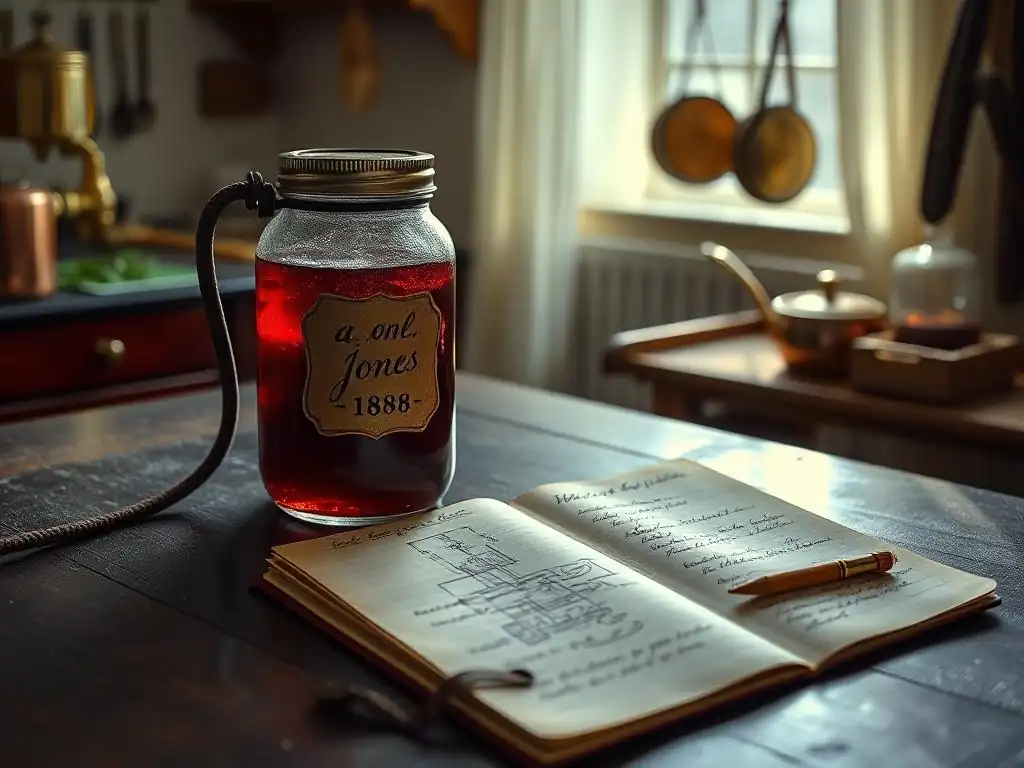
Preventing Spoilage: Understanding the Role of Vacuum Sealing
The fundamental success of Amanda Theodosia Jones's vacuum canning method lies in its effective manipulation of atmospheric conditions to prevent food spoilage. Most spoilage-causing microorganisms, including many bacteria, molds, and yeasts, are aerobic, meaning they require oxygen to grow and multiply. By creating a partial vacuum inside the canning jar, Jones's process drastically reduced the available oxygen. This oxygen-deprived environment starves these aerobic microbes, effectively halting or severely inhibiting their growth. Without the necessary oxygen, these organisms cannot perform their metabolic processes, thus preventing the decomposition, fermentation, and mold formation that lead to food spoilage.
Beyond microbial inhibition, the vacuum also plays a crucial role in preventing oxidative degradation. Oxygen can react with various components in food, leading to undesirable changes in color, flavor, and nutritional content. For example, exposure to air can cause fruits to brown or fats to become rancid.
The anoxic conditions created by the Amanda Jones vacuum canning process minimize these chemical reactions, helping to preserve the food's original quality, taste, and nutritional value over extended periods. This dual action against both biological and chemical spoilage mechanisms made her method significantly more effective than previous canning techniques that often left residual air within the sealed containers.
The Importance of Heat Treatment in Vacuum Canning
While the vacuum created by Amanda Theodosia Jones's method was crucial for preventing spoilage, it was the synergistic combination with proper heat treatment that ensured comprehensive food safety and longevity. Heat treatment, or thermal processing, is essential for destroying existing microorganisms and inactivating enzymes that can cause food degradation.
When food is heated to specific temperatures for a sufficient duration, it kills most bacteria, yeasts, and molds present in the food, as well as their spores. This sterilization step is critical because even if a perfect vacuum is achieved, any surviving microbes can eventually cause spoilage once conditions become favorable.
In the Amanda Jones vacuum canning process, the heating of the food in the sealed chamber served this vital sterilization purpose. The high temperatures ensured that the food was pasteurized or sterilized, depending on the duration and temperature, thereby eliminating the initial microbial load. This pre-treatment significantly reduced the number of viable organisms, making the subsequent oxygen removal even more effective in preventing future growth.
Without adequate heat treatment, the vacuum alone would not be sufficient to render food safe for long-term storage, highlighting the sophisticated understanding Jones applied to the dual requirements of her preservation technique. The combination of thermal processing and oxygen deprivation was the scientific bedrock of her invention's success.
Clostridium botulinum and Anaerobic Conditions in Canning
While Amanda Theodosia Jones's vacuum canning method excelled at removing oxygen to inhibit aerobic spoilage organisms, the science of canning also had to contend with anaerobic bacteria, particularly Clostridium botulinum. This bacterium is notoriously dangerous because it thrives in oxygen-free environments and produces a potent neurotoxin that causes botulism, a severe and often fatal foodborne illness. Unlike aerobic bacteria, Clostridium botulinum is not inhibited by the vacuum itself; in fact, the anaerobic conditions created by vacuum sealing can potentially favor its growth if its spores are present and not destroyed by sufficient heat.
Therefore, for complete safety, especially with low-acid foods (like most vegetables, meats, and seafood), the heat treatment applied during the Amanda Jones vacuum canning process needed to be robust enough to destroy Clostridium botulinum spores. These spores are highly heat-resistant and require temperatures above boiling point (typically achieved in pressure canners) to be reliably eliminated.
While Jones's initial methods were a vast improvement, the full understanding of Clostridium botulinum's heat resistance evolved over time. Her method laid the groundwork, but the subsequent development of pressure canning built upon her principles to specifically address the unique challenge posed by this dangerous anaerobic bacterium, ensuring even greater safety in commercial and home canning practices.
Amanda Jones: Beyond Vacuum Canning - A Life of Innovation
Other Inventions and Contributions by Amanda Theodosia Jones
Amanda Theodosia Jones's inventive spirit extended far beyond her groundbreaking vacuum canning method, encompassing a diverse range of fields. Her earliest patented invention, granted in 1872, was for an improved oil burner designed to be more efficient and safer, demonstrating her early interest in combustion and mechanical efficiency. This invention showcased her ability to identify practical problems and devise innovative solutions, a trait that would define her career. She also held patents for systems related to the use of crude oil as fuel, further illustrating her engagement with the energy technologies of her era.
Beyond her mechanical and food preservation inventions, Jones also explored unique applications of atmospheric pressure and vacuum. She was fascinated by the potential of vacuum for other purposes, contributing to the broader understanding of its industrial applications.
Her intellectual curiosity was boundless, leading her to dabble in areas that might seem disparate but shared a common thread of scientific inquiry and problem-solving. These varied contributions underscore Amanda Theodosia Jones's multifaceted genius, positioning her not just as the inventor of the celebrated Amanda Jones vacuum canning process but as a remarkable polymath who significantly impacted various aspects of 19th-century technology and daily life.
Jones's Advocacy for Women in Science and Business
Amanda Theodosia Jones was not only a prolific inventor and entrepreneur but also a quiet yet powerful advocate for women's roles in science, technology, and business. Her most significant act of advocacy was the very establishment of the American Woman's Canning and Preserving Company, a groundbreaking enterprise that was entirely owned and operated by women. By demonstrating the commercial viability and operational excellence of such a venture, she provided a tangible model for female leadership and economic independence in a male-dominated industrial landscape. This company was a living testament to her belief in women's capabilities beyond traditional domestic spheres.
Jones actively sought to employ women in various capacities within her company, from factory floor to management, providing them with opportunities for skill development and financial autonomy that were scarce for women at the time. While she may not have been a vocal public speaker on women's rights, her actions spoke volumes.
She proved through her own achievements and the success of her company that women were fully capable of intellectual rigor, scientific innovation, and astute business management. Her pioneering work in the Amanda Jones vacuum canning method and its commercialization served as an inspiring example, quietly but powerfully advocating for greater inclusion and recognition of women in fields where they had historically been overlooked.
The Lasting Legacy of Amanda Theodosia Jones
Remembering Amanda Jones: A Role Model for Women in STEM
Amanda Theodosia Jones stands as an enduring role model for women in STEM (Science, Technology, Engineering, and Mathematics). Her life story is a testament to perseverance, intellectual curiosity, and entrepreneurial spirit in an era that presented significant barriers for women aspiring to careers in these fields. Despite societal expectations and limited access to formal scientific training, Jones pursued her passions with unwavering dedication, leading to tangible innovations that improved daily life for countless individuals. Her pioneering work, particularly the Amanda Jones vacuum canning method, exemplifies how scientific insight can translate into practical, impactful solutions.
By inventing, patenting, and then commercializing her own technology through a woman-owned company, Jones shattered stereotypes about women's capabilities in innovation and business. She demonstrated that intellectual prowess and leadership were not exclusive to one gender. Her legacy inspires young women today to pursue their interests in science and engineering, reminding them that their contributions are invaluable and that historical precedents exist for female leadership in these areas. Remembering Amanda Jones means celebrating her specific achievements in food preservation and acknowledging her broader impact as a trailblazer who paved the way for future generations of women in STEM.
The Enduring Relevance of Vacuum Canning Principles
The fundamental principles underlying Amanda Theodosia Jones's vacuum canning method remain profoundly relevant in modern food preservation. Her core insight—that removing oxygen is crucial for extending shelf life and preventing spoilage—is a cornerstone of contemporary food science. While the specific apparatus and techniques have evolved, the concept of creating an anaerobic environment to inhibit microbial growth and oxidative reactions is still widely applied in various forms of food packaging and processing. The basic tenets of the Amanda Jones vacuum canning process continue to inform best practices for home canners and large-scale industrial operations alike.
Even today, home canning often involves processes that create a vacuum seal, relying on the expansion and contraction of air and steam during heating and cooling. Commercially, technologies like vacuum packaging for meats, cheeses, and prepared meals directly derive from the principles Jones pioneered. The enduring relevance of her work underscores her astute understanding of food chemistry and microbiology, long before these fields were fully formalized. Her invention laid the essential groundwork for safe, efficient, and long-term food storage, cementing the Amanda Jones vacuum canning method as a foundational contribution to global food security.
Modified Atmosphere Packaging (MAP) - A Modern Application
A direct modern application of the principles pioneered by Amanda Theodosia Jones's vacuum canning method is Modified Atmosphere Packaging (MAP). While not a vacuum in the strictest sense, MAP relies on precisely controlling the gaseous environment around food to extend its shelf life, directly building upon Jones's insight into the role of gases in spoilage. Instead of simply removing all air to create a vacuum, MAP involves replacing the ambient air inside a package with a specific mixture of gases—typically nitrogen, carbon dioxide, and oxygen—tailored to the specific food product.
For instance, for fresh meats, a high oxygen MAP might be used to maintain a red color, while for baked goods, a high nitrogen/carbon dioxide blend might be used to inhibit mold growth. The principle, however, remains the same: by altering the atmospheric composition, the growth of spoilage microorganisms is inhibited, and oxidative deterioration is slowed.
This sophisticated evolution of atmospheric control in food packaging owes its conceptual roots to early innovations like the Amanda Jones vacuum canning process, which first demonstrated the powerful potential of manipulating the gaseous environment to preserve food, making it a direct technological descendant of her groundbreaking work.
Conclusion: Celebrating Amanda Jones's Contributions to Food Science and Women's History
Acknowledging Jones's Impact on Food Preservation and Women's Entrepreneurship
Amanda Theodosia Jones's legacy is multifaceted, deeply impacting both the scientific field of food preservation and the broader narrative of women's entrepreneurship. Her invention of the vacuum canning method was not merely a technical improvement; it was a paradigm shift that fundamentally altered how food was stored, distributed, and consumed.
By effectively addressing the pervasive problem of spoilage, the Amanda Jones vacuum canning process enhanced food safety, reduced waste, and contributed significantly to the growth of the modern food industry. Her scientific ingenuity provided a reliable means to make nutritious food available year-round, transforming daily life for countless families and bolstering national food security.
Beyond her scientific contributions, Jones's establishment of the American Woman's Canning and Preserving Company stands as a monumental achievement in women's history. As a woman-owned and operated industrial enterprise in the late 19th century, it defied societal expectations and provided tangible proof of women's capabilities in business and manufacturing. This venture not only commercialized her invention but also created vital economic opportunities for other women, serving as an inspiring example of female leadership and self-reliance. Amanda Theodosia Jones's dual impact as a pioneering inventor and a groundbreaking entrepreneur solidifies her position as a pivotal figure worthy of enduring recognition.
Inspiring Future Generations Through the Story of Amanda Jones
The story of Amanda Theodosia Jones serves as a powerful source of inspiration for future generations, particularly for young women interested in STEM fields and entrepreneurship. Her journey from a poet and spiritualist to a renowned inventor and successful businesswoman demonstrates that innovation knows no bounds of background or gender.
Despite the formidable challenges faced by women in the 19th century, Jones's intellectual curiosity, persistence, and practical ingenuity led her to develop a technology, the Amanda Jones vacuum canning method, that had a lasting impact on society. Her ability to identify a widespread problem and engineer an effective solution is a timeless lesson in problem-solving and scientific application.
By highlighting her achievements, particularly her pioneering role in establishing a woman-owned manufacturing company, we can encourage young people to pursue their passions, challenge norms, and believe in their own capacity for innovation. Jones's legacy teaches us that contributions to science and technology come from diverse perspectives and that breaking barriers can lead to profound societal advancements. Her story underscores the importance of recognizing and celebrating the often-overlooked narratives of women in history, ensuring that their impactful contributions, like the revolutionary Amanda Jones vacuum canning process, continue to inspire and empower future leaders and innovators.
Frequently Asked Questions
What was Amanda Theodosia Jones known for?
Amanda Theodosia Jones is primarily known for her invention of the vacuum canning method, a revolutionary technique for preserving food. She secured a patent for her method and equipment in 1873.
Why was vacuum canning considered an important innovation?
Vacuum canning significantly extended the shelf life of food by preventing spoilage. This was especially crucial for reducing food waste and providing access to preserved foods year-round, particularly for soldiers and settlers.
What challenges did Amanda Jones face as a female inventor in the 19th century?
As a woman in a male-dominated field, Jones faced significant societal biases and limited access to resources. Securing funding and gaining recognition for her work were major hurdles she had to overcome.
Did Amanda Jones only focus on vacuum canning?
No, Amanda Jones was also a published author and poet. While her vacuum canning work is her most well-known achievement, she had a diverse range of intellectual pursuits.
How does "WomenInScienceHistory.com" contribute to understanding Amanda Jones' legacy?
The website highlights Amanda Jones' achievements to combat the historical underrepresentation of women in science. It provides a platform to learn about her work and inspire future generations of female scientists.
Final Reflection: A Legacy of Innovation and Preservation
The story of Amanda Theodosia Jones and her vacuum canning method resonates profoundly today, as we grapple with issues of food security, sustainability, and the celebration of overlooked female inventors. Her pioneering spirit, driven by a desire to reduce food waste and improve access to nutritious food, remains incredibly relevant in a world increasingly concerned with environmental impact and efficient resource management. The principles behind her invention, though technologically advanced for its time, speak to a timeless need for ingenuity in the face of practical challenges.
The impact of Amanda Jones' work extends beyond the realm of food preservation; it serves as a powerful reminder of the contributions women have made to science and technology, often without receiving due recognition. Her perseverance in a male-dominated field underscores the importance of fostering inclusivity and celebrating diverse perspectives in innovation. Progress is the activity of today and the assurance of tomorrow.
This quote, though not directly from Jones, perfectly encapsulates her forward-thinking approach and her belief in the power of innovation to shape a better future.
As we reflect on Amanda Jones' legacy, let us be inspired by her dedication to solving real-world problems and her unwavering belief in the power of invention. Consider how you can embrace a similar spirit of innovation in your own life, whether it's through sustainable practices, supporting female entrepreneurs, or simply seeking creative solutions to everyday challenges. Preserve not only the harvest, but also the spirit of ingenuity that drove Amanda Theodosia Jones to leave an enduring mark on the world.
Unleash Your Inner Pioneer: Embrace Home Canning Today!
Thank you for exploring the inspiring story of Amanda Theodosia Jones and her revolutionary vacuum canning method. You've now discovered the ingenuity of a woman who changed food preservation forever. Now, it's your turn to be a part of that legacy!
Here are a few ways to get started:
- Dive deep into the world of home canning! Research the modern techniques and equipment available, and plan your first canning project this season.
- Share Amanda's story with your friends and family. Let's celebrate her contributions to science and culinary history together!
- Consider experimenting with a modern twist on vacuum canning by creating a preserved delicacy like pickled green beans or spiced peaches.
What delicious recipe will you try preserving first to honor Amanda's legacy?