Women in Biomedical Engineering: Pioneers Who Redefined Medicine and Technology
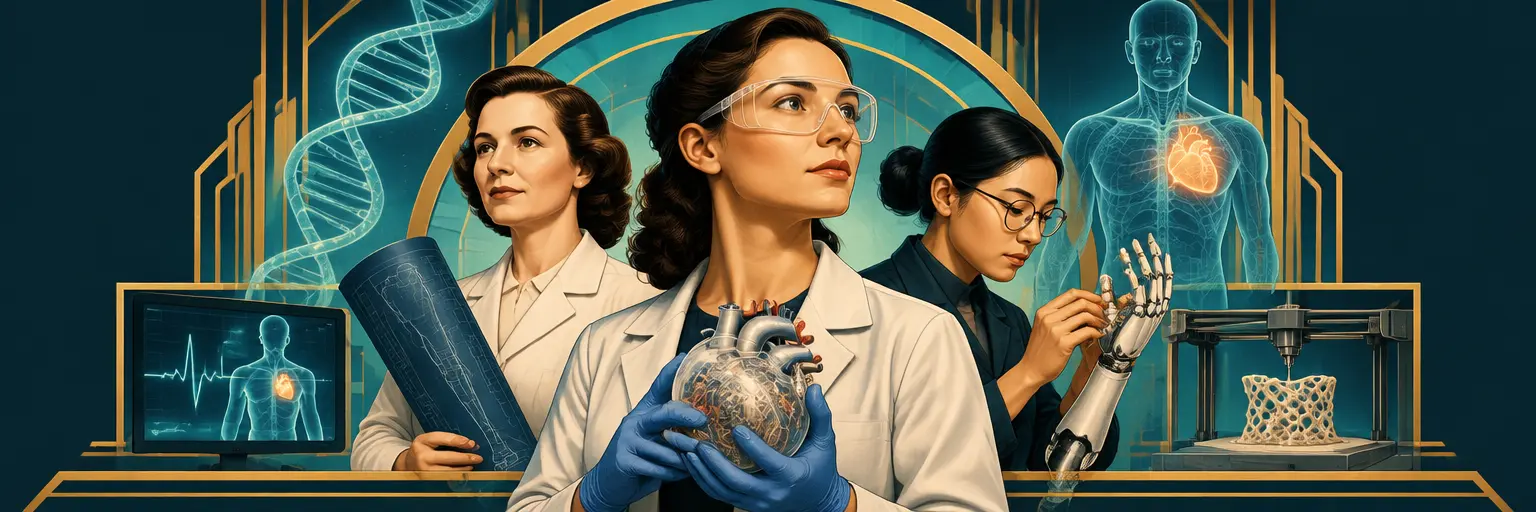
Biomedical engineering sits at the crossroads of medicine, biology, and engineering—and women have been instrumental in shaping its evolution, from early prosthetic devices to cutting-edge neural implants. On WomenInScienceHistory.com, this subcategory dives deep into the lives and legacies of female innovators who overcame systemic barriers to revolutionize healthcare technology. Expect a blend of biographical storytelling, technical context, and historical analysis that highlights how these women’s work directly influences modern diagnostics, rehabilitation, and regenerative medicine. Whether you are a student, researcher, or enthusiast, this section offers a rich, SEO-optimized resource to discover untold contributions and gain inspiration for your own STEM journey.
🔬 Trailblazing Innovators in Prosthetics and Rehabilitation Engineering
Here, you will meet women like Dr. Ayana Elizabeth Johnson, who developed adaptive exoskeletons, and earlier pioneers such as Mary McMillan, whose work in physical therapy engineering laid groundwork for modern prosthetics. Each biography is paired with explanations of the technical challenges they solved—such as biomechanical load distribution and neuromuscular interface design. The content emphasizes how these engineers collaborated with clinicians and patients, creating devices that restored mobility and dignity. By showcasing their perseverance in male-dominated labs, this section underscores the critical role of diverse perspectives in designing inclusive medical solutions.
Readers can expect detailed timelines, patent records, and quotes from primary sources, making this a valuable educational tool. Also highlighted are lesser-known figures like Mildred Dresselhaus, who, though famed for carbon science, influenced biomedical sensor materials. The narratives stress the iterative process of prototyping, testing, and regulatory approval—real-world engineering that often goes uncelebrated. For educators, this content serves as a ready-made curriculum supplement, demonstrating how theoretical principles translate into life-changing applications. Expect compelling visuals and links to archival footage, enriching the historical context.
🧬 Women in Cellular and Tissue Engineering: Building Living Solutions
This section explores female scientists who pioneered tissue scaffolds, stem cell therapies, and organ-on-a-chip technologies. Notable figures include Dr. Jennifer Doudna, whose CRISPR work overlaps with biomedical application, and earlier pathbreakers like Dr. Edith Clarke, whose mathematical modeling influenced fluid dynamics in vascular grafts. Articles break down complex topics—such as biodegradable polymer synthesis and cell signaling—into accessible language, supported by diagrams and case studies. The content stresses the collaborative nature of tissue engineering, where biologists, chemical engineers, and clinicians unite to solve organ shortage crises.
Expect profiles of researchers who faced funding rejections and institutional biases yet persisted, such as Dr. Ximena Berrios, who developed a patented wound-healing matrix. Each story includes a “legacy section” linking their work to current clinical trials or FDA-approved products. For job seekers or students, this subcategory offers insights into educational pathways and mentorship programs. The narratives also touch on ethical debates around synthetic biology, encouraging readers to think critically. Ultimately, the goal is to humanize these innovators while demystifying the science behind regenerative medicine.
🦾 Female Leaders in Neural Engineering and Brain-Computer Interfaces
Dive into the world of neuroprosthetics, where women have engineered devices that translate thought into action. Highlighted pioneers include Dr. Mijail Serruya, known for early cortical implants, and Dr. Christine Mummery, whose work on cardiac patches intersects neural control. The articles explain electrode design, signal processing algorithms, and the psychological impact on users—like locked-in syndrome patients gaining communication abilities. Readers will find interviews excerpts and longitudinal studies showing how these technologies evolved from lab prototypes to commercial devices. Emphasis is placed on the interdisciplinary teamwork between neuroscientists, electrical engineers, and rehabilitation specialists.
Biographical details reveal personal stories, such as Dr. Gowri Kankanahalli’s journey from a rural village to MIT, driven by a passion to help amputees. The section also covers funding landscapes, including federal grants and startup ventures, offering a pragmatic glimpse into research careers. For every featured woman, there is a “technical spotlight” breaking down her key publication, making the content both rigorous and approachable. Additionally, the text addresses accessibility issues—how gender imbalance in device testing affects outcomes—thereby encouraging a more inclusive future. This is a must-read for anyone interested in the future of human-machine interaction.
⚙️ Women in Medical Imaging and Diagnostic Device Engineering
From ultrasound to MRI, women have played pivotal roles in advancing imaging technologies. You will learn about Dr. Rosalind Picard’s contributions to predictive analytics in wearable monitors, and earlier pioneers like Dr. Hazel O’Leary, who improved X-ray tube efficiency. The subcategory explains physical principles—such as electromagnetic radiation safety and signal-to-noise ratio—alongside practical engineering solutions. Each profile includes a “clinical impact” section detailing how these innovations reduced diagnostic errors or expanded access to rural areas. The narratives also highlight how female engineers often prioritized patient comfort, leading to child-friendly scanner designs.
Expect case studies of collaborations with radiologists and software developers, showing how user feedback drives iterative improvement. For those considering a career in this niche, the articles list relevant certifications and internships, backed by testimonials from current female engineers. Historical context is enriched with photographs of early lab equipment and patent diagrams, offering a visual journey. The content also examines regulatory hurdles and the role of professional societies like the Society of Women Engineers in fostering advocacy. By connecting past breakthroughs to present-day AI-assisted diagnostics, this section bridges tradition and innovation.
🌍 Global Perspectives: Women Engineering Biomedical Solutions in Underserved Regions
This facet highlights women who adapted biomedical engineering to low-resource settings, designing low-cost incubators, portable dialysis units, and smartphone-based microscopes. Pioneers include Dr. Leila Pirhaji, creator of low-cost neonatal monitors, and Dr. Jane Chen, co-founder of Embrace Innovations. The content examines cultural hurdles, such as access to electrical grids and maintenance expertise, and how these engineers employed frugal innovation principles. Each story includes a “community impact” summary, quantifying lives saved or improved, along with interviews with local healthcare workers. The section underscores the importance of grassroots engineering, where women often serve as both designers and change agents.
Readers can explore partnerships with NGOs and government agencies, learning how policies shape technology adoption. The narratives also discuss mentorship networks that connect these women with global experts, fostering knowledge transfer. For students interested in humanitarian engineering, this section provides practical guidance on needs assessment and stakeholder engagement. The content is rich with metrics—like cost per unit and durability tests—offering a realistic view of field challenges. Additionally, it celebrates successes, such as a solar-powered oxygen concentrator implemented in remote clinics, proving that ingenuity thrives under constraints. This global lens enriches the overall understanding of biomedical engineering’s societal role.
Frequently Asked Questions
What qualifications do I need to become a biomedical engineer specializing in women’s health?
Typically, a bachelor’s degree in biomedical engineering or a related field is required, followed by specialized training in areas like reproductive biomechanics or femtech device design. Coursework should include anatomy, materials science, and systems physiology. Practical experience via internships or research labs is crucial, and many successful engineers pursue master’s degrees. Certifications like the Certified Biomedical Equipment Technician (CBET) can enhance credentials. Professional networking through societies like the Biomedical Engineering Society (BMES) is also highly recommended for career advancement.
Who are some lesser-known historical women in biomedical engineering worth studying?
Consider Dr. Helen Taussig, who influenced pediatric cardiopulmonary device design, and Dr. Grace Hopper, whose work on compiler algorithms indirectly supported medical software. Also, Dr. Marion Wenzel, who developed early dialysis membranes, and Dr. Ayanna Howard, known for rehabilitation robotics. Their stories often appear in patent archives or university oral histories. Studying their work provides valuable counter-narratives to the mostly male-dominated histories, revealing how diversity drives innovation. The WomenInScienceHistory site offers detailed profiles, so check this subcategory regularly for updates.
How does bias affect women’s participation in biomedical engineering research?
Historical biases include lower funding rates, fewer leadership opportunities, and the undervaluation of “soft” engineering projects like patient-centric devices. Moreover, clinical trials often exclude female subjects, leading to data that overlooks women’s physiological responses. Recent movements have pushed for inclusive design, but challenges persist. Recognizing these biases is the first step; institutions are now implementing gender-aware review panels and diversity quotas in research teams. The site’s biographies often mention these barriers, offering a candid look at how women navigate and dismantle systemic sexism in STEM.
Can I find career mentorship resources through this subcategory?
Yes, many articles link to formal mentorship programs offered by organizations featured on the site, such as the focus on women in engineering at universities. Additionally, the profiles include quotes about mentors and sponsors, providing a blueprint for building professional relationships. For direct resources, we recommend searching for groups like the Global Women in Engineering Network or local BMES chapters—both are listed in several postscripts. The site’s goal is to foster a supportive community, so check the contact and resource sections for current opportunities.
What emerging fields in biomedical engineering offer the most opportunities for women?
Exciting areas include biosensors for wearable health monitoring, personalized tissue implants using 3D printing, and AI-driven diagnostic algorithms for women’s health. Neuroengineering, especially for prosthetics, is rapidly expanding, offering interdisciplinary work. Additionally, regulatory science—ensuring new devices meet safety standards—is increasingly gender-focused, with more women leading these initiatives. Funding trends favor projects improving gender equity in healthcare, making now an ideal entry point. The subcategory profiles will continue to spotlight these cutting-edge niches, so subscribe to updates for the latest insights.