Women & Sustainable Technology: Redefining Innovation Through a Feminine Lens
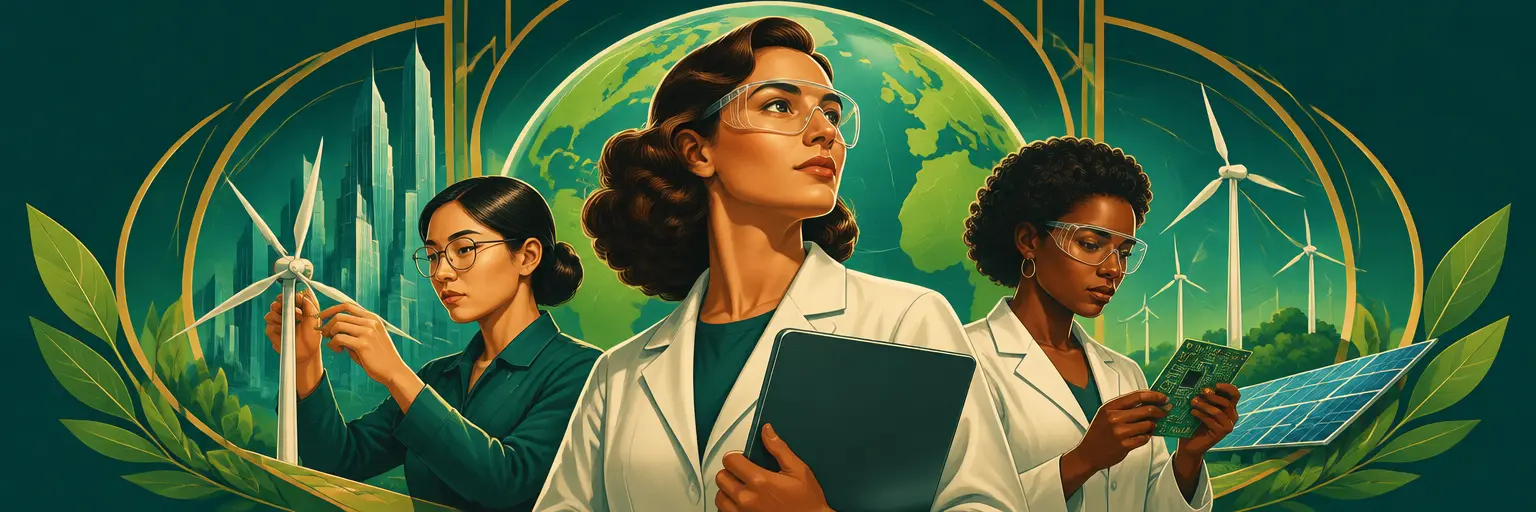
Welcome to the intersection of gender equity and environmental stewardship. In this subcategory, we explore how women engineers, inventors, and technologists are pioneering sustainable solutions—from renewable energy systems to circular economy models—while overcoming systemic barriers. These narratives not only celebrate historical breakthroughs but also provide actionable inspiration for today’s eco-conscious innovators. Discover how female-led research is accelerating the global transition to green tech and why diversity is the cornerstone of resilient engineering.
🌱 Pioneering Women in Renewable Energy Engineering
Here, we spotlight women whose solar, wind, and hydroelectric innovations transformed energy landscapes. Expect profiles of engineers like Maria Telkes, who designed the first solar-heated home in 1948, and contemporary leaders such as Dr. Vandana Shiva, who champion decentralized renewable grids. Each biography examines their technical patents, policy advocacy, and the gender bias they navigated in labs and boardrooms.
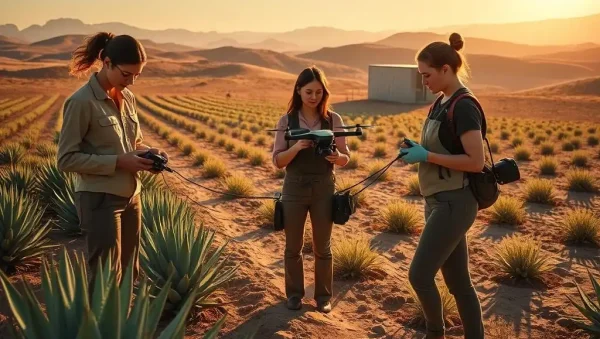
Beyond biographical data, this section offers a thematic analysis of how feminine leadership styles—collaborative, community-centric, and lifecycle-oriented—have shaped sustainable energy design. You’ll find comparative studies of women-led projects versus conventional approaches, plus practical lessons for STEM students. Our goal is to reframe renewable tech not just as hardware, but as a human-centered ecosystem where women’s insights are indispensable.
♻️ Circular Economy Innovators: Women Closing the Loop
Dive into the world of zero-waste systems and biomimicry, where women like Dr. Ellen MacArthur (founder of the circular economy foundation) and architect Shigeru Ban’s female partners have redefined material lifecycles. We cover breakthroughs in biodegradable packaging, water recycling in agriculture, and e-waste upcycling—all driven by female-led R&D teams. Each case study includes patent details, scaling challenges, and environmental impact metrics.
This segment also examines policy frameworks that these women influenced, from EU plastic directives to local urban farming ordinances. You’ll read about mentorship networks that connect budding female engineers with circular-economy veterans, alongside funding resources for green startups. By highlighting the systemic thinking behind these innovations, we illustrate why circularity demands gender-inclusive problem-solving—not just technical skill.
🌿 Green Chemistry & Sustainable Materials: A Woman’s Touch
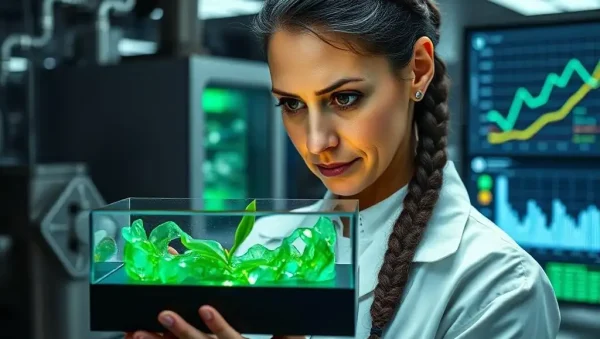
From plant-based plastics to non-toxic dyes, women chemists have quietly revolutionized material science. Discover the work of pioneers like Rachel Carson, whose environmental advocacy reshaped chemical regulations, and Dr. Jennifer Lewis, who developed 3D-printed biodegradable scaffolds. This subcategory dissects their laboratory processes, from molecular design to life-cycle assessment, making complex chemistry accessible to all readers.
In parallel, we explore educational initiatives that encourage girls to pursue green chemistry, including hands-on kits and university scholarships. Interviews with female chemical engineers reveal their daily practices—safe solvent selection, atom economy optimization—and the business case for sustainable sourcing. You’ll also find a timeline of regulatory milestones, showing how these women’s research directly influenced global safety standards.
⚡ Smart Grids, IoT & Women-Led Climate Tech Startups
This frontier focuses on digital sustainability: smart meters, AI-driven energy storage, and blockchain-tracked carbon offsets. Women founders like Jessica O. Matthews (Uncharted Power) and Dr. Ayana Johnson (Urban Ocean Lab) lead startups that blend hardware, software, and community engagement. We profile their fundraising journeys, failed prototypes, and eventual scaling strategies, offering a realistic roadmap for aspiring female entrepreneurs.
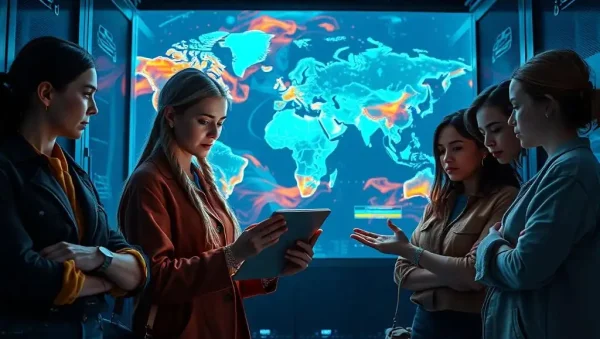
Beyond business, we analyze how gendered data gaps in climate modeling are being corrected by women statisticians and their sensor networks. Expect tutorials on using open-source tools for environmental monitoring, plus a directory of accelerators specifically for women in climate tech. By connecting code with carbon reduction, this section argues that sustainable technology is as much about equity as it is about efficiency.
🏆 Overcoming Barriers: Women’s Struggles and Triumphs in Green Engineering
No success story omits the obstacles. Here, we confront institutional bias—from peer-review rejection skewing against female authors to unequal lab funding. We share oral histories of women who faced harassment, pay gaps, and patent theft, yet persisted. Each narrative includes concrete coping mechanisms: legal advocacy, unionization, and alternative patent strategies like defensive publication.
We also track systemic changes, such as the rise of all-female green engineering societies and gender-balanced prize committees. Data visualizations compare female representation in different sustainable tech fields over decades, revealing where progress lagged. This section ends with a resource list—grants, legal aid, and networking events—empowering readers to navigate their own careers without repeating past pains.
Frequently Asked Questions
Why is gender diversity critical in sustainable technology?
Diverse teams produce more innovative solutions because they challenge assumptions about user needs and environmental impacts. For instance, women-led research has highlighted energy poverty in female-headed households, leading to more accessible solar products. Moreover, inclusive design prevents unintended biases, such as materials that degrade differently in varied climates. Ultimately, sustainability requires global perspectives, and excluding women’s expertise risks half-baked fixes with limited adoption.
Can you name three historical women who shaped sustainable tech?
Maria Telkes (solar energy), Rachel Carson (green chemistry advocacy), and Wangari Maathai (reforestation tech and policy) are foundational. Telkes patented solar ovens and house heating; Carson’s book “Silent Spring” galvanized pesticide bans; Maathai initiated biome restoration via community data protocols. Their work predates the modern “green tech” label but establishes the core principles of regeneration and ecology—still vital today.
What educational paths lead to a career in sustainable technology?
Relevant degrees include environmental engineering, material science with an eco-concentration, or renewable energy systems. However, interdisciplinary paths—combining computer science with public policy—are equally viable. Look for programs with capstone projects on lifecycle assessment or carbon accounting. Internships at green startups or NGOs often matter more than coursework, so prioritize hands-on experiences, and join networks like Women in Renewable Energy (WIRE) for mentorship.
How does this subcategory differ from general “women in engineering” content?
We focus exclusively on the intersection of sustainability and technology, not all engineering fields. While general content might cover structural or mechanical engineering, we analyze how women’s work addresses climate change, resource scarcity, and circular systems. You’ll find more detailed technical discussions (e.g., battery chemistry, material toxicity) and direct connections to current environmental policies, setting us apart from broader narratives.
Are there current funding grants for women launching green tech startups?
Yes, numerous grants exist, including the Cartier Women’s Initiative, the Citi Foundation’s Climate Tech Fellowships, and the Women Tech Founders Europe. Most require a prototype and environmental impact metrics. Additionally, competitions like the MIT Climate Prize have separate gender equity categories. Check your national innovation agency—many have earmarked funds for women-led clean energy projects, often including zero-interest loans and mentorship.