Recognition & Awards for Women in Science: Celebrating Excellence and Breaking Barriers
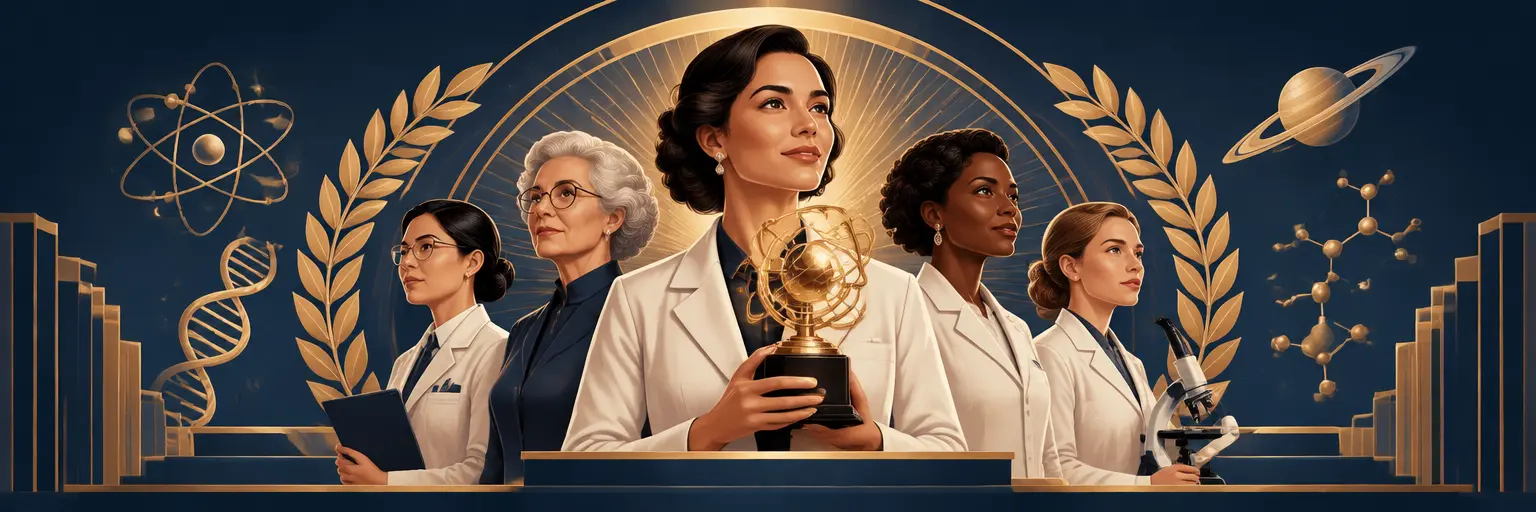
Recognition and awards for women in science are more than ceremonial honors—they are powerful catalysts for visibility, mentorship, and systemic change. At WomenInScienceHistory.com, this subcategory dives deep into the laurels, medals, and honorary titles that have historically been denied—and now increasingly granted—to female pioneers. From Nobel Prizes to early career grants, we explore how acknowledgment shapes scientific legacies, inspires young girls, and corrects the gender imbalance in STEM. Here, you will find curated stories of triumph, institutional analyses, and actionable resources to support women scientists in your community. Expect a blend of biography, history, and advocacy, all rooted in verified facts and celebratory tone.
🏆 Landmark Prizes and Breakthrough Moments
Discover the pivotal awards that have marked turning points for women in science, from Marie Curie’s dual Nobel Prizes to Frances Arnold’s 2018 chemistry Nobel. Each landmark prize not only recognized individual brilliance but also opened doors for future generations by normalizing female excellence at the highest levels. We examine the selection committees’ evolving standards, the public reception, and the ripple effects on research funding and institutional hiring. For readers, this section offers a chronological tour of firsts and the fascinating stories behind each groundbreaking win.
Beyond the Nobel, we highlight prestigious honors like the L’Oréal-UNESCO For Women in Science Awards, the Turing Award for computer scientists, and the Fields Medal’s first female recipient, Maryam Mirzakhani. These awards often came after decades of overlooked contributions, so each entry contextualizes the scientist’s full career arc. By understanding these breakthrough moments, you gain insight into how recognition functions as both a reward and a strategic tool for advancing gender parity in research. Expect inspiring anecdotes, statistical context, and reflection on what remains to be achieved.
📜 The Historical Struggle for Official Acknowledgment
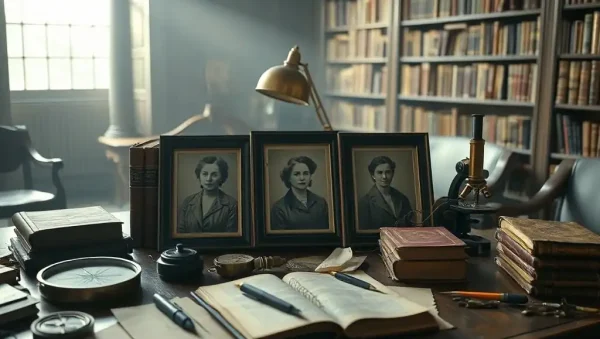
Explore the pre-20th century reality where women’s discoveries were routinely attributed to male colleagues or outright dismissed. From Rosalind Franklin’s uncredited role in DNA discovery to Emmy Noether’s unpaid professorship, we trace how institutional sexism systematically erased female contributions. This section uses archival records, letters, and posthumous honors to show how recognition—or its absence—shaped the trajectory of scientific fields. You’ll understand why many awards now include retroactive or historical medals to right past wrongs.
The narrative continues into the 20th century, where women began to receive formal accolades but often for secondary roles or after significant delays. For example, Jocelyn Bell Burnell’s pulsar discovery was recognized via a special prize decades later. We analyze the cultural and political factors that influenced these oversights, and how feminist movements pushed for accountability. This historical lens is essential for appreciating the magnitude of recent progress and for recognizing the still-unfinished work of equitable acknowledgment in scientific institutions worldwide.
🌟 Contemporary Awards and Their Impact on Careers
Learn how modern prizes—from the Blavatnik Awards to national academies’ medals—provide not just prestige but also critical funding, networking, and public platforms. For early-career women scientists, these honors can mean the difference between a research lab’s survival and closure. We profile winners across disciplines, highlighting how they leverage award recognition to advocate for policy changes, mentor junior researchers, and secure additional grants. This section serves as a practical guide for aspiring awardees, detailing eligibility criteria, nomination processes, and tips for effective application.
Additionally, we explore the emergence of women-specific science awards, such as the Rosalind Franklin Medal and the Anita Borg Award, designed to address systemic underrepresentation. While some critics argue for gender-blind selection, we present balanced evidence that targeted recognition accelerates change. Through interviews and data, you’ll see how these contemporary awards create role models, shift media narratives, and influence high-school girls’ career aspirations. Whether you are a student, educator, or working scientist, this section offers actionable insights into the modern recognition landscape.
🔍 Analyzing Nomination Biases and Paths to Reform
Dive into the empirical research that reveals persistent biases in award nominations—women often receive fewer nominations, and when nominated, win at lower rates. We examine studies from prestigious journals, unpacking how peer networks, self-promotion disparities, and implicit stereotypes contribute to these gaps. This section translates complex statistical findings into accessible explanations, showing why simple quotas may not be sufficient. Instead, we highlight successful reform models like the Royal Society’s proactive nomination campaigns and the EU’s gender equality strategies for research funding.
Reform efforts also include mentorship programs that pair emerging women scientists with award-winning seniors, as well as anonymized review processes for certain honors. We provide case studies from the US, UK, and India, demonstrating how institutional commitment can overturn historical patterns. For those in leadership positions, this section offers concrete checklists to diversify nomination pools and audit selection criteria. By understanding the systematic nature of bias, readers can become informed advocates who push for fairer recognition practices in their own academic or corporate communities.
🌍 Global Perspectives and Regional Highlights
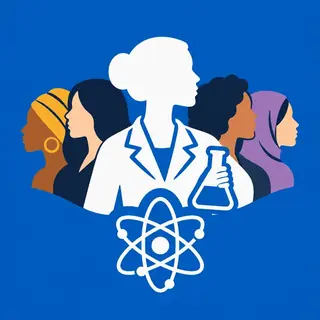
Travel across continents to see how different cultures recognize women in science—from Africa’s L’Oréal-UNESCO regional fellowships to Asia’s national academies awarding trailblazers like Youyou Tu. Each region faces unique challenges: in some countries, women dominate medical research but lag in physical sciences; in others, cultural norms limit female participation entirely. We profile award-winning scientists from Latin America, the Middle East, and Southeast Asia, showcasing how local awards often carry extra weight in under-resourced settings. This global lens enriches your understanding of recognition as a diverse, culturally embedded practice.
We also highlight international collaborations, such as the InterAcademy Partnership’s gender initiatives, which push for mutual recognition across borders. For global readers, we provide resources to find local awards, scholarships, and honors based on your country of residence. This section uses maps, infographics, and first-person testimonials to bring global stories closer, emphasizing that recognition is not a Western monopoly. Whether you are planning to nominate an international colleague or simply curious about worldwide efforts, this part broadens your perspective on shared struggles and triumphs.
Frequently Asked Questions
What was the first major science award won by a woman?
Marie Curie was the first woman to win a Nobel Prize in 1903 (Physics, shared), and later won Chemistry in 1911. However, earlier formal prizes like the Royal Society’s Bakerian Medal were rarely given to women. Her dual wins remain historical milestones for female recognition.
Why are many awards for women in science created separately?
Separate awards exist to counter systemic underrepresentation and provide visible role models. They also address specific challenges like childcare barriers and lower nomination rates. Critics say they may segregate, but proponents argue they create critical masses and momentum toward full inclusion.
How can I nominate a woman scientist for an award?
Research the award’s eligibility, then write a strong nomination letter highlighting impactful research, mentorship, and societal benefit. Use data and testimonials. Many committees accept self-nominations or peer nominations. Check deadlines and secure supportive references to strengthen the case.
Do women win Nobel Prizes in science at lower rates than men?
Yes, as of 2023, only about 4% of science Nobel laureates are women. Historical barriers include limited access to labs, biased citation practices, and exclusion from nomination networks. Recent years show improvement, but parity remains decades away without structural changes.
What are some posthumous awards meant to correct historical omissions?
Examples include the 2020 Special Breakthrough Prize for Jocelyn Bell Burnell and the posthumous honorary degrees for Rosalind Franklin. Many institutions retroactively name fellowships or medals after overlooked women, raising awareness and funding new research in their names.