Memes, Misogyny, and Mentorship: Navigating Online Culture for Women in Science
🌟 Discover how women in science mentorship online can empower female scientists to combat harmful memes and misogyny, fostering a supportive digital…
Read article
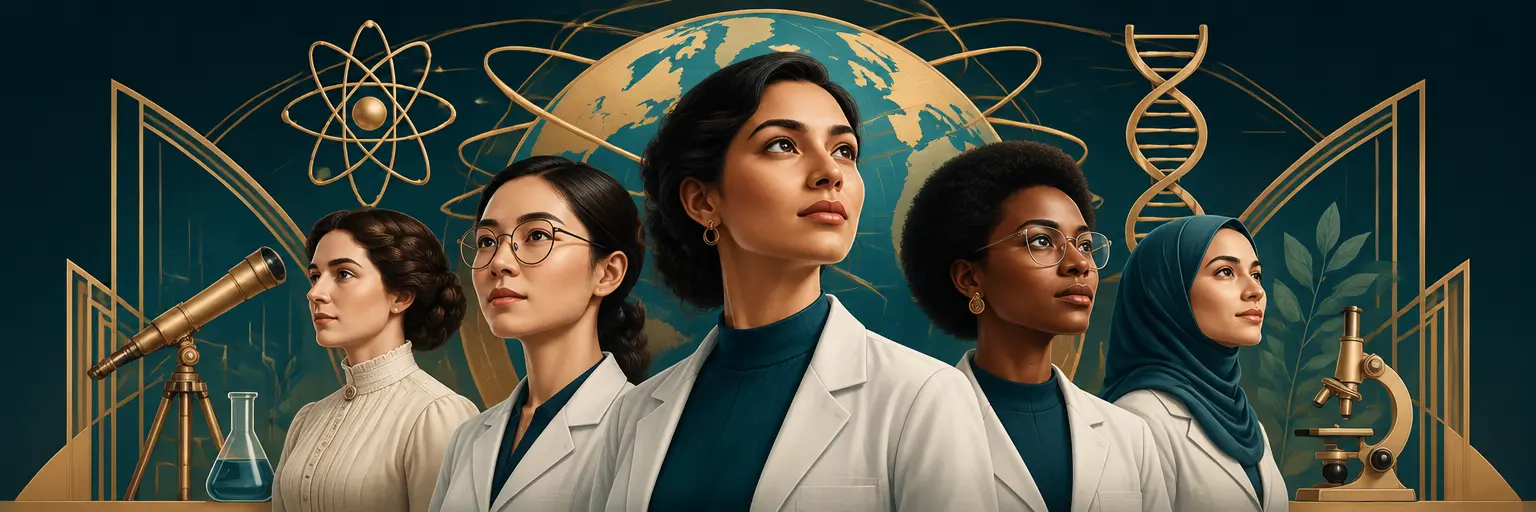
Explore how society’s portrayal of women in science shapes both historical recognition and future aspirations. From iconic imagery in textbooks to media depictions in films and literature, cultural representation profoundly influences who we see as scientists—and who young women believe they can become. This theme examines the stereotypes, biases, and evolving narratives that have either silenced or celebrated female pioneers. By analyzing visual art, museum exhibits, and popular culture, we uncover how visibility drives inspiration and why accurate, diverse portrayals are essential for breaking down barriers. Discover the power of storytelling in rewriting the legacy of women in STEM, highlighting how each image and word can either confine or liberate the next generation of innovators.

🌟 Discover how women in science mentorship online can empower female scientists to combat harmful memes and misogyny, fostering a supportive digital…
Read article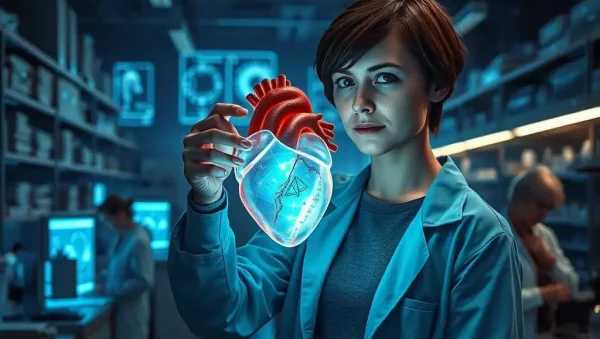
🌟 Women in science tropes often perpetuate harmful stereotypes that undermine female scientists’ achievements. Exploring these cinematic clichés is crucial to challenge…
Read article
🌟 Cultural narratives profoundly shape perceptions of women in science, influencing policy decisions and funding. Recognizing and challenging these stories can foster…
Read article
🌟 Exploring the evolving landscape of women in science representation, this article highlights groundbreaking stories of female pioneers, addressing ongoing challenges and…
Read article
😊 Explore the complex world of women in science satire, revealing how humor and satire shape perceptions of female scientists, challenge stereotypes,…
Read article
🌟 Women in science social media campaigns are transforming narratives, highlighting authentic stories of female scientists to inspire future generations and challenge…
Read article
🌟 Girls cartoon science careers are inspiring young girls worldwide, showing them that women can excel in STEM fields. By highlighting animated…
Read articleWelcome to our deep dive into the Cultural Representation of Women in Science, a vital subcategory within our Cross-Disciplinary Themes. Here, we examine how society, media, literature, and education have portrayed—and sometimes misrepresented—female scientists throughout history. This page illuminates the stereotypes, breakthroughs in visibility, and evolving narratives that shape public perception and inspire new generations. By understanding these cultural lenses, we better appreciate the resilience and achievements of women like Marie Curie, Rosalind Franklin, and Katherine Johnson, while also confronting the biases that persist today.
From “Frankenstein” to modern films like “Hidden Figures”, media has long influenced how we view women in labs. Early portrayals often framed female scientists as eccentric outliers, socially awkward, or secondary to male mentors. This subcategory unpacks those tropes, tracing how cinema, TV, and news coverage have shifted from caricatures to nuanced, heroic representations. We analyze iconic characters and real-life profiles to show how visibility can either reinforce or dismantle gender barriers.
Expect a critical review of recent award-winning biopics, documentaries, and viral social media campaigns that celebrate women’s discoveries. We highlight positive role models who break the mold, yet also discuss lingering biases—like the “Madonna-whore complex” in science storytelling—that still color public opinion. By identifying these patterns, you’ll gain tools to recognize and challenge stereotypes in your own media consumption.
How are women scientists represented in classrooms? Historically, textbooks omitted or marginalized their contributions, but a growing movement is rewriting that narrative. Here, we explore curriculum reforms, inclusive STEM programs, and teacher resources that integrate diverse female pioneers into science lessons. We spotlight initiatives like “If/Then” and “Lathisms” that provide accessible, engaging materials for students of all ages.
You’ll find actionable insights on how parents and educators can supplement standard curricula with biographies, hands-on projects, and interdisciplinary lessons. We also examine digital archives and open-access databases that make it easier to teach women’s scientific achievements. By reshaping what we teach, we can normalize female excellence in science from an early age, fostering a more equitable future.
Art and literature serve as powerful mirrors of cultural values. From Evelyn De Morgan’s paintings to recent novels like “Lessons in Chemistry,” creative works both reflect and shape society’s image of female scientists. This section curates notable examples across genres—fiction, poetry, visual art, and museum exhibits—that honor women’s contributions while critiquing their historical erasure.
We also investigate monuments, street names, and commemorative stamps that publicly recognize female scientists, alongside grassroots efforts to build statues for figures like Rosalind Franklin. These cultural markers influence collective memory and inspire younger generations. Through our analysis, you’ll see how creative expression can be a catalyst for change, turning overlooked achievements into celebrated heritage.
Cultural representation is not monolithic. This subcategory highlights how race, nationality, class, and LGBTQ+ identities intersect with gender in shaping the experiences of women in science. We profile scientists from Africa, Asia, Latin America, and indigenous communities, emphasizing their unique challenges and triumphs. For instance, the story of Wangari Maathai blends ecology, activism, and Kenyan heritage, whereas Chien-Shiung Wu navigated both gender and ethnic discrimination in the U.S.
We also examine how global media portray women in science differently—from Bollywood biopics to Nordic children’s books. By embracing an intersectional lens, you’ll understand that the fight for representation is not universal but spatially and culturally specific. This broader view helps advocates craft more inclusive policies and storytelling that resonate across borders.
Representation affects more than perception—it shapes who young women believe they can become. This section reviews psychological studies on role models, stereotype threat, and self-efficacy. We explain why seeing a female scientist in media or textbooks can boost girls’ performance in STEM and reduce career-related anxiety. Conversely, we address the harmful effects of underrepresentation, such as imposter syndrome and dropout rates.
We also provide practical advice for parents, counselors, and mentors to counter negative narratives through positive reinforcement, mentorship programs, and community building. Understanding the cognitive mechanisms behind representation empowers you to create environments where women not only enter science but thrive. Whether you’re a student, educator, or ally, you’ll leave with research-backed strategies to foster lasting change.
Cultural representation affects societal attitudes and self-perception. When women see scientists who look like them, it challenges stereotypes, reduces implicit bias, and increases their sense of belonging. This visibility encourages more girls to pursue STEM careers, leading to greater innovation and diversity. Without it, talented individuals may avoid or leave science due to lack of role models or fear of discrimination.
Common stereotypes include the “eccentric genius” who is socially isolated, the “assistant” to a male lead, or the “beauty with brains” who downplays her intellect. Older films often portrayed women as obsessive or unfeminine. However, modern media is gradually shifting toward balanced, multidimensional characters. Recognizing these tropes helps audiences critically evaluate portrayals and demand more accurate, inspiring representations.
Educators can incorporate diverse biographies, primary sources, and case studies beyond typical European male figures. Use inclusive textbooks, invite guest speakers, and assign projects that highlight women’s contributions across cultures. Encouraging students to analyze media and create their own narratives also deepens understanding. Small changes, like featuring a woman scientist each month, can create a lasting impact on students’ aspirations.
Yes, programs like UNESCO’s “Women in Science” fellowships, the “Girls Who Code” movement, and the “Rosalind Franklin Society” actively promote visibility and support. Social media campaigns like #BlackWomenInScience and #LGBTQinSTEM highlight intersectional stories. These initiatives provide funding, mentorship, and platforms to amplify underrepresented voices, helping to reshape cultural narratives globally.
Individuals can start by questioning own biases and consuming media critically. Share stories of women scientists on social media, support books and films by/about them, and call out sexist jokes or outdated tropes. Encourage young people to explore STEM through hands-on activities and mentorship. Small, consistent actions in daily conversations and choices can collectively normalize female excellence in science.