
Memes, Misogyny, and Mentorship: Navigating Online Culture for Women in Science


Welcome to WomenInScienceHistory.com, where we unearth the remarkable stories of women who shaped the scientific landscape. Delve into the triumphs and tribulations of pioneering female scientists and discover the often-untold narratives of their groundbreaking work. Ever wondered how the digital age impacts the next generation of female scientists? In this article, we explore Women in Science Mentorship Online, examining the surprising challenges and vital opportunities that arise when memes, misogyny, and mentorship collide in the digital realm. Prepare to be both informed and inspired as we navigate this complex and crucial conversation.
- Empowering Women in Paleontology: Navigating Online Spaces and Combating Misogyny
- Introduction: The Digital Landscape for Women in Paleontology
- The Prevalence of Misogynistic Memes Targeting Women in Paleontology
- The Need for Women in Paleontology Mentorship Online
- Strategies for Navigating Online Culture as a Woman in Paleontology
- Finding and Utilizing Online Resources for Women in STEM and Paleontology
- Building Effective Women in Paleontology Mentorship Programs Online
- Combating Misinformation and Promoting Accurate Representation
- Case Studies: Successful Online Initiatives for Women in STEM and Paleontology
- The Future of Online Culture for Women in Paleontology
- Conclusion: Fostering a Supportive Online Environment for Women in Paleontology
-
Frequently Asked Questions
- How does WomenInScienceHistory.com address the issue of misogyny faced by women in science online?
- What resources does WomenInScienceHistory.com offer for women in science mentorship online?
- How does the website combat the underrepresentation of women's contributions to scientific fields?
- What kind of content can I expect to find on WomenInScienceHistory.com?
- How can WomenInScienceHistory.com help me find women in science mentorship online opportunities even though it doesn't directly offer them?
- Final Reflection: Empowering Women in STEM Through Online Mentorship
- Ignite Your Voice: Champion Women in Science!
Introduction: The Digital Landscape for Women in Paleontology
The Growing Importance of Online Spaces for Women in Paleontology
Online platforms have rapidly transformed into indispensable tools for professionals in paleontology, offering unprecedented avenues for collaboration, dissemination of research, and community building. Social media, academic forums, and specialized online networks now serve as crucial conduits for sharing groundbreaking fossil discoveries, discussing innovative methodologies, and connecting geographically dispersed researchers who might otherwise remain isolated. These digital spaces facilitate rapid information exchange, allowing paleontologists to stay abreast of the latest findings from around the globe and engage in dynamic scientific discourse.
Beyond professional development, these online environments play a vital role in democratizing access to knowledge and fostering a sense of belonging within the paleontological community. For early career scientists, students, or those working in regions with limited local resources, online communities provide a lifeline to a broader network of expertise and support. Platforms like Twitter, often used with hashtags such as #PaleoCommunity or #FossilFriday, enable real-time conversations, virtual conferences, and informal learning, significantly expanding the reach and impact of paleontological research.
The Double-Edged Sword: Opportunities and Challenges Online
The digital landscape presents a paradoxical reality for women in paleontology, offering both immense opportunities and significant challenges. On one hand, online spaces facilitate rapid information exchange, foster crucial women in science mentorship online connections, and enable unprecedented public engagement with scientific work. They can challenge traditional gatekeepers, allowing marginalized voices to gain visibility and influence, and provide platforms for women to showcase their expertise and achievements directly to a global audience. The ability to connect with peers and mentors across continents is a powerful tool for career advancement and personal support.
However, this accessibility comes with a dark side. Women in paleontology often face disproportionate exposure to online harassment, misogynistic content, and misinformation, creating a hostile environment that can undermine their confidence and participation. The anonymity or perceived anonymity of online interactions can embolden individuals to express sexist views, dismiss women's contributions, or engage in personal attacks. Navigating this double-edged sword requires resilience and strategic engagement, as the mental toll of constant exposure to negativity can be substantial, potentially leading to disengagement from valuable professional networks.
Society of Vertebrate Paleontology Women's Network: Amplifying Voices and Addressing Online Barriers
The Society of Vertebrate Paleontology (SVP) Women's Network stands as a significant example of an organization actively working to support women in paleontology and foster a more inclusive environment, particularly in the digital realm. Established to address the unique challenges faced by women in the field, the network provides a vital platform for advocacy, networking, and professional development. Its mission extends to ensuring that women's voices are heard and valued, both within traditional academic settings and across online communities.
The SVP Women's Network proactively tackles online barriers by providing resources, facilitating discussions, and advocating for safer digital spaces. They often organize online forums, workshops, and mentorship initiatives that specifically aim to promote positive online interactions and equip members with strategies for addressing harassment. By fostering a strong, supportive community, the network empowers women paleontologists to navigate the complexities of online culture, amplifying their collective voice and working towards a more equitable and respectful digital landscape for all.
The Prevalence of Misogynistic Memes Targeting Women in Paleontology
Understanding the Impact of Misogyny in Online Paleontology Communities
Misogyny, an ingrained prejudice against women, manifests in various insidious forms within online scientific communities, including those dedicated to paleontology. It can range from subtle dismissive comments questioning a woman's expertise to overtly sexualized humor, gatekeeping behaviors that exclude women from discussions, or outright personal attacks. For instance, a woman presenting a complex research finding might receive comments focusing on her appearance rather than her science, or her ideas might be overlooked until a male colleague reiterates them. This pervasive undercurrent of sexism creates an unwelcoming atmosphere, undermining the intellectual contributions of women.
The chilling effect of such misogynistic behavior is profound. Women in paleontology may become hesitant to share their work, participate in discussions, or even seek out online mentorship opportunities for fear of encountering harassment or dismissal. This self-censorship and withdrawal from valuable online spaces can severely limit their professional networking, access to information, and opportunities for collaboration. It not only stifles individual growth but also deprives the broader paleontological community of diverse perspectives and valuable insights, perpetuating an exclusionary cycle.
Examples of Harmful Memes and Their Perpetuation of Gender Stereotypes
Harmful misogynistic memes in STEM and paleontology often rely on outdated and damaging gender stereotypes. These can include visual gags portraying women as less capable in fieldwork, suggesting that scientific rigor is a masculine trait, or sexualizing female paleontologists in professional contexts.
For example, a meme might depict a woman in the field struggling with equipment while male counterparts easily manage, or present a female scientist in a revealing pose rather than focusing on her intellectual contributions. Another common trope involves memes that imply women are only in science for superficial reasons, such as seeking attention, rather than genuine intellectual curiosity.
These memes are not harmless jokes; they normalize sexism and contribute to a hostile online environment. By reducing women to stereotypes or objects of ridicule, they undermine their credibility and professional standing. The pervasive nature of such content can make women feel unwelcome and undervalued, reinforcing the perception that certain scientific fields, including paleontology, are predominantly male domains. This constant barrage of negative imagery and commentary creates an invisible barrier, discouraging women from pursuing or remaining in a field where their competence is implicitly or explicitly questioned.
The Psychological Effects of Online Harassment on Women Paleontologists
The relentless exposure to online harassment profoundly impacts the psychological well-being of women in paleontology. Constant criticism, dismissive comments, or outright attacks can lead to significant stress, anxiety, and heightened levels of imposter syndrome—the persistent feeling that one's achievements are undeserved and that one is a fraud. This continuous erosion of confidence can make even highly accomplished women doubt their abilities and question their place in the scientific community, despite their expertise and contributions.
Furthermore, the psychological toll can extend to burnout and a reduced sense of self-esteem. The emotional labor required to navigate online misogyny, whether by engaging with it, ignoring it, or reporting it, can be exhausting. This often leads to disengagement from valuable online communities, limiting opportunities for networking, mentorship, and professional growth. In some cases, the cumulative effect of online harassment can even influence career decisions, causing talented women to leave the field or avoid public-facing roles that might expose them to further negativity.
Counteracting Negative Memes with Positive Representation and Humor
Effectively counteracting harmful misogynistic memes requires a multi-faceted approach that leverages positive representation and strategic humor. One powerful strategy involves actively creating and disseminating empowering memes that celebrate women's achievements, intelligence, and resilience in paleontology. For instance, a meme could feature a prominent female paleontologist with an inspiring quote, or playfully highlight the intellectual prowess required for fossil identification, subverting traditional gender roles with wit and intelligence. This proactive approach helps to reshape the narrative and flood online spaces with affirming content.
Moreover, humor can be a potent tool to subvert and disarm stereotypes. Rather than ignoring harmful content, allies and women in paleontology can use clever, non-aggressive humor to point out the absurdity or outdated nature of misogynistic tropes.
This can involve creating parodies that expose the underlying sexism or using self-deprecating humor to highlight the ridiculousness of gendered expectations in science. Crucially, active allyship in online spaces is essential; male colleagues and allies can play a significant role by calling out misogynistic content, amplifying positive narratives, and standing in solidarity with their female peers, thereby fostering a more inclusive and respectful online environment.
The Need for Women in Paleontology Mentorship Online
Addressing the Mentorship Gap for Women in STEM Fields Like Paleontology
A significant mentorship gap persists for women across STEM fields, and paleontology is no exception. Traditional mentorship models often rely on proximity and existing professional networks, which historically have been dominated by men. This structure inherently disadvantages women, who have fewer senior female role models and often face challenges in accessing informal networks. While women comprise roughly 28% of the STEM workforce, their representation in senior academic and leadership roles within geoscience, including paleontology, often falls below 20% in many institutions. This disparity means fewer experienced female paleontologists are available to mentor the next generation.
This gap directly impacts career progression, access to research opportunities, and the overall retention of women in the field. Without adequate mentorship, women may lack crucial guidance on navigating academic politics, securing funding, balancing work and family, or simply finding a sounding board for professional challenges. The absence of visible female role models can also contribute to imposter syndrome, making it harder for women to envision themselves in leadership positions or to persist through career hurdles. Addressing this gap is critical for fostering a more equitable and diverse paleontological community.
How Online Mentorship Programs Can Bridge Geographic and Institutional Barriers
Online mentorship programs are uniquely positioned to bridge the significant geographic and institutional barriers that often limit access to effective mentorship, particularly for women in paleontology. Traditional mentorship frequently requires proximity to a senior researcher within the same institution or region, which can be restrictive for those in remote areas, smaller universities, or developing countries. Online platforms eliminate these physical boundaries, enabling mentees to connect with experienced paleontologists globally, regardless of their location or institutional affiliation.
This digital connectivity dramatically expands the pool of potential mentors and mentees, making it far easier to find suitable matches based on specific research interests, career aspirations, or shared experiences. For instance, a young paleontologist in a landlocked region can receive guidance from an expert in marine vertebrate paleontology thousands of miles away. By leveraging video conferencing, email, and collaborative documents, online mentorship provides flexibility and accessibility that traditional models cannot, ensuring that valuable guidance is available to a wider and more diverse group of women in science mentorship online.
Benefits of Online Mentorship: Support, Guidance, and Networking
Online mentorship offers a myriad of benefits crucial for the professional development and well-being of women in paleontology. Foremost among these are personalized career advice and skill development. Mentors can offer insights into navigating academic pathways, securing grants, publishing research, and honing specific paleontological techniques. Beyond technical skills, they provide invaluable emotional support, helping mentees cope with setbacks, manage imposter syndrome, and maintain motivation in a demanding field.
Crucially, online mentorship facilitates robust networking opportunities. Mentees can be introduced to a mentor's broader professional circle, opening doors to collaborations, conferences, and job prospects they might not otherwise encounter. For women, this support is particularly significant as it provides a safe space to discuss shared experiences of navigating gender bias, building confidence, and fostering a sense of belonging in a field where they may still feel underrepresented. Effective women in science mentorship online can be a cornerstone for career resilience and advancement.
Creating Safe and Inclusive Online Mentorship Communities
The success of women in science mentorship online hinges on the creation of safe and inclusive communities where mentees feel secure and respected. This necessitates the establishment of clear guidelines and codes of conduct from the outset, outlining expectations for respectful communication, confidentiality, and professional boundaries. These rules should explicitly prohibit any form of harassment, discrimination, or inappropriate behavior, ensuring that all interactions remain supportive and productive.
Furthermore, continuous training for mentors is vital, focusing on effective online communication strategies, active listening, and culturally sensitive guidance. Mentors should be equipped to provide constructive feedback, address challenges empathetically, and foster an environment where mentees feel comfortable sharing vulnerabilities. Implementing a robust moderation system and a clear mechanism for reporting and addressing any breaches of conduct are also essential to maintain trust and ensure that these online mentorship initiatives truly serve as empowering and equitable spaces for women in paleontology.
Identifying and Avoiding Toxic Online Environments
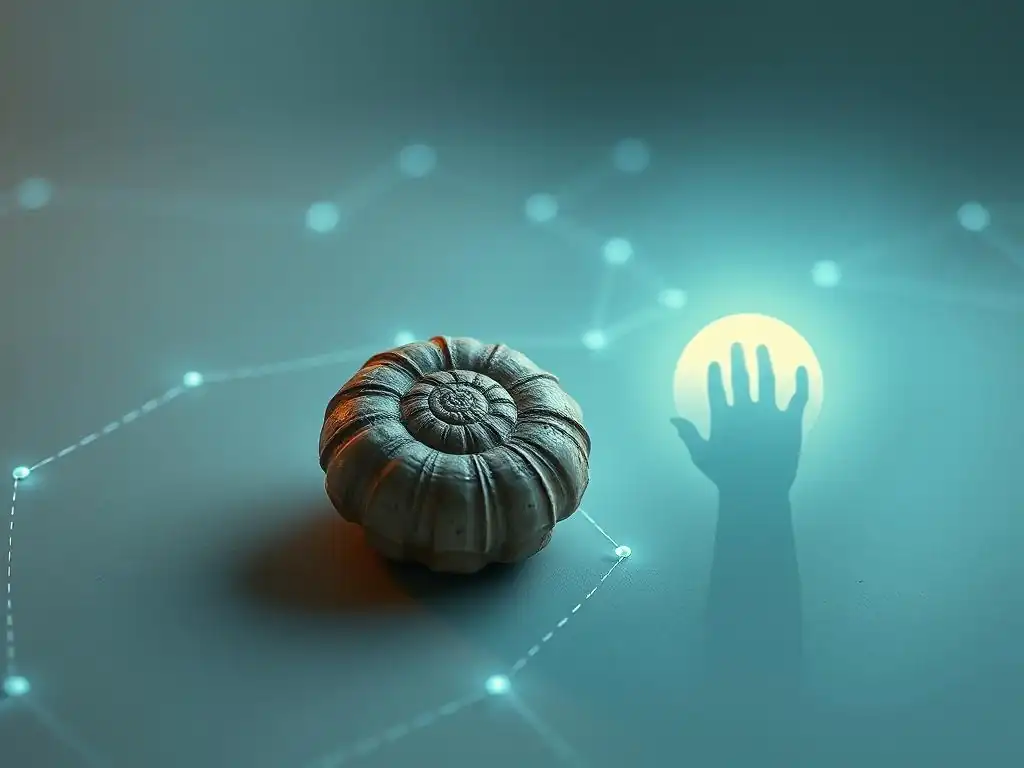
Navigating online culture as a woman in paleontology requires a keen ability to identify and, more importantly, avoid toxic online environments. Red flags often include frequent misogynistic comments, aggressive or dismissive debates targeting women, personal attacks rather than constructive criticism, or a general dismissive attitude towards women's contributions in scientific discussions. Such environments can quickly erode confidence and create a sense of isolation, making productive engagement nearly impossible.
To protect their well-being and professional focus, women in paleontology should proactively employ strategies like unfollowing, blocking, or muting accounts that consistently propagate negativity. Prioritizing participation in well-moderated communities, professional networks with clear codes of conduct, and spaces specifically designed for women in science mentorship online, can significantly reduce exposure to harmful content. Consciously curating one's online feed to amplify positive and supportive voices is a powerful defense against digital toxicity.
Building a Strong Online Presence: Showcasing Expertise and Achievements
Building a strong and positive online presence is a proactive strategy for women in paleontology to showcase their expertise and achievements, thereby countering negative stereotypes and attracting positive professional engagement. This involves actively sharing research publications on platforms like ResearchGate or academia.edu, detailing fieldwork experiences through professional blogs or social media, and maintaining an up-to-date personal academic website. Such platforms serve as digital portfolios, highlighting scientific contributions and professional milestones.
A robust online presence helps establish credibility and authority in the field. By consistently presenting their work and insights, women paleontologists can demonstrate their intellectual rigor and passion, challenging any preconceived notions about their capabilities. This proactive approach not only elevates their professional profile but also attracts potential collaborators, research opportunities, and valuable women in science mentorship online connections, solidifying their standing within the global paleontological community.
Social media platforms, particularly those favored by academic communities like Twitter (often referred to as #PaleoTwitter), offer powerful tools for networking and collaboration within paleontology. Women in the field can leverage these platforms to engage with peers, share preliminary findings, solicit feedback on research ideas, and discover collaboration opportunities that transcend geographical boundaries. Participating in relevant hashtags, virtual conferences, and scientific discussions can expand one's professional network exponentially.
Beyond informal interactions, platforms like LinkedIn or dedicated Slack channels can facilitate more structured professional networking, allowing women to connect with senior researchers, identify job openings, and even find specific women in science mentorship online programs. It is crucial, however, to maintain professional etiquette and strategic engagement, focusing on constructive interactions and avoiding contentious debates. By doing so, women in paleontology can maximize the benefits of social media for career advancement while minimizing exposure to potential negativity.
Reporting and Addressing Online Harassment and Misogyny
Effectively reporting and addressing online harassment and misogyny is a critical skill for women in paleontology, contributing to a safer and more equitable online environment for everyone. When confronted with harassment, the first step often involves utilizing the reporting mechanisms provided by the specific platform (e.g., Twitter, Facebook, LinkedIn). These reports, especially when numerous, can lead to content removal or account suspension. For more severe or persistent issues, reporting to professional organizations like the Society of Vertebrate Paleontology or to institutional ethics committees can trigger formal investigations and disciplinary actions.
It is paramount to document all incidents thoroughly, including screenshots, dates, and specific usernames, as this evidence is crucial for any formal complaint. Seeking support from allies, colleagues, or dedicated networks like those focused on women in science mentorship online can provide emotional resilience and practical advice. Collective action, where multiple individuals report or speak out against harassment, can also be highly effective in demonstrating that such behavior is unacceptable and will not be tolerated within the paleontological community.
Finding and Utilizing Online Resources for Women in STEM and Paleontology
Websites and Organizations Supporting Women in STEM
Numerous websites and organizations are dedicated to supporting women across various STEM fields, providing invaluable resources, networking opportunities, and advocacy. Organizations like the Association for Women in Science (AWIS), STEM Women, and 500 Women Scientists offer a broad spectrum of support, including career development resources, grant information, advocacy for gender equity, and directories for finding women in science mentorship online. These platforms often host webinars, virtual workshops, and online forums that address common challenges faced by women in scientific careers.
These general STEM organizations are crucial because they provide a broader network and resources that extend beyond specific disciplines, offering a collective voice for women in science. They often compile lists of scholarships, fellowships, and awards specifically for women, and highlight success stories to inspire future generations. By engaging with these websites, women in paleontology can tap into a larger community of support, gain insights into broader STEM issues, and find interdisciplinary connections that might not be available within their niche.
Online Communities and Forums for Networking and Support
Beyond formal organizations, a vibrant ecosystem of online communities and forums exists, offering informal yet powerful spaces for networking and support for women in STEM, including those in paleontology. These can range from dedicated Slack groups and Facebook groups to subreddits or specialized academic forums. For example, specific groups for "Women in Geoscience" or "Female Paleontologists" allow members to share experiences, ask for advice, discuss job opportunities, and find collaborators in a more relaxed and peer-driven environment.
These online communities are invaluable for providing a safe space where women can discuss challenges unique to their experiences in science, such as navigating gender bias in fieldwork or academic settings. They foster a sense of camaraderie and belonging, reducing feelings of isolation that can sometimes accompany working in a male-dominated field. The informal nature often facilitates quick answers to practical questions, peer mentoring, and emotional support, making them essential for building a strong professional and personal network.
Educational Resources for Combating Bias and Promoting Inclusivity
The internet is a rich repository of educational resources designed to combat bias and promote inclusivity within scientific communities. These resources include online courses, webinars, articles, and toolkits on topics such as unconscious bias, bystander intervention, microaggressions, and inclusive language. Platforms like Coursera, edX, or even university diversity and inclusion offices often offer free or affordable modules that explain the psychological underpinnings of bias and provide practical strategies for mitigation.
Utilizing these resources empowers individuals, both women and their allies, to recognize and challenge bias effectively, whether it manifests in online discussions, hiring practices, or daily interactions. Understanding how bias operates is the first step towards dismantling it. By equipping themselves with knowledge and practical tools, women in paleontology can not only protect themselves from biased environments but also become more effective advocates for systemic change, fostering a more equitable and respectful online and offline culture within their field.
Association for Women Geoscientists (AWG) and Earth Science Women's Network (ESWN)
Two prominent organizations, the Association for Women Geoscientists (AWG) and the Earth Science Women's Network (ESWN), offer highly relevant online resources and support specifically for women in Earth sciences, a field that significantly overlaps with paleontology. The AWG, founded in 1977, is dedicated to encouraging the participation of women in geosciences and provides a robust network for professional development, mentorship, and advocacy. Its online presence includes job boards, scholarship information, and a directory of members, facilitating connections and career opportunities for women in paleontology.
The ESWN, established in 2002, focuses on fostering a supportive community for women in Earth sciences through various online initiatives. It is particularly renowned for its highly effective "peer mentoring" program, which connects women at similar career stages to provide mutual support and advice, often facilitated through virtual meetings and online forums. ESWN also hosts numerous online workshops, webinars, and discussion groups addressing career challenges, work-life balance, and leadership development, making it an invaluable resource for women seeking structured and informal women in science mentorship online within Earth sciences.
Building Effective Women in Paleontology Mentorship Programs Online
Key Elements of a Successful Online Mentorship Program
Successful women in science mentorship online programs in paleontology are built upon several key elements that ensure effectiveness and sustainability. Firstly, clear objectives are paramount: whether the program aims to facilitate career advancement, skill development, or emotional support, these goals must be defined upfront. Secondly, roles and responsibilities for both mentors and mentees should be explicitly outlined, including expectations for communication frequency (e.g., monthly video calls, weekly email check-ins) and commitment levels.
Furthermore, a robust online mentorship program must prioritize privacy and confidentiality, establishing secure platforms for communication and clear guidelines on what information can be shared. A mechanism for feedback and conflict resolution is also essential, allowing participants to address issues constructively and ensuring the program remains beneficial for all involved. By focusing on these structural and ethical considerations, online mentorship initiatives can cultivate trust and foster productive relationships for women in paleontology.
Matching Mentors and Mentees Effectively
The success of any women in science mentorship online program largely hinges on the effectiveness of its mentor-mentee matching process. A thoughtful approach is crucial, extending beyond mere availability to consider shared research interests, specific career goals, and even personality traits. For instance, a mentee aspiring to specialize in Mesozoic marine reptiles would ideally be matched with a mentor actively working in that subfield, ensuring highly relevant guidance.
Utilizing detailed surveys or comprehensive profiles for both mentors and mentees can facilitate optimal pairings. These tools can capture information about professional aspirations, preferred communication styles, and areas where a mentee seeks specific guidance. Some programs might even incorporate an initial "meet and greet" phase or allow mentees to select from a pool of potential mentors. A well-executed matching process ensures that both parties feel invested in the relationship and that the mentorship provides tangible benefits, fostering stronger connections within the women in science mentorship online community.
Facilitating Meaningful Online Interactions
To ensure online mentorship for women in paleontology is truly meaningful, programs must actively facilitate rich and engaging interactions. This involves encouraging the use of diverse communication tools such as video conferencing for face-to-face discussions, shared documents for collaborative writing or feedback on grants, and instant messaging for quick check-ins. While structured discussions around specific career goals or research projects are valuable, fostering informal chats also helps build rapport and trust between mentors and mentees.
Flexibility in communication methods is key to accommodating different time zones, work schedules, and personal preferences, making women in science mentorship online accessible to a global audience. Providing prompts or discussion topics can help initiate conversations, especially in the early stages of a mentorship. Ultimately, the goal is to create an environment where mentees feel comfortable asking questions, sharing challenges, and receiving personalized guidance that directly supports their professional growth and well-being.
Measuring the Impact of Online Mentorship on Career Advancement
Measuring the impact of women in science mentorship online programs is vital for demonstrating their value, securing funding, and refining their effectiveness. Key metrics for success can include mentee satisfaction surveys, tracking career progression indicators such as publications, successful grant applications, promotions, or conference presentations achieved by mentees. Increased confidence levels, reported skill development, and expansion of professional networks are also significant qualitative and quantitative measures.
Collecting testimonials and success stories from both mentors and mentees provides powerful anecdotal evidence of the program's benefits. Regular follow-up surveys, perhaps six months or a year after the formal mentorship period concludes, can assess long-term impacts on career trajectories and retention in the field. By systematically collecting and analyzing this data, organizations can clearly articulate the transformative power of online mentorship in supporting the career advancement and overall success of women in paleontology.
Combating Misinformation and Promoting Accurate Representation
Identifying and Debunking Scientific Misinformation Targeting Women
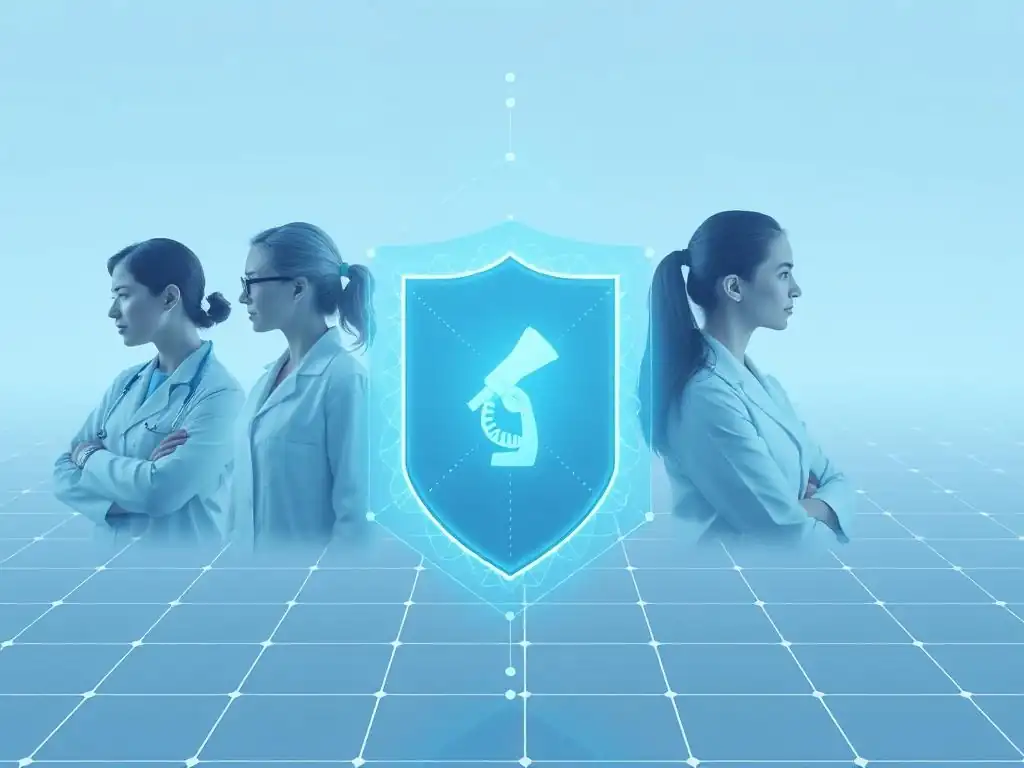
Scientific misinformation often targets women, either by downplaying their historical contributions or by questioning their current capabilities in the field. In paleontology, this might manifest as myths suggesting women weren't involved in early fossil discoveries or that their work was less rigorous than that of their male counterparts. For example, the groundbreaking contributions of figures like Mary Anning, an early 19th-century fossil collector and paleontologist, were frequently overlooked or minimized in favor of male academics who often published her findings without full credit.
Combating such misinformation requires vigilance and a commitment to accuracy. It's crucial to fact-check dubious claims, cite reliable and peer-reviewed sources, and calmly present accurate information to counter false narratives. Rather than engaging in emotional debates, focusing on verifiable data and historical records can effectively debunk myths. Educating the public and the scientific community about historical inaccuracies is a vital step in ensuring that the full scope of women's contributions to paleontology is recognized and celebrated.
Promoting Accurate and Positive Representations of Women in Paleontology Online
Actively promoting accurate and positive representations of women in paleontology online is essential to counteract pervasive biases and inspire future generations. This involves systematically disseminating stories about pioneering women in the field, such as Mary Anning, Marie Stopes (a pioneering paleobotanist), or Tilly Edinger (a founder of paleoneurology), highlighting their significant discoveries and intellectual legacies. Platforms like WomenInScienceHistory.com serve a crucial role in this endeavor by providing well-researched biographies and analyses of their work.
Beyond historical figures, it is equally important to showcase contemporary women paleontologists in various roles and at all stages of their careers—from early career researchers conducting fieldwork to senior professors leading major excavations. This includes sharing their achievements, research findings, and professional journeys through articles, social media posts, and interviews. By presenting diverse and realistic portrayals, the online community can challenge stereotypes and demonstrate that paleontology is a vibrant and welcoming field for women.
Encouraging Media Literacy and Critical Thinking Skills
In an era saturated with online content, encouraging robust media literacy and critical thinking skills is paramount for navigating the digital landscape, especially for women in paleontology. This involves teaching individuals how to critically evaluate online information, identify biased sources, and recognize logical fallacies or manipulative tactics used in arguments. For example, understanding how to spot a "straw man" argument or an appeal to emotion can help users disengage from unproductive or toxic online debates.
These skills empower individuals to not only protect themselves from misinformation and harassment but also to become more effective advocates for scientific truth and inclusivity. By learning to discern credible information from sensationalized or prejudiced content, women in paleontology can make informed decisions about which online communities to engage with and how to respond to challenges. Fostering a culture of critical inquiry strengthens the entire scientific community's ability to maintain integrity online.
Addressing Misinformation about Women's Contributions in Paleontology
Addressing misinformation about women's contributions in paleontology is crucial for correcting historical injustices and inspiring current and future generations. For centuries, the work of many pioneering women was either overlooked, attributed to male colleagues, or minimized due to societal biases. For instance, Mary Anning's unparalleled fossil discoveries along the Jurassic coast of Lyme Regis, including the first complete Ichthyosaur, were often published by male geologists who received the credit, while she remained largely unrecognized by the scientific establishment of her time.
Online platforms, particularly those dedicated to the history of science like WomenInScienceHistory.com, play a pivotal role in rectifying these historical inaccuracies. By meticulously researching and presenting the true scope of women's contributions, these sites ensure that their legacies are properly acknowledged. This proactive approach not only educates the public but also provides powerful role models for aspiring women in paleontology, demonstrating that their work is valuable and deserving of recognition, thereby countering decades of historical erasure.
Case Studies: Successful Online Initiatives for Women in STEM and Paleontology
PaleoChicks: A Thriving Online Community
PaleoChicks stands as a remarkable example of a thriving online community specifically for women in paleontology, demonstrating the power of digital spaces to foster support and connection. Founded as an informal network, it quickly grew into a vibrant hub where women paleontologists at all career stages can connect, share experiences, and offer mutual support. The community facilitates discussions on diverse topics, from fieldwork challenges and research methodologies to navigating academic politics and balancing personal and professional life.
This online space provides a crucial safe haven for women, countering the isolation that can sometimes be felt in a male-dominated field. Through virtual meetups, shared resources, and informal peer mentoring, PaleoChicks has cultivated a strong sense of camaraderie and belonging. It serves as an excellent, albeit informal, example of effective women in science mentorship online, enabling members to find encouragement, practical advice, and lasting professional relationships that might not otherwise be possible.
A Successful Campaign Against Online Harassment in Paleontology
While specific large-scale campaigns are often localized and not widely publicized, numerous smaller, community-led initiatives have emerged where groups of women and allies have successfully used collective action to curb instances of severe online harassment within paleontological forums. For example, in several instances, coordinated reporting to platform administrators, coupled with public calls for accountability from professional societies, has led to the removal of offending content and the banning of repeat harassers. These campaigns often begin with a few individuals identifying problematic behavior and then mobilizing their networks to amplify the message and apply pressure.
The positive outcomes of such coordinated efforts are significant. They increase awareness within the broader community about the prevalence and impact of online harassment, prompting platforms to review and strengthen their moderation policies. More importantly, they demonstrate that the paleontological community will not tolerate misogynistic behavior, fostering a safer online environment. These campaigns serve as powerful reminders of the collective strength in numbers and the importance of active allyship in creating inclusive digital spaces.
A Platform for Sharing Women's Contributions in Paleontology History
Platforms dedicated to sharing women's contributions in paleontology history are vital initiatives that directly combat historical erasure and inspire future generations. Websites like WomenInScienceHistory.com exemplify this by meticulously documenting the biographies, discoveries, and challenges faced by pioneering female paleontologists from various eras. These platforms go beyond mere lists of names, delving into the scientific context of their work and the societal barriers they overcame.
By systematically presenting these narratives, such platforms not only correct historical inaccuracies but also provide invaluable educational resources for students, researchers, and the general public. They serve as a powerful counter-narrative to the often male-dominated historical accounts of science, demonstrating that women have always been integral to paleontological advancements. This visibility is crucial for inspiring young girls and women to pursue careers in science, showing them a rich lineage of female intellectual leadership in the field.
Lessons Learned and Best Practices
The success of online initiatives for women in STEM and paleontology offers valuable lessons and best practices for future endeavors. A strong leadership committed to inclusivity, often driven by passionate individuals or dedicated committees, is paramount. Clear community guidelines and codes of conduct, enforced consistently and transparently, are essential for maintaining a respectful and safe environment. Active moderation, whether by designated administrators or community members, is crucial for addressing problematic content swiftly.
Furthermore, fostering a positive and supportive culture through encouraging peer support, celebrating achievements, and creating opportunities for informal interaction significantly boosts engagement. Empowering users to report issues and participate in community governance fosters a sense of ownership. Finally, successful initiatives demonstrate the importance of adaptability, continuously refining their approaches based on user feedback and evolving online challenges, ensuring they remain relevant and effective for women in science mentorship online and beyond.
The Future of Online Culture for Women in Paleontology
Trends and Predictions for Online Paleontology Communities
The online culture for women in paleontology is poised for significant evolution, driven by emerging technological trends and a growing emphasis on inclusivity. We can anticipate a continued diversification of platforms, with specialized academic social networks gaining traction alongside established giants. The rise of decentralized platforms, such as Mastodon as an alternative to Twitter, may offer more community-driven moderation and greater control over content, potentially creating safer niches for scientific discourse. Furthermore, the increasing integration of artificial intelligence in content moderation could lead to more efficient identification and flagging of misogynistic behavior, though human oversight will remain critical.
Beyond platform shifts, hybrid models for conferences and workshops are likely to become the norm, further integrating online interactions into professional life. This will increase accessibility for women who face geographical, financial, or family constraints that limit in-person attendance. We can also expect a growth in virtual field trips and immersive educational experiences, leveraging technologies like 3D modeling and virtual reality to democratize access to paleontological sites and specimens, fostering a more inclusive research environment regardless of physical location.
The Role of Technology in Promoting Inclusivity and Equity
Technology holds immense potential for promoting inclusivity and equity within online paleontological communities. Advancements in accessibility features, such as improved automatic captioning for video content, real-time translation tools for multilingual discussions, and enhanced screen readers, can significantly broaden participation for individuals with disabilities or those from non-English speaking backgrounds. These tools break down communication barriers, ensuring that valuable scientific discourse is accessible to a wider audience.
More sophisticated moderation algorithms, potentially powered by AI, could become more adept at detecting and flagging nuanced forms of online harassment and misogyny, leading to quicker intervention and a more proactive approach to online safety. Data-driven insights into online behavior can also help identify patterns of bias and inform targeted interventions. Furthermore, the development of virtual reality and augmented reality platforms could create immersive, inclusive learning and collaboration environments, allowing women in paleontology to engage with specimens and colleagues in ways that transcend physical limitations, fostering a truly global and equitable scientific community.
The Importance of Ongoing Dialogue and Advocacy
While technological advancements offer promising solutions, the future of online culture for women in paleontology ultimately hinges on ongoing dialogue and persistent advocacy. Technological tools alone are insufficient to dismantle deeply ingrained biases and behavioral patterns. Continuous, open discussions within the paleontological community about gender bias, online safety, and equity are crucial for fostering a culture of accountability and respect. These dialogues should involve all members, including male allies, to collectively identify challenges and co-create solutions.
Furthermore, sustained advocacy efforts are essential to drive systemic change. This includes pushing for stronger institutional support for online safety measures, advocating for clearer platform policies against harassment, and promoting best practices for inclusive online interactions. Professional organizations, academic institutions, and individual scientists all have a role to play in championing these changes. By maintaining a proactive stance through dialogue and advocacy, the community can ensure that online spaces evolve into truly equitable and welcoming environments for all women in paleontology.
Empowering the Next Generation of Women in Paleontology Online
Empowering the next generation of women in paleontology through online culture is a critical aspect of ensuring the field's future diversity and strength. Early exposure to positive online role models—women who are actively engaged in groundbreaking research, sharing their passion, and navigating the challenges of their careers with resilience—can profoundly inspire young girls and students. Platforms that highlight the contributions of historical and contemporary female paleontologists provide tangible proof that women belong and thrive in this field.
Crucially, fostering effective women in science mentorship online from an early stage can provide invaluable guidance and support to aspiring paleontologists. Current professionals bear a significant responsibility to cultivate a welcoming and supportive online environment, ensuring that the digital landscape is a place of encouragement rather than intimidation. By actively participating in online mentorship programs, promoting inclusive communities, and speaking out against misogyny, the current generation can pave the way for a more diverse and equitable future in paleontology, attracting and retaining the brightest talents regardless of gender.
Conclusion: Fostering a Supportive Online Environment for Women in Paleontology
Recap of Key Challenges and Opportunities
The digital landscape for women in paleontology presents a complex dichotomy: immense opportunities for connection, collaboration, and career growth, juxtaposed with significant challenges stemming from online misogyny, harassment, and misinformation. Online spaces have revolutionized how paleontologists share discoveries and build community, yet they concurrently expose women to disproportionate negativity, impacting their psychological well-being and professional engagement. Navigating this environment demands both individual resilience and collective action.
Despite these hurdles, the digital realm offers unparalleled avenues for fostering support and empowering women. The capacity for women in science mentorship online to bridge geographic and institutional barriers, coupled with the power of online communities to provide peer support and amplify diverse voices, represents a transformative opportunity. The ongoing dialogue and proactive strategies discussed are crucial for mitigating risks and maximizing the inherent benefits of online engagement for women in the field.
Call to Action: Creating a More Inclusive and Equitable Online Landscape
Creating a more inclusive and equitable online landscape for women in paleontology requires a concerted and collective call to action from all stakeholders. Individuals, professional organizations, academic institutions, and platform providers must take shared responsibility for fostering positive online interactions, challenging bias, and actively supporting women in the field. This means not only reporting harassment but also proactively engaging in respectful discourse and amplifying underrepresented voices.
It entails advocating for stronger platform policies that prioritize user safety, implementing comprehensive training on unconscious bias for all community members, and promoting a culture where allyship is normalized and expected. By actively participating in the construction of supportive communities and advocating for systemic change, the paleontological community can transform online spaces into truly welcoming and empowering environments for all women, ensuring their full and equitable participation.
The Power of Women in Paleontology Mentorship Online to Transform Careers
The central role of women in science mentorship online cannot be overstated in its capacity to transform careers for women in paleontology. These digital mentorship initiatives provide crucial support, guidance, and networking opportunities that are often difficult to access through traditional means. By connecting mentees with experienced professionals globally, online mentorship can significantly impact career trajectories, offering bespoke advice on research, grant applications, and navigating the complexities of academic life.
Effective online mentorship boosts confidence, facilitates the development of essential skills, and provides a safe space for discussing unique challenges faced by women in science. This sustained support is vital not only for professional advancement but also for the long-term retention of talented women in paleontology. Investing in and strengthening women in science mentorship online programs is therefore an investment in the future diversity, strength, and intellectual vibrancy of the entire field.
Society of Vertebrate Paleontology Women's Network's Commitment to Supporting Women in Paleontology
The Society of Vertebrate Paleontology (SVP) Women's Network stands as a beacon of commitment to supporting women in paleontology, exemplifying the proactive efforts required to foster a more equitable and supportive environment. Through its dedicated initiatives, resources, and advocacy, the network addresses the unique challenges women face, both in their professional careers and in navigating online spaces. It provides a vital platform for connection, mentorship, and collective action, demonstrating the power of organized support.
The SVP Women's Network's ongoing dedication to promoting inclusivity, combating misogyny, and facilitating impactful women in science mentorship online ensures that women paleontologists have the resources and community backing they need to thrive. Its work is instrumental in shaping a future where the contributions of women are fully recognized, celebrated, and where the digital landscape serves as an empowering tool for all who pursue the study of ancient life.
Frequently Asked Questions
How does WomenInScienceHistory.com address the issue of misogyny faced by women in science online?
The website acknowledges the challenges women face due to online misogyny and aims to foster a supportive environment. It does this by highlighting the resilience and achievements of women in science throughout history, providing inspiring role models. The site also hopes to inspire future generations.
What resources does WomenInScienceHistory.com offer for women in science mentorship online?
While the website may not offer direct mentorship programs, it provides biographies and stories that serve as a form of indirect mentorship. These stories showcase the career paths and struggles of pioneering women, offering valuable lessons. The website aims to inspire future generations through these examples.
How does the website combat the underrepresentation of women's contributions to scientific fields?
WomenInScienceHistory.com specifically focuses on showcasing the groundbreaking work and biographies of female scientists. By highlighting these often-overlooked narratives, the platform aims to correct historical imbalances and promote recognition for women's contributions.
What kind of content can I expect to find on WomenInScienceHistory.com?
The website features biographies of pioneering female scientists, discussions on their research, and analyses of the challenges they faced in male-dominated fields. The content aims to inspire future generations and provide a comprehensive overview of women's contributions to science.
How can WomenInScienceHistory.com help me find women in science mentorship online opportunities even though it doesn't directly offer them?
By reading the stories of successful women scientists, you can identify potential mentors whose work or career paths resonate with you. You can then research those individuals or similar figures to explore online mentorship programs or networking opportunities related to their fields. The website can inspire future generations to find mentors.
Final Reflection: Empowering Women in STEM Through Online Mentorship
The digital landscape, while offering unprecedented opportunities for connection, can also be a minefield of misogyny and misinformation. This reality underscores the urgent need for robust online mentorship programs specifically tailored to support women in science. The challenges highlighted throughout this article, from navigating meme culture to combating online harassment, demonstrate that simply providing access isn't enough; we must actively cultivate safe and empowering online spaces.
The impact of these online interactions, both positive and negative, profoundly shapes the experiences and career trajectories of women in STEM. Witnessing the resilience and determination of women who persevere despite these obstacles is deeply inspiring, yet it also underscores the critical importance of proactive mentorship.
> As Marie Curie so eloquently stated, "You cannot hope to build a better world without improving the individuals. To that end, each of us must work for our own improvement, and at the same time share a general responsibility for all humanity, our particular duty being to aid those to whom we think we can be most useful."
Ultimately, the future of women in science hinges on our collective commitment to fostering inclusive and supportive online communities. Let us all reflect on how we can contribute to creating a digital environment where women in STEM not only survive but thrive. Consider how you can become a mentor, an advocate, or simply a more conscious participant in online discussions. The power to shape a brighter, more equitable future for women in science lies within each of us.
Ignite Your Voice: Champion Women in Science!
Thank you for exploring the challenges and triumphs of women navigating online culture in science. Now, let's translate awareness into action and create a more supportive and inclusive environment.
Here's how you can make a difference, starting today:
- Become a Mentor: Offer guidance and support to young women pursuing STEM fields, helping them navigate the complexities of online culture and build confidence.
- Share this article: Help broaden the conversation by sharing this article on your social media platforms, using the hashtag #WomenInScienceHistory.
- Explore WomenInScienceHistory.com: Uncover more untold stories and join our community dedicated to celebrating the achievements of women in science throughout history.
What practical step will you take this week to advocate for women in STEM and foster a more inclusive online landscape?