Decoding Life's Code: Women Chemists Behind 21st Century Gene Editing Breakthroughs
🌟 Discover the inspiring stories of women chemists shaping the future of gene editing, highlighting the crucial role of women in gene…
Read article
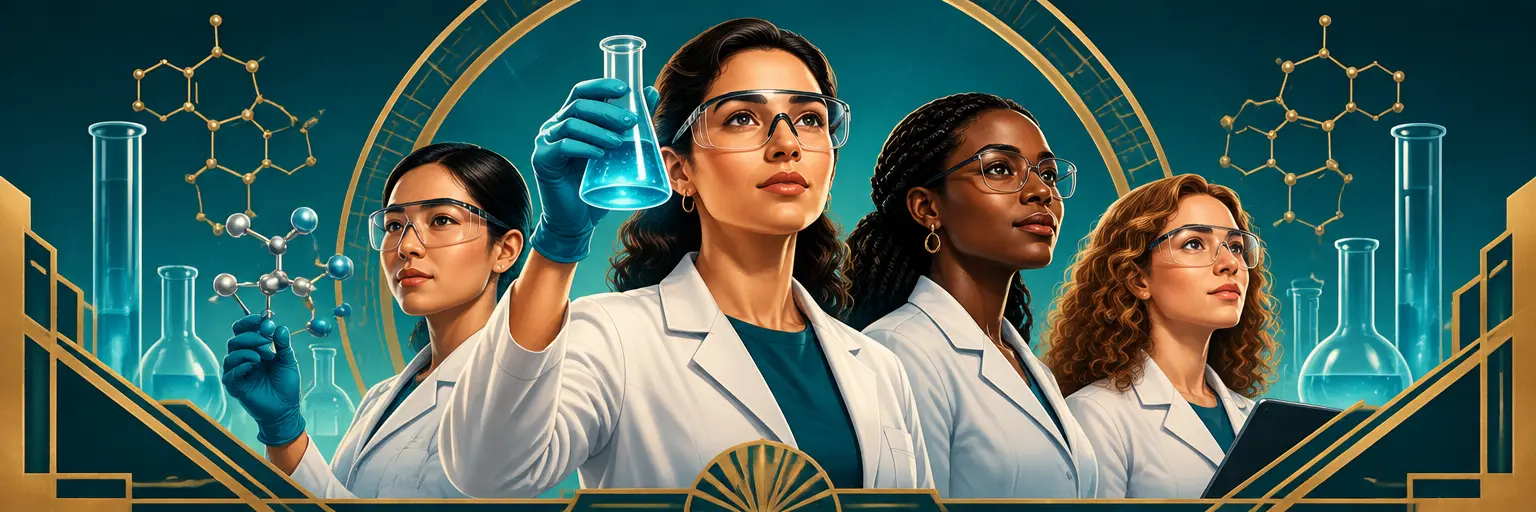
Explore the groundbreaking achievements of 21st century women in chemistry, where innovation meets resilience in the modern lab. From Nobel Prize winners like Frances Arnold to rising leaders in sustainable materials, these scientists are redefining molecular science, tackling global challenges from climate change to medicine. Their work spans green chemistry, nanotechnology, and drug discovery, often overcoming systemic barriers to advance the field. Discover how these trailblazers are not only making pivotal discoveries but also mentoring the next wave of female chemists, ensuring a more inclusive future in STEM. Their stories highlight the power of curiosity, collaboration, and persistence in shaping today’s chemical landscape. Join us in celebrating the visionaries who are writing the present and future of chemistry—one breakthrough at a time.
🌟 Discover the inspiring stories of women chemists shaping the future of gene editing, highlighting the crucial role of women in gene…
Read article
🌟 Discover how women are revolutionizing modern chemistry through their pioneering roles in polymer science, breaking barriers and inspiring future generations. Women’s…
Read article
🌟 Celebrating women chemistry breakthroughs 21st century, this article highlights pioneering women blending disciplines to drive innovative scientific discoveries, inspiring future generations…
Read article
🌟 Discover inspiring Award-winning women chemists stories that highlight their groundbreaking contributions, overcoming challenges in male-dominated fields, and shaping the future of…
Read article
😊 Discover how women chemists mentorship opportunities are shaping the future of science by empowering the next generation, highlighting the pivotal roles…
Read articleWelcome to our dedicated section on 21st Century Women in Chemistry, a vibrant subcategory within our Chemistry collection at WomenInScienceHistory.com. Here, we spotlight the extraordinary female chemists who are reshaping our world through groundbreaking research, sustainable practices, and transformative discoveries. From Nobel laureates to emerging leaders, these scientists navigate complex challenges in nanotechnology, green chemistry, and pharmaceuticals, proving that gender is no barrier to genius. Dive into their inspiring journeys, understand their pivotal contributions, and see how their work continues to influence global industries and inspire the next generation of women in STEM.
In the 21st century, women chemists have achieved pinnacle honors, including the Nobel Prize, for work that redefines scientific boundaries. For example, Frances Arnold won the 2018 Nobel Prize in Chemistry for her directed evolution of enzymes, revolutionizing how we produce biofuels and pharmaceuticals. Similarly, Carolyn Bertozzi’s 2022 Nobel-winning bioorthogonal chemistry enables researchers to track cellular processes in living organisms without disruption. This section unpacks their methodologies, the obstacles they overcame, and how their innovations are applied in medicine and industry today.
Readers will gain a deep understanding of how these discoveries solve real-world problems, from targeted cancer therapies to greener chemical manufacturing. We also explore collaborative projects where women lead international teams, highlighting the growing diversity in high-stakes research environments. Expect detailed case studies that connect laboratory breakthroughs to tangible societal benefits, emphasizing the critical role of women in advancing chemical science.
Sustainability is a defining challenge of our era, and 21st-century women chemists are at the forefront of developing eco-friendly alternatives. Researchers like Jennifer Holmgren, CEO of LanzaTech, are converting carbon emissions into useful chemicals, while others pioneer biodegradable plastics and non-toxic solvents. This segment focuses on how female scientists are reshaping industrial processes to reduce waste and energy consumption, aligning with global climate goals. You’ll discover innovations in catalysis, renewable feedstocks, and closed-loop systems that promise a cleaner future.
By highlighting career trajectories and mentorship initiatives, we show how women are building networks to amplify sustainable chemistry’s impact. We also examine policy advocacy, where these chemists influence regulations that favor green practices. For aspiring scientists, this content offers actionable insights into entering this field, including educational pathways and research opportunities that prioritize environmental stewardship alongside scientific excellence.
Women chemists have been pivotal in developing life-saving drugs and diagnostic tools in the 21st century. From designing COVID-19 vaccines to creating targeted cancer therapeutics, their contributions are saving millions of lives. This section profiles researchers like Katalin Karikó, whose mRNA technology underpins effective vaccines, and Chuan He, who studies RNA modifications for disease intervention. We break down their complex chemical processes into understandable terms, illustrating the journey from lab bench to clinical application.
Additionally, we explore how female-led teams are addressing neglected diseases, improving drug delivery systems, and reducing side effects through precision chemistry. Interviews and expert commentaries reveal the perseverance required to secure funding and overcome systemic biases in the pharmaceutical industry. This content is invaluable for students and professionals interested in medicinal chemistry, offering both inspiration and practical career guidance.
The 21st century has witnessed unprecedented international collaboration, with women chemists leading cross-border projects that tackle global challenges. Initiatives like the International Year of Basic Sciences for Sustainable Development showcase female leadership in unifying chemistry with physics, biology, and engineering. This section highlights how women break silos, fostering open-science platforms and data-sharing networks that accelerate innovation. You’ll read about virtual labs, crowdsourced research, and partnerships between academia and industry that thrive under their guidance.
We also cover the role of women in chemical education, developing curricula that inspire underrepresented groups. By sharing their experiences in navigating cultural and logistical hurdles, these chemists provide a roadmap for building a more inclusive scientific community. Expect inspiring case studies, practical tips for international collaboration, and a look at future trends where female leadership will be crucial.
Despite progress, women in chemistry still face significant challenges, including implicit bias, unequal funding, and workplace harassment. This section confronts these issues head-on, featuring candid narratives from chemists who advocate for systemic change. We discuss initiatives like #STEMtheGap, mentoring programs, and institutional policies that promote gender equity. By analyzing data on publication rates, grant awards, and leadership roles, we highlight both achievements and persistent gaps, offering evidence-based strategies for improvement.
Readers will find practical resources, such as networking groups, fellowship opportunities, and allyship guides, to support women at every career stage. Through personal stories of resilience, we aim to empower readers to challenge norms and create environments where talent flourishes. This content not only informs but also mobilizes action, encouraging everyone to play a role in advancing diversity in chemistry.
Key achievements include Nobel Prizes (Frances Arnold 2018, Carolyn Bertozzi 2022), mRNA vaccine technology by Katalin Karikó, and breakthroughs in sustainable catalysis and green chemistry. These innovations have transformed medicine, energy, and manufacturing, earning global recognition and driving new industries.
Start with strong STEM education, seek internships in research labs, and join professional organizations like the American Chemical Society’s Women Chemists Committee. Mentorship and peer networks provide guidance, while grants like the NSF’s ADVANCE program support women’s careers. Persistence and collaboration are key to overcoming systemic barriers.
Persistent issues include implicit bias in hiring and publishing, unequal access to funding, and work-life balance pressures. Studies show women receive less startup capital and face higher scrutiny in peer review. Advocacy and institution-wide policies are essential to creating equitable environments.
WomenInScienceHistory.com offers extensive profiles, and resources like the Royal Society of Chemistry’s “175 Faces of Chemistry” or Nobel Prize official bios provide in-depth narratives. Academic journals and university websites also feature interviews and career highlights.
Women bring diverse perspectives to design sustainable processes, prioritizing long-term environmental health. Studies correlate diverse teams with higher innovation in green chemistry, leading to safer solvents, efficient energy use, and reduced waste. Their leadership drives policy and industry adoption of eco-friendly practices.