
From Plant Pigments to Vital Vitamins: Women's Discoveries in Phytochemistry


Welcome to WomenInScienceHistory.com!
Delve into the fascinating world where botanical wonders meet brilliant minds. This week, we're exploring Women’s phytochemistry historical discoveries, uncovering the pivotal roles women played in unraveling the secrets hidden within plants. But what vital vitamins and groundbreaking compounds were actually discovered by these pioneering female scientists? Prepare to be amazed as we shed light on their remarkable contributions and the enduring impact they have on modern science.
- Introduction: Celebrating Women's Contributions to Phytochemistry
- Early Pioneers: Unveiling Plant Pigments and Their Secrets
- Vitamin Pioneers: Isolating and Identifying Essential Nutrients
- Women's Influence on Understanding Plant-Based Medicines
- Modern Phytochemistry: Building on the Foundations Laid by Women
- The Impact of Women's Phytochemistry Historical Discoveries
- Conclusion: Recognizing the Enduring Influence of Women in Plant Chemistry
-
Frequently Asked Questions
- How has WomenInScienceHistory.com helped to highlight women's contributions to science?
- What is phytochemistry, and why is it significant?
- What are some examples of "Women’s phytochemistry historical discoveries" that the website focuses on?
- What challenges did women in phytochemistry historically face?
- How does WomenInScienceHistory.com aim to inspire future generations?
- Final Reflection: Illuminating the Path Forward
- Unveil Nature's Secrets: Your Phytochemical Adventure Awaits!
Introduction: Celebrating Women's Contributions to Phytochemistry
The Undervalued Legacy of Women in Plant Chemistry
Throughout history, the profound contributions of women to the scientific understanding of plants and their chemical compounds, a field known as phytochemistry, have often been relegated to the footnotes of academic texts or entirely overlooked. Despite facing systemic barriers such as limited access to education, research facilities, and recognition, countless pioneering women dedicated their lives to unraveling the complex mysteries of plant chemistry.
Their tireless efforts laid crucial groundwork in areas ranging from the identification of plant pigments to the isolation of essential vitamins, yet their names and groundbreaking women’s phytochemistry historical discoveries rarely receive the prominence they deserve in mainstream scientific narratives.
This historical oversight not only diminishes the true breadth of human ingenuity but also perpetuates a skewed perception of scientific progress as a predominantly male endeavor. By shining a light on these remarkable individuals, we begin to correct the historical record, acknowledging the invaluable insights they provided into plant biology, medicine, and nutrition. Their work, often conducted in isolation or against significant societal resistance, represents a vital, albeit frequently uncredited, chapter in the evolution of our understanding of the natural world.
Why Focus on Women's Historical Discoveries in Phytochemistry?
Focusing on women’s phytochemistry historical discoveries is not merely an exercise in historical correction; it is a critical step towards fostering a more inclusive and inspiring vision of science. By highlighting the achievements of women who excelled in plant chemistry, we provide powerful role models for current and future generations of aspiring scientists, particularly young women who might otherwise feel disconnected from the historical narrative of scientific innovation. These stories demonstrate resilience, intellectual rigor, and an unwavering commitment to discovery in the face of adversity.
Furthermore, a comprehensive understanding of these historical contributions offers a richer, more accurate tapestry of scientific development. It reveals how diverse perspectives and approaches have always been integral to scientific advancement, even when those contributions were systematically marginalized. Exploring these women’s phytochemistry historical discoveries allows us to appreciate the full spectrum of intellectual effort that has shaped our knowledge of plant compounds and their profound impact on human health and well-being.
Early Pioneers: Unveiling Plant Pigments and Their Secrets
Chlorophyll and Carotenoids: Katherine Esau's Groundbreaking Work
Katherine Esau, a celebrated botanist and plant anatomist, made foundational contributions that, while not directly involving the chemical isolation of chlorophyll or carotenoids, were absolutely crucial to understanding where and how these vital pigments function within plant cells. Her meticulous microscopic studies and detailed anatomical descriptions of chloroplasts, the organelles responsible for photosynthesis, provided an unparalleled visual and structural context for the biochemical processes of light absorption. Her seminal textbook, "Plant Anatomy," first published in 1953, became an indispensable resource for generations of botanists and biochemists, offering intricate details on the cellular localization of pigments.
Esau's work provided the essential structural framework that allowed phytochemists to later understand the precise environment in which chlorophyll captures light energy and carotenoids play their protective roles. By clearly delineating the morphology and ultrastructure of plant cells, she laid the groundwork for sophisticated biochemical investigations into pigment synthesis, degradation, and function. Her precise illustrations and detailed explanations brought clarity to the complex internal architecture of plants, making it possible to correlate specific cellular structures with the chemical reactions occurring within them, thereby underpinning future women’s phytochemistry historical discoveries.
Anthocyanins and Flavonoids: Muriel Wheldale Onslow's Contributions to Pigment Research
Muriel Wheldale Onslow stands as a towering figure among early phytochemists, particularly for her pioneering investigations into the genetics and biochemistry of flower pigments, namely anthocyanins and flavonoids. Working at Cambridge University in the early 20th century, Onslow was among the first to systematically apply chemical and genetic principles to unravel the intricate pathways controlling plant coloration. Her research demonstrated that the vibrant hues of flowers were not merely aesthetic but were governed by complex biochemical reactions influenced by specific genes, a radical idea for her time.
Onslow's groundbreaking 1916 book, "The Anthocyanin Pigments of Plants," became a cornerstone text, detailing her chemical analyses and genetic crosses that elucidated the synthesis of these pigments. She further solidified her legacy with "The Principles of Plant Biochemistry," published in 1925, which highlighted the interconnectedness of plant chemistry and genetics. Her meticulous work established the genetic control over the synthesis of these complex plant compounds, paving the way for future women’s phytochemistry historical discoveries in understanding the vast diversity and functional roles of plant secondary metabolites.
Breaking Barriers: Challenges Faced by Early Women Phytochemists
The path for early women phytochemists was fraught with formidable challenges, deeply rooted in the pervasive gender biases of the late 19th and early 20th centuries. Women like Katherine Esau and Muriel Wheldale Onslow frequently encountered systemic discrimination that limited their access to formal education, proper laboratory facilities, and professional networks. They were often denied faculty positions, relegated to unpaid research roles, or given titles that did not reflect the true scope and significance of their work, significantly hindering their career progression and recognition.
Despite these immense obstacles, their intellectual curiosity and unwavering dedication propelled them forward. Many conducted their groundbreaking research with limited resources, often in makeshift labs or through sheer personal initiative. Their perseverance not only led to vital women’s phytochemistry historical discoveries but also chipped away at the entrenched prejudices of the scientific establishment, gradually opening doors for subsequent generations of women in science. Their stories are powerful testaments to resilience and the enduring human drive for knowledge.
Vitamin Pioneers: Isolating and Identifying Essential Nutrients
Vitamin A and Carotenoids: Hazel K. Stiebeling's Connection
While not directly involved in the initial isolation of Vitamin A, Hazel K. Stiebeling, a prominent American nutritionist and head of the USDA Bureau of Home Economics from 1942 to 1956, played a pivotal role in establishing the nutritional importance of foods rich in Vitamin A precursors, particularly carotenoids found in plants. Her extensive dietary surveys and meticulous analyses of food composition provided critical data on the availability and consumption of these essential plant-derived compounds.
Stiebeling’s work shifted public health focus towards incorporating carotenoid-rich fruits and vegetables into daily diets, making a direct link between plant phytochemistry and human nutritional well-being.
During periods of national crisis, such as the Great Depression and World War II, Stiebeling’s research informed national food policies and public health campaigns. Her widely influential "Basic Seven" food guide, developed in the 1940s, emphasized the consumption of specific plant groups known to be rich in carotenoids, such as leafy green and yellow vegetables, to prevent nutritional deficiencies. Her efforts were instrumental in translating complex phytochemical knowledge into actionable dietary advice for millions, underscoring the practical impact of women’s phytochemistry historical discoveries on everyday life.
Vitamin E's Discovery: Gladys Emerson's Antioxidant Insights
Gladys Emerson was instrumental in the isolation and characterization of alpha-tocopherol, later identified as Vitamin E, in the 1930s. Working alongside Herbert M. Evans at the University of California, Berkeley, Emerson’s meticulous biochemical investigations were crucial in pinpointing the specific compound responsible for the anti-sterility factor previously observed in plant oils. Her precise experimental work helped to chemically identify the fat-soluble vitamin found abundantly in wheat germ oil and other plant sources, marking a significant women’s phytochemistry historical discovery.
Emerson’s research extended beyond mere isolation, delving into the biological functions of Vitamin E. Her work demonstrated its critical role as an antioxidant, protecting cellular membranes from oxidative damage. This insight into its protective properties laid the groundwork for understanding Vitamin E’s broader health benefits and its importance in preventing various diseases. Later in her career, at the Merck Institute for Therapeutic Research, she continued to contribute significantly to nutritional science, further solidifying the understanding of essential plant-derived nutrients.
Vitamin B Complex: Lucy Wills's Role in Elucidating Folate
Lucy Wills, a brilliant British physician and hematologist, made a groundbreaking women’s phytochemistry historical discovery in the late 1920s while researching severe anemia in pregnant women in Bombay, India. She observed that a particular form of macrocytic anemia, prevalent among pregnant women of lower socioeconomic status, could be treated by a factor found in yeast extract and, crucially, in various plant-based foods. This unknown substance, which she termed the "Wills Factor," was later identified as folate (folic acid), a vital member of the B vitamin complex.
Wills’s meticulous clinical observations and dietary experiments, which involved feeding different diets to monkeys and then observing their blood counts, demonstrated a direct link between dietary intake of certain plant-derived compounds and the prevention of this debilitating anemia. Her work was pivotal in establishing the nutritional basis of macrocytic anemia and paved the way for the eventual isolation and synthesis of folic acid. Her discovery has had an enduring impact on public health, leading to folate supplementation programs that have significantly reduced the incidence of neural tube defects and other pregnancy complications globally.
Women's Influence on Understanding Plant-Based Medicines
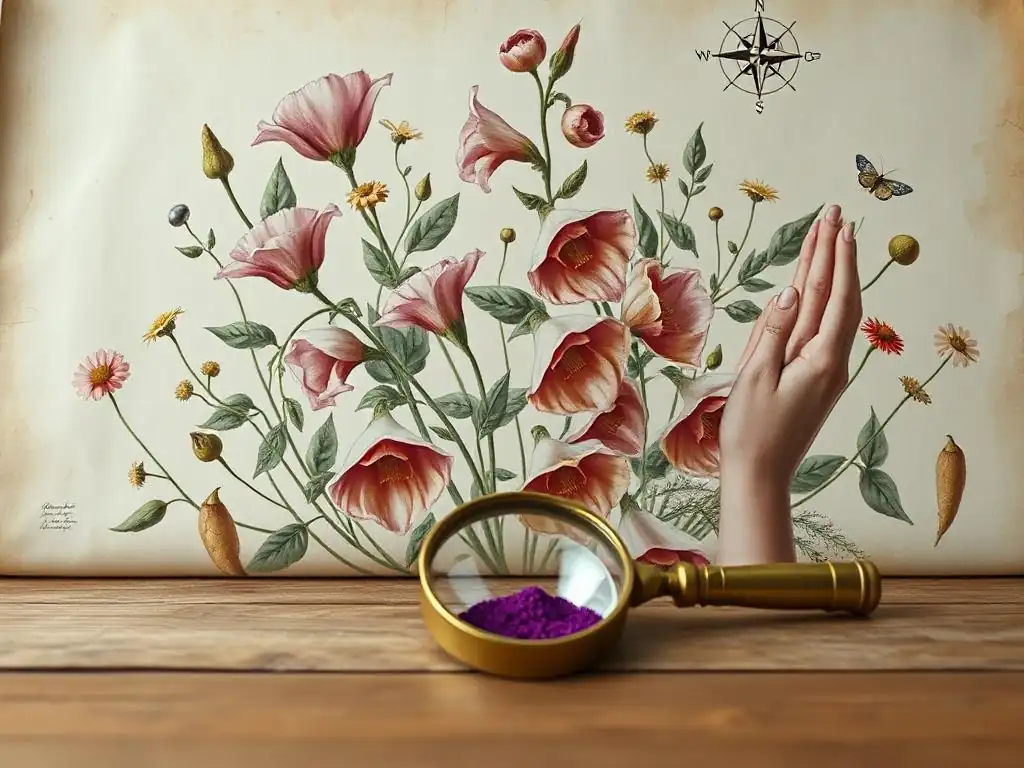
Alkaloid Research: Anna J. Harrison's Contributions to Understanding Chemical Reactions
Anna J. Harrison, a distinguished physical organic chemist, made significant contributions to the fundamental understanding of chemical reactions and molecular structures, which were indispensable for the advancement of alkaloid research. While her primary focus was not on isolating specific plant alkaloids, her expertise in spectroscopy and the elucidation of organic reaction mechanisms provided the essential tools and theoretical framework necessary to characterize these complex, nitrogen-containing compounds found in plants. Her work on the physical and chemical properties of organic molecules, particularly through techniques like UV-Vis spectroscopy, allowed for the precise identification and structural analysis of newly isolated alkaloids.
Harrison's rigorous approach to understanding how molecules interact and transform under various conditions was crucial for the field of natural product chemistry, including the study of alkaloids. Her research and teaching helped to train a generation of chemists who possessed the analytical acumen required to dissect the intricate structures of plant-derived medicinal compounds. By providing a deeper understanding of fundamental chemical principles, Harrison indirectly but profoundly contributed to the ability of phytochemists to isolate, synthesize, and modify alkaloids for pharmaceutical purposes, thereby bolstering the practical applications of women’s phytochemistry historical discoveries.
The Intersection of Phytochemistry and Pharmacology: Women's Pioneering Efforts
The bridge between identifying plant compounds and understanding their biological effects – the intersection of phytochemistry and pharmacology – has been significantly strengthened by the pioneering efforts of women scientists. These researchers ventured beyond mere isolation, delving into the mechanisms by which plant-derived molecules interact with biological systems. For instance, early pharmacological studies often involved crude plant extracts, but women played key roles in purifying active compounds and then systematically testing their effects on isolated tissues or living organisms.
Their contributions were critical in establishing the therapeutic potential of numerous plant-based medicines. By meticulously documenting the pharmacological activities of compounds like alkaloids, glycosides, and saponins, these women laid the groundwork for modern drug discovery. Their work not only validated traditional uses of medicinal plants but also opened new avenues for developing novel pharmaceuticals, directly showcasing the profound impact of women’s phytochemistry historical discoveries on global health.
Modern Phytochemistry: Building on the Foundations Laid by Women
Advancements in Analytical Techniques: Rosalind Franklin's Impact
The field of modern phytochemistry heavily relies on sophisticated analytical techniques to identify, quantify, and characterize complex plant compounds. Rosalind Franklin, while most renowned for her pivotal work on the structure of DNA, made groundbreaking contributions to X-ray crystallography, a technique that revolutionized the ability to determine the precise atomic structures of organic molecules, including phytochemicals. Her meticulous and precise X-ray diffraction images, particularly "Photo 51," were instrumental in revealing the helical structure of DNA, but the underlying principles and methodologies she perfected were universally applicable to a vast array of biological and chemical compounds.
Franklin's rigorous approach to X-ray diffraction provided an unprecedented level of detail about molecular architecture. This analytical precision became an indispensable tool in phytochemistry, allowing scientists to definitively determine the exact spatial arrangement of atoms within newly isolated plant compounds. Such structural elucidation is crucial for understanding the biological activity of phytochemicals and for guiding the synthesis of new drugs. Her foundational work in crystallography, therefore, profoundly impacted the trajectory of modern structural phytochemistry, enabling countless women’s phytochemistry historical discoveries in the decades that followed.
Phytochemicals and Human Health: Joanne Chory's Research on Plant Hormones and Plant Biology
Joanne Chory, a leading plant biologist and geneticist, has made extraordinary contributions to our understanding of plant growth, development, and how plants respond to their environment. Her seminal work on plant hormones, particularly brassinosteroids, and the mechanisms by which plants perceive light, provides fundamental insights into the very processes that govern the synthesis of phytochemicals. While her research does not directly focus on human health applications of specific phytochemicals, her discoveries about plant signaling pathways and internal regulatory mechanisms are critical for understanding how plants produce the vast array of compounds that ultimately benefit human health.
Chory's investigations into plant genomics and molecular biology have illuminated the genetic blueprints that dictate phytochemical production. By unraveling the complexities of plant metabolism and development, her work has opened doors to manipulating plant systems to enhance the production of beneficial compounds, whether for nutritional purposes or pharmaceutical applications. Her foundational research in plant biology, therefore, deeply underpins the understanding of the origins and diversity of phytochemicals, continuing the legacy of women’s phytochemistry historical discoveries by exploring the intricate chemical factories within plants.
Women Leading the Way in Contemporary Plant Science
Building upon the enduring legacy of early pioneers, women are increasingly at the forefront of contemporary plant science and phytochemistry. Today, female scientists hold prominent positions in academia, industry, and government research institutions, leading cutting-edge research in diverse areas. From developing drought-resistant crops to discovering novel plant-derived drugs, their contributions are shaping the future of agriculture, medicine, and environmental sustainability.
These modern leaders are utilizing advanced technologies like genomics, metabolomics, and synthetic biology to explore plant chemistry with unprecedented detail. They are not only making groundbreaking discoveries but also actively mentoring the next generation of researchers, fostering inclusive scientific communities. Their continued success and visibility are crucial for inspiring young women globally to pursue careers in STEM, ensuring that the field of phytochemistry continues to thrive with diverse perspectives and innovative approaches.
The Impact of Women's Phytochemistry Historical Discoveries
Shaping Our Understanding of Plant Biology and Human Health
The cumulative women’s phytochemistry historical discoveries have profoundly shaped our understanding of both fundamental plant biology and its intricate connections to human health. From the meticulous anatomical descriptions that contextualized pigment function to the groundbreaking isolation of essential vitamins, these women provided foundational insights that continue to resonate in modern science. Their work revealed the complex metabolic pathways within plants, demonstrating how these organisms synthesize a vast array of compounds crucial for their own survival and for the well-being of other life forms, including humans.
Moreover, their contributions directly paved the way for advancements in medicine and nutrition. The identification of vitamins from plant sources led to the eradication of deficiency diseases, while the characterization of medicinal plant compounds provided the blueprints for numerous pharmaceutical drugs. This rich legacy underscores how women’s intellectual rigor and persistent inquiry have been instrumental in transforming scientific knowledge into tangible benefits for global health and agricultural practices.
Inspiring Future Generations of Women in Science
Recognizing and celebrating the women’s phytochemistry historical discoveries is paramount for inspiring future generations of women to pursue careers in science, technology, engineering, and mathematics (STEM). When young girls and women see themselves reflected in the narratives of scientific achievement, it dismantles stereotypes and demonstrates that scientific inquiry is a field open to all. The stories of resilience, intellectual prowess, and groundbreaking discoveries by pioneers like Muriel Wheldale Onslow, Gladys Emerson, and Lucy Wills serve as powerful motivators, showing that significant contributions are possible despite societal barriers.
By providing visible role models, we encourage aspiring female scientists to overcome challenges, pursue their passions, and contribute their unique perspectives to scientific endeavors. This visibility is not just about historical accuracy; it is about building a more equitable and innovative future for science, where talent knows no gender.
Preserving and Promoting the Legacy of Women in Phytochemistry
Preserving and actively promoting the legacy of women’s phytochemistry historical discoveries is a vital ongoing endeavor. This involves more than just mentioning names; it requires dedicated research into historical records, archives, and scientific publications to unearth the full scope of their contributions. Platforms like WomenInScienceHistory.com play a crucial role in disseminating these often-overlooked narratives to a wider audience, ensuring that these pioneering achievements are not forgotten but rather celebrated as integral parts of scientific history.
By integrating these stories into educational curricula, public outreach programs, and scientific discourse, we ensure that their impact continues to be recognized and appreciated. This commitment to historical accuracy and public promotion helps to rectify past omissions and establishes a comprehensive understanding of scientific progress, driven by the diverse intellectual power of both men and women throughout history.
Conclusion: Recognizing the Enduring Influence of Women in Plant Chemistry
A Call to Acknowledge and Celebrate Women's Phytochemical Achievements
The journey through the women’s phytochemistry historical discoveries reveals a profound and often unacknowledged impact on our understanding of plant compounds and their significance for life. From unraveling the vibrant chemistry of plant pigments to isolating essential vitamins and exploring the medicinal properties of botanical extracts, women scientists have consistently pushed the boundaries of knowledge. Their ingenuity, resilience, and unwavering dedication in the face of systemic barriers have fundamentally shaped the fields of biochemistry, nutrition, and pharmacology.
It is imperative that the scientific community and the broader public actively acknowledge and celebrate these monumental achievements. By giving these pioneers the recognition they deserve, we not only honor their individual legacies but also paint a more accurate and inspiring picture of scientific progress. This acknowledgment is not merely a historical exercise; it is a vital step toward a more equitable and inclusive future for science, where every contribution is valued regardless of gender.
Looking Ahead: Supporting Women in Science and Plant Research
As we look ahead, the enduring influence of women’s phytochemistry historical discoveries continues to inspire and inform contemporary research. However, the work is far from over. Ongoing efforts are needed to dismantle remaining systemic biases, provide equitable opportunities, and foster supportive environments for women in science, particularly in plant research and related fields. Investing in mentorship programs, promoting diverse leadership, and ensuring fair access to resources are crucial steps toward nurturing the next generation of female innovators.
By actively supporting women in plant science, we ensure a richer, more dynamic future for the field. The complex challenges facing our planet, from climate change to global health crises, demand the full spectrum of human intellect and creativity. Empowering women to lead and innovate in phytochemistry will undoubtedly yield groundbreaking solutions, building directly upon the remarkable foundations laid by the pioneering women who came before them.
Frequently Asked Questions
How has WomenInScienceHistory.com helped to highlight women's contributions to science?
The website celebrates women's scientific accomplishments through biographies and discussions of their work. It also addresses the challenges they faced in their fields.
What is phytochemistry, and why is it significant?
Phytochemistry is the study of chemicals found in plants. It's significant because these chemicals impact human health, agriculture, and various other fields.
What are some examples of "Women’s phytochemistry historical discoveries" that the website focuses on?
The website explores discoveries ranging from plant pigments to vital vitamins. It spotlights women who pioneered these areas of research.
What challenges did women in phytochemistry historically face?
Women often encountered gender bias and limited access to resources and opportunities. They had to overcome these hurdles to make their contributions.
How does WomenInScienceHistory.com aim to inspire future generations?
By showcasing the achievements of female scientists, the website aims to motivate young women to pursue careers in science. It helps to break down stereotypes and shows what's possible.
Final Reflection: Illuminating the Path Forward
The journey through the historical discoveries of women in phytochemistry reveals not only groundbreaking scientific advancements but also a profound narrative of resilience and perseverance. These unsung heroes, often overlooked in traditional historical accounts, have fundamentally shaped our understanding of plant-derived compounds and their vital role in human health. Their contributions, from isolating crucial vitamins to identifying potent medicinal properties, continue to resonate deeply within the scientific community and beyond, impacting our daily lives in ways we may not even realize.
The impact of these women extends far beyond the laboratory, influencing the cultural understanding of nutrition and medicine. Their dedication to unraveling the secrets of plants has paved the way for countless advancements in healthcare and agriculture, underscoring the importance of recognizing and celebrating the contributions of marginalized voices in science. The important thing is to never stop questioning.
This quote, often attributed to Albert Einstein, perfectly encapsulates the spirit of these pioneering women, who dared to challenge conventional wisdom and pursue knowledge with unwavering determination.
As we reflect on the legacy of these remarkable women, let us be inspired to cultivate a more inclusive and equitable scientific landscape. Let us actively seek out and amplify the voices of underrepresented groups, ensuring that future generations have the opportunity to build upon the foundations laid by these phytochemistry pioneers. Consider how you can champion diversity and inclusion in your own sphere of influence, fostering an environment where innovation thrives and the brilliance of all individuals is recognized and celebrated.
Unveil Nature's Secrets: Your Phytochemical Adventure Awaits!
Thank you for exploring the remarkable contributions of women in phytochemistry. You've now uncovered the vital roles plant pigments and vitamins play in our lives. It's time to put that knowledge into action!
Here’s how you can continue your journey:
- Embark on a "Pigment Power" challenge: Incorporate one new colorful fruit or vegetable into your diet each week for a month, and document how it makes you feel. Share your experience with friends!
- Delve deeper: Research a specific woman in phytochemistry mentioned in the article and share your findings on social media, using the hashtag #WomenInScienceHistory.
- Explore the botanical world: Visit a local botanical garden or nature preserve and identify plant species known for their unique phytochemical compositions.
Ready to transform your understanding of plant power into a personal experience? Share in the comments which colorful addition you will be adding to your menu next!