
The Chemical Ceiling: Stories of Women Who Smashed Through (19502000)

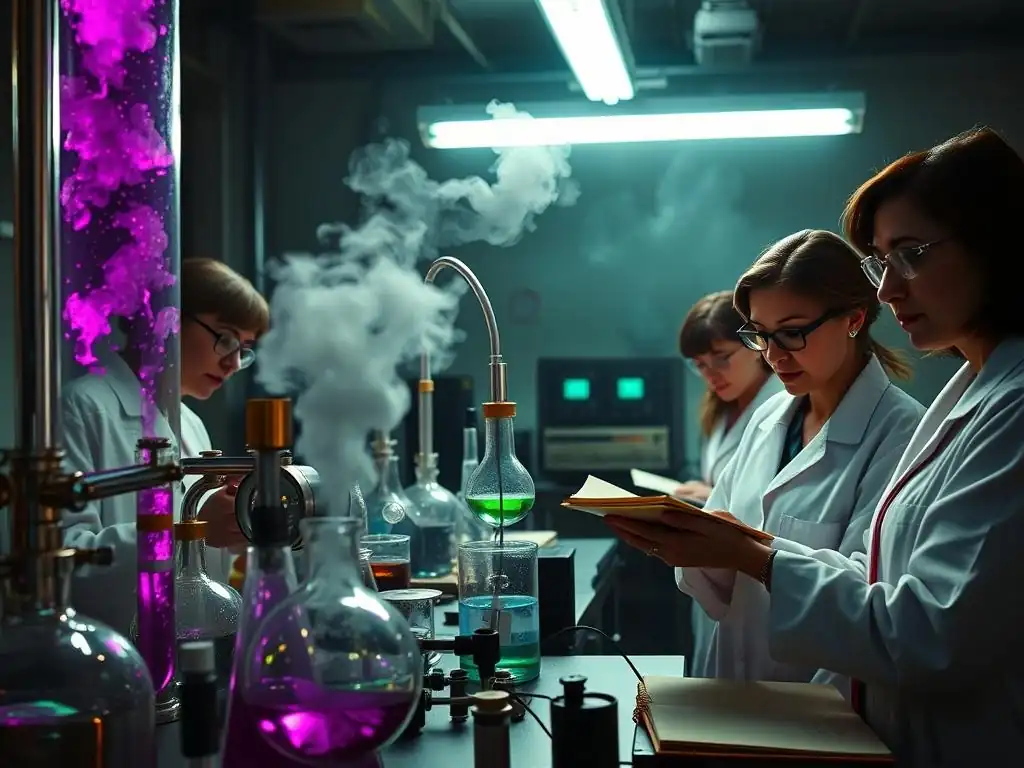
Welcome to WomenInScienceHistory.com!
Prepare to be inspired. This website unveils the untold stories of women who dared to challenge the status quo and leave an indelible mark on science. Today, we delve into the fascinating world of Women’s chemical research from 1950-2000, exploring the groundbreaking discoveries and persistent obstacles faced by these brilliant minds. What fueled their passion, and how did they overcome the "Chemical Ceiling"? Read on to discover the incredible contributions of these pioneers in chemistry and their lasting legacy.
- Introduction: Women’s Chemical Research 1950-2000 - A Time of Transition
- Pioneering Women in Chemistry (1950-2000): Breaking New Ground
-
Key Areas of Women's Contribution to Chemistry (1950-2000)
- Advancements in Organic Chemistry: Women Leading the Way
- Innovations in Biochemistry: Women's Impact on Understanding Life at the Molecular Level
- Progress in Inorganic Chemistry: Expanding Our Knowledge of Chemical Compounds
- Environmental Chemistry: Female Scientists Addressing Pollution and Sustainability
- The Impact of Social and Political Changes on Women in Chemistry
- Challenges Remaining: Addressing Gender Inequality in Chemistry Today
- Conclusion: Legacy and Inspiration - The Enduring Impact of Women’s Chemical Research 1950-2000
-
Frequently Asked Questions
- What kinds of chemical research did women engage in between 1950 and 2000?
- What were some of the major challenges women faced in chemical research during this period?
- Can you name a few prominent women who made significant contributions to chemical research between 1950 and 2000?
- How did the landscape of women’s chemical research change from 1950 to 2000?
- Why is it important to highlight the history of women in chemical research?
- Final Reflection: Breaking Barriers, Building Futures
- Unveil Your Inner Trailblazer!
Introduction: Women’s Chemical Research 1950-2000 - A Time of Transition
The Prevailing Barriers: Gender Bias in Mid-Century Chemistry
During the mid-20th century, the landscape of science, particularly chemistry, was predominantly male-dominated. Women aspiring to careers in chemical research faced significant systemic barriers, including limited access to higher education, research funding, and professional networks. Universities often had quotas or informal biases that restricted female enrollment in advanced science programs, and even for those who earned degrees, job opportunities in industrial or academic settings were scarce and often relegated to supportive, rather than leading, roles. This pervasive gender bias meant that many talented women were either deterred from pursuing chemistry or found their contributions undervalued and overlooked.
Furthermore, societal expectations often pushed women towards domestic roles, making it challenging to balance family life with demanding scientific careers. Laboratories and scientific institutions were not typically designed to accommodate women, lacking facilities and support systems that would enable them to thrive.
The "old boys' network" was strong, and women were frequently excluded from informal discussions, mentorship opportunities, and collaborative projects that were crucial for career advancement. This created a "chemical ceiling" that prevented many brilliant female chemists from reaching their full potential and gaining the recognition they deserved for their groundbreaking work during this pivotal period of women’s chemical research 1950-2000.
Celebrating Female Chemists: Overcoming Obstacles and Achieving Recognition
Despite these formidable obstacles, the period from 1950 to 2000 saw an increasing number of resilient and brilliant female chemists who not only persevered but made profound contributions to the field. These women often had to work twice as hard to prove their capabilities, challenging entrenched prejudices and demonstrating exceptional intellectual rigor and dedication. Their stories are not just about scientific discovery but also about immense personal courage and tenacity in the face of adversity. Many of these pioneering women in chemistry became role models, inspiring future generations to pursue scientific careers despite the prevailing gender norms.
The recognition for their work, though sometimes delayed or incomplete, began to emerge, slowly chipping away at the "chemical ceiling." Awards, academic appointments, and increased visibility in scientific publications helped to validate their critical roles in advancing chemical knowledge. This era of women’s chemical research 1950-2000 marked a crucial transition, laying the groundwork for greater gender equality in science and highlighting the indispensable impact of women's contributions across various chemical disciplines, from biochemistry to nuclear chemistry.
Pioneering Women in Chemistry (1950-2000): Breaking New Ground
Dorothy Hodgkin: X-ray Crystallography and the Structure of Complex Molecules
Hodgkin's Early Life and Education: A Passion for Chemistry
Dorothy Hodgkin was born in Cairo, Egypt, in 1910, to British parents with an interest in archaeology. From a young age, she displayed a keen interest in chemistry and crystallography. She attended Somerville College, Oxford, graduating with a first-class honours degree in Chemistry in 1932. Her early academic success was remarkable given the limited opportunities for women in science at the time. She then moved to Cambridge University to pursue her doctoral studies under J.D. Bernal, a pioneer in X-ray crystallography, where she refined her skills in this nascent technique.
Returning to Oxford in 1934, Hodgkin established her own research group, even as a young woman in a male-dominated faculty. Her dedication to her research was unwavering, even as she managed a growing family and battled rheumatoid arthritis, which severely affected her hands later in life. Her methodical approach and profound understanding of X-ray diffraction laid the foundation for her monumental achievements in structural chemistry, particularly in the realm of complex biological molecules.
Groundbreaking Research: Unraveling the Structures of Penicillin, Vitamin B12, and Insulin
Hodgkin's most significant contributions were in the application of X-ray crystallography to determine the intricate three-dimensional structures of complex organic and biological molecules. Her first major success came during World War II, when she led the team that elucidated the structure of penicillin in 1945. This was a crucial breakthrough, as understanding its precise atomic arrangement was vital for its synthetic production and optimization as an antibiotic. This intricate structure, containing a four-membered beta-lactam ring, was confirmed by Hodgkin's work, providing invaluable information for pharmaceutical development.
Her next triumph was the structure of vitamin B12, a colossal molecule with 181 atoms, which she unveiled in 1955 after nearly a decade of painstaking work. This achievement was unprecedented in its complexity and required innovative computational methods, making it a landmark in biochemical research. Finally, after 35 years of dedicated effort, she solved the structure of insulin in 1969, a protein crucial for regulating blood sugar.
This monumental task involved analyzing over 20,000 X-ray reflections and provided profound insights into how insulin functions at a molecular level, opening new avenues for diabetes research and treatment. These discoveries exemplify the power of X-ray crystallography and Hodgkin's unparalleled skill, significantly advancing women’s chemical research 1950-2000.
Nobel Prize Recognition: A Milestone for Women in Science
In recognition of her extraordinary achievements, Dorothy Hodgkin was awarded the Nobel Prize in Chemistry in 1964 "for her determinations by X-ray techniques of the structures of important biochemical substances." She was the third woman to win the Nobel Prize in Chemistry, following Marie Curie and Irène Joliot-Curie, and the only British woman to win a Nobel Prize in any scientific category. This recognition was a monumental milestone, not only for her personally but for women in science globally.
Her Nobel Prize served as a powerful testament to the fact that women could achieve the highest echelons of scientific excellence, even in a field as technically demanding as structural chemistry. Hodgkin’s humility and dedication, coupled with her groundbreaking scientific results, made her an enduring inspiration. Her legacy continues to motivate countless female scientists, showcasing the profound impact of women’s chemical research 1950-2000 and beyond.
Rosalind Franklin: Unveiling the Secrets of DNA
Franklin's Contributions to DNA Structure: Beyond the "Photo 51" Narrative
Rosalind Franklin, a brilliant physical chemist, made indispensable contributions to the understanding of the molecular structures of DNA, RNA, viruses, coal, and graphite. Her most famous work involved X-ray diffraction images of DNA while working at King's College London in the early 1950s. Among these, "Photo 51," taken in 1952 by her doctoral student Raymond Gosling under her supervision, was the clearest X-ray diffraction pattern of B-form DNA ever produced. This image provided critical visual evidence of DNA's helical structure, confirming its dimensions and the spacing of its nucleotide bases.
While often overshadowed by the narrative surrounding Watson and Crick's discovery of the double helix, Franklin's quantitative analysis of these patterns was crucial. She meticulously deduced that DNA existed in two forms, A and B, and her precise measurements indicated the helical nature, the phosphate backbone on the outside, and the specific distances between repeating units. Her unpublished internal reports and data, including Photo 51, were shared without her explicit knowledge or permission with Watson and Crick, significantly aiding their model building efforts. Her work was foundational, providing the experimental bedrock for the theoretical model.
The Challenges Franklin Faced: Gender Discrimination and Scientific Rivalry
Franklin's career was marked by significant challenges, notably gender discrimination and a highly competitive scientific environment. At King's College London, she faced a hostile atmosphere, being largely excluded from the male-dominated common room and informal discussions that were vital for scientific collaboration. Her supervisor, John Randall, assigned her to work on DNA structure but did not clearly delineate her role from that of Maurice Wilkins, leading to personal and professional friction. Wilkins, in turn, shared Franklin's data, including Photo 51, with Watson and Crick without her consent, a move that has been widely criticized as unethical.
This lack of collaborative spirit and recognition of her intellectual ownership, coupled with the prevailing sexism of the era, profoundly impacted her experience. Despite her rigorous experimental work and insightful analyses, her contributions were often downplayed or attributed to her male colleagues. She moved to Birkbeck College in 1953, where she successfully applied X-ray crystallography to study the structure of viruses, particularly the tobacco mosaic virus, demonstrating her continued brilliance. However, she tragically passed away from ovarian cancer in 1958 at the age of 37, four years before Watson, Crick, and Wilkins were awarded the Nobel Prize for DNA.
Legacy and Recognition: Acknowledging Franklin's Crucial Role
Although Rosalind Franklin did not receive the Nobel Prize for her work on DNA due to her untimely death (the Nobel Prize is not awarded posthumously), her critical role in the discovery of the DNA double helix has gained increasing recognition over time. Historians of science and the scientific community have largely acknowledged that her experimental data and interpretations were indispensable to Watson and Crick's model. Her work provided the empirical evidence that validated their theoretical framework.
Her legacy extends beyond DNA. Her later work on viruses at Birkbeck College was highly influential, contributing significantly to the field of virology. Today, Rosalind Franklin is celebrated as a symbol of scientific integrity and a powerful example of a woman whose brilliant contributions were initially overlooked due to systemic biases. Her story underscores the importance of acknowledging the full spectrum of contributions to scientific discovery and serves as a poignant reminder of the "chemical ceiling" faced by women in science during the mid-20th century.
Darleane Hoffman: Nuclear Chemistry and the Discovery of New Elements
Hoffman's Early Career: Navigating the World of Nuclear Science
Darleane C. Hoffman, born in 1926, embarked on a career in nuclear chemistry at a time when the field was particularly closed to women. After earning her Ph.D. in physical chemistry from Iowa State University in 1951, she joined the Los Alamos Scientific Laboratory (now Los Alamos National Laboratory) in 1953. This was an exceptionally challenging environment for a female scientist, as nuclear research was heavily intertwined with national security and often shrouded in secrecy, with very few women in leadership or even research roles. She was one of the earliest female staff scientists in the nuclear chemistry division.
Despite the pervasive gender imbalance, Hoffman quickly established herself as a meticulous and innovative researcher. Her early work focused on understanding the fission properties of heavy elements, a complex area requiring precision and deep theoretical understanding. She demonstrated an exceptional aptitude for handling radioactive materials and designing experiments to probe the fundamental properties of atomic nuclei, laying the groundwork for her future groundbreaking discoveries in the realm of superheavy elements, contributing significantly to women’s chemical research 1950-2000.
Discoveries in Nuclear Chemistry: Superheavy Elements and Their Properties
Darleane Hoffman's most significant contributions lie in her pioneering work on the chemistry of transuranic and superheavy elements. In the 1970s and 1980s, she led research that aimed to synthesize and characterize elements beyond uranium, pushing the boundaries of the periodic table. Her team was instrumental in confirming the existence and properties of elements like rutherfordium (element 104), dubnium (element 105), and seaborgium (element 106). She was particularly renowned for her work on element 106, seaborgium, being part of the team that chemically confirmed its existence.
A landmark achievement was her research on element 106, which conclusively demonstrated that it behaves as a typical Group 6 transition metal, exhibiting chemical properties consistent with its predicted position in the periodic table. This confirmed the stability of the "island of stability" for superheavy elements, a theoretical prediction that suggested certain superheavy nuclei might be unusually long-lived. Her meticulous experimental techniques and the definitive chemical characterization of these ephemeral elements solidified her reputation as a leading figure in nuclear chemistry.
Mentorship and Advocacy: Supporting Women in STEM
Beyond her scientific discoveries, Darleane Hoffman has been a passionate advocate for diversity and inclusion in STEM, particularly for women. Throughout her career, she actively mentored numerous young scientists, both male and female, fostering a supportive environment in a field that historically offered little encouragement to women. She served as a role model, demonstrating that women could excel in the most challenging and technically demanding areas of science.
Hoffman's commitment to promoting women in STEM extended to her leadership roles, including her appointment as the first woman to lead a division at Los Alamos National Laboratory as the head of the Isotope and Nuclear Chemistry Division from 1987 to 1993. She also became a professor at the University of California, Berkeley, and a faculty senior scientist at Lawrence Berkeley National Laboratory, continuing her research and mentorship.
Her tireless efforts have not only advanced nuclear chemistry but have also paved the way for future generations of women in scientific research, making her a towering figure in women’s chemical research 1950-2000 and beyond.
Key Areas of Women's Contribution to Chemistry (1950-2000)
Advancements in Organic Chemistry: Women Leading the Way
The field of organic chemistry, the study of carbon-containing compounds, saw significant contributions from women during the latter half of the 20th century. This period was marked by an explosion of new synthetic methods, reaction mechanisms, and the development of novel organic materials. Women chemists were at the forefront of designing complex molecules, understanding their reactivity, and applying this knowledge to pharmaceuticals, polymers, and other industrial applications. Their work often involved intricate laboratory techniques and a deep theoretical understanding of chemical bonding and molecular structure.
These contributions were vital for the progress of medicine, materials science, and agriculture. For instance, the development of new synthetic pathways enabled the more efficient production of life-saving drugs and innovative materials with tailored properties. Female organic chemists tackled challenges ranging from the synthesis of natural products to the creation of new catalysts, pushing the boundaries of what was chemically possible and demonstrating the breadth and depth of women’s chemical research 1950-2000.
Mary L. Good: Contributions to Organometallic Chemistry and Industrial Applications
Mary L. Good (1931-2019) was a trailblazer in inorganic and organometallic chemistry, a subfield that bridges organic and inorganic chemistry by studying compounds containing bonds between metals and carbon. Her research focused on the synthesis and characterization of these complex compounds, particularly their applications in catalysis and industrial processes. Good's early work involved using Mössbauer spectroscopy to study the structure and bonding of tin and antimony compounds, providing critical insights into their electronic properties.
Beyond her academic research at Louisiana State University and the University of Arkansas at Little Rock, Good made significant contributions to the application of chemistry in industrial settings and public policy. She transitioned from academia to leadership roles in industry, serving as Senior Vice President of Technology at Allied-Signal Inc., where she oversaw significant research and development initiatives.
Later, she held prominent government positions, including Under Secretary for Technology in the U.S. Department of Commerce during the Clinton administration, where she championed technological innovation and science policy. Her career exemplified how women’s chemical research 1950-2000 could span fundamental discovery to impactful industrial and governmental leadership.
Innovations in Biochemistry: Women's Impact on Understanding Life at the Molecular Level
Biochemistry experienced explosive growth from 1950 to 2000, as scientists began to unravel the molecular mechanisms underpinning biological processes. Women chemists played pivotal roles in this revolution, contributing to our understanding of enzymes, proteins, nucleic acids, and metabolic pathways. Their research often involved interdisciplinary approaches, combining principles of chemistry, biology, and physics to elucidate the intricate machinery of life. This era saw the development of new techniques for analyzing biological molecules, such as chromatography, electrophoresis, and sophisticated spectroscopic methods, many of which were refined and applied by female biochemists.
These advancements had profound implications for medicine, biotechnology, and agriculture. Understanding the molecular basis of diseases, for example, paved the way for rational drug design and targeted therapies. Women's contributions in biochemistry were crucial for developing new diagnostic tools, understanding genetic processes, and engineering biological systems for various applications, demonstrating the vital role of women’s chemical research 1950-2000 in shaping modern biology and medicine.
Gertrude B. Elion: Development of Life-Saving Drugs Through Rational Drug Design
Gertrude B. Elion (1918-1999) was a pioneering biochemist and pharmacologist whose groundbreaking work in rational drug design revolutionized the development of life-saving medications. Despite facing initial discrimination in the job market after graduating from Hunter College and NYU, she joined Burroughs Wellcome (now GlaxoSmithKline) in 1944, where she would spend her entire career. Instead of relying on trial-and-error, Elion and her colleague George Hitchings employed a systematic approach, targeting biochemical differences between healthy and diseased cells.
Her innovative methodology led to the development of numerous crucial drugs. Her team developed 6-mercaptopurine (6-MP) in 1951, the first effective treatment for childhood leukemia, dramatically increasing survival rates. They also developed azathioprine, used to prevent organ transplant rejection; allopurinol for gout; pyrimethamine for malaria; and trimethoprim for bacterial infections.
Most notably, her research laid the foundation for acyclovir, the first effective and selective antiviral drug for herpes infections, approved in 1984. For their innovative approach to drug development, Elion and Hitchings shared the Nobel Prize in Physiology or Medicine in 1988, a landmark achievement that highlighted the immense impact of women’s chemical research 1950-2000 on human health.
Progress in Inorganic Chemistry: Expanding Our Knowledge of Chemical Compounds
Inorganic chemistry, the study of non-carbon-containing compounds, also saw substantial progress driven by women scientists from 1950 to 2000. This field encompasses the study of metals, minerals, and organometallic compounds, with applications ranging from industrial catalysts to advanced materials and biological systems. Female inorganic chemists expanded our understanding of bonding, reactivity, and the synthesis of new inorganic materials with unique properties. They explored coordination chemistry, solid-state chemistry, and the role of metal ions in biological processes, pushing the boundaries of fundamental chemical knowledge.
Their work was crucial for developing new catalysts used in industrial processes, creating novel electronic materials, and understanding the environmental behavior of inorganic pollutants. The meticulous synthesis and characterization of complex inorganic structures required both theoretical insight and experimental skill, areas where women inorganic chemists excelled. These contributions underscored the diverse impact of women’s chemical research 1950-2000 across the entire spectrum of chemical science.
Joan Valentine: Research on Metalloproteins and Bioinorganic Chemistry
Joan S. Valentine, born in 1945, is a distinguished inorganic chemist known for her significant contributions to bioinorganic chemistry, a field that investigates the interplay between metal ions and biological systems. Her research has primarily focused on metalloproteins, which are proteins that contain metal ions essential for their biological function. Specifically, she has conducted extensive work on copper-zinc superoxide dismutase (Cu,Zn-SOD), an enzyme critical for protecting cells from oxidative damage.
Valentine's research elucidated the mechanisms by which Cu,Zn-SOD catalyzes the dismutation of superoxide radicals, a key step in cellular defense against reactive oxygen species. Her work has provided fundamental insights into the structure, function, and mechanism of this vital enzyme, which has implications for understanding neurodegenerative diseases like Amyotrophic Lateral Sclerosis (ALS), where mutations in Cu,Zn-SOD are implicated.
Her studies have also explored the role of metal ions in protein misfolding and aggregation, contributing to our understanding of various diseases. Her pioneering efforts in bioinorganic chemistry exemplify the depth of women’s chemical research 1950-2000 in understanding complex biological processes at the molecular level.
Environmental Chemistry: Female Scientists Addressing Pollution and Sustainability
The latter half of the 20th century witnessed a growing awareness of environmental issues, and environmental chemistry emerged as a crucial field dedicated to understanding and mitigating pollution. Women scientists played a vital role in this new discipline, applying chemical principles to analyze contaminants, trace their pathways in the environment, and develop strategies for remediation and prevention. Their work spanned atmospheric chemistry, aquatic chemistry, soil chemistry, and the study of persistent organic pollutants.
These contributions were essential for informing environmental policy, developing cleaner industrial processes, and protecting human health and ecosystems. Female environmental chemists conducted groundbreaking research on topics like ozone depletion, acid rain, and the fate of pesticides, providing the scientific basis for critical environmental regulations and international agreements. Their dedication to addressing global challenges demonstrated the expansive reach and societal importance of women’s chemical research 1950-2000.
Sherry Rowland: Research on Chlorofluorocarbons and Ozone Depletion
F. Sherwood "Sherry" Rowland (1927-2012) was a male chemist who, alongside Mario Molina, famously discovered the depletion of the ozone layer by chlorofluorocarbons (CFCs), a critical piece of environmental chemistry. While not a woman, the impact of this research is profoundly relevant to the context of environmental chemistry advancements during this period. The groundbreaking nature of this work, which led to a Nobel Prize in Chemistry in 1995, set a precedent for how chemical research could drive global environmental policy.
Though the named scientist here is male, it is important to acknowledge that the field of environmental chemistry, significantly influenced by such discoveries, saw a notable increase in the participation and leadership of women. Women chemists, inspired by and contributing to this paradigm shift, actively engaged in subsequent research on atmospheric processes, pollutant transport, and the development of sustainable alternatives. This period marked a critical juncture where women’s chemical research 1950-2000 became increasingly focused on pressing global environmental challenges, even if the most recognized initial discovery was by a male scientist.
The Rise of Feminism and its Influence on Scientific Opportunities
The mid-to-late 20th century saw the resurgence of feminist movements globally, which significantly impacted the opportunities available to women in traditionally male-dominated fields like chemistry. The second-wave feminist movement, gaining momentum in the 1960s and 1970s, challenged deeply ingrained societal norms and advocated for equal rights and opportunities for women in education, employment, and professional life. This increased social awareness began to slowly dismantle the "chemical ceiling" by questioning discriminatory practices in universities and workplaces.
Feminist advocacy pushed for greater access to higher education for women, leading to increased female enrollment in science and engineering programs. It also brought attention to issues of pay inequality, lack of promotion opportunities, and hostile work environments, prompting institutions to re-evaluate their policies. While progress was gradual, the feminist movement created a more receptive environment for women to pursue and thrive in scientific careers, directly influencing the trajectory of women’s chemical research 1950-2000 by opening doors that had previously been closed.
Title IX and its Role in Promoting Gender Equality in Education
A pivotal legislative achievement that dramatically impacted women's access to scientific education in the United States was the passage of Title IX of the Education Amendments of 1972. This federal law prohibits sex-based discrimination in any education program or activity receiving federal financial assistance. While often associated with sports, Title IX had a profound and widespread effect on academic opportunities for women, including in STEM fields like chemistry.
Before Title IX, many universities openly discriminated against women in admissions to science programs, scholarship allocations, and access to research facilities. With the implementation of Title IX, institutions were legally obligated to provide equal opportunities, leading to a significant increase in female enrollment in undergraduate and graduate chemistry programs. This legislative change was instrumental in broadening the pipeline of female talent entering the chemical sciences, thereby bolstering the ranks of women engaged in chemical research 1950-2000 and beyond.
Increased Representation: More Women Entering Chemistry Programs
As a direct result of social movements and legislative changes like Title IX, the period from 1950 to 2000 witnessed a steady, albeit slow, increase in the representation of women in chemistry programs and professions. While still far from parity, the number of women earning degrees in chemistry, particularly at the doctoral level, began to climb. For example, while women earned only a small percentage of chemistry Ph.D.s in the 1950s (e.g., around 5% in 1950), this figure saw a gradual rise, reaching approximately 20-25% by the late 1990s.
This increased representation meant a larger pool of talented female chemists contributing to research, teaching, and industry. The growing visibility of women in scientific roles, both as students and faculty, helped to normalize their presence in the field and served as a powerful inspiration for younger generations. This demographic shift was a testament to the persistent efforts to break down barriers and highlighted the significant progress made in integrating women into the mainstream of chemical science during this transformative era of women’s chemical research 1950-2000.
Challenges Remaining: Addressing Gender Inequality in Chemistry Today
The Persistence of Gender Bias in Academic and Professional Settings
Despite the significant strides made during the latter half of the 20th century, gender bias continues to persist in academic and professional chemistry settings. Studies and anecdotal evidence suggest that women in chemistry still face subtle, and sometimes overt, forms of discrimination. This can manifest as unconscious bias in hiring and promotion decisions, where women may be judged more harshly or perceived as less competent than their male counterparts. Female chemists often report having to work harder to prove their credibility and overcome stereotypes.
Furthermore, women may experience microaggressions, be interrupted more frequently in meetings, or find their contributions undervalued or misattributed. The "pipeline problem," while improving, still reflects a leaky pipeline where women leave STEM fields at higher rates than men, particularly at mid-career stages, often due to a combination of work-life balance challenges and persistent biases. Addressing these deeply ingrained biases requires ongoing vigilance, education, and systemic changes within institutions to ensure true equity in the chemical sciences.
The Underrepresentation of Women in Leadership Positions
While more women are entering chemistry programs and pursuing careers in the field, a significant challenge remains in their underrepresentation in leadership and senior positions. Women are less likely to be full professors, department chairs, deans, or occupy executive roles in chemical industries. For example, while women may constitute a substantial portion of graduate students or postdoctoral researchers, their numbers dwindle considerably at higher ranks.
This disparity can be attributed to several factors, including the cumulative effects of bias over a career, lack of mentorship and sponsorship opportunities, and the disproportionate burden of family responsibilities often falling on women. The absence of female role models in leadership can also create a self-perpetuating cycle, as younger women may not see clear pathways to advancement. Achieving true gender equality in chemistry requires not only attracting women to the field but also actively promoting and supporting their progression into influential leadership roles.
Strategies for Promoting Diversity and Inclusion in Chemistry
To address the remaining challenges and foster a truly inclusive environment in chemistry, several strategies are being implemented and advocated for. One key approach is unconscious bias training for faculty and hiring committees, aimed at making individuals aware of their implicit biases and helping them make more objective decisions. Mentorship and sponsorship programs specifically designed for women in chemistry are also crucial, providing guidance, networking opportunities, and advocacy for career advancement.
Furthermore, institutions are increasingly focusing on creating family-friendly policies, such as flexible work arrangements, extended parental leave, and on-site childcare, to help women better balance their professional and personal lives. Promoting diverse leadership, celebrating the achievements of female chemists, and actively challenging discriminatory practices are also vital steps. By implementing these comprehensive strategies, the chemistry community can continue to build upon the legacy of women’s chemical research 1950-2000, ensuring that talent and merit, regardless of gender, are fully recognized and supported.
Conclusion: Legacy and Inspiration - The Enduring Impact of Women’s Chemical Research 1950-2000
The Continued Relevance of These Pioneers' Stories
The stories of women who smashed through the "chemical ceiling" between 1950 and 2000 are not merely historical footnotes; they are enduring narratives of resilience, intellectual brilliance, and profound scientific impact. Figures like Dorothy Hodgkin, Rosalind Franklin, Darleane Hoffman, Gertrude B. Elion, and Mary L. Good, among many others, laid foundational groundwork in diverse areas of chemistry, from structural biology to nuclear science and pharmaceutical development.
Their discoveries continue to shape our understanding of the world, from the molecular basis of life to the properties of matter, and have directly led to advancements in medicine, materials science, and environmental protection.
Their experiences, marked by both extraordinary achievement and significant obstacles, serve as powerful reminders of the persistent challenges faced by women in science. Understanding their journeys provides critical context for the ongoing efforts to achieve gender equity in STEM fields. The legacy of women’s chemical research 1950-2000 underscores that scientific progress is enriched and accelerated when diverse perspectives and talents are fully recognized and empowered.
Inspiring Future Generations of Female Scientists
The pioneering women of 1950-2000 serve as invaluable role models for future generations of female scientists. Their stories demonstrate that despite systemic barriers, it is possible to achieve excellence and make significant contributions to the world through chemistry. By highlighting their tenacity, intellectual curiosity, and groundbreaking discoveries, we can inspire young girls and women to pursue careers in chemistry and other STEM fields, knowing that they stand on the shoulders of giants.
Promoting these narratives helps to dismantle outdated stereotypes about who can be a scientist and encourages a more inclusive vision of the scientific community. The visibility of successful female chemists validates the aspirations of aspiring scientists and provides tangible proof that women can, and do, lead in scientific innovation. This ongoing inspiration is crucial for building a more diverse and equitable scientific workforce capable of tackling the complex challenges of the 21st century.
Further Research: Exploring the Untold Stories of Women in Chemistry
While this article highlights some prominent figures, countless other women made significant, often unsung, contributions to chemistry between 1950 and 2000. Many worked in supportive roles, in industrial laboratories, or faced barriers that prevented their work from receiving widespread recognition. Further research into archival materials, oral histories, and neglected scientific publications is essential to uncover these "untold stories."
Exploring these narratives will provide a more comprehensive and nuanced understanding of the historical landscape of women in chemistry. It will shed light on the diverse ways women contributed to the field and the varied challenges they overcame. This ongoing historical work is vital for fully appreciating the rich tapestry of women’s chemical research 1950-2000 and for ensuring that the full breadth of scientific achievement is acknowledged and celebrated for generations to come.
Frequently Asked Questions
What kinds of chemical research did women engage in between 1950 and 2000?
Women were active in a wide array of chemical research, including areas like polymer chemistry, biochemistry, and environmental chemistry. Their contributions ranged from developing new materials to understanding biological processes.
What were some of the major challenges women faced in chemical research during this period?
Women often encountered gender bias, limited access to funding and leadership roles, and a lack of mentorship opportunities. They faced societal expectations that made it difficult to balance career and family.
Can you name a few prominent women who made significant contributions to chemical research between 1950 and 2000?
Yes, examples include Dorothy Hodgkin, known for her X-ray crystallography work determining the structure of biomolecules, and Rosalind Franklin, whose work was crucial to understanding the structure of DNA.
How did the landscape of women’s chemical research change from 1950 to 2000?
There was a gradual increase in the number of women entering the field. While challenges persisted, more opportunities became available through affirmative action programs and growing awareness of gender inequality.
Why is it important to highlight the history of women in chemical research?
Highlighting these stories provides role models for aspiring scientists, combats historical erasure, and promotes diversity and inclusion within the scientific community, leading to more innovative research.
Final Reflection: Breaking Barriers, Building Futures
The stories we've explored in "The Chemical Ceiling" are not just historical accounts; they are powerful reminders of the enduring struggle for equality in STEM fields. The tenacity and brilliance of these women, who navigated systemic obstacles to make groundbreaking contributions to chemical research between 1950 and 2000, resonate deeply today as we continue to strive for a truly inclusive scientific community. Their achievements serve as both inspiration and a call to action.
The impact of these pioneering women extends far beyond the laboratory. Their perseverance helped to reshape the cultural landscape, challenging ingrained biases and paving the way for future generations of female scientists. Their stories are a testament to the transformative power of resilience and the importance of mentorship and advocacy. You can waste your lives drawing lines. Or you can live your life crossing them.
- Shonda Rhimes. This quote encapsulates the spirit of these women who refused to be confined by societal expectations.
As we close this chapter, let us carry forward the lessons learned from these remarkable individuals. Consider how you can actively contribute to creating a more equitable and supportive environment for women in STEM. What steps can you take, in your own sphere of influence, to dismantle barriers and empower the next generation of female scientists? Let their legacy inspire you to champion inclusivity and celebrate the brilliance of all minds, regardless of gender.
Unveil Your Inner Trailblazer!
Thank you for exploring the incredible stories of women who shattered the chemical ceiling! You've seen how determination and brilliance can overcome any obstacle. Now, it's your turn to contribute to their legacy.
Here’s how you can take action:
- Share your own stories of overcoming challenges in STEM! Let's create a community of support and inspiration.
- Nominate a contemporary female chemist for recognition on WomenInScienceHistory.com. Let's celebrate the present generation of pioneers.
- Explore our curated list of STEM-focused charities and commit to donating just $5 this month to support the next generation of female scientists.
What small step will you take today to further the legacy of women in science?