
The Case of the Vanishing Chemist: Reexamining [Name]'s Lost Contributions


Welcome to WomenInScienceHistory.com!
Delve into the fascinating world of forgotten female chemists and their groundbreaking discoveries. This week, we're embarking on a biographical search to uncover the lost contributions of [Name], a chemist whose pivotal work deserves recognition. Prepare to be intrigued by the challenges and triumphs of a pioneer whose story has been largely untold. What secrets will we unearth? Read on and join the investigation!
- The Case of Alice Ball: Reexamining Her Lost Contributions
- Introduction: Unearthing a Forgotten Chemist's Biography
- The Early Life and Education of Alice Ball
- Alice Ball's Groundbreaking Work in Chemistry
- The Challenges Faced by Women and Minorities in Chemistry During Ball's Era
- The Mystery of Alice Ball's Delayed Recognition
- Re-evaluating Alice Ball's Legacy: A Biography Search
- Alice Ball's Influence on Modern Medicine and Science
- Conclusion: Remembering and Celebrating Alice Ball's Contributions
-
Frequently Asked Questions
- What is the primary goal of WomenInScienceHistory.com?
- Why is it important to study the biographies of forgotten female chemists?
- What kind of challenges did female chemists historically encounter?
- How does WomenInScienceHistory.com contribute to the "Forgotten female chemist biography search"?
- What can readers expect to find when reading a biography on WomenInScienceHistory.com like "The Case of the Vanishing Chemist: Reexamining [Name]'s Lost Contributions"?
- Final Reflection: Illuminating Hidden Legacies
- Unearth the Legacy: Act Now!
The Case of Alice Ball: Reexamining Her Lost Contributions
Introduction: Unearthing a Forgotten Chemist's Biography
The Importance of Recovering Women's Stories in Chemistry
Throughout history, the narratives of women in science have often been marginalized, their groundbreaking contributions overlooked or, worse, attributed to male colleagues. This historical erasure has resulted in countless forgotten female chemist biography searches, leaving significant gaps in our understanding of scientific progress and limiting the pool of diverse role models for aspiring scientists. Rectifying these historical inaccuracies is not merely an academic exercise; it is crucial for a complete and accurate understanding of how scientific knowledge has evolved, and for acknowledging the full breadth of human ingenuity.
The ongoing effort to recover and celebrate these obscured stories enriches our collective scientific heritage. By shining a light on the challenges and triumphs of pioneering women in fields like chemistry, we not only correct past injustices but also inspire future generations. Understanding the systemic barriers faced by women, particularly in male-dominated arenas, provides valuable lessons for fostering more equitable and inclusive scientific environments today.
Introducing Alice Ball: A Pioneer in Leprosy Treatment
In the annals of medical history, few stories encapsulate the brilliance and subsequent neglect as profoundly as that of Alice Augusta Ball. Born in 1892, Ball was a prodigious chemist whose innovative work revolutionized the treatment of Hansen's Disease, commonly known as leprosy. Her singular achievement was the development of the first effective injectable treatment for this debilitating disease, a method that offered hope and healing to countless individuals worldwide.
Despite the profound impact of her scientific breakthrough, Alice Ball's name remained largely a forgotten female chemist biography for decades. Her life, marked by exceptional academic prowess and a tragic early death, saw her seminal contribution initially misattributed and then slowly fade from public consciousness. This article aims to delve into her extraordinary life, explore her pivotal scientific contributions, examine the systemic challenges she faced, and ultimately, ensure her rightful and enduring place in the history of organic chemistry and medicine.
The Early Life and Education of Alice Ball
Overcoming Obstacles: A Black Woman's Pursuit of Science in Early 20th Century America
Alice Augusta Ball was born in Seattle, Washington, on July 24, 1892, into a middle-class African American family. Her family was notable for its intellectual pursuits; her grandfather, James P. Ball Sr., was a celebrated photographer and one of the first African Americans to master daguerreotypy. Growing up in an era defined by pervasive racial segregation and entrenched gender discrimination, Alice Ball faced immense societal barriers to pursuing higher education, particularly in the sciences.
Despite these formidable obstacles, Ball demonstrated exceptional academic promise from an early age. She graduated from Seattle High School in 1910 and embarked on a rigorous path to pursue her passion for chemistry and pharmacy, fields that were overwhelmingly dominated by white men. Her determination to navigate and overcome these systemic disadvantages laid the groundwork for her groundbreaking scientific career.
Academic Achievements and Early Research at the University of Hawaii
Alice Ball's academic journey began at the University of Washington, where she earned two degrees: a bachelor's in pharmaceutical chemistry in 1912 and a bachelor's in pharmacy in 1914. Her thirst for knowledge and scientific inquiry led her to further her studies, and in 1915, she made history by becoming the first woman and first African American to earn a master's degree in pharmaceutical chemistry from the College of Hawaii, which later became the University of Hawaii.
Her master's thesis, titled "The Chemical Constituents of Piper methysticum (Kava) with Special Reference to the Irritant Constituent," showcased her advanced analytical skills and deep understanding of organic chemistry. Following her graduation, at just 23 years old, she was appointed as the first female chemistry instructor at the University of Hawaii, a remarkable achievement that underscored her exceptional talent and pioneering spirit in an academic landscape largely unwelcoming to women of color.
Alice Ball's Groundbreaking Work in Chemistry
Key Contribution: Developing the Injectable Chaulmoogra Oil Extract
Prior to Alice Ball's intervention, the primary treatment for leprosy involved orally administering chaulmoogra oil, a substance derived from the seeds of the Hydnocarpus wightianus tree. While it showed some therapeutic effect, the oil was notoriously unpalatable, causing severe nausea and vomiting, which made consistent and effective treatment nearly impossible for patients. This led to poor compliance and limited success in managing the disease, which often resulted in disfigurement and social ostracization.
It was Dr. Harry T. Hollmann, an assistant surgeon at the U.S. Public Health Service and a physician at the Kalihi Hospital in Hawaii, who sought Ball's expertise. He challenged her to find a way to make the oil injectable. Ball's ingenious "Ball Method" involved isolating the ethyl esters of the fatty acids found in chaulmoogra oil. This chemical modification transformed the viscous, insoluble oil into a water-soluble, injectable solution. This breakthrough allowed for intramuscular administration, significantly improving patient comfort, compliance, and, crucially, the efficacy of the treatment, leading to its rapid adoption globally.
Ball's Published Research and Scientific Impact
Alice Ball's intensive research culminated in the successful isolation and esterification of the active compounds in chaulmoogra oil. Although her life was tragically cut short, her groundbreaking findings were meticulously documented. Her master's thesis, published in the Journal of the American Pharmaceutical Association in 1917, laid the groundwork for her later work. The full details of her chaulmoogra oil research were posthumously published by her mentor, Dr. Hollmann, in a 1922 article in the Archives of Dermatology and Syphilology, where he explicitly credited her for the "Ball Method."
The impact of her method was profound and immediate. The injectable chaulmoogra oil extract became the most effective treatment for leprosy for over two decades, until the advent of sulfone drugs in the 1940s. Ball's innovation offered the first tangible hope for leprosy patients, allowing many to achieve remission and return to their communities, fundamentally changing the lives of hundreds of thousands. Her work stands as a monumental achievement in medical chemistry, demonstrating a keen understanding of drug delivery and chemical synthesis.
The Challenges Faced by Women and Minorities in Chemistry During Ball's Era
Racial and Gender Bias in Scientific Institutions
Alice Ball's remarkable achievements must be viewed through the lens of the pervasive racial and gender biases that characterized early 20th-century American society. As an African American woman, she navigated a world deeply entrenched in racial segregation and systemic discrimination. Scientific institutions, including universities and research laboratories, were overwhelmingly male-dominated and often overtly racist, making her mere presence, let alone her ascendancy to a faculty position, an extraordinary feat.
These biases manifested in various insidious ways: limited access to resources, lack of equitable mentorship, and the pervasive assumption that women and minorities were inherently less capable in rigorous scientific fields. While her appointment at the University of Hawaii was groundbreaking, it did not erase the underlying prejudices that could impede recognition and career progression, contributing to many a forgotten female chemist biography.
The Struggle for Recognition and Resources
Even when women and minorities achieved significant scientific breakthroughs, they frequently struggled to receive proper credit or secure adequate funding for their research. Their work was often undervalued, and their names were omitted from publications or public acknowledgments, or their contributions were simply absorbed into the work of male colleagues. This systemic issue contributed significantly to the vast number of forgotten female chemist biography stories in scientific history.
Resources such as state-of-the-art laboratory space, essential equipment, and research assistants were typically allocated to male faculty members, placing female scientists at a distinct disadvantage. This disparity in resources could severely limit the scope and pace of their research, further hindering their ability to solidify their professional standing and gain the recognition their work deserved.
Limited Opportunities and Premature Death
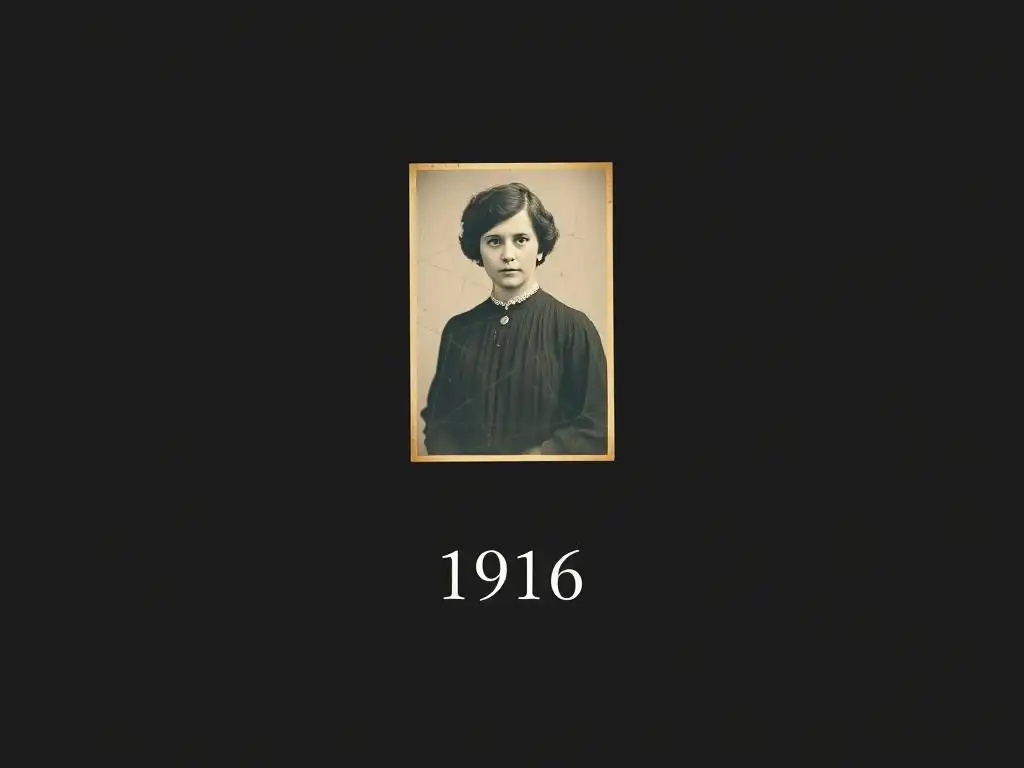
Tragically, Alice Ball's promising career was cut short. She died on December 31, 1916, at the tender age of 24. While the exact cause of her death remains debated, it is widely believed that she succumbed to chlorine poisoning, likely sustained from exposure during her laboratory work. This premature death prevented her from fully publishing her extensive findings or securing widespread recognition for her work during her lifetime.
Her early demise, combined with the prevailing societal biases, meant that her opportunities to solidify her legacy were severely curtailed. Many female scientists of that era faced similar limitations, whether due to societal pressures to abandon their careers for domestic life, lack of funding for their research, or health issues exacerbated by challenging and often unsafe working conditions in laboratories.
The Mystery of Alice Ball's Delayed Recognition
Factors Contributing to the Erasure of Her Initial Contributions
The reasons why Alice Ball's name became a forgotten female chemist biography for so long are multifaceted. Her untimely death was a primary factor; at just 24, she was unable to advocate for her own work, publish extensively, or build a lasting professional network that would champion her legacy. Compounding this, the pervasive racial and gender biases of the early 20th century played a significant role, as the contributions of Black women were often intentionally minimized, ignored, or actively suppressed within scientific and historical narratives.
The scientific community and the historical record of the time were not structured to acknowledge or celebrate the achievements of individuals like Ball. While her method was rapidly adopted and used globally, her personal story and direct attribution were often absent from official records and public discourse for decades, leading to a profound historical oversight.
The Role of Arthur L. Dean in Initially Taking Credit
Adding to the injustice, Arthur L. Dean, the then-president of the University of Hawaii and a chemist, continued Ball's research after her death. He successfully produced large quantities of the injectable chaulmoogra oil extract using her method. However, he initially claimed credit for the innovation, referring to it as the "Dean Method," and published results without adequately acknowledging Ball's foundational work.
This act of appropriation was, unfortunately, a common occurrence for marginalized scientists, whose intellectual property was vulnerable to being claimed by those in positions of power. Dean's actions effectively overshadowed Ball's original innovation, significantly contributing to the obfuscation of her legacy and ensuring that her name remained a forgotten female chemist biography for a considerable period, despite the widespread use of her treatment.
The Impact of Societal Bias on Historical Narratives
Societal biases profoundly shape the writing of history. The dominant narratives of the early 20th century were largely constructed by and for white men, leading to the systemic exclusion of women and people of color from historical accounts of scientific progress. This bias meant that even when evidence of Ball's groundbreaking work existed, it was either overlooked, downplayed, or actively reattributed to male counterparts.
This historical distortion perpetuated a skewed view of scientific innovation, reinforcing the idea that only certain demographic groups were capable of significant advancements. The historical record, therefore, became an incomplete and inaccurate reflection of the true diversity of minds that contributed to human knowledge, necessitating a deliberate and ongoing effort to correct these omissions.
Re-evaluating Alice Ball's Legacy: A Biography Search
Uncovering Lost Documents and Publications
The journey to restore Alice Ball's rightful place in scientific history began with the persistent efforts of dedicated individuals. Dr. Kathryn Takara, a lecturer at the University of Hawaii, played a pivotal role in initiating a comprehensive biography search for Ball. This meticulous work involved delving into archival records, university documents, and scientific journals from the early 20th century, a process akin to detective work to unearth forgotten truths.
Through this diligent research, crucial evidence surfaced, including Dr. Harry T. Hollmann's 1922 article in the Archives of Dermatology and Syphilology, which explicitly credited "Miss Alice Ball" for the method. These discoveries were instrumental in piecing together her fragmented and largely forgotten female chemist biography, providing concrete proof of her singular contribution and debunking the long-held "Dean Method" narrative.
Analyzing Ball's Impact on Leprosy Treatment and Subsequent Research
Re-evaluating the "Ball Method" reveals it was not merely an incremental improvement but a transformative paradigm shift in leprosy treatment. By making chaulmoogra oil injectable, Ball provided a viable and widely adopted therapy that saved countless lives and significantly reduced the suffering associated with the disease for over two decades. Her innovation offered a practical solution where none effectively existed.
Her work also laid foundational groundwork for later research in drug delivery and the chemical modification of natural products for therapeutic use. The principle she employed—making a hydrophobic compound water-soluble and injectable—remains a core concept in pharmaceutical chemistry, influencing the development of numerous modern drug formulations.
Reconstructing Her Story Through Archival Research and Historical Analysis
The reconstruction of Alice Ball's life and scientific narrative has been a painstaking academic endeavor. This process involved cross-referencing university records, personal correspondences (where available), medical journals, and newspaper archives to build a comprehensive and accurate picture of her contributions. This interdisciplinary historical analysis has been vital in correcting past oversights and ensuring a more truthful account of scientific history.
This ongoing reconstruction highlights the importance of dedicated historical research to uncover and validate the contributions of marginalized figures. Alice Ball's story serves as a powerful example of how persistent archival research can transform a forgotten female chemist biography into a celebrated narrative, demonstrating the profound impact one individual can have despite facing immense systemic challenges.
Alice Ball's Influence on Modern Medicine and Science
Connections to Current Research in Drug Delivery and Treatment of Infectious Diseases
Alice Ball's pioneering work continues to resonate within contemporary pharmaceutical science. Her method of creating an injectable, water-soluble derivative from a lipid-soluble compound is a fundamental principle in modern drug formulation and delivery. This approach is routinely applied today, particularly for drugs that are poorly soluble in water, ensuring their effective absorption and distribution within the body.
Furthermore, her innovative research into natural products for therapeutic use connects directly to ongoing efforts in natural product chemistry and drug discovery for infectious diseases. While new treatments for leprosy have emerged, Ball's work demonstrated the profound potential of chemically modifying compounds derived from nature to overcome biological barriers and deliver effective therapeutic agents, a concept still central to drug development.
Inspiring Future Generations of Women and Minorities in STEM
The rediscovery and celebration of Alice Ball's story have transformed her from a forgotten female chemist biography into a powerful and inspiring role model. Her journey, marked by exceptional intellect and unwavering perseverance against formidable racial and gender barriers, serves as a beacon for young women and minority students considering careers in STEM fields. Her resilience and intellectual brilliance demonstrate that talent knows no boundaries.
By actively sharing her story, the scientific community fosters greater diversity and inclusion. Recognizing her achievements encourages future generations to pursue their passions in science, technology, engineering, and mathematics, reinforcing the vital message that contributions from all backgrounds are invaluable and can profoundly change the world.
Conclusion: Remembering and Celebrating Alice Ball's Contributions
The Importance of Continued Research and Advocacy for Diverse Representation in Science History
Alice Ball's remarkable story underscores the critical need for ongoing historical research to uncover and celebrate the contributions of marginalized scientists. Her journey from a forgotten female chemist biography to a recognized pioneer is just one example among many; countless other narratives of brilliant but overlooked individuals await rediscovery. This continuous effort enriches our understanding of scientific progress and ensures a more complete historical record.
Beyond research, active advocacy for diverse representation in scientific curricula, textbooks, and public discourse is essential. This ensures that the history of science is accurate, inclusive, and truly reflects the global and multifaceted efforts that have shaped human knowledge and improved lives across the world.
Ensuring Alice Ball's Place in the History of Chemistry and Medicine
Through dedicated efforts, Alice Ball's legacy has been progressively secured. The University of Hawaii, where she conducted her groundbreaking research, officially dedicated a plaque in her honor in 2000. Furthermore, February 29th, her birthday in a leap year, has been proclaimed "Alice Ball Day" by the Lieutenant Governor of Hawaii, ensuring annual remembrance of her contributions. These significant actions have successfully transitioned her from a forgotten female chemist biography to a celebrated figure.
Alice Ball stands as a testament to scientific ingenuity, a groundbreaking chemist whose innovative work profoundly impacted public health globally. Her story serves as a powerful reminder of the importance of acknowledging and celebrating all who contribute to human progress, especially those whose achievements were historically overlooked due to systemic biases. Her place in the history of chemistry and medicine is now, deservedly, cemented.
Frequently Asked Questions
What is the primary goal of WomenInScienceHistory.com?
The site aims to celebrate and highlight the contributions of women in science throughout history, focusing on their groundbreaking work and the challenges they faced. It seeks to inspire future generations by shedding light on these often overlooked narratives.
Why is it important to study the biographies of forgotten female chemists?
Studying their biographies helps us understand the historical context of scientific progress and the barriers women faced. It also allows us to properly attribute credit for their contributions, enriching our understanding of scientific history.
What kind of challenges did female chemists historically encounter?
They often faced discrimination and exclusion from academic and professional opportunities. They also encountered difficulty in gaining recognition and credit for their work in male-dominated fields.
How does WomenInScienceHistory.com contribute to the "Forgotten female chemist biography search"?
The website provides detailed biographies and information about pioneering female chemists, making it a valuable resource for anyone looking to learn about or conduct research on these often underrepresented figures.
What can readers expect to find when reading a biography on WomenInScienceHistory.com like "The Case of the Vanishing Chemist: Reexamining [Name]'s Lost Contributions"?
Readers can expect to learn about the chemist's life, scientific achievements, and the reasons why their contributions may have been overlooked or forgotten in mainstream historical accounts.
The story of [Name], the vanishing chemist, serves as a stark reminder that history is not a fixed narrative, but a constantly evolving interpretation shaped by who holds the pen. Her contributions, once vital and groundbreaking, were nearly lost to the shadows of time, a fate far too common for women in science. This rediscovery highlights the urgent need to actively seek out and celebrate the forgotten voices that have shaped our understanding of the world.
The erasure of [Name]'s work underscores the systemic biases that have historically marginalized women in STEM fields. It's a sobering thought to consider how many other brilliant minds have been similarly overlooked, their potential contributions forever lost. Until lions have their own historians, tales of the hunt will always glorify the hunter.
This African proverb resonates deeply, reminding us that without diverse perspectives, our understanding of the past remains incomplete and skewed.
Let us not allow the case of [Name] to be an isolated instance. Instead, let it be a catalyst for a renewed commitment to uncovering and celebrating the hidden legacies of women in science. Seek out their stories, share their achievements, and ensure that their contributions are never again forgotten. By doing so, we not only honor their memory but also pave the way for a more inclusive and equitable future for all.
Unearth the Legacy: Act Now!
Thank you for exploring the remarkable contributions of a pioneering woman in chemistry. Now that you understand her impact, it's time to honor her memory and ensure her work is recognized appropriately.
Here's how you can make a difference:
- Nominate her achievements for inclusion in prominent chemistry textbooks and educational programs—help future generations learn from her insights and discoveries. This is a vital step toward correcting historical oversights.
- Share this article with fellow history enthusiasts, science educators, and anyone passionate about recognizing the achievements of underrepresented figures in STEM. Let’s amplify her story!
- Research other overlooked women in science within your local community and document their contributions online. Become a champion for local women in science history.
What other groundbreaking female scientists deserve to have their stories told, and what actions can you take to highlight their achievements?