Understanding Wars & Global Events: Their Impact on Women in Science
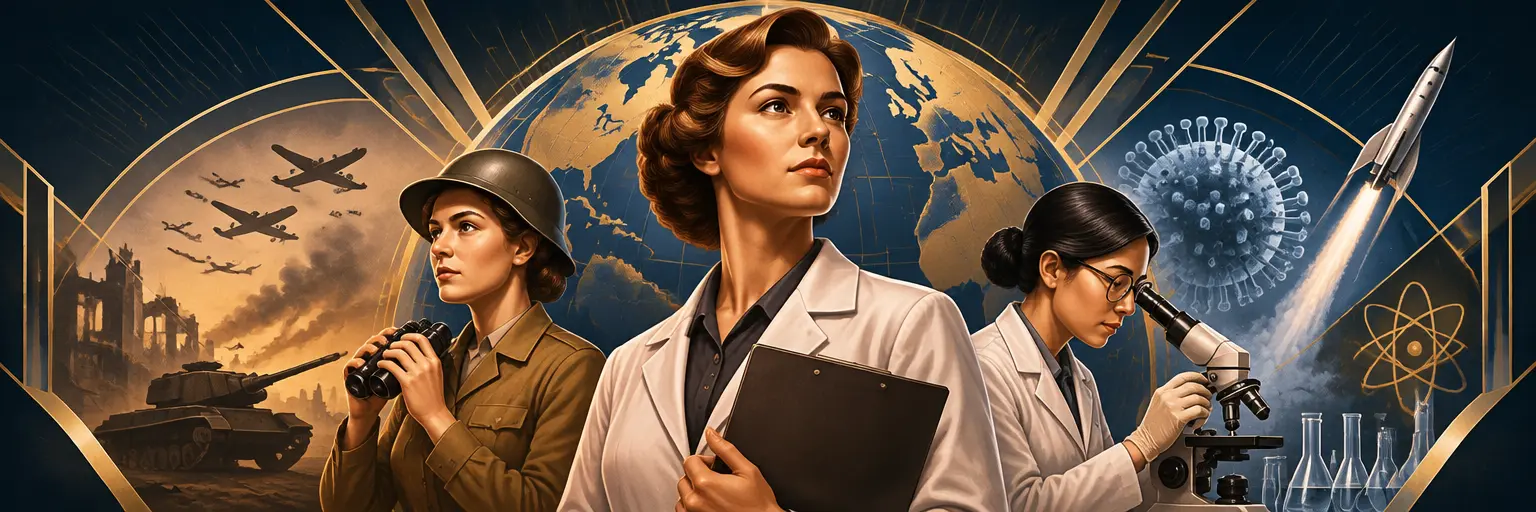
Major wars and global crises have paradoxically acted as both barriers and catalysts for women in science. From the World Wars to the Cold War and modern pandemics, these events reshaped labor markets, funding priorities, and social norms. This subcategory dives deep into how conflicts, economic upheavals, and international emergencies created unexpected opportunities—and formidable obstacles—for female researchers, doctors, engineers, and mathematicians. You’ll discover how women filled critical scientific roles during emergencies, yet often lost their positions once peace returned. This exploration highlights resilience, systemic discrimination, and the lasting legacy of their wartime contributions.
🌍 The World Wars: Female Scientists Step into the Breach
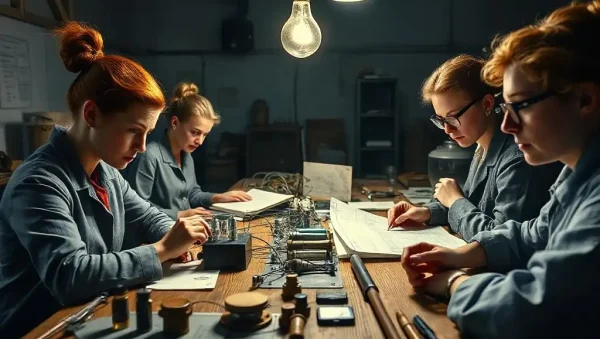
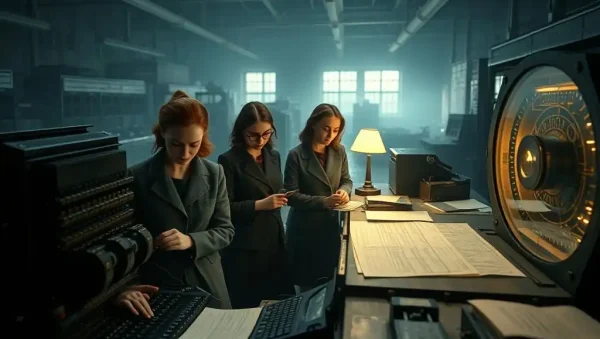
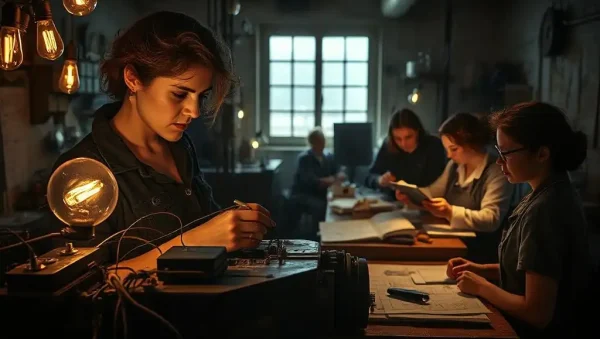
During World War I and II, vast numbers of men enlisted, leaving a vacuum in laboratories, factories, and research institutions. Women rapidly stepped in, performing everything from cryptographic analysis to chemical synthesis. Pioneers like Kathleen Lonsdale (crystallography) and Marie Curie (mobile X-ray units) exemplified this shift. These roles proved women’s technical competence under extreme pressure, but post-war demobilization often forced them back into domesticity.
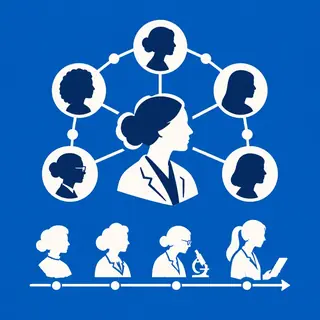
The wars also forced scientific innovation in radar, medicine, and atomic physics, where women worked as “computers” or assistants—roles vital yet underrecognized. This era laid groundwork for later feminist movements in science, as many women refused to surrender their newfound independence. Their wartime work also built professional networks that persisted long after conflicts ended.
🧪 The Cold War: A Double-Edged Sword for Female Researchers
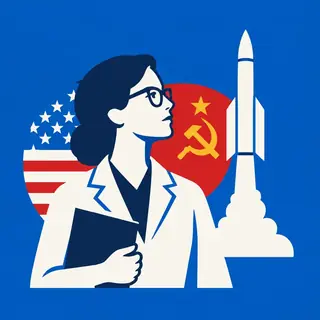
The Cold War’s space race and nuclear arms buildup drove massive government funding for STEM. Women like Katherine Johnson, Mary Jackson, and Dorothy Vaughan performed critical calculations at NASA, while Soviet women enjoyed relatively more scientific opportunities due to state ideology. However, in the West, gendered hiring practices persisted—women were often relegated to “female-appropriate” disciplines like botany or home economics.
Security clearance processes also disproportionately excluded women who married or had family ties abroad. The Cold War’s emphasis on national defense created an unusual paradox: women were trusted with sensitive computations yet excluded from decision-making roles. This period showcased extraordinary skill alongside institutional bias, prompting early equal-opportunity lawsuits that slowly shifted policies.
🦠 Pandemics & Health Crises: Women at the Frontlines of Science
Global health emergencies like the 1918 influenza, the HIV/AIDS crisis, and COVID-19 have thrust female scientists into leading roles. Women like Katalin Karikó (mRNA vaccines) and Flossie Wong-Staal (HIV molecular cloning) demonstrated how crises accelerate scientific breakthroughs. During outbreaks, women often juggled caregiver duties with research, exposing systemic support gaps.
These crises also highlighted how women’s perspectives improve public health responses—from vaccine distribution to risk communication. The pandemic era saw increased media visibility and funding for female-led research, yet also revealed persistent pay gaps and disproportionate burnout. This subcategory examines how such emergencies can serve as temporary equalizers, but sustained change requires structural reform.
💥 Economic Depressions & Post-War Austerity: Setbacks and Resilience
Economic downturns, like the Great Depression or post-war recessions, often led to layoffs that targeted women first, reinforcing “marriage bars” that prohibited hiring married female scientists. Yet these periods also spurred community-driven research and alternative career paths—women founded journals, informal study circles, and consulting firms. The austerity of the 1940s-50s, for instance, pushed many into teaching or industrial labs, roles that kept them scientifically active.
Financial scarcity bred creativity, such as using recycled materials or collaborating across disciplines to cut costs. The long-term impact was a generation of women who became experts in resource efficiency—a skill later prized in environmental science. These stories show that while recessions curtail formal opportunities, they can also foster unconventional and resilient scientific communities.
🚺 Humanitarian Crises & Refugee Scientists: Forgotten Narratives
Wars and genocides forced many female scientists into exile. The Nazi era saw women like Lisa Meitner and Lise’s collaborators flee to the US, UK, and Sweden, where they often faced visa restrictions and lower-status jobs. Similar patterns occurred during conflicts in the Balkans, Middle East, and Africa. These refugee scientists brought invaluable expertise yet struggled with language barriers and credential recognition.
Recent global refugee crises have revived attention on their contributions—many have rebuilt careers in fields like epidemiology, environmental monitoring, and agrotech. This subcategory explores both historical and contemporary examples, emphasizing how global solidarity and policy changes can unlock hidden talent pools. It also underscores the moral imperative to support displaced researchers.
Frequently Asked Questions
Did wars permanently increase women’s participation in science?
Wars temporarily expanded opportunities, but gains were often reversed post-conflict. For example, after WWII, many women were demoted or fired to make room for returning men. However, the skills and confidence gained set precedent for future generations, slowly normalizing women’s roles in laboratories by the late 20th century.
Which female scientist during global conflicts is most underrated?
Kathleen Lonsdale, a crystallographer who worked during WWII, is often overlooked. She continued groundbreaking X-ray diffraction research while being jailed as a conscientious objector. Her work on benzene structure remains foundational, yet she rarely appears in mainstream histories.
How did the Cold War affect women’s science education?
The Cold War led to increased funding for STEM education, including targeted scholarships for women, particularly in physics and engineering. However, these programs often tracked women into applied fields rather than theoretical research. Ultimately, this era boosted female graduation rates but still limited leadership advancement.
Are refugee female scientists supported today?
Organizations like the Council for At-Risk Academics and the Scholar Rescue Fund now offer fellowships. Yet bureaucratic hurdles, visa denial rates, and childcare responsibilities still disproportionately impact female refugees. Progress exists, but systemic gaps remain in integrating their expertise.
What can we learn from pandemics regarding women in science?
Pandemics highlight that women are indispensable in crisis research, yet they bear heavier home burdens. Policies like flexible funding, childcare grants, and blind peer-review have shown measurable benefits. Lasting change requires normalizing these supports even outside emergencies.