
WWII's Shadow Scientists: Unsung Women Behind Wartime Innovations

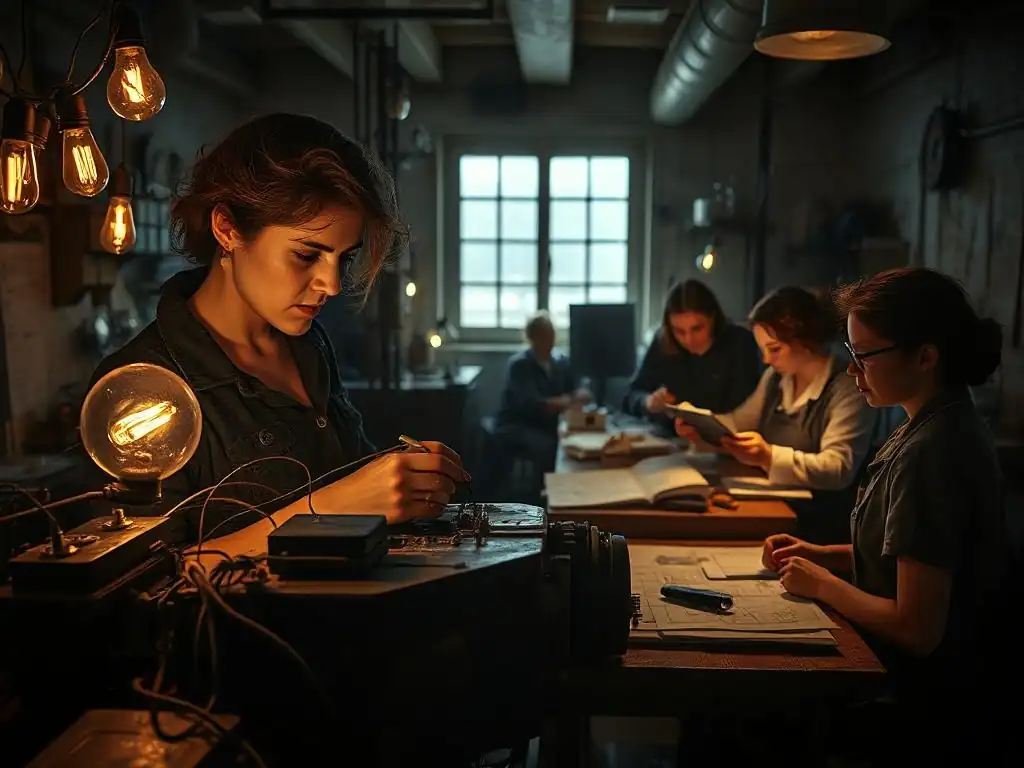
Welcome to WomenInScienceHistory.com!
Delve into the fascinating world of unsung heroines. This site celebrates the remarkable contributions of women in science throughout history, and today, we shine a light on a particularly compelling area: Women Wartime Innovation Scientists. What pivotal roles did these brilliant minds play during WWII, often operating in the shadows? Prepare to uncover the hidden stories of these groundbreaking women and the enduring impact of their wartime innovations.
- Introduction: Recognizing the Women Scientists of WWII
- Codebreaking Heroines: Women Deciphering Secrets
- Medical Advancements: Female Scientists on the Front Lines of Health
- Engineering Feats: Women Designing and Building for the War Effort
- Atomic Research and the Manhattan Project: Women's Undeniable Impact
- Overcoming Obstacles: Challenges Faced by Women in Science During WWII
- Lasting Legacy: The Impact of Women's Wartime Science Contributions
- Conclusion: Remembering the Unsung Women Scientists of WWII
-
Frequently Asked Questions
- What is the primary focus of WomenInScienceHistory.com?
- Why were women scientists particularly crucial during WWII?
- What kind of challenges did women scientists face during WWII?
- What types of innovations did "shadow scientists" contribute to during WWII?
- How does WomenInScienceHistory.com aim to impact future generations?
- Final Reflection: Honoring the Unseen Architects of Victory
- Unveil the Hidden Stories & Ignite Your Inner Innovator!
Introduction: Recognizing the Women Scientists of WWII
The Overlooked Role of Women in WWII Science and Technology
World War II dramatically reshaped global society, and within this monumental conflict, an often-overlooked transformation occurred in the scientific and technological landscape: the unprecedented involvement of women. As millions of men deployed to battlefields, the critical demand for skilled labor and intellectual prowess in scientific and engineering fields surged on the home front.
This created openings for hundreds of thousands of women wartime innovation scientists, engineers, and technicians who stepped into roles traditionally reserved for men, working in laboratories, factories, and highly secretive government projects. Their contributions, ranging from developing new materials to deciphering enemy communications, were absolutely vital to the Allied victory.
Despite their pivotal roles, the scientific and technological endeavors of these women were frequently overshadowed or entirely erased from historical narratives. Many worked under conditions of strict secrecy, and societal norms often dictated that public recognition be reserved for male figures. This systemic oversight meant that the ingenuity and dedication of countless women wartime innovation scientists remained largely unsung, their names and achievements rarely appearing in official histories or public accolades, obscuring a significant chapter in both women's history and the history of science.
The reasons behind the historical invisibility of women's wartime scientific contributions are multifaceted, rooted deeply in the prevailing gender biases of the era. Scientific institutions, academia, and industries were overwhelmingly male-dominated, and even as women entered these fields out of necessity, they often faced discrimination, lower pay, and were relegated to supportive or "behind-the-scenes" roles, even when their work was foundational. Their output was frequently attributed to male supervisors or simply absorbed into collective project achievements without individual acknowledgment.
Furthermore, the very nature of wartime secrecy contributed to the obscurity of many women wartime innovation scientists. Projects like the Manhattan Project or codebreaking efforts at Bletchley Park operated under extreme confidentiality, meaning individual contributions, especially from those not in senior leadership, were rarely publicized during or after the war. When the conflict ended, many women were expected to return to traditional domestic roles, and the narrative of male heroism dominated the public discourse, further marginalizing the remarkable scientific and technical feats performed by women.
Codebreaking Heroines: Women Deciphering Secrets
The Women of Bletchley Park: Cracking the Enigma Code
Bletchley Park, the principal center of Allied codebreaking during World War II, stands as a monumental testament to the intellectual power of women wartime innovation scientists. An estimated 75% of the roughly 10,000 personnel working at this top-secret facility were women.
These women were not merely clerical staff; they were mathematicians, linguists, machine operators, and analysts who performed the painstaking, complex work of deciphering enemy communications, most famously the German Enigma and Lorenz ciphers. Their tasks ranged from operating the sophisticated Bombe machines, designed by Alan Turing, to manually analyzing intercepted messages, identifying patterns, and piecing together fragments of intelligence.
The tireless efforts of these women provided critical intelligence that significantly shortened the war. For instance, their intercepts, collectively known as Ultra intelligence, provided real-time insights into German military movements, U-boat positions, and strategic plans, directly influencing pivotal events like the Battle of the Atlantic and the D-Day landings. While individual contributions were often kept secret for decades, the collective brilliance of these women wartime innovation scientists at Bletchley Park saved countless lives and played an undeniable role in securing Allied victory.
Across the Atlantic, American women wartime innovation scientists were equally instrumental in the Allied codebreaking efforts, particularly within the U.S. Navy and Army intelligence branches. One of the most prominent figures was Agnes Meyer Driscoll, often called "the First Lady of Naval Cryptology." Even before WWII, Driscoll had a distinguished career in cryptography, and her expertise became indispensable during the war. She led teams that successfully broke numerous Japanese naval codes, including the crucial "Red Book" cipher and later contributed significantly to breaking the "JN-25" code, which was used by the Japanese Imperial Navy.
Driscoll's work, along with that of hundreds of other women, provided vital intelligence that influenced major naval engagements in the Pacific theater. For example, the breaking of Japanese codes allowed U.S. forces to anticipate enemy movements and plans, providing a decisive advantage in battles such as Midway. These unsung women wartime innovation scientists worked in highly pressured environments, their intellectual contributions directly impacting strategic decisions and ultimately contributing to the Allied success against the Japanese forces.
Medical Advancements: Female Scientists on the Front Lines of Health
Women Researchers Developing Penicillin Production During WWII
The advent of penicillin during WWII revolutionized battlefield medicine, and women wartime innovation scientists played a crucial role in its mass production. Initially discovered by Alexander Fleming in 1928, penicillin's potential as a powerful antibiotic was fully realized and scaled up for widespread use during the war, drastically reducing casualties from bacterial infections and gangrene. Female chemists, microbiologists, and laboratory technicians were at the forefront of this effort, working tirelessly in pharmaceutical companies and university laboratories to optimize fermentation processes and purification methods.
For instance, at institutions like the Northern Regional Research Laboratory in Peoria, Illinois, female scientists were part of the teams that identified more productive strains of Penicillium mold and developed deep-tank fermentation techniques, which were essential for producing the antibiotic on an industrial scale. Their meticulous research and dedication ensured that sufficient quantities of "the miracle drug" were available for Allied forces by 1944, saving countless lives and marking a significant milestone in medical history, largely thanks to the often-uncredited work of these women wartime innovation scientists.
Pioneering Female Nurses and Medical Professionals in Wartime Field Hospitals
While the Mobile Army Surgical Hospital (MASH) units became famous in later conflicts, the foundations for rapid, effective battlefield medicine were laid during WWII, with pioneering female nurses and medical professionals at the core of these innovations. Women served extensively as nurses, doctors, and medical researchers in field hospitals, evacuation hospitals, and research facilities close to the front lines. They adapted quickly to unprecedented challenges, developing and implementing new medical techniques to manage trauma, prevent infection, and control disease outbreaks in chaotic wartime environments.
These dedicated women wartime innovation scientists and medical professionals were instrumental in refining blood transfusion techniques, improving surgical protocols for blast injuries, and implementing sanitation measures that drastically reduced the incidence of diseases like typhus and malaria among troops. Their practical application of scientific knowledge under extreme pressure, along with their compassionate care, directly improved survival rates and quality of life for wounded soldiers, demonstrating their vital contributions to the science and practice of wartime medicine.
Engineering Feats: Women Designing and Building for the War Effort
Women Engineers in Aircraft Manufacturing: Rose Will Monroe and Riveting
The image of "Rosie the Riveter" became an iconic symbol of women's participation in the WWII war effort, but behind this popular representation were thousands of skilled women wartime innovation scientists and engineers performing complex tasks. In the aircraft industry, women filled roles that were vital to the production of bombers, fighters, and transport planes, a critical factor in Allied air superiority. By 1943, over 300,000 women were employed in aviation manufacturing, comprising more than 65% of the workforce in some plants. These women were not just assemblers; many became proficient riveters, welders, and even aeronautical engineers.
One notable example was Rose Will Monroe, who worked as a riveter at the Willow Run Aircraft Factory in Ypsilanti, Michigan, constructing B-24 Liberator bombers. She became a symbol of the "Rosie" movement and epitomized the skilled labor of women. Her work, and that of countless others, required precision, technical understanding, and physical dexterity, proving that women were fully capable of performing the most demanding engineering and manufacturing tasks, directly contributing to the overwhelming industrial output that powered the Allied war machine.
Female Scientists and Engineers in Radar Technology: Hedy Lamarr and Frequency Hopping
Beyond the factory floor, some women wartime innovation scientists made groundbreaking theoretical contributions to military technology. One of the most surprising and impactful figures in this arena was Hollywood actress Hedy Lamarr. Driven by a desire to contribute to the war effort, Lamarr, alongside composer George Antheil, patented a "secret communication system" in 1942. This invention used frequency hopping, a method of rapidly changing radio frequencies to prevent enemy interception and jamming of torpedo guidance systems.
Although the technology was not widely adopted during WWII due to its complexity and the lack of immediate need for such sophisticated torpedo guidance systems, Lamarr's concept was revolutionary. It laid the foundational principles for spread-spectrum communication, which decades later became essential for modern wireless technologies such as Wi-Fi, Bluetooth, and GPS. Lamarr's inventive genius, born out of a desire to aid the war, highlights the diverse and often unexpected sources of innovation among women wartime innovation scientists.
Atomic Research and the Manhattan Project: Women's Undeniable Impact
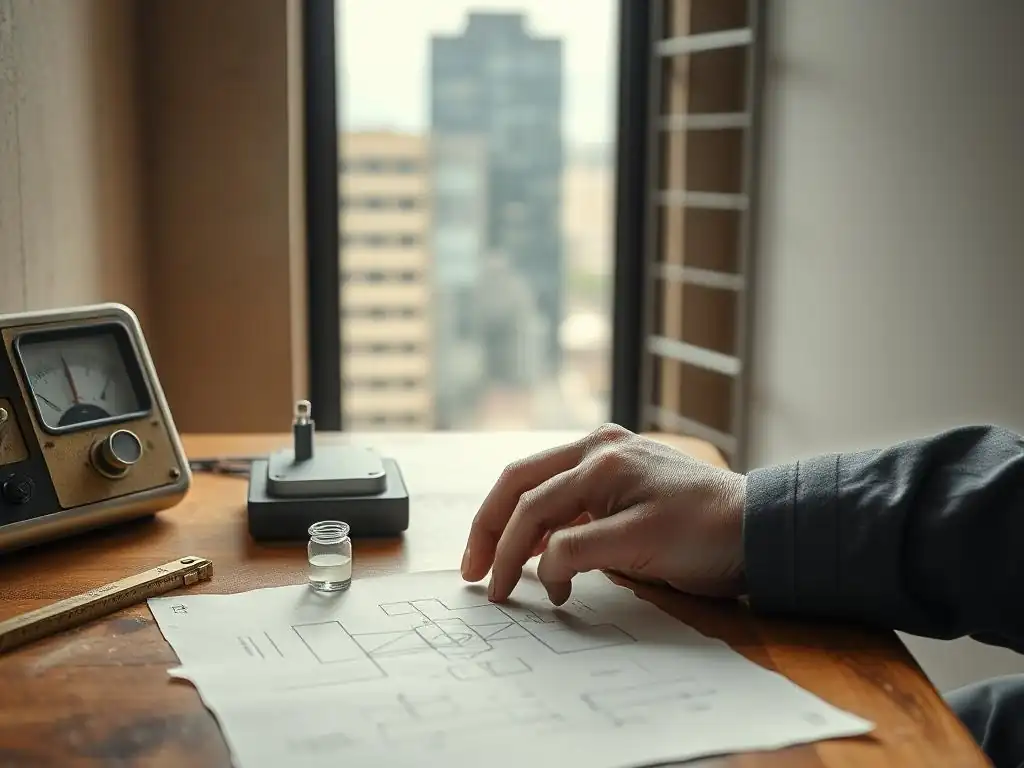
The Women Physicists and Chemists of the Manhattan Project
The Manhattan Project, the top-secret endeavor to develop the first atomic bomb, involved thousands of scientists and engineers, and among them were a significant number of women wartime innovation scientists whose contributions were critical, though often unheralded. Women worked across various sites, including Los Alamos, Oak Ridge, and the University of Chicago, performing complex calculations, conducting chemical separations, and carrying out experimental work that was essential to the project's success. Their roles ranged from theoretical physicists and chemists to mathematicians, laboratory technicians, and computer operators (often called "human computers").
For instance, at Oak Ridge, women were instrumental in operating the calutrons for electromagnetic isotope separation, a crucial step in enriching uranium. Others, like Leona Woods Marshall Libby, were among the few women to work directly with Enrico Fermi on the Chicago Pile-1, the world's first nuclear reactor. Their meticulous work in handling radioactive materials, performing intricate analyses, and ensuring the safety and efficiency of processes was indispensable to the project's rapid development, demonstrating the profound impact of these women wartime innovation scientists on one of history's most pivotal scientific undertakings.
Lise Meitner: Her Role in the Discovery of Nuclear Fission
While not directly involved in the Manhattan Project due to her refusal to work on a weapon, the theoretical insights of Lise Meitner, an Austrian-Swedish physicist, were absolutely foundational to the development of nuclear fission and, by extension, the atomic bomb. Meitner, a brilliant women wartime innovation scientist, collaborated for decades with Otto Hahn and Fritz Strassmann. In 1938, after fleeing Nazi Germany, she received a letter from Hahn describing puzzling experimental results: the bombardment of uranium with neutrons produced lighter elements, not heavier ones as expected.
It was Meitner, along with her nephew Otto Robert Frisch, who correctly interpreted these results as nuclear fission – the splitting of the atomic nucleus. She provided the first theoretical explanation of the process, calculating the enormous energy released (E=mc²). Despite her pivotal intellectual contribution, only Hahn received the Nobel Prize in Chemistry in 1944 for the discovery of fission, a glaring omission that highlights the gender bias prevalent in scientific recognition. Meitner's profound scientific insight, though tragically unacknowledged by the Nobel Committee, unequivocally paved the way for the atomic age.
Overcoming Obstacles: Challenges Faced by Women in Science During WWII
Gender Bias and Discrimination in Wartime Scientific Fields
Despite the critical need for their skills, women wartime innovation scientists frequently encountered pervasive gender bias and discrimination throughout WWII. They were often paid significantly less than their male counterparts for performing identical or even more complex tasks. For example, a female physicist might earn 60-70% of a male physicist's salary. Beyond pay disparities, women were often relegated to supportive roles, even when their intellectual contributions were foundational, and were rarely given leadership positions or opportunities for professional advancement.
Many women faced skepticism about their capabilities in fields traditionally dominated by men, such as engineering and physics. They were sometimes subjected to condescending attitudes or outright harassment. This systemic discrimination meant that even as women filled vital roles, their professional growth was frequently stunted, and their achievements often went unacknowledged or were attributed to male supervisors, creating a double burden of performing demanding work while battling entrenched prejudice.
Limited Opportunities and Recognition for Female Scientists
Even after proving their competence and indispensability during the war, the opportunities for women wartime innovation scientists often dwindled dramatically once the conflict ended. As men returned from the front, there was a societal push for women to vacate their wartime roles and return to domestic life. Many highly skilled female scientists found themselves unemployed or relegated back to less demanding, lower-paying positions, often losing the professional momentum they had gained.
Furthermore, the lack of formal recognition for their wartime contributions meant that many women struggled to leverage their experience into long-term scientific careers. Their work was often classified, anonymized, or simply not celebrated publicly, denying them the visibility and accolades that could have paved the way for future opportunities in academia or industry. This systemic failure to acknowledge and integrate women wartime innovation scientists into the post-war scientific establishment represents a significant loss of talent and a perpetuation of historical injustice.
Lasting Legacy: The Impact of Women's Wartime Science Contributions
How WWII Opened Doors for Women in STEM
Paradoxically, despite the significant challenges, World War II did open some doors for women in STEM fields, albeit temporarily and often out of necessity. The unprecedented demand for scientific and technical personnel forced industries and government agencies to look beyond traditional gender roles, allowing hundreds of thousands of women wartime innovation scientists to enter laboratories, factories, and research facilities. This experience proved to women themselves, and to some extent to society, that they were fully capable of performing complex scientific and engineering work.
The skills acquired during the war, from operating sophisticated machinery to conducting advanced chemical analyses, provided many women with invaluable professional experience. While many were pushed out of their roles post-war, the sheer scale of women's participation undeniably broke down some barriers and challenged existing stereotypes. It laid groundwork, however fragile, for future generations of women to pursue careers in science, technology, engineering, and mathematics, demonstrating that female talent was a vast, untapped resource.
Inspiring Future Generations of Female Scientists and Innovators
The stories of these unsung women wartime innovation scientists are not merely historical footnotes; they serve as powerful sources of inspiration for future generations of female scientists and innovators. By shedding light on their ingenuity, resilience, and groundbreaking contributions, we provide visible role models who defied societal expectations and made profound impacts in fields ranging from codebreaking to nuclear physics. Understanding the challenges they overcame—gender bias, lack of recognition, and limited opportunities—also contextualizes the ongoing fight for equality in STEM.
Acknowledging these women's legacies helps to correct historical omissions and fosters a more inclusive narrative of scientific progress. Their experiences underscore the importance of diversity in scientific endeavors, demonstrating that talent and innovation know no gender. By celebrating the achievements of these women wartime innovation scientists, we empower young women today to pursue their scientific passions, knowing that they stand on the shoulders of giants who paved the way.
Conclusion: Remembering the Unsung Women Scientists of WWII
The Importance of Acknowledging Women's Wartime Contributions
The narrative of World War II is often dominated by military campaigns and political leaders, but behind the front lines, a silent army of women wartime innovation scientists waged a crucial battle of intellect and ingenuity. From the mathematicians deciphering enemy codes at Bletchley Park to the chemists scaling up penicillin production, and the engineers building the aircraft that dominated the skies, women's contributions were indispensable to the Allied victory. Their work saved lives, shortened the conflict, and laid the groundwork for countless technological advancements that continue to shape our modern world.
It is imperative that we continue to acknowledge and celebrate these unsung heroines. Their stories not only enrich our understanding of history but also highlight the profound impact that diverse perspectives and talents have on scientific progress. By recognizing the women wartime innovation scientists, we rectify historical oversights and ensure that their remarkable achievements are given the prominence they deserve, inspiring a fuller, more accurate appreciation of their role in shaping the 20th century.
Continuing the Fight for Equality in Science and Technology
The legacy of women wartime innovation scientists extends beyond their immediate contributions to the war effort; it underscores the enduring need for equality in science and technology. The challenges they faced—gender bias, limited opportunities, and lack of recognition—are echoes of struggles that persist, albeit in different forms, in contemporary STEM fields. While significant progress has been made, women remain underrepresented in many scientific disciplines, particularly in leadership roles, and often continue to battle systemic biases.
By studying the experiences of these pioneering women wartime innovation scientists, we gain valuable insights into the mechanisms of discrimination and the importance of active advocacy for inclusion. Their stories serve as a powerful reminder that talent is universal, but opportunity is not. The fight for true equality in science and technology continues, driven by the inspiration of those who, in the shadow of war, proved that women are not just capable, but essential, to scientific discovery and innovation.
Frequently Asked Questions
What is the primary focus of WomenInScienceHistory.com?
The website focuses on celebrating the contributions of women in science throughout history, highlighting their biographies and groundbreaking work. It aims to inspire future generations by showcasing these often-overlooked narratives.
Why were women scientists particularly crucial during WWII?
During WWII, many men were at war, creating a need for skilled individuals in scientific fields. Women scientists stepped up to fill this gap, contributing significantly to wartime innovations.
What kind of challenges did women scientists face during WWII?
Women faced significant challenges, including gender bias and limited opportunities compared to their male counterparts. They often had to overcome societal expectations and prejudices in male-dominated fields.
What types of innovations did "shadow scientists" contribute to during WWII?
These women scientists contributed to a wide range of innovations, including advancements in radar technology, medicine, and materials science, all crucial for the war effort.
How does WomenInScienceHistory.com aim to impact future generations?
The platform aims to inspire future generations by providing role models and showcasing the historical achievements of women in science. This can encourage more girls and women to pursue careers in STEM fields.
Final Reflection: Honoring the Unseen Architects of Victory
The stories unveiled within this article serve as a potent reminder that innovation thrives even in the darkest of times, often fueled by the unseen contributions of marginalized voices. The women wartime innovation scientists, long relegated to the shadows of history, emerge as pivotal figures whose ingenuity and dedication directly shaped the outcome of World War II. Their legacy demands recognition, not just as a historical footnote, but as a testament to the untapped potential that exists when societal barriers are dismantled.
The impact of these women extends far beyond the battlefield. Their resilience and brilliance continue to inspire generations of female scientists and engineers, proving that gender is no barrier to groundbreaking achievement. Their contributions challenge the traditional narrative of scientific progress, reminding us that true innovation is a collaborative endeavor, often driven by those whose voices are least heard. The most effective way to do it, is to do it.
- Amelia Earhart. This quote, though not directly related to WWII scientists, perfectly encapsulates the spirit of these women who, despite facing immense obstacles, simply did the work that needed to be done.
Let us not simply remember these women, but actively champion their legacy. Reflect on the biases that continue to exist within STEM fields and consider how you can contribute to a more inclusive and equitable future. Embrace the spirit of innovation, challenge conventional thinking, and recognize the invaluable contributions of all individuals, regardless of their background. The future of scientific progress depends on our collective commitment to unlocking the full potential of humanity.
Thanks for diving into the fascinating world of WWII's shadow scientists! We hope you've discovered a newfound appreciation for the incredible contributions of these unsung women. Now, let's turn inspiration into action:
- Deepen your understanding by researching a specific woman mentioned in the article and sharing her story on social media. Use #WomenInScienceHistory to connect with others.
- Explore the website WomenInScienceHistory.com to uncover even more untold stories of women who shaped our world.
- Organize a local screening of a documentary about women in STEM and invite friends, family, and community members to learn and be inspired.
Which unsung woman in science will you champion today?