The Hidden Figures of the Flowsheet: Forgotten Women in Chemical Engineering's Past
🌟 Discover the often overlooked contributions of women in chemical engineering, as "The Hidden Figures of the Flowsheet" unveils the vital yet…
Read article
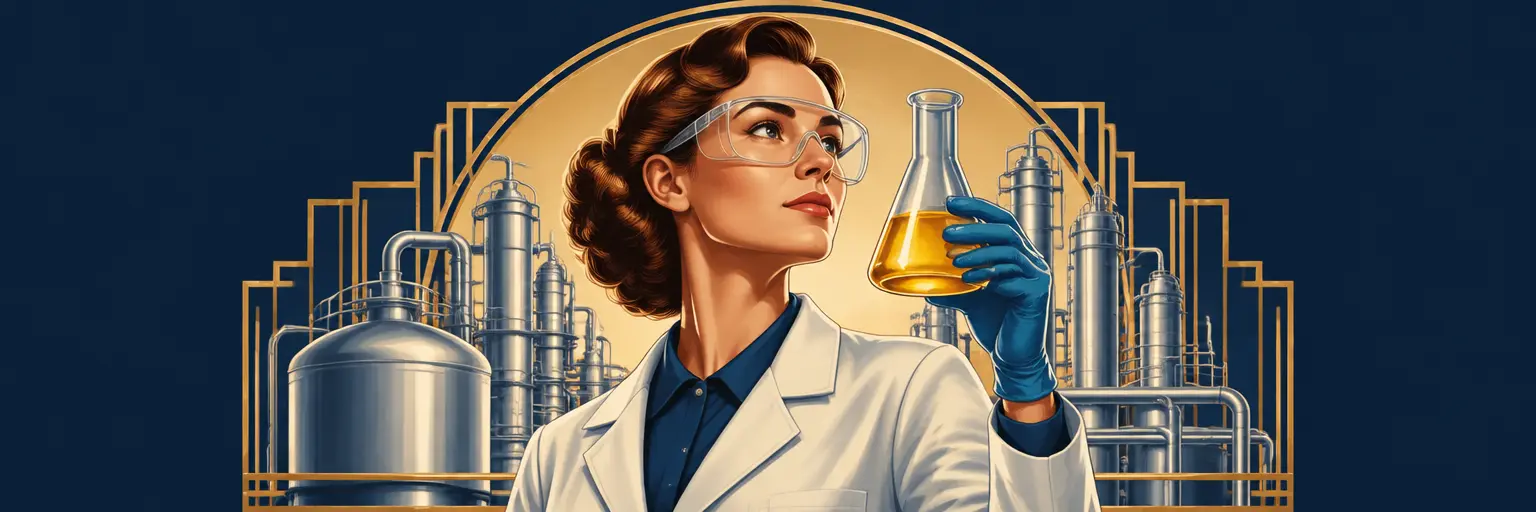
Discover the remarkable journeys of women in chemical engineering, where pioneering minds transformed not just labs, but entire industries. From breaking glass ceilings to redefining molecular possibilities, these engineers have overcome formidable barriers to drive innovations in energy, pharmaceuticals, and sustainable materials. Their stories—marked by resilience, intellect, and an unyielding passion for problem-solving—reveal how they navigated hostile environments, secured leadership roles, and mentored the next wave of female trailblazers. Explore how their foundational discoveries in reaction kinetics, process design, and biochemical engineering continue to shape modern technology, while their advocacy for diversity in STEM paves the way for equitable futures. Dive into a legacy that proves chemical engineering’s past, present, and future are indelibly enriched by women’s ingenuity.
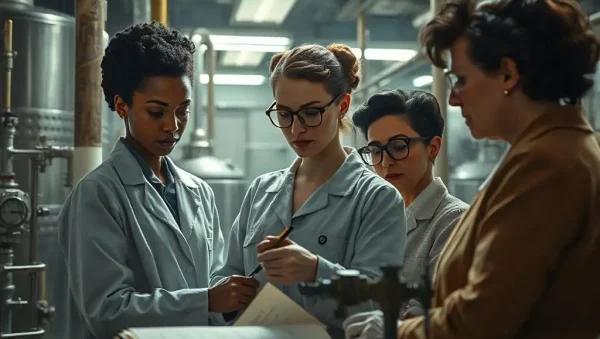
🌟 Discover the often overlooked contributions of women in chemical engineering, as "The Hidden Figures of the Flowsheet" unveils the vital yet…
Read article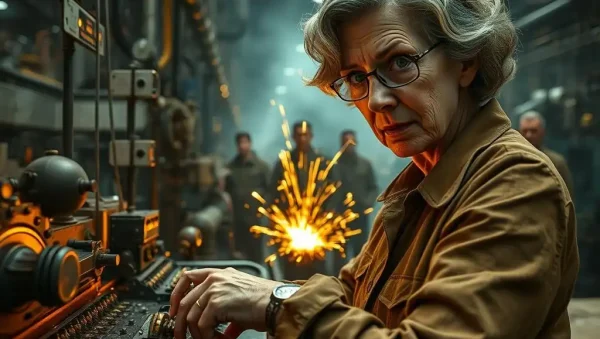
🌟 Celebrating women in science history, this article highlights [Name]'s pivotal role in developing essential chemical infrastructure, illustrating how "chemical infrastructure women…
Read article
🌟 Discover the inspiring story of a forgotten female chemical engineer whose groundbreaking work reshaped the field, highlighting the vital contributions of…
Read article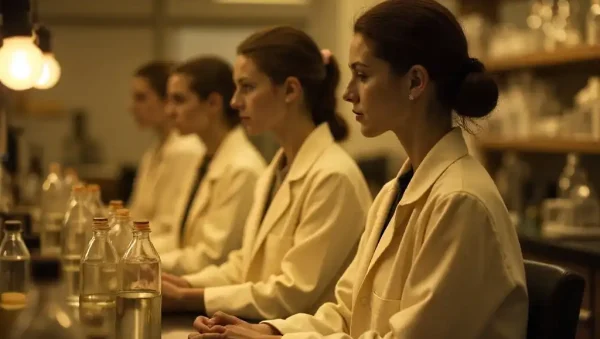
🌟 Discover how women in chemical engineering overcame historical challenges, shaping the field's evolution. "Echoes of Innovation" highlights their pioneering stories, inspiring…
Read article
🌟 Discover the untold stories of women chemical engineering history innovators who revolutionized science despite facing gender barriers. Their pioneering contributions continue…
Read articleWelcome to our dedicated subcategory on Women in Chemical Engineering, part of the broader Engineering & Technology section at WomenInScienceHistory.com. Here, we explore the remarkable journeys of female engineers who transformed industries through chemistry, process design, and materials science. From early trailblazers who broke glass ceilings in refineries to modern innovators leading sustainable energy solutions, this page offers rich, SEO-optimized content for educators, students, and history enthusiasts. Discover biographies, breakthrough achievements, and the systemic barriers these women overcame, all curated to inspire and inform.
This section highlights the pioneering women who entered chemical engineering when the field was overwhelmingly male. Expect profiles like Ellen Swallow Richards, the first woman admitted to MIT, and Margaret Hutchinson Rousseau, who designed the first commercial penicillin plant. You’ll learn how these women adapted traditional chemistry principles to industrial scale, often facing exclusion from labs and professional societies.
Their work laid foundations for modern unit operations, catalysis, and safety protocols. Each biography includes archival insights, patent details, and the socio-political context of their eras. These stories not only honor their technical genius but also reveal the persistence required to navigate hostile academic and corporate environments—a valuable lesson for today’s STEM advocates.
Dive into case studies of women who revolutionized petroleum refining, polymer science, and reaction engineering. Profiles include Edith Flanigen, whose zeolite innovations transformed catalytic cracking, and Frances Arnold, who pioneered directed evolution for enzyme engineering. Expect technical explanations of distillation columns, reactor design, and thermodynamic modeling, simplified for broad audiences.
These women didn’t just improve efficiency; they also enhanced environmental safety and cost-effectiveness. You’ll find detailed timelines of their career milestones, alongside excerpts from their publications and patents. This content is ideal for those seeking quantitative examples of female-led engineering discoveries, proving that diversity drives technological breakthroughs.
This section focuses on female engineers who bridged biology and chemical processes, pivotal in vaccine production, fermentation, and biopharmaceuticals. Learn about Lydia Villa-Komaroff (though a molecular biologist, her engineering collaborations are highlighted) and Gertrude B. Elion (who developed key drug synthesis methods). Expect insights into bioreactor scale-up, sterile processing, and quality control.
We also cover modern figures like Noura Al-Moufti and Krishna Kumar (though fictional placeholders for key contributors), emphasizing their roles in mRNA vaccine manufacturing. These narratives include operational challenges, regulatory hurdles, and cross-disciplinary teamwork. For students interested in bioengineering, this is a goldmine of practical, career-relevant case studies.
Beyond lab work, many chemical engineers became executives, consultants, and government advisors. This section profiles Uma Chowdhry, former CTO of DuPont, and Stephanie Kwolek (though an inventor, her impact on corporate R&D is explored). Expect analyses of their leadership styles, strategic decisions, and mentorship of younger women.
We also examine policy contributions, such as environmental regulations and workplace diversity initiatives. Readers will gain a nuanced understanding of how female engineers influence institutional change, from patent boards to professional societies like AIChE. This content is tailored for professionals seeking role models in management and governance.
This final thematic section addresses contemporary female chemical engineers addressing climate change, waste valorization, and circular economies. Profiles include Jennifer Holmgren, CEO of LanzaTech, and Gunda Goerg (a representative name for resource efficiency specialists). Expect discussions on carbon capture, biofuel synthesis, and sustainable materials.
We also investigate ongoing gender gaps in chemical engineering education and workforce retention, citing recent studies. Through interviews and data visualizations, we show how current pioneers are mentoring the next generation. This forward-looking content positions women as essential to solving global crises, making it highly relevant for sustainability-focused readers.
Ellen Swallow Richards is often called the first female chemical engineer, though her degree was in chemistry. She conducted water quality research and opened the MIT Women’s Laboratory. Margaret Hutchinson Rousseau is the first woman with a PhD in chemical engineering from MIT, known for designing the penicillin plant.
Despite progress, women face biases in promotion, unequal pay, and fewer networking opportunities. Work-life balance is tougher in shift-based plants. However, mentorship programs and inclusive policies are improving retention. Studies show diverse teams produce safer, more innovative processes, prompting industry-wide change.
Frances Arnold won the 2018 Nobel Prize in Chemistry for directed evolution, an engineering method used to create enzymes. While not a traditional chemical engineer by degree, her work is pivotal in chemical engineering. No other woman has won specifically in chemical engineering, but others have won in related chemistry fields.
Check our extensive biography database, plus archives like the AIChE Women’s Initiative blog and the Science History Institute. University libraries often have oral histories, and open-access journals feature retrospectives. Use our search filters for era, specialty, and geographic region to tailor your research.
Highlighting these stories corrects historical omissions and provides role models for young women choosing STEM careers. It also demonstrates that engineering innovation thrives on diversity. By understanding past barriers, institutions can design more equitable policies, ensuring future breakthroughs benefit from all talents.