
Seeds of Tomorrow: Indigenous Women Cultivating Sustainable Futures Through Traditional Knowledge

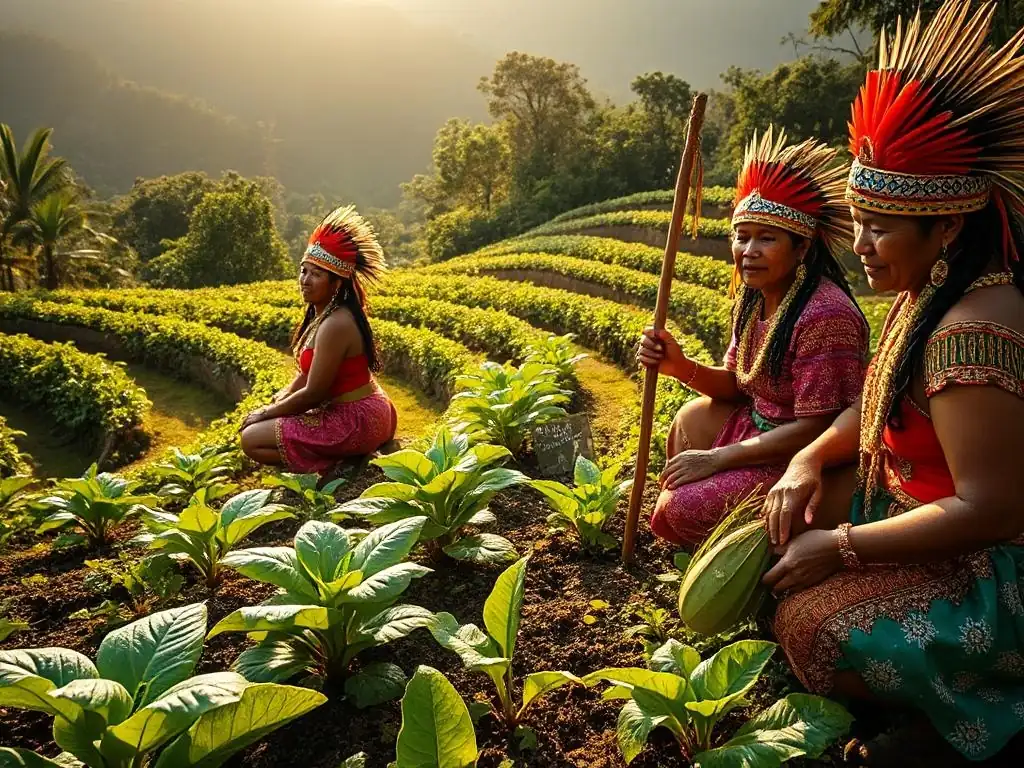
Welcome to WomenInScienceHistory.com, where we unearth the untold stories of remarkable women who shaped the scientific world.
Delve into the fascinating world of environmental science as we explore the profound impact of Indigenous sustainable farming knowledge, a legacy often spearheaded by women. Are you ready to discover how ancient wisdom is cultivating a more sustainable future? Read on to uncover the innovative practices and resilience of these often-unsung heroines.
- Introduction: Honoring Indigenous Women's Role in Sustainable Agriculture
- Indigenous Sustainable Farming Knowledge: A Legacy of Environmental Stewardship
- Case Studies: Indigenous Women Champions of Sustainable Agriculture
- The Interconnection Between Indigenous Women, Land Rights, and Food Security
- Challenges Faced by Indigenous Women in Maintaining Traditional Farming Practices
- Solutions: Empowering Indigenous Women to Lead Sustainable Farming Initiatives
- The Role of Indigenous Women in Promoting Climate-Resilient Agriculture
- Preserving Indigenous Sustainable Farming Knowledge for Future Generations
- Conclusion: Celebrating Indigenous Women as Guardians of Sustainable Futures Through Traditional Farming
-
Frequently Asked Questions
- How does Indigenous sustainable farming knowledge contribute to a more resilient food system?
- What are some examples of traditional farming techniques used by Indigenous women that promote sustainability?
- Why is it important to recognize and support Indigenous women's roles in preserving and advancing sustainable agriculture?
- What challenges do Indigenous women face in maintaining and transmitting their traditional farming knowledge?
- How can non-Indigenous individuals and organizations support Indigenous communities in their efforts to promote sustainable farming?
- Final Reflection: Sowing Seeds of Resilience
- Empower Change: Nurture the Future!
Introduction: Honoring Indigenous Women's Role in Sustainable Agriculture
Overcoming Systemic Barriers: Recognizing Indigenous Women's Contributions
Historically, Indigenous women have faced profound systemic barriers that have marginalized their contributions to science and agriculture. Their deep-rooted knowledge, often passed down through oral traditions and practical application over millennia, was frequently dismissed as anecdotal or "primitive" by dominant scientific paradigms. This exclusion from formal academic and research institutions meant that their invaluable insights into ecology, plant science, and sustainable land management were largely unacknowledged in mainstream discourse, perpetuating a significant historical oversight.
However, a growing global recognition is beginning to dismantle these barriers, highlighting the critical role of Indigenous women as knowledge holders and innovators. International bodies and academic institutions are increasingly acknowledging that traditional ecological knowledge (TEK), much of which is held by Indigenous women, offers vital solutions to contemporary environmental challenges. This shift includes efforts to integrate Indigenous perspectives into conservation strategies and agricultural development, moving towards a more inclusive understanding of scientific contributions.
Indigenous Sustainable Farming Knowledge: A Legacy of Environmental Stewardship
Understanding Traditional Ecological Knowledge (TEK) in Farming Practices
Traditional Ecological Knowledge (TEK) in farming practices represents a sophisticated, cumulative body of knowledge, practices, and beliefs concerning the relationship of living beings (including humans) with their traditional environment. This knowledge is not merely a collection of facts but a holistic worldview, passed down through generations, encompassing spiritual, cultural, and scientific understanding of ecosystems. Indigenous women, often the primary cultivators and gatherers, observe intricate patterns in nature – from soil health indicators to plant growth cycles and animal behaviors – to inform their agricultural decisions, ensuring long-term ecological balance.
For instance, the widespread "Three Sisters" planting method, practiced by numerous Indigenous peoples across North America, exemplifies advanced TEK. This polyculture system intercrops corn, beans, and squash in a mutually beneficial arrangement: corn provides a stalk for beans to climb, beans fix nitrogen in the soil, and squash leaves provide ground cover to suppress weeds and retain moisture. This integrated approach, developed over thousands of years, showcases a deep understanding of natural synergies and soil fertility, embodying core principles of indigenous sustainable farming knowledge.
The Importance of Biodiversity and Seed Saving in Indigenous Agriculture
Biodiversity is the cornerstone of Indigenous agriculture, providing resilience against environmental shifts and ensuring food security. Indigenous communities typically cultivate a vast array of crop varieties, unlike the monocultures prevalent in industrial farming. This genetic diversity, often adapted to specific local conditions and microclimates, acts as a natural insurance policy, safeguarding against pests, diseases, and the unpredictable impacts of climate change. The varied genetic makeup within a single crop species, such as diverse potato varieties in the Andes or corn types across Mesoamerica, ensures that some will thrive even under adverse conditions.
Indigenous women have historically been, and continue to be, the primary custodians of seeds, meticulously selecting, storing, and preserving varieties for thousands of years. This practice of seed saving is not just about genetics; it is a cultural and spiritual act that ensures the continuity of food systems and traditions. For example, the Hopi people in Arizona have maintained hundreds of varieties of corn, each adapted to specific uses and microclimates, through generations of careful selection and stewardship, demonstrating a profound commitment to preserving this vital aspect of indigenous sustainable farming knowledge.
Case Studies: Indigenous Women Champions of Sustainable Agriculture
Vandana Shiva: Advocating for Seed Sovereignty and Biodiversity in India
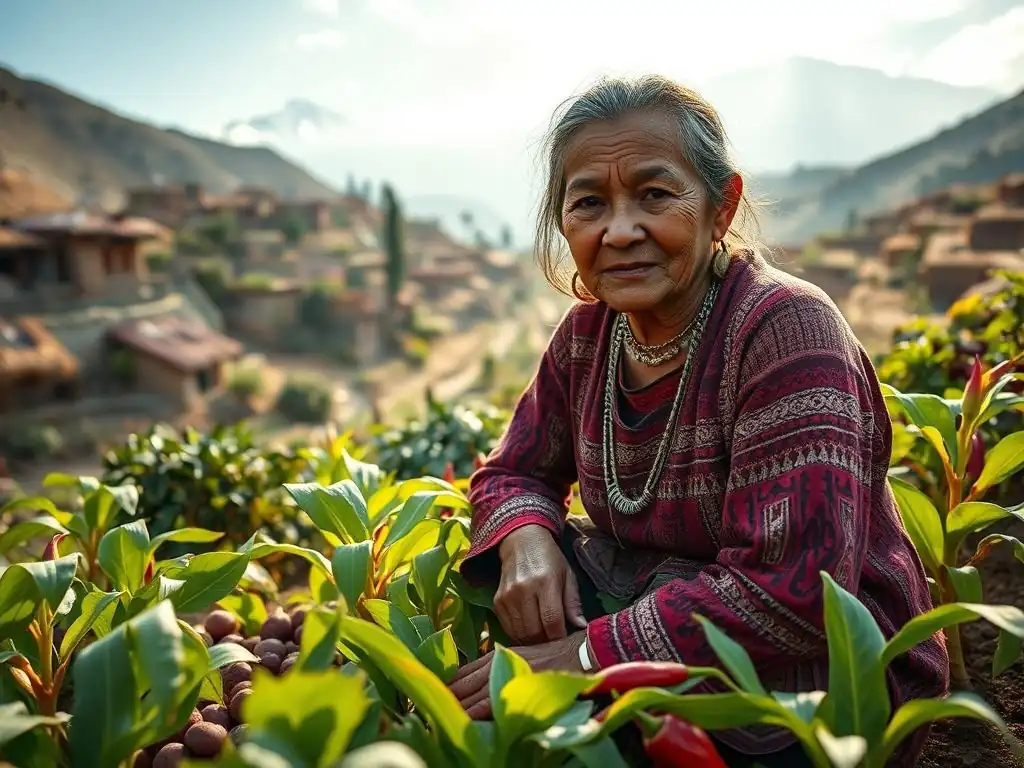
Vandana Shiva, an Indian environmental activist and ecofeminist, has become a global voice for seed sovereignty and biodiversity, challenging the corporate control of agriculture. In 1987, she founded Navdanya, a national movement to protect the diversity and integrity of living resources, especially native seeds. Navdanya has established over 150 community seed banks across India, preserving thousands of indigenous varieties of rice, millets, pulses, and vegetables, thereby safeguarding the genetic heritage of India's food crops.
Shiva's philosophy of "Earth Democracy" promotes a decentralized, diverse, and democratic food system, where farmers and communities have control over their seeds and food production. Her work champions traditional, diverse farming methods as a viable and sustainable alternative to industrial agriculture, emphasizing the crucial role of women as guardians of biodiversity and traditional knowledge. Through education and direct action, she empowers local communities to practice indigenous sustainable farming knowledge, resisting the pressures of monoculture and chemical-intensive farming.
Winona LaDuke: Promoting Indigenous Food Systems and Environmental Justice in North America
Winona LaDuke, an Anishinaabekwe (Ojibwe) environmentalist, economist, and writer from the White Earth Reservation in Minnesota, has dedicated her life to promoting Indigenous food systems and environmental justice. As co-founder of Honor the Earth and founder of the White Earth Land Recovery Project, she works to restore ancestral lands and cultural practices, particularly the cultivation of wild rice (Manoomin), which is central to Ojibwe culture and diet. Her efforts aim to build sustainable, local food economies that revitalize Indigenous communities and promote self-sufficiency.
LaDuke's advocacy extends to fierce opposition against fossil fuel pipelines, such as the Line 3 project, which threaten sacred lands, water sources, and traditional food gathering areas. She argues that protecting these natural resources is paramount to preserving Indigenous ways of life and their ability to practice sustainable agriculture. Her work underscores the critical link between environmental protection, food sovereignty, and the ongoing viability of indigenous sustainable farming knowledge within Indigenous communities.
Aastha Subedi: Championing Climate-Smart Agriculture in Nepal
Aastha Subedi, a Nepali agricultural scientist and development worker, is a prominent figure in integrating traditional knowledge with modern climate-smart agricultural techniques to build resilience among smallholder farmers in Nepal. Working in a country highly vulnerable to climate change impacts, Subedi focuses on empowering women farmers by enhancing their capacity to adapt to changing weather patterns and ensure food security. Her projects often involve documenting and validating traditional Nepali farming methods, such as intricate terracing systems and the cultivation of drought-resistant indigenous crop varieties.
Subedi facilitates programs that provide training in sustainable farming practices, improve access to indigenous seeds, and establish market linkages for locally produced goods. For example, her initiatives have supported communities in adopting improved water harvesting techniques and cultivating resilient local maize and millet varieties that thrive in unpredictable rainfall conditions. Her work demonstrates how the synergy between scientific understanding and indigenous sustainable farming knowledge can lead to practical, impactful solutions for climate change adaptation in agriculture.
The Interconnection Between Indigenous Women, Land Rights, and Food Security
Securing Land Tenure for Indigenous Communities: Protecting Sustainable Farming Practices
Secure land tenure is a fundamental prerequisite for Indigenous communities to maintain and practice their sustainable farming knowledge. Without formal recognition and protection of their ancestral territories, Indigenous peoples are highly vulnerable to displacement, resource exploitation, and the destruction of their traditional lands by external forces like logging, mining, and large-scale agriculture. Studies indicate that approximately 80% of the world's biodiversity is found on Indigenous lands, highlighting their critical role as custodians of natural resources and biodiversity, which is directly linked to their capacity for sustainable agriculture.
When Indigenous communities possess secure rights to their lands, they are empowered to enforce traditional conservation practices, manage resources sustainably according to their ancestral knowledge, and continue the intergenerational transmission of their farming traditions. Research by the World Resources Institute and others has shown that deforestation rates are significantly lower (up to two to three times less) in Indigenous territories with legally recognized land rights compared to areas without such protections, or even compared to some protected areas. This demonstrates how securing land tenure directly safeguards the environmental conditions necessary for indigenous sustainable farming knowledge to flourish.
Addressing Food Sovereignty: Indigenous Women as Key Players in Local Food Systems
Food sovereignty, defined as the right of peoples to healthy and culturally appropriate food produced through sustainable methods, and their right to define their own food and agriculture systems, is a concept deeply rooted in Indigenous struggles. Indigenous women are central to achieving this goal, often serving as the primary producers, processors, and preservers of food within their communities. Their intimate knowledge of local ecosystems, traditional crops, and sustainable harvesting techniques makes them indispensable to building resilient and self-sufficient local food systems.
Across the globe, Indigenous women are leading efforts to achieve food sovereignty through various initiatives. This includes establishing community gardens that grow traditional foods, organizing farmers' markets to ensure access to healthy, local produce, and reviving traditional seed exchanges to maintain genetic diversity. In many Indigenous communities in North America, the revitalization of traditional agricultural practices and ceremonial foodways has not only improved community health outcomes but also strengthened cultural identity and economic self-reliance, showcasing the power of indigenous sustainable farming knowledge to foster holistic well-being.
Challenges Faced by Indigenous Women in Maintaining Traditional Farming Practices
Climate Change Impacts on Indigenous Agriculture
Climate change poses an existential threat to Indigenous agricultural systems, which are often intricately linked to specific local environmental conditions and seasonal cycles. Indigenous communities, particularly those in vulnerable regions, are disproportionately affected by altered rainfall patterns, increased frequency and intensity of extreme weather events such as droughts and floods, and rising temperatures. For instance, communities in the Arctic face challenges like permafrost thaw impacting traditional hunting and gathering grounds, while those in arid regions experience prolonged droughts that devastate traditional crop yields and water sources.
While Indigenous knowledge is inherently adaptive, the unprecedented speed and scale of current climate change often overwhelm even deeply rooted adaptive strategies. This rapid environmental shift can lead to significant crop failures, displacement of communities, and the loss of specific plant varieties that were perfectly adapted to historical, stable conditions. The disruption of traditional seasonal indicators also complicates planting and harvesting schedules, making it increasingly difficult for Indigenous women to apply their indigenous sustainable farming knowledge effectively.
Land Grabbing and Resource Extraction: Threats to Indigenous Livelihoods
Large-scale land grabbing and unchecked resource extraction activities represent severe threats to Indigenous livelihoods and their traditional farming practices. These activities, driven by agribusiness, mining corporations, logging industries, and large infrastructure projects, often result in the displacement of Indigenous communities from their ancestral lands. Such actions lead to widespread deforestation, severe water pollution, and irreversible loss of biodiversity, directly undermining the ecological foundations upon which indigenous sustainable farming knowledge depends.
Real-world examples abound, from the expansion of palm oil plantations in Southeast Asia that displace Indigenous peoples and destroy vital rainforests, to illegal mining operations in the Amazon that contaminate rivers and decimate traditional agricultural lands. These destructive practices not only sever Indigenous communities' connection to their land and traditional food sources but also erode their cultural identity and self-sufficiency. The constant pressure from external economic interests makes it incredibly challenging for Indigenous women to maintain their traditional farming practices and secure their communities' food future.
Modernization and the Loss of Traditional Knowledge: Bridging the Gap
The encroachment of modern agricultural practices and the allure of urban migration present significant challenges to the continuity of traditional farming knowledge within Indigenous communities. The widespread adoption of monocultures, reliance on synthetic chemical inputs, and the perception that traditional methods are "backward" can lead to the abandonment of time-tested, sustainable practices. This shift often results in a decline in the intergenerational transmission of invaluable knowledge, as younger generations may not see the relevance or economic viability of traditional farming in a rapidly modernizing world.
To bridge this gap, initiatives are emerging that seek to blend traditional knowledge with appropriate modern technologies, while also actively engaging youth in learning ancestral farming practices. Programs that facilitate intergenerational mentorship, where elders teach practical skills and associated cultural values, are crucial. For example, some Indigenous communities are developing culturally relevant curricula that incorporate indigenous sustainable farming knowledge into formal education systems, or creating digital archives to preserve oral traditions and practical techniques, ensuring their transmission to future generations.
Solutions: Empowering Indigenous Women to Lead Sustainable Farming Initiatives
Education and Training Programs for Indigenous Women Farmers
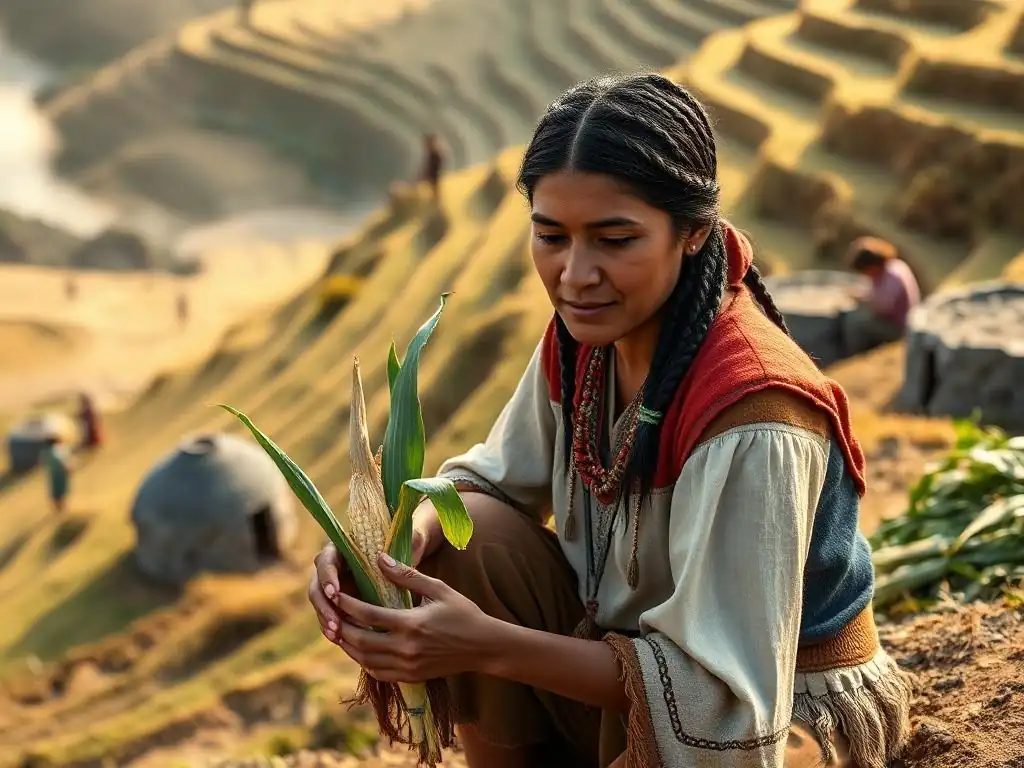
Tailored education and training programs are essential to empower Indigenous women farmers, enabling them to enhance their agricultural productivity while preserving their cultural heritage. These programs should strategically combine traditional ecological knowledge with relevant contemporary agricultural science, focusing on sustainable practices, business development skills, and market access. Such initiatives provide Indigenous women with the tools to innovate within their traditional frameworks, ensuring their farming practices are both culturally resonant and economically viable.
Successful examples include programs offered by organizations like the Indigenous Food and Agriculture Initiative in the United States, which provides legal, policy, and business development support to tribal communities working to build sustainable food systems. Other initiatives focus on specific skills, such as organic certification processes for traditional crops or the development of value-added products from indigenous plants, thereby increasing the economic returns for Indigenous women farmers. These programs directly strengthen indigenous sustainable farming knowledge through practical application and economic empowerment.
Supporting Indigenous-Led Organizations and Initiatives
Effective and sustainable solutions for Indigenous agriculture must originate from within Indigenous communities themselves. Therefore, supporting Indigenous-led organizations and initiatives is paramount, as it ensures that interventions are culturally appropriate, address the real needs of the community, and leverage existing strengths and traditional knowledge systems. These grassroots organizations are often at the forefront of protecting ancestral lands, promoting food sovereignty, and revitalizing traditional farming practices, embodying the spirit of self-determination.
The impact of such support is significant. Indigenous women-led grassroots groups, for instance, are instrumental in establishing community seed banks, organizing traditional food festivals to celebrate and share local harvests, and advocating for policy changes that protect Indigenous rights and lands. The Indigenous Environmental Network (IEN), while broader in scope, is a powerful example of an Indigenous-led organization that amplifies Indigenous voices on environmental justice and climate change, directly supporting the continued practice and recognition of indigenous sustainable farming knowledge globally.
Integrating Traditional Knowledge into Modern Agricultural Policies
For indigenous sustainable farming knowledge to gain wider recognition and support, it is crucial to integrate it meaningfully into national and international agricultural and environmental policies. This integration moves beyond tokenism to genuine collaboration, legitimizing traditional practices and ensuring that policy frameworks are more holistic, effective, and equitable. It acknowledges that Indigenous peoples' deep understanding of local ecosystems offers invaluable insights for developing resilient and sustainable food systems for all.
The benefits of such integration are far-reaching, leading to more resilient food systems, enhanced biodiversity conservation, and more equitable resource management. For example, several national governments and international bodies are beginning to formally consult with Indigenous elders and knowledge holders when developing climate adaptation strategies for agriculture. This recognition of their expertise in navigating complex environmental challenges, derived from centuries of observation and adaptation, underscores the vital role of traditional ecological knowledge in shaping future agricultural policies.
The Role of Indigenous Women in Promoting Climate-Resilient Agriculture
Indigenous Approaches to Water Management and Soil Conservation
Indigenous women, deeply connected to their land, have historically developed and maintained sophisticated approaches to water management and soil conservation that are highly relevant for climate-resilient agriculture today. These methods are often localized and adapted to specific microclimates, demonstrating an intimate understanding of hydrological cycles and soil dynamics. Examples include ancient terracing systems, such as those famously used by the Inca in the Andes, which prevent erosion on steep slopes and optimize water retention for crops.
Other traditional techniques include elaborate rainwater harvesting systems, efficient irrigation methods that minimize waste, and the strategic use of natural features like swales and berms to manage water flow. For soil conservation, practices such as intercropping, crop rotation, organic matter recycling through composting, and the careful selection of nitrogen-fixing plants are common. These methods maintain soil fertility, enhance water retention, and prevent erosion, fostering a healthy agricultural ecosystem without reliance on synthetic inputs, thereby showcasing the enduring value of indigenous sustainable farming knowledge.
Utilizing Traditional Crops for Climate Change Adaptation
Traditional, often heirloom, crop varieties cultivated by Indigenous communities are inherently more resilient to environmental fluctuations than many modern, monoculture crops. These indigenous varieties have been cultivated for centuries, or even millennia, in specific local environments, allowing them to naturally develop resistance to local pests, diseases, and variable climatic conditions. Their genetic diversity provides a crucial buffer against the unpredictable impacts of climate change, making them vital for future food security.
Concrete examples abound: the Andean potato varieties, with over 4,000 known types, thrive at different altitudes and conditions, offering a vast genetic reservoir for adaptation to changing climates. Similarly, the diverse varieties of millets grown across Africa and Asia are highly nutritious and remarkably drought-resistant, making them ideal for regions facing increased water scarcity. The continued cultivation and preservation of these traditional crops by Indigenous women are central to developing climate-resilient agricultural systems globally, underscoring the profound importance of indigenous sustainable farming knowledge.
Preserving Indigenous Sustainable Farming Knowledge for Future Generations
Documentation and Transmission of Traditional Practices
The preservation of indigenous sustainable farming knowledge for future generations necessitates concerted efforts in both documentation and active transmission. Many elders, who are the primary knowledge holders, are aging, making the urgent recording of their wisdom crucial. This can involve creating oral histories, written records, comprehensive digital archives, and multimedia resources that capture detailed farming techniques, plant knowledge, and the cultural contexts surrounding these practices, ensuring that this invaluable heritage is not lost.
However, documentation alone is insufficient; active, intergenerational transmission is key. This involves creating vibrant platforms for learning where elders can directly teach youth practical farming skills, alongside the associated cultural and spiritual values. Community-based workshops, apprenticeships, and cultural camps are vital for this hands-on learning process, allowing the knowledge to be embodied and adapted by new generations, ensuring its continued relevance and vitality.
Engaging Youth in Indigenous Farming Traditions
Engaging youth is critical for the long-term survival and evolution of indigenous sustainable farming knowledge. It not only fosters a profound sense of cultural pride and identity but also equips younger generations with practical skills and an understanding of sustainable living that is increasingly vital in a changing world. When youth are actively involved, they become the next generation of stewards, innovators, and advocates for their ancestral traditions.
Successful engagement strategies include integrating traditional crops and methods into school garden programs, establishing youth leadership initiatives focused on food sovereignty, and supporting digital storytelling projects where young people document and share their community's farming traditions. These initiatives create a dynamic pipeline for knowledge transfer, encouraging innovation within traditional frameworks, and ensuring that the invaluable legacy of indigenous sustainable farming knowledge continues to flourish for centuries to come.
Conclusion: Celebrating Indigenous Women as Guardians of Sustainable Futures Through Traditional Farming
Frequently Asked Questions
How does Indigenous sustainable farming knowledge contribute to a more resilient food system?
Indigenous sustainable farming knowledge often incorporates diverse cropping strategies and water conservation techniques, leading to greater resilience against climate change and environmental degradation. These practices are often adapted to local ecosystems.
What are some examples of traditional farming techniques used by Indigenous women that promote sustainability?
Examples include crop rotation, intercropping, and the use of natural fertilizers like compost and manure. These practices enhance soil health and reduce reliance on synthetic inputs, promoting long-term ecological balance.
Why is it important to recognize and support Indigenous women's roles in preserving and advancing sustainable agriculture?
Indigenous women are often the primary caretakers of seeds and land, holding crucial traditional knowledge. Supporting them ensures the continuation of sustainable practices and empowers them within their communities.
What challenges do Indigenous women face in maintaining and transmitting their traditional farming knowledge?
Challenges include land displacement, climate change impacts, and lack of access to resources and education. These factors can disrupt traditional practices and make it difficult to pass them on to younger generations.
How can non-Indigenous individuals and organizations support Indigenous communities in their efforts to promote sustainable farming?
Support can involve financial assistance, advocacy for land rights, and collaborative research initiatives. It's crucial to respect Indigenous knowledge and ensure that collaborations are equitable and mutually beneficial.
Final Reflection: Sowing Seeds of Resilience
The journey through the stories of Indigenous women cultivating sustainable futures underscores a profound truth: traditional knowledge is not a relic of the past, but a vital seed for tomorrow's survival. Their practices, deeply rooted in respect for the land and a holistic understanding of ecosystems, offer invaluable lessons for a world grappling with environmental crisis and the urgent need for sustainable solutions.
The enduring power of Indigenous sustainable farming knowledge lies in its ability to foster both ecological balance and cultural preservation. Witnessing the dedication of these women, their unwavering commitment to ancestral wisdom, serves as a powerful reminder of the interconnectedness of humanity and nature. We do not inherit the earth from our ancestors; we borrow it from our children.
This ancient proverb encapsulates the very essence of their philosophy, a philosophy that prioritizes long-term stewardship over short-term gain.
As we close this exploration, let us carry forward the seeds of wisdom sown by these remarkable women. Let us reflect on the ways we can integrate Indigenous sustainable farming knowledge into our own lives, supporting initiatives that empower Indigenous communities and championing a future where respect for the land and cultural heritage go hand in hand. The future of our planet depends on our willingness to learn from the past and cultivate a more sustainable tomorrow, together.
Empower Change: Nurture the Future!
Thank you for diving into the inspiring stories of Indigenous women shaping sustainable futures. Your newfound knowledge is a seed – now it's time to cultivate action.
Here’s how you can contribute:
- Amplify Indigenous Voices: Share this article to broaden awareness of Indigenous women's critical role in sustainability.
- Explore Further: Dig deeper into the practices mentioned in this article. Research ways to support organizations that are developing and promoting the use of traditional knowledge for sustainable development.
- Reflect and Engage: Consider how your own actions align with the principles of sustainability and explore opportunities to incorporate more sustainable practices into your everyday life.
What concrete step will you take today to honor the wisdom of these inspiring women and nurture a more sustainable world?